A Federal Regulator Wants to Fast-Track AI Data Centers Onto the Power Grid
Reading time 3 minutes
It seems like a major U.S. energy regulator is trying to have it all. It wants grid operators to move faster in connecting power-hungry data centers, while also keeping costs down for regular consumers.
The Federal Energy Regulatory Commission (FERC) today issued orders to the six major regional grid operators under its jurisdiction.
FERC has given the six regional transmission organizations and independent system operators 60 days to either justify their current rules for connecting data centers, manufacturing facilities, and other large energy users to the grid, or file changes to address certain issues the commission singled out.
These organizations are often described as the “air traffic controllers” of the power grid. While they don’t usually own power plants or power lines, they help balance supply and demand, operate wholesale power markets, and coordinate grid planning across large regions.
In a press release, FERC said the orders are one of the most significant actions the commission has taken to “modernize the nation’s electric markets and push the economy into the future by speeding integration of large energy users onto the grid with additional rigorous consumer safeguards.”
Specifically, the commission laid out five categories of potential reforms. These include developing more efficient application and study processes for connecting large load projects to the grid, as well as considering “alternative transmission technologies.”
Other areas include preventing costs from being shifted onto regular customers by requiring more transparency around transmission costs, accommodating projects that are built next to power plants or plan to produce their own power, and providing new transmission services for projects that can shift their demand when the grid is under stress.
“We are setting the stage for a resilient, reliable, and forward-thinking grid that empowers communities and safeguards consumers by transforming the way large energy users access the grid,” said FERC Chairman Laura Swett in the press release. “It also is critical that FERC provide certainty for investors by directing the markets to protect existing deals and unlock opportunities for technological advancement and economic expansion.”
The six grid operators named in the orders are PJM Interconnection, Midcontinent Independent System Operator, Southwest Power Pool, California Independent System Operator, ISO New England, and the New York Independent System Operator.
Additionally, the orders give the operators and their transmission owners 30 days to submit reports describing how they plan to ensure there is enough power supply for existing customers and future large energy users.
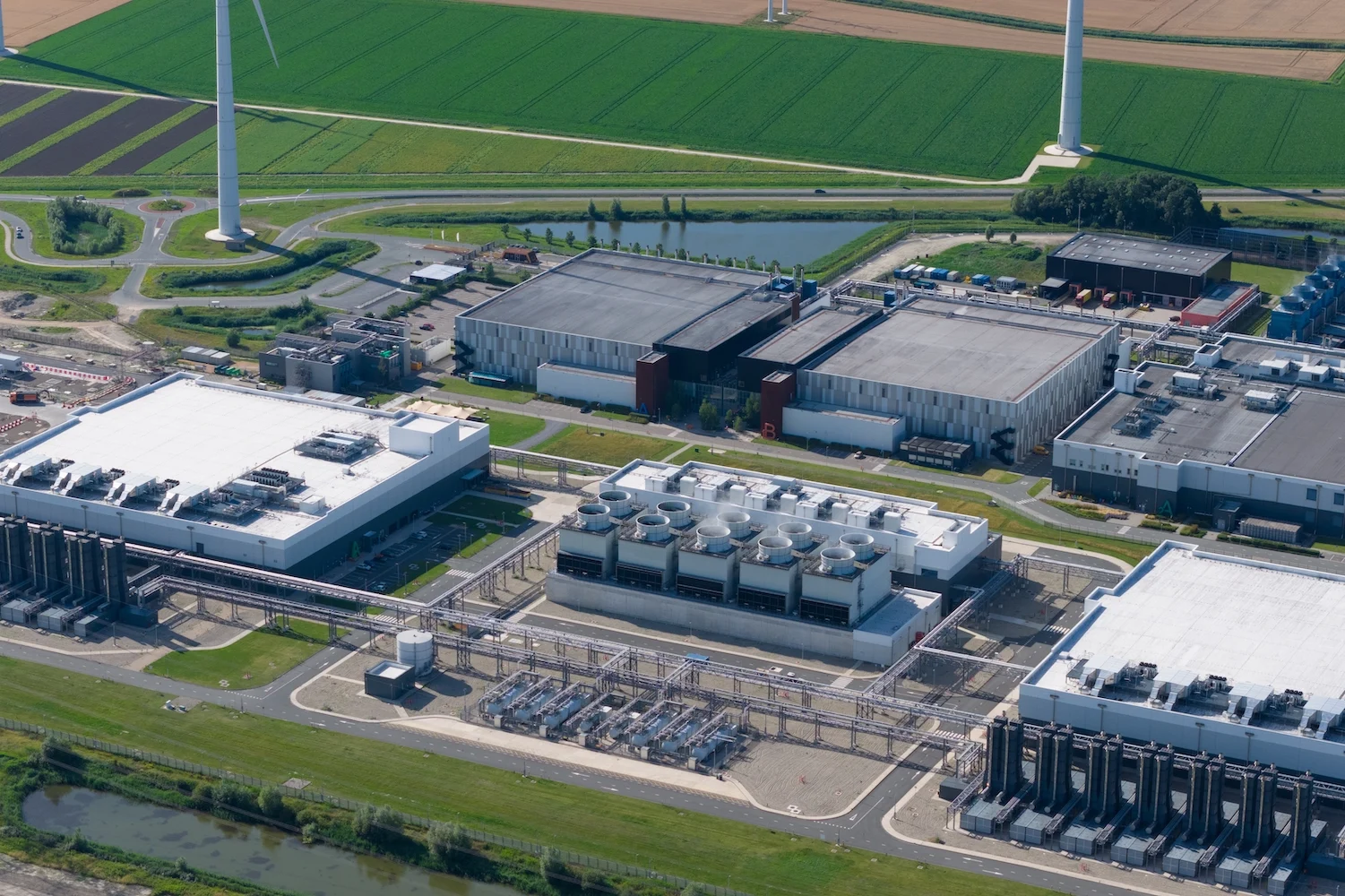
The order comes as major tech companies are racing—and spending billions—on massive new data center projects to train and run advanced AI models. Those data centers can demand a lot of energy.
For instance, Kevin O’Leary’s planned data center project in Utah is expected to eventually generate and consume up to 9 gigawatts of power. That’s roughly double the amount of electricity the entire state of Utah currently consumes, according to The Salt Lake Tribune.
Still, there is growing community backlash, especially from local residents worried about the strain these massive facilities could place on water supplies, power grids, and their neighborhoods. In some cases, that opposition has already helped defeat proposed data center projects.
A Gallup survey conducted in March found that seven in 10 Americans oppose constructing data centers for artificial intelligence in their local area, including 48% who are strongly opposed. About 46% said they worried a great deal about the environmental impacts of AI data centers.
Explore more on these topics
Sign up for our newsletters
Subscribe and interact with our community, get up to date with our customised Newsletters and much more.
Related Articles






Source link