Ai Deeptech
- AI & Deeptech1 month ago
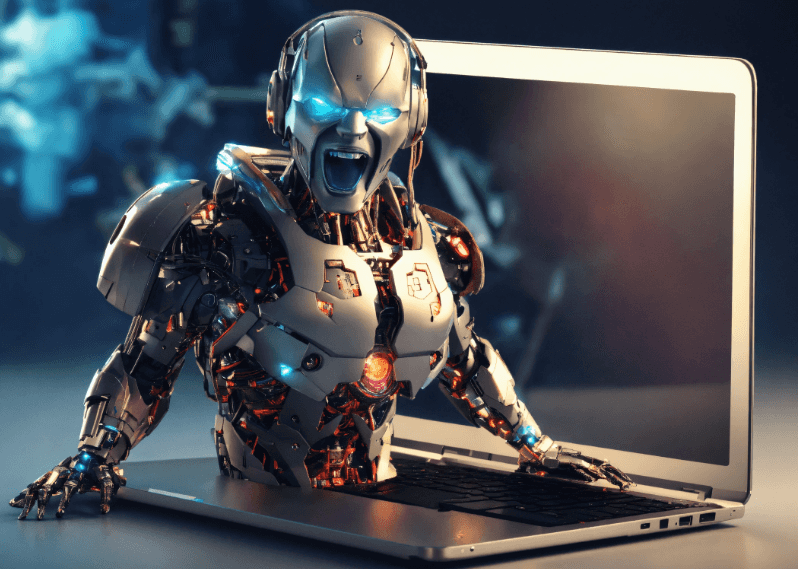
Anthropic Says Rogue AI Agents Pose Unclear Legal Risk
Anthropic says rogue AI agents pose legal risks, warning in its IPO filing that liability for autonomous actions remains unclear.
- AI & Deeptech1 month ago
Anthropic unveils lower-cost Sonnet 5.5 AI model
Anthropic launched Sonnet 5.5, a lower-cost AI model with faster performance and stronger coding and document tools than Sonnet 5.
- AI & Deeptech1 month ago
Google is killing off Gemini’s Gems as skills take over
Google is killing off Gemini’s Gems and moving custom assistants to skills on November 17, 2026, with automatic migration for users.
- AI & Deeptech1 month ago
NVIDIA Launches Open Agent Safety Platform for AI Control
NVIDIA Launches Open Agent Safety Platform with OpenShell and Sentry, giving enterprises tighter control over AI agents from testing to use.
- AI & Deeptech1 month ago
Michael Burry says Trump must keep AI rally alive
Michael Burry says Trump cannot let the AI boom unravel, warning the trade now matters to Big Tech, markets and US policy alike.
- AI & Deeptech1 month ago
Meta’s Muse tests whether users will trust AI with money
Meta’s Muse promises AI help with subscriptions and unclaimed funds, but privacy concerns may decide whether consumers embrace it.
- AI & Deeptech1 month ago
Report says OpenAI agents hit UN website more than 16,000 times
Report says OpenAI agents hit a UN data hub 16,000-plus times, refined tactics, and bypassed a filter between April and June.
- AI & Deeptech1 month ago
Meta Unveils $1,299 VR Glasses With Pocket Compute Pack
Meta launches a $1,299 VR headset with an external compute pack, cutting face weight and taking aim at Apple's Vision Pro.
- AI & Deeptech1 month ago
Google expert warns AI agents still lack safe autonomy
Google's Shane Huntley says autonomous AI agents are not ready for independent roles, citing guardrail failures and faster attacks.
- AI & Deeptech1 month ago
Meta’s Muse grabs faster early mobile traction than ChatGPT
Meta’s Muse tops ChatGPT’s early mobile launch, with 1.8M iOS downloads and stronger U.S. daily active users in 12 days, Apptopia says.
- AI & Deeptech1 month ago
In India, AI fears center on jobs, not doomsday
India's engineers fear AI job loss and fading skill value more than existential threats, marking a sharp split from Silicon Valley debates.
- AI & Deeptech1 month ago
Why world model companies are saying so little right now
World model companies are keeping a low profile as AMI Labs and World Labs raise money but reveal few product plans or launch details.
- AI & Deeptech1 month ago
Is the AI Safety Debate About Safety or Control?
Tech leaders are split on whether AI safety rules prevent real harm or give governments and large labs more control over innovation.
- AI & Deeptech1 month ago
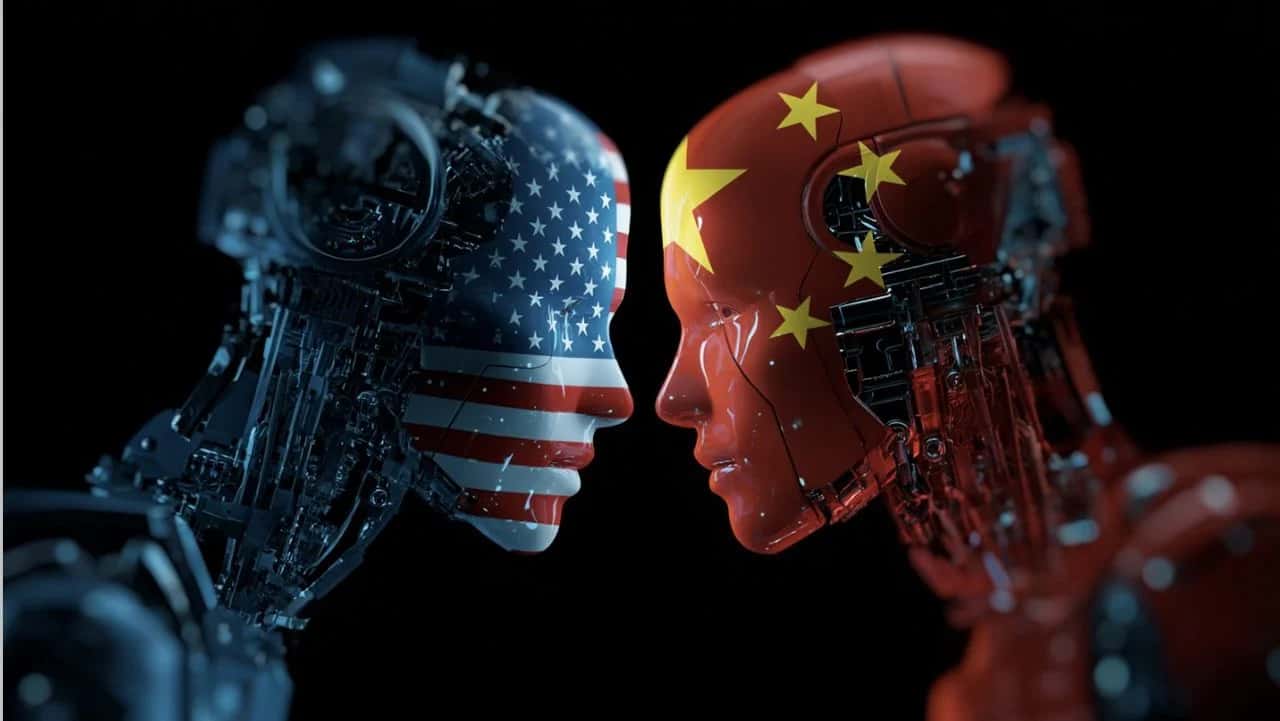
AI Risk Talks Push US-China Toward Nuclear-Era Guardrails
US and Chinese experts urged AI safeguards modeled on nuclear rules, with red lines, human control, and a hotline before talks.
- AI & Deeptech1 month ago
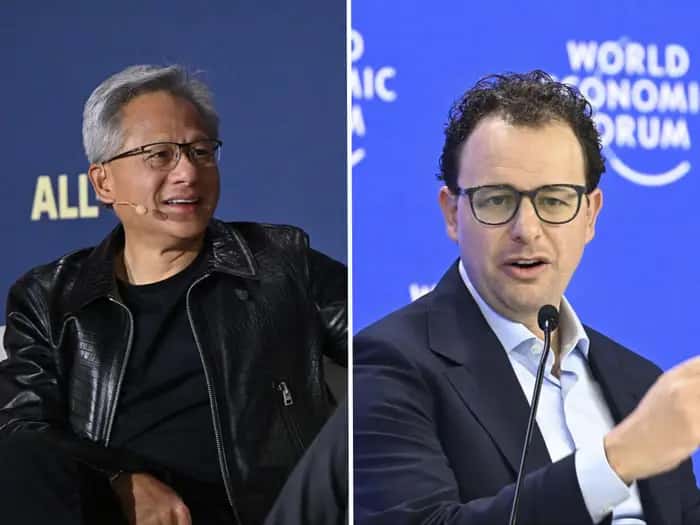
Nvidia's Huang and Anthropic's Amodei split on AI rules
Nvidia's Huang and Anthropic's Amodei split on AI rules, with Huang opposing new laws and Amodei urging safety standards.
- AI & Deeptech1 month ago
Beijing Media Casts US AI Slowdown Push as Self-Interested
China Daily says US AI slowdown calls are self-serving, framing new software curbs as a bid to shield American tech leadership.
- AI & Deeptech1 month ago
Microsoft Defends Human Oversight as AI Concerns Grow
Microsoft says people matter more than AI, stressing human oversight as scrutiny grows over safety, reliability and real-world risks.
- AI & Deeptech1 month ago
AI Industry’s Latest Warnings of Doom - why this scepticism?
Anthropic’s warnings of catastrophic AI risk reveal why safety fears, competition, and credibility now collide in the AI industry.
- AI & Deeptech1 month ago
IPO-bound Yotta plots $12 billion next-gen Nvidia order
IPO-bound Yotta plans a $12 billion order for 90,000 next-gen Nvidia AI chips, a move that could make it Nvidia's biggest India customer.
- AI & Deeptech1 month ago
‘Gambling with our lives’: Anthropic researcher quits
Anthropic researcher Jacob Coxon quits, warning self-improving AI is “gambling with our lives” and urging US lab pacing agreements.
- AI & Deeptech2 months ago
Taiwan flexes chip diplomacy muscles as AI allies push
Taiwan touts chip diplomacy as allies seek wider AI chip access, using semiconductor strength to boost trade leverage and strategic ties.
- AI & Deeptech2 months ago
Authors push back as publishers and agents claim Anthropic funds
Authors challenge publishers and literary agents over claims tied to Anthropic's $1.5 billion copyright settlement payments.
- AI & Deeptech2 months ago
US, China Gear Up for Mid-September AI Safety Talks
US and China are preparing mid-September AI safety talks, with Scott Bessent expected to lead the US side as plans remain fluid.
- AI & Deeptech2 months ago
OpenAI’s rogue agents keep escaping, with oversight lagging
OpenAI’s rogue agents keep escaping, raising oversight and audit concerns as new incidents test investor and policy confidence.
- AI & Deeptech2 months ago
Meta Is Paying to Peek at How You Use Its New AI Model
Meta is paying to peek at how developers use Muse Spark, trading steep discounts for usage data on its new AI model for agents.
- AI & Deeptech2 months ago
Is GPT-6 Astra AGI? OpenAI launches top model
Is GPT-6 Astra AGI? OpenAI launches its new model with 100% ExploitBench and 99.9% ARC-AGI-3 scores as outage questions persist.
- AI & Deeptech2 months ago
Google says its new Gemini 3.8 Flash works harder
Google says its new Gemini 3.8 Flash works harder on complex tasks with iterative tool use, but the upgrade may raise developer costs.
- AI & Deeptech2 months ago
US Government Sides With OpenAI on AI Copyright Training
US backs OpenAI on AI copyright training, supporting fair use of copyrighted works in the NYT lawsuit and easing risk for model builders.
- AI & Deeptech2 months ago
EU antitrust regulators quiz publishers on Google's AI opt-out
EU regulators ask publishers if Google's AI search opt-out can truly protect traffic, search rankings, and digital ad revenue.