

Lamborghini says EV tech ‘not mature enough,’ pushes first EV past 2030
 | Jul 15 2026 - 12:40 pm PT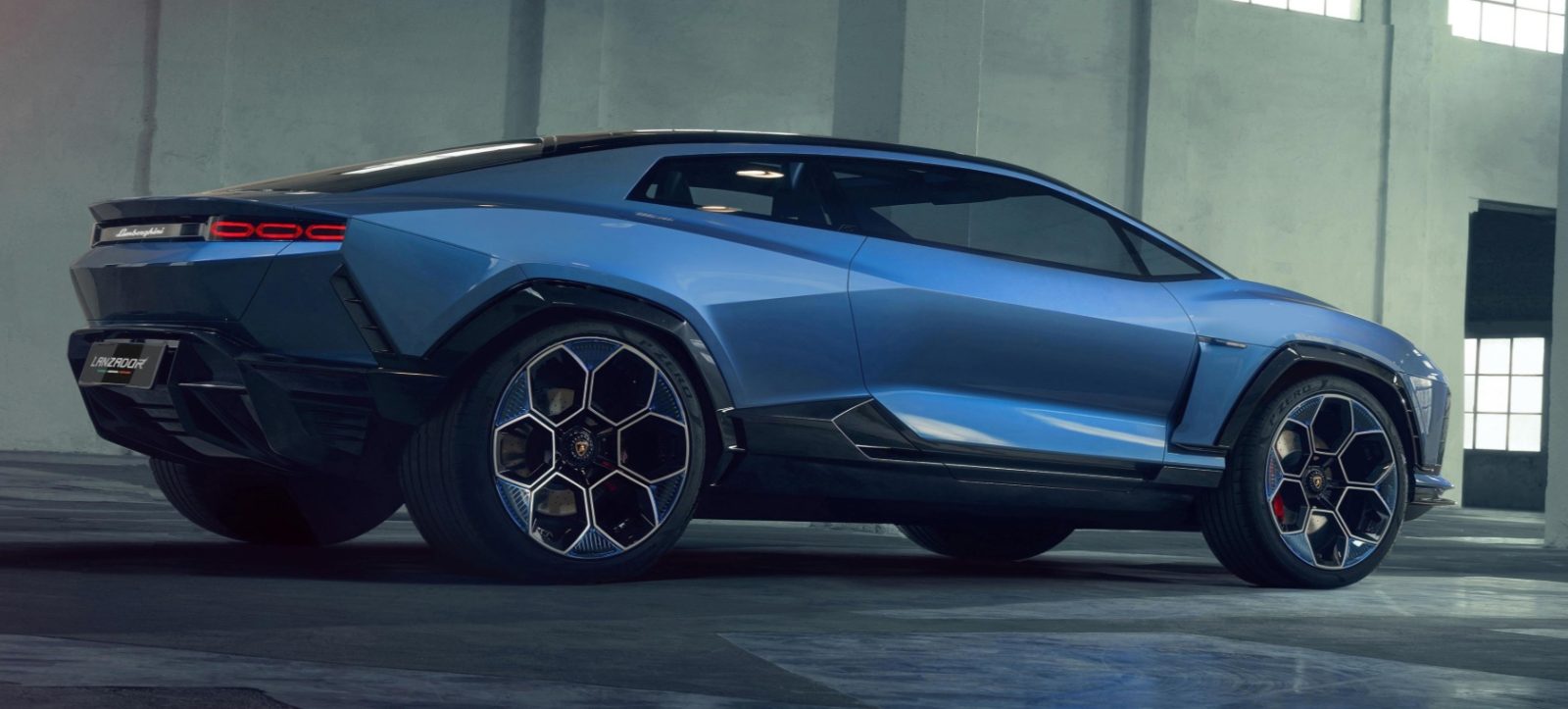
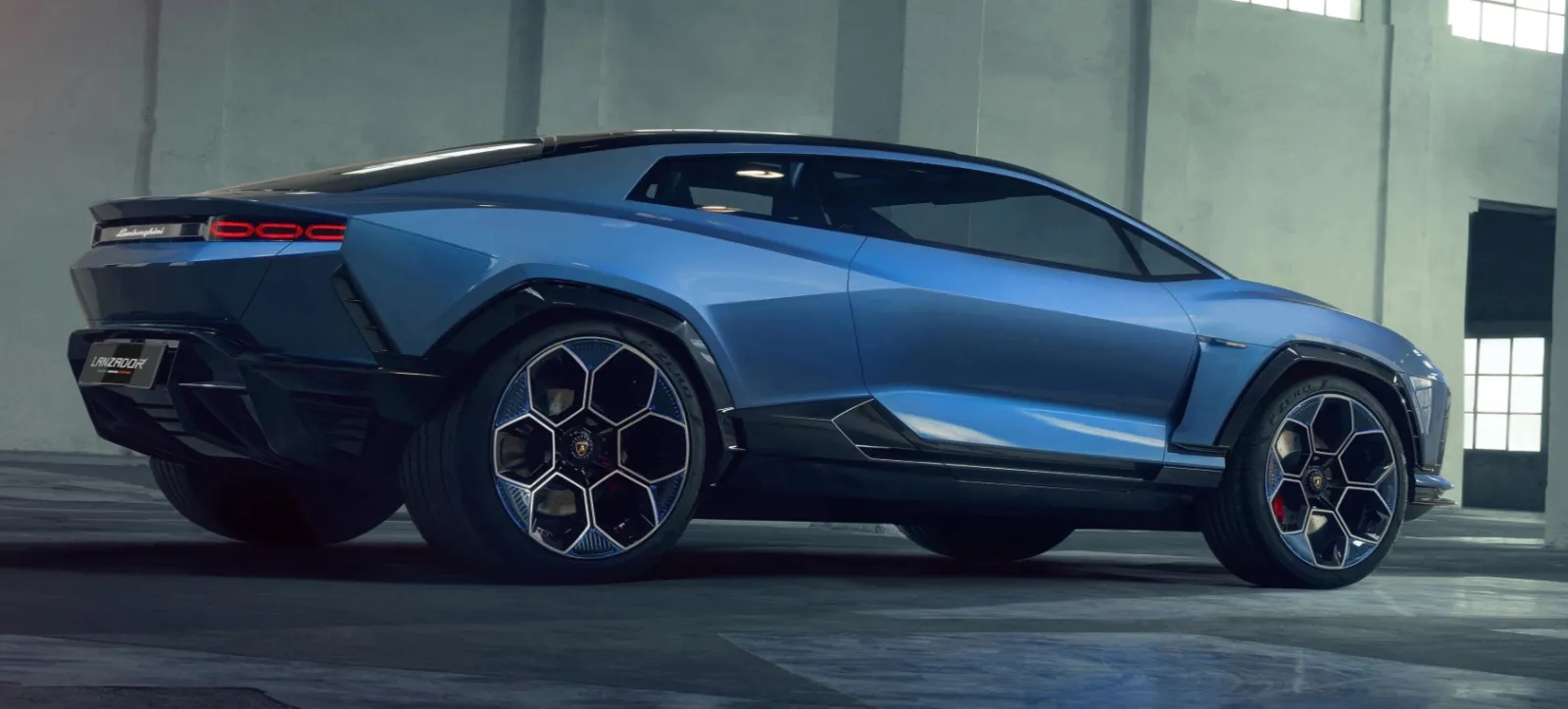
Lamborghini has doubled down on backing away from electric vehicles. A second executive now confirms the Lanzador will launch as a plug-in hybrid rather than an EV, and that the brand’s first fully electric car won’t arrive until after 2030.
The reason, according to the company, is that its customers “were not willing to buy an electric car” and that the “technology is not mature enough.”
Lamborghini moves the goalpost again
The Lanzador debuted as an all-electric 2+2 grand tourer concept at Monterey Car Week in 2023, positioned as Lamborghini’s fourth model line and its first EV. Three years later, almost nothing about that plan survives.
Stefano Cossalter, product director for the Urus and Lanzador, told What Car? that the production Lanzador will now use a plug-in hybrid powertrain instead, expected to be a version of the Urus’ 4.0-liter twin-turbo V8 PHEV setup. He said it likely won’t reach the market until the end of the decade.
This is the third time Lamborghini has walked back the Lanzador. We reported in July 2025 that the Lamborghini EV might not be electric at all after CEO Stephan Winkelmann cited a “flattening” EV acceptance curve, and the production version had already slipped from 2028 to 2029. In February, the company officially canceled the Lanzador EV, with Winkelmann calling full-EV development “an expensive hobby.”
‘You are completely missing the emotion’
What’s new is the framing. Where Winkelmann leaned on cost, Cossalter leaned on the product itself, and went further than the brand has before.
“There was little to no acceptance by our customers. There was no interest; they were not willing to buy an electric car,” Cossalter said. “We believe that, at the moment, the technology is not mature enough.”
He added that an EV can deliver “a lot of precision, a lot of power, a lot of torque,” but that “the car is really fast, but not emotional. You are completely missing the emotion.”
Cossalter also confirmed there are no plans for an electric Urus, and that the Urus will remain Lamborghini’s only SUV. Development of electric technology is continuing in the background, he said, including work on cell chemistry and software, but any fully electric Lamborghini “likely won’t arrive until after 2030.”
The rest of the segment is going the other way
Lamborghini is retreating just as its closest rivals move in the opposite direction.
The Porsche Cayenne — mechanically related to the Urus in its previous generation — now offers a fully electric variant on dedicated underpinnings. Ferrari and Bentley are both preparing their first EVs. And Chinese brands have already planted a flag in the ultra-performance space: BYD’s ultra-luxury Yangwang brand sells the U9, a roughly 1,300-horsepower electric supercar, and is expanding into Europe with its new Denza supercar. Croatia’s Rimac Nevera continues to hold multiple production-car acceleration records.
Electrek’s Take
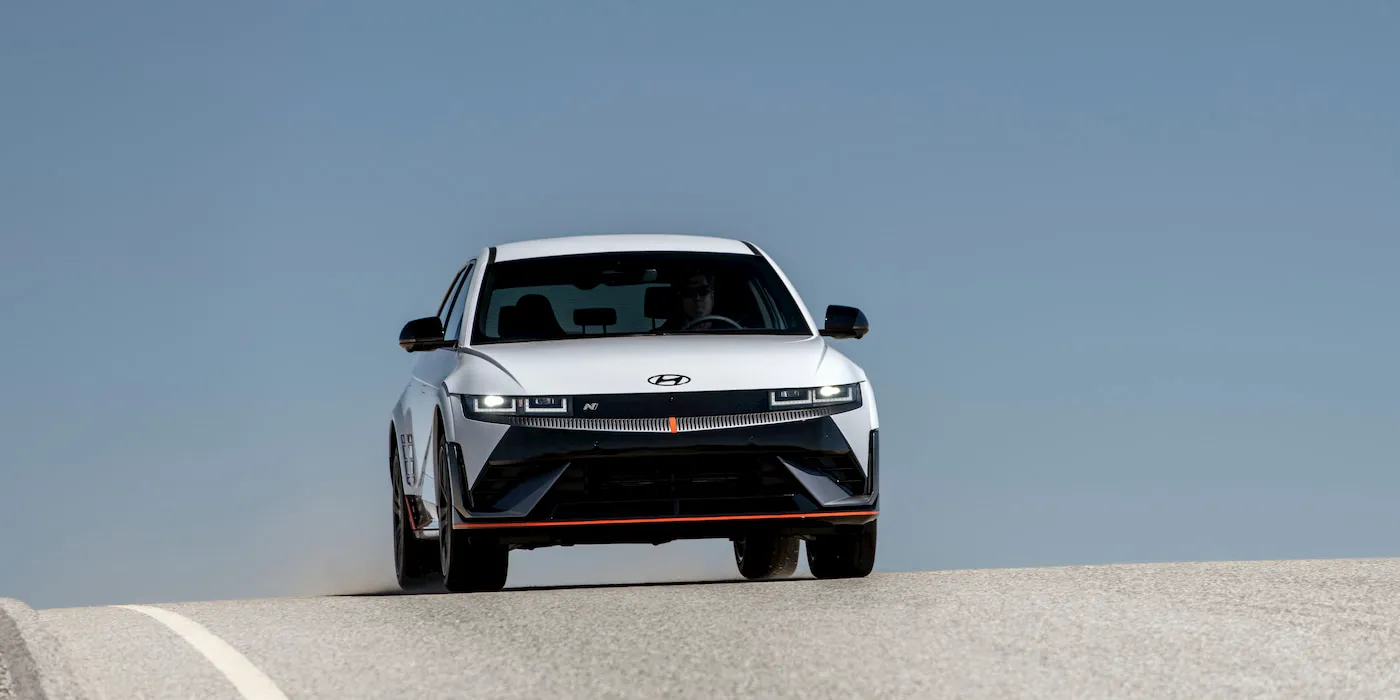
Come on, Lamborghini. The “EV has no emotion” is played out. The instant torque and flat power delivery of an EV are exactly what performance buyers pay for elsewhere, and companies like Hyundai have already shown you can bolt synthetic sound and simulated shifts on top if the “emotion” argument is really about noise.
Yes, maybe the design of the Ferrari Luce is controversial, but their own “real” sound solution for the electric powertrain is truly genius.
The Nevera and the Yangwang U9 are out there setting benchmarks today. The tech isn’t immature; Lamborghini’s customer base and its margins on V8 hybrids just aren’t ready, and “not mature enough” sounds better in an interview.
The risk is the same one we’ve flagged with every legacy-performance brand hitting the brakes: pushing a first EV past 2030 means starting from scratch against rivals who will by then have a decade of electric-performance data, software, and battery development behind them. Lamborghini says it’s still working on cell chemistry and software in the background. The question is whether “the time is right” ever arrives before someone else owns the segment.
If you’re shopping for a high-performance EV — or just want to cut the cost of charging one at home — powering it with rooftop solar is one of the smartest ways to lock in low running costs. With electricity rates climbing nearly 10% last year, home solar protects you against future rate increases. And with lease and PPA options, you can go solar with zero upfront cost and start saving immediately. If you want to find the best deal, check out EnergySage. It’s a free service with hundreds of pre-vetted installers competing for your business, so you save 20 to 30% compared to going it alone. No sales calls until you pick an installer. Get your free quotes here.


FTC: We use income earning auto affiliate links. More.
Subscribe to Electrek on YouTube for exclusive videos and subscribe to the podcast.


Source link

Comments