Tesla Driver Who Plowed Into Texas Home Was Allegedly Using ‘Autopilot’ Feature
Reading time 2 minutes
Tesla’s driver-assistance technology was allegedly involved in a crash in Katy, Texas, this past weekend that left a woman dead.
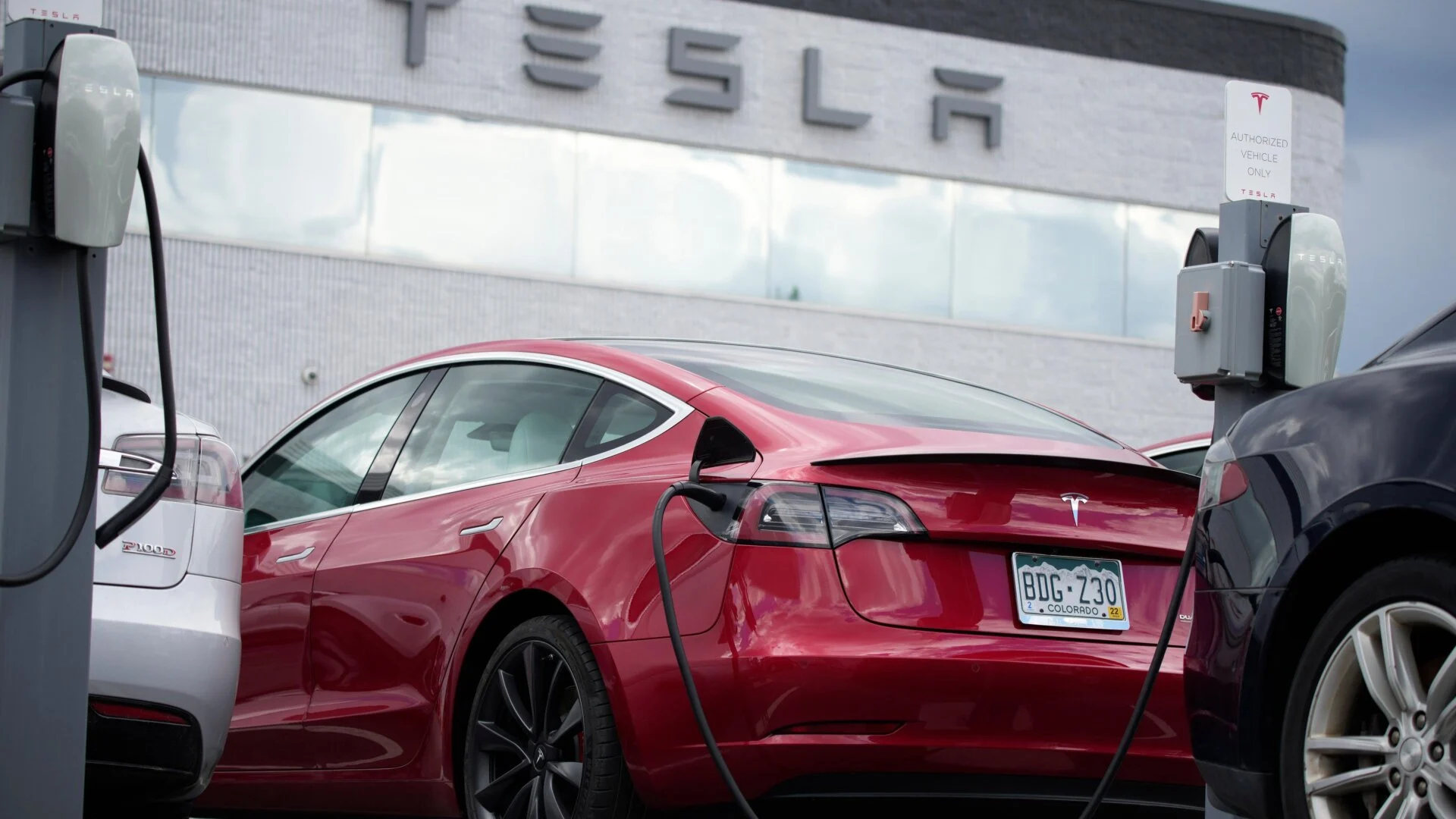
The crash happened around 8:03 p.m. on June 19, when Michael Butler, the driver of a Tesla Model 3, allegedly failed to stay in a single lane, drifted off the roadway, and crashed into a brick house at high speed, according to a news release from the Harris County Sheriff’s Office.
Butler told authorities that an automated driving-assistance system was engaged at the time of the crash, according to the sheriff’s office.
The Tesla entered the front of the home and struck and pinned Martha Avila, a woman in her mid-70s, Harris County Sheriff Ed Gonzalez posted on Facebook. Avila was taken by medical helicopter to a local hospital, where she was later pronounced dead from injuries sustained in the crash.
The crash comes as Tesla has been facing growing legal and regulatory scrutiny over its driver-assistance technology and how it is marketed.
“We’re still evaluating what caused that car to fail to control its speed just before this crash,” Sgt. Alex Turman told ABC 13 Houston.
The sheriff’s office said Butler showed no signs of intoxication and was cooperative during the investigation, which is ongoing.
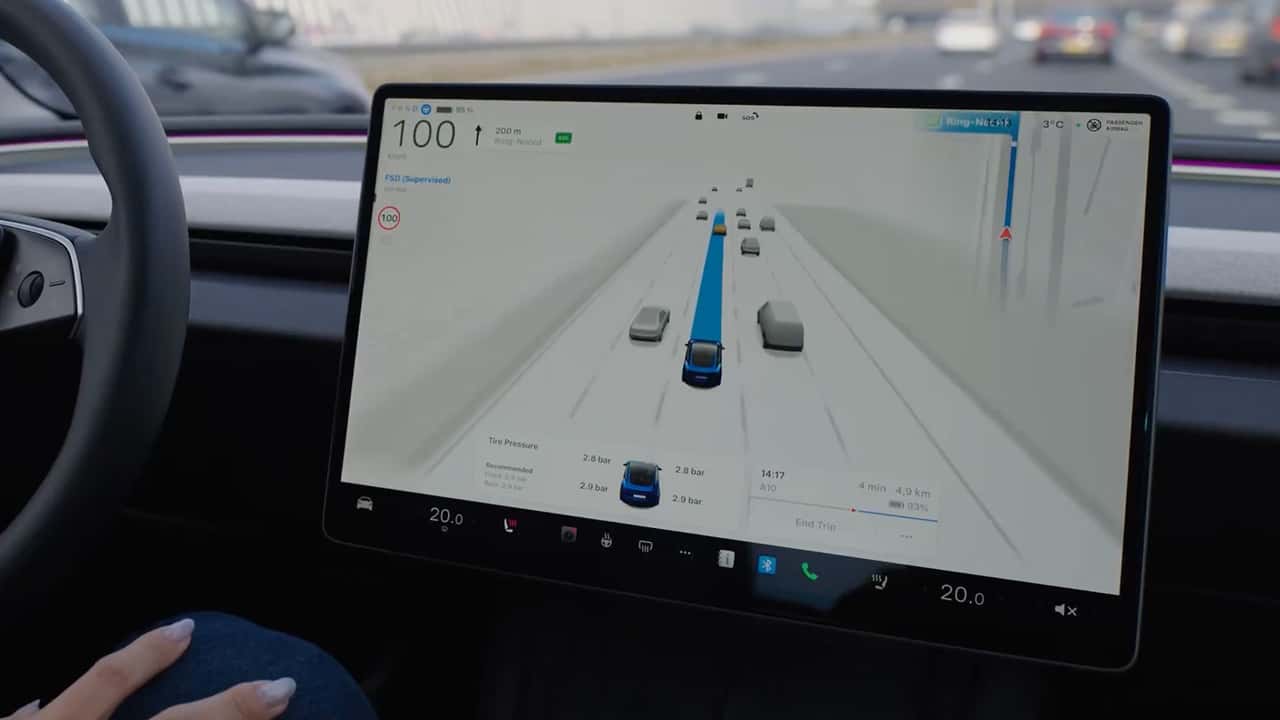
It is still unclear which Tesla feature Butler had engaged at the time of the crash. Tesla currently offers several driver-assistance features, including Traffic-Aware Cruise Control, which now comes standard on all Tesla vehicles and can maintain speed and following distance from cars ahead. Autosteer, which can help keep a vehicle centered in its lane, had previously been bundled with Traffic-Aware Cruise Control under Tesla’s Autopilot branding. But Tesla has since moved away from using the term “Autopilot” in some marketing, including in California, after regulators found the label misleading. Tesla’s more advanced Full Self-Driving (Supervised) system, available as a paid subscription service, can assist with additional driving tasks, including lane changes and responding to traffic lights and stop signs. Still, all of these features require drivers to remain attentive and be prepared to take control.
Tesla did not immediately respond to a request for comment.
This isn’t the first time Tesla’s driver-assistance systems have been implicated in a traffic crash.
Earlier this year, a judge upheld a $243 million jury verdict in a case involving a fatal 2019 crash tied to Tesla’s Autopilot feature in Florida.
Tesla is also facing a separate lawsuit in Texas over a Cybertruck crash involving its self-driving tech.
In that case, the plaintiff, Justine Saint Amour, says she purchased her Cybertruck in February 2025. A few months later, on August 18, she was driving in Houston with Autopilot engaged when she approached a Y-shaped overpass. According to the lawsuit, the vehicle failed to curve to the right and instead continued straight toward a concrete barrier and the freeway below. Saint Amour alleges she disengaged Autopilot and tried to regain control, but was unable to avoid crashing into the barrier.
The lawsuit argues that Tesla is responsible for the crash because of its engineering choices and allegedly misleading marketing.
Explore more on these topics
Sign up for our newsletters
Subscribe and interact with our community, get up to date with our customised Newsletters and much more.
Related Articles

Source link