

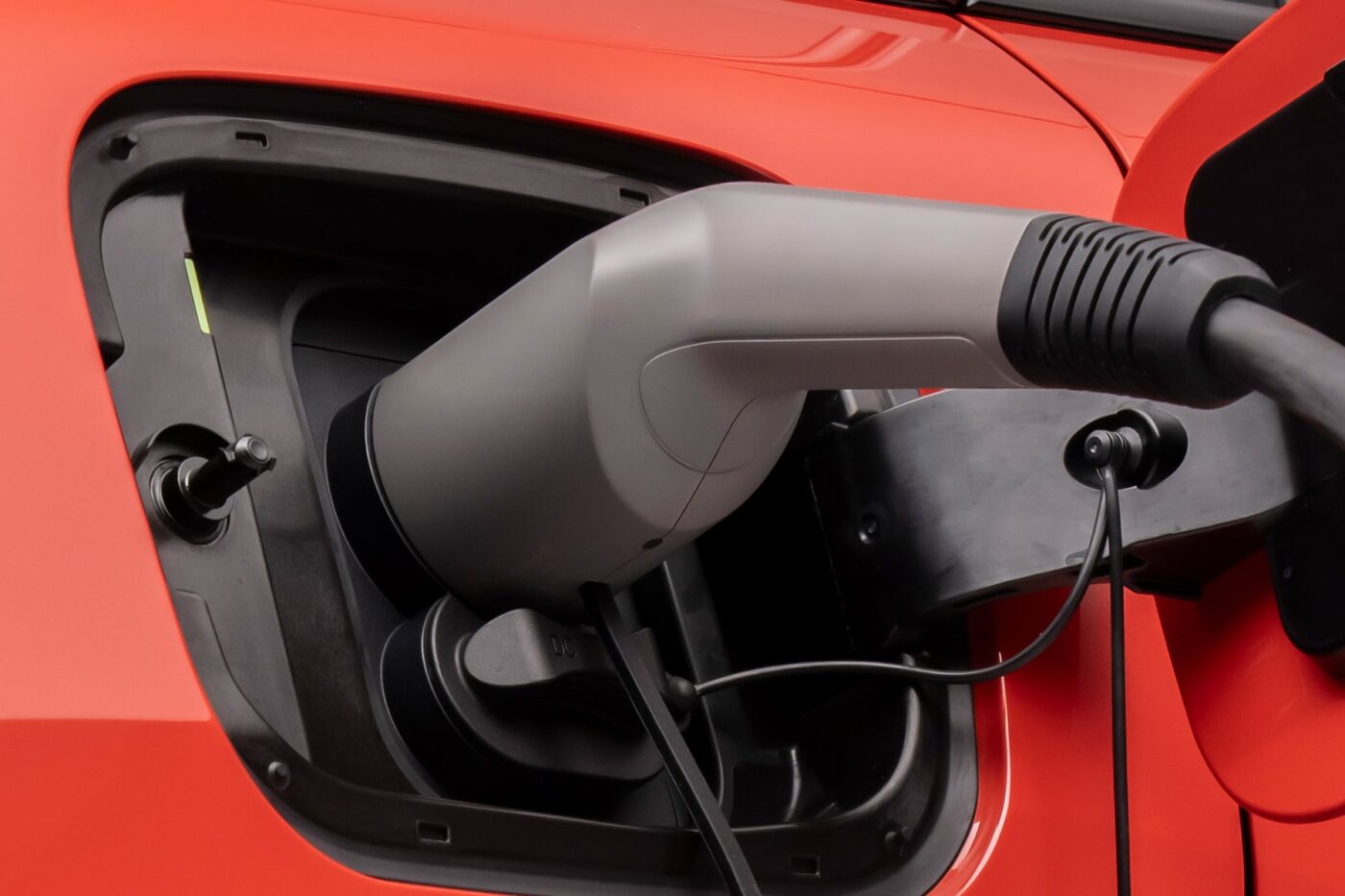
UK confirms mileage-based EV tax from 2028
Under the new framework, battery-electric vehicles will be charged 3 pence per mile, while plug-in hybrids will pay 1.5 pence per mile. The mileage-based charge will apply in addition to standard Vehicle Excise Duty. Electric vans will remain exempt.
According to the government, the new system is designed to ensure that drivers of electric vehicles contribute to road funding as fuel duty receipts decline towards zero by 2050. The government also argues that EV drivers will continue to benefit from favourable tax treatment compared with owners of petrol and diesel vehicles. More than £7.5 billion in support measures for zero-emission mobility are planned over the next decade, partly funded through the reinvestment of eVED revenues.
“While drivers of petrol and diesel vehicles contribute to the public finances through fuel duty – a tax based on how much they drive – electric vehicle users do not currently pay an equivalent usage-based tax,” the Treasury states in its response to a consultation on the scheme that ran from November 2025 to March 2026. It added that ‘there was support for the principle that motorists who drive more should make a greater contribution.’
Government drops additional checks for newer EVs
One of the most significant changes concerns vehicles under three years old. The original proposal would have required newer EVs and PHEVs to undergo additional mileage verification checks because they are not yet subject to annual MOT inspections. Following consultation feedback, the government has abandoned this requirement.
“The government has carefully considered the consultation responses and refined the proposed design,” the executive summary states. “In particular, the government will not proceed with the proposed requirement for vehicles under three years old, which are not currently required to have an annual MOT, to have additional mileage checks.”
Instead, private motorists will provide an odometer reading and an estimate of their mileage for the coming year when renewing Vehicle Excise Duty. The Driver and Vehicle Licensing Agency (DVLA) will use this information to calculate an estimated eVED liability. Mileage will later be reconciled against official records.
The consultation response also confirms plans for a voluntary connected-car option. Drivers who opt in will be able to submit mileage data directly from their vehicle using built-in connectivity systems. According to the government, the system will not be mandatory.
Fleets gain simplified reporting and payment options
The government has also introduced a series of measures specifically aimed at fleet operators, rental companies and leasing providers. Rather than requiring individual mileage submissions from drivers, fleet operators will be allowed to submit estimated mileage figures centrally.
“This feature will allow fleets to manage mileage estimation centrally, removing reliance on the driver, a key ask in consultation responses from stakeholders in the sector,” the Treasury states.
Another industry concern related to outstanding eVED liabilities when vehicles leave a fleet. Companies argued that unresolved payments could affect residual values and complicate remarketing. In response, the government will allow operators to make top-up payments before vehicles are sold, enabling liabilities to be settled before disposal.
Mixed reaction from the indutry
The British Vehicle Rental and Leasing Association (BVRLA), which had previously estimated annual compliance costs of around £260 million for the fleet sector under the original design, welcomed the changes while continuing to oppose the tax itself.
“It is great that the Government has taken some of the roughest edges off its eVED plans. They’ve accepted that a tax designed around private motorists won’t work for the fleets that are driving the UK’s transition to electric vehicles,” Toby Poston, chief executive of the BVRLA, told British media. “But there is no avoiding the fact that you can’t create a smooth switch to electric vehicles by making them more expensive to own. The mechanics of the tax may have improved, but the timing is still wrong.”
Vicky Edmonds, chief executive officer of EVA England, also criticised the policy. “This policy still does not work for drivers. The Government has made one welcome change for newer EVs, but the wider scheme remains too complex, risks leaving people out of pocket and fails to give drivers the confidence they need.”
assets.publishing.service.gov.uk (Consultation Response, PDF), fleetnews.co.uk, thisismoney.co.uk




0 Comments