In Singapore, organizations are aggressively deploying artificial intelligence (AI). However, they are facing a number of challenges hindering their efforts to scale AI initiatives, particularly regarding technical and governance issues, according to a new study by American technology company Confluent.
The study, which surveyed more than 4,600 IT leaders across 14 countries, examined the challenges enterprises face when scaling AI, and found that Singapore organizations are advancing their AI ambitions, with 75% already deploying or piloting agentic AI solutions.
However, 78% of IT leaders in Singapore cited insufficient real-time data infrastructure as a key barrier to AI adoption, while 73% outlined fragmented data ownership, and 73% highlighted lacking skills and expertise in AI management. This highlights that Singapore’s AI scaling efforts are not bottlenecked by a lack of ambition but rather foundational deficits in infrastructure, data governance, and specialized talent.
Infrastructure challenges are also slowing the deployment of agentic AI, with 95% of Singapore’s leaders experiencing or anticipating struggles with the data infrastructure and quality, 95% reporting challenges in legacy system integration, and 93% citing large language model (LLM) reliability. As a result, over 73% reported stalled agentic AI projects, with half completely abandoning the work.
Governance issues and cyber risks
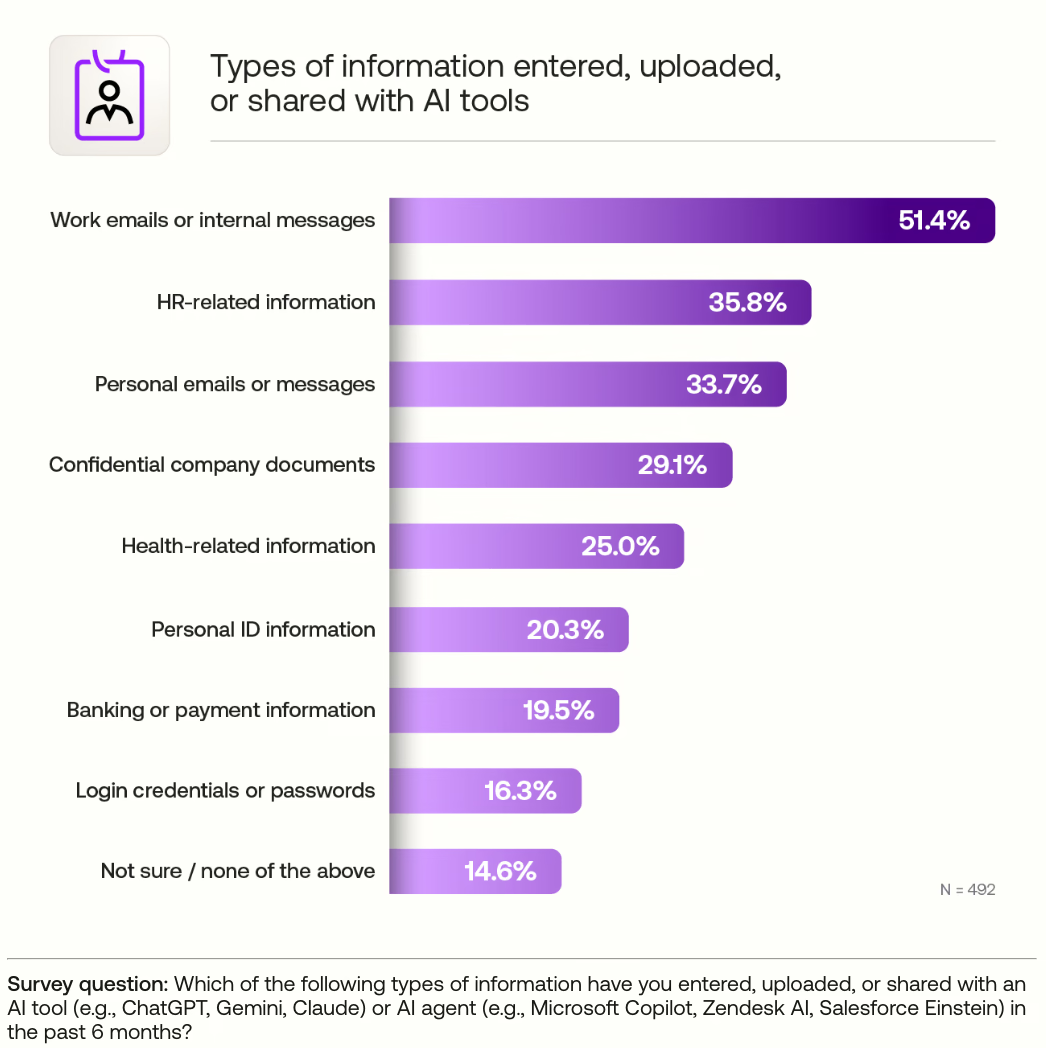
Governance is another critical hurdle. A recent survey by Okta polled 292 executives and 492 knowledge workers and found that only about half of organizations worldwide have established clear AI usage policies.
Unclear governance is driving high-risk security behaviors. Findings from the study show that employees regularly share sensitive company and personal data with AI tools including work emails or internal messages (51.4%), HR-related information (35.8%), confidential company documents (29.1%), health-related information (25%), personal ID information (20.3%), and login credentials and passwords (16.3%).
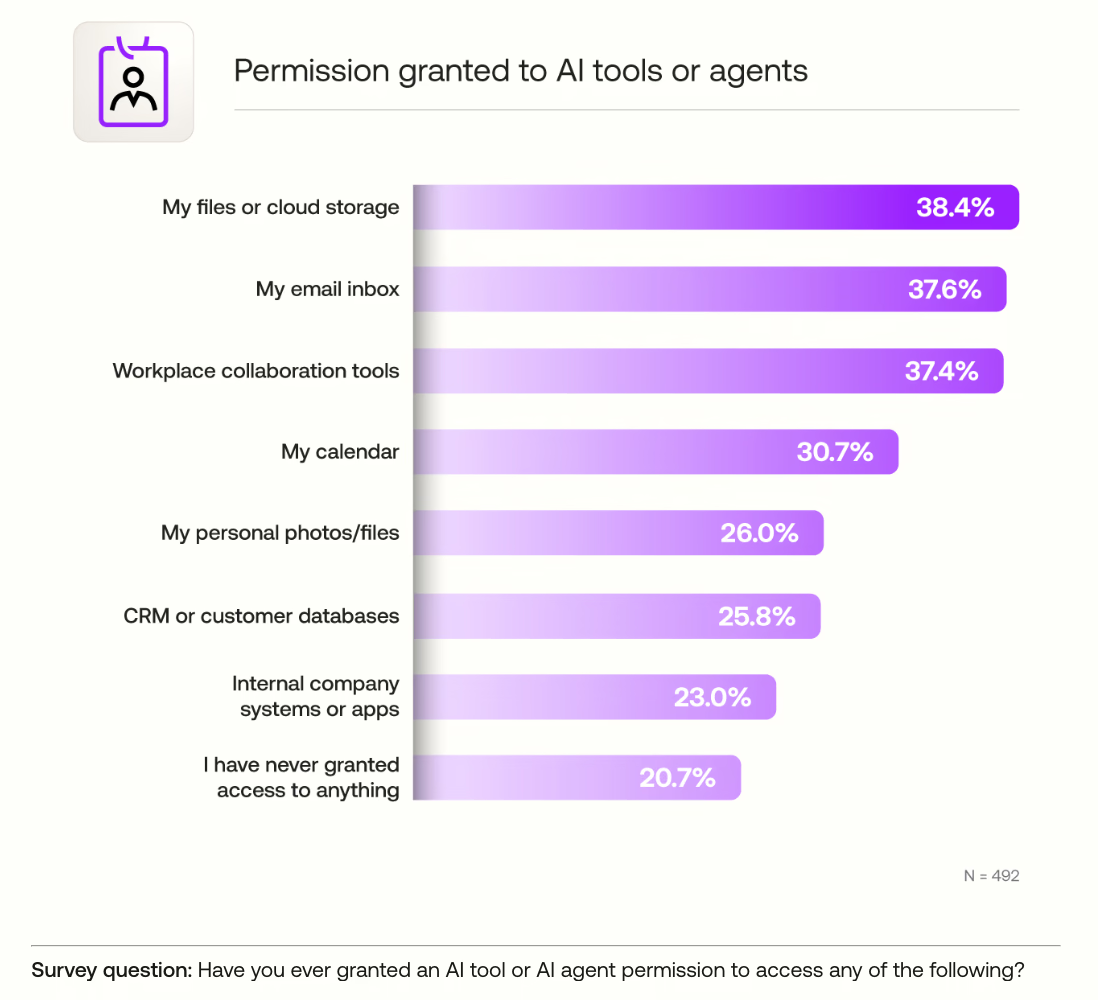
The risk extends beyond just data as workers also grant AI tools access to critical internal systems, including files or cloud storage (38.4%), email inboxes (37.6%), workplace collaboration tools (37.4%), and calendars (30.7%).
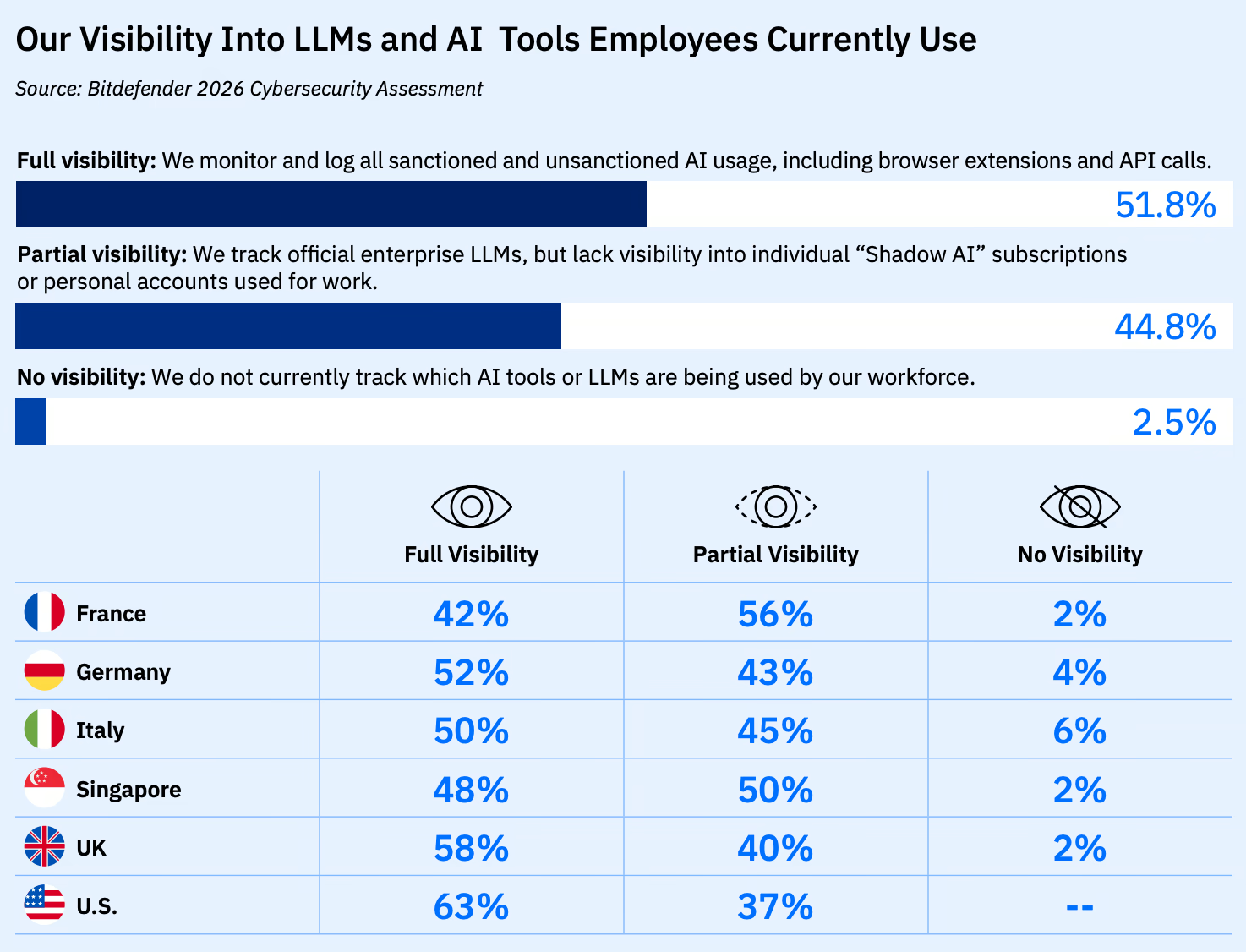
These challenges are compounded by limited visibility into employees’ usage of AI. A recent Bitdefender study of 1,200 IT and cybersecurity professionals found limited insight into employees’ use of AI, with only 48% of Singapore organizations reporting full visibility into the AI tools and LLMs their employees use for work.
The Confluent study echoes these concerns, with IT leaders emphasizing the urgent need for transparency. More than four in five (86%) Singapore IT leaders rated continuous and up-to-date business visibility as a top business priority.
That push is also bringing data sovereignty and provenance into sharper focus. 86% said effective management of data sovereignty is important, alongside 82% valuing effective data provenance and tracking capabilities.
Amid these infrastructure challenges, investment priorities are shifting. 86% of Singapore leaders ranked data streaming as an investment priority, alongside AI and machine learning solutions (85%) and data management and governance (90%).
Data streaming refers to the continuous, real-time movement and processing of data as it is generated, rather than storing it for later batch processing. These platforms are highlighted as essential infrastructure for enabling AI systems because they provide immediate access to trusted, contextualized data, overcoming legacy system integration challenges and improving LLM reliability.
Singapore ramps up AI push
Despite these challenges, Singapore is ramping up its push for AI adoption, especially among small and medium-sized enterprises (SMEs).
At Asia Tech x Singapore in May, Senior Minister of State for Digital Development and Information Tan Kiat How announced initiatives to help enterprises adopt AI with confidence, strengthen cyber resilience and future-proof Singapore’s digital infrastructure, the Business Times reports. These include new partnerships with Grab and RSM Stone Forest IT under the Digital Enterprise Blueprint (DEB).
These partnerships will provide SMEs with hands-on guidance, practical tools, and technical expertise to adopt AI confidently while strengthening cyber resilience.
Grab will launch the Grab AI Programme for SMEs, in collaboration with Infocomm Media Development Authority (IMDA), to reach 10,000 food and beverage (F&B), e-commerce and retail SMEs through a range of initiatives. The program will offer free online training videos, complimentary masterclasses and webinars, and will include a structured two-day AI course co-developed with the Singapore University of Technology and Design.
Meanwhile, RSM will roll out the RSM Cyber2SME Programme, providing complimentary phishing simulation exercises to 2,000 SMEs to help them identify organizational vulnerabilities and strengthen their cyberdefense posture.
Launched in 2024, DEB sets out Singapore’s strategy to support SMEs in digitalization and the adoption of AI-enabled solutions. More than 26,000 SMEs have so far benefited from the program.
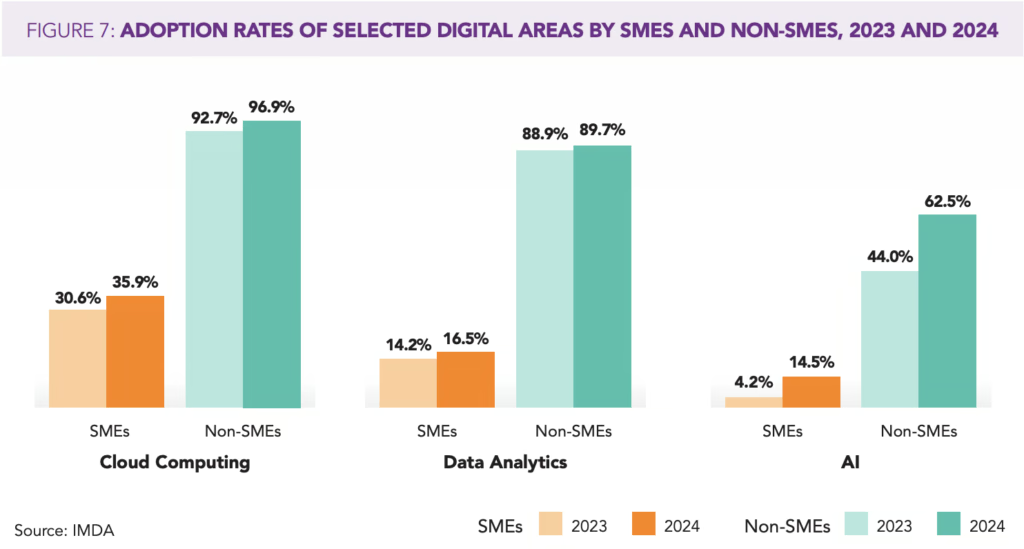
Adoption of AI by businesses in Singapore have accelerated over the past years. Among SMEs, the AI adoption level tripled from 4.2% in 2023 to 14.5% in 2024, according to a study by IMDA. The share of non-SMEs that adopted AI also increased substantially, rising by around 20 points from 44% in 2023 to 62.5% in 2024.
Featured image: Edited by Fintech News Singapore, based on image by thanyakij-12 via Magnific
The post Infrastructure Challenges Hinder Singaporean Organizations from Scaling AI Initiatives appeared first on Fintech Singapore.
Source link