A Lithuanian startup developed an Android app that lets verified users monitor the general area for the acoustic signature of Shahed-type drones used by Russia to strike targets and report their approximate location. According to state broadcaster Lithuanian National Radio and Television, the app uses an embedded algorithm to isolate and analyze targets from environmental noise. It reports a possible detection on a public map. With the app running on enough devices, the system could determine the potential location and direction of these drones and warn both civilians and the military of an impending strike.
Shahed-type drones have been widely employed in Russia’s invasion of Ukraine, which is quite effective for its relatively low price compared to other, more advanced missile systems. Ukraine has been taking steps to counter this threat, including requiring users inside the country to register their Starlink units to avoid getting blocked because Russia has been using the service to guide its drones as late as last year. Other nations are experimenting with cost-effective countermeasures, too, including microwave drone swarm killers and man-portable anti-drone laser systems.
What makes these drones deadly is their price — because they’re so cheap, it’s easy for an enemy to launch them en masse and overwhelm defenses. However, if you can catch them far from their targets, they’re quite vulnerable (at least for the older propeller-driven models); even gunners armed with a shotgun or assault rifle seated inside a 50-year-old single-propeller trainer aircraft can reliably shoot them down.

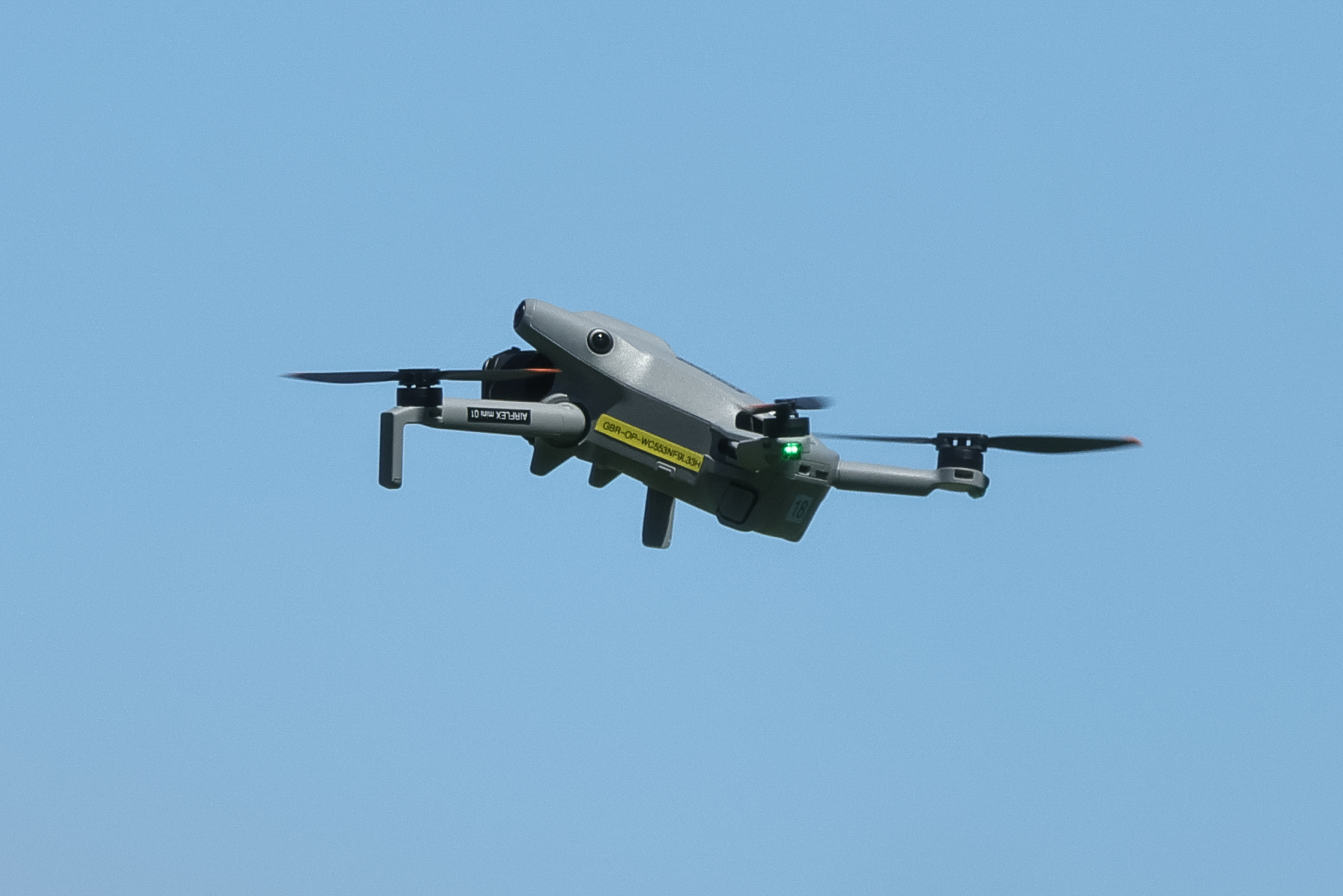
The biggest issue for air defense systems is that these drones are quite small and made of lightweight materials, which gives them a relatively low radar cross-section (RCS). A Shahed-type drone usually measures around eight to 12 feet in length and has a wingspan of around eight feet. Although they could be detected by standard radar systems, their speed and size mean that the radar receiver would also pick up a lot of other clutter, such as birds, making it hard to distinguish relevant targets from background noise. These characteristics, combined with their low flight cruising altitude, mean that ground-based radars have trouble picking them up unless they’re flying relatively close.
However, their low flight path also means that they could easily be heard by observers on the ground. So, if enough people can detect their aural signature and report it to a central database, defense forces could mobilize and engage these threats while they’re still distant from their targets and away from population centers. This is similar to the acoustic mirrors and acoustic locators that militaries used in World War I before the advent of radar, wherein they built massive concrete dishes aimed upward, or used smaller, more portable metal horn arrays, crewed by trained personnel listening in to detect the low-frequency sound coming from aircraft piston engines from far away.
We expect this to be far more accurate, though, because it uses advanced algorithms and thousands of detectors operated by verified users. While using this system alone is probably not enough to accurately detect these drones, pairing it with modern radar systems could make the radar operators’ job far easier, as they would have another data source to confirm whether they’re actually seeing drones on their screens or just a flock of birds.

Follow Tom's Hardware on Google News, or add us as a preferred source, to get our latest news, analysis, & reviews in your feeds.

Source link