AI applications, data centres and EVs to drive India's next capex cycle: ICICI Securities
According to Vinod Karki, Head-Strategy at ICICI Securities, the combination of steady government investment and rising participation from new-age sectors could help sustain India's capex cycle even as traditional infrastructure spending growth slows.

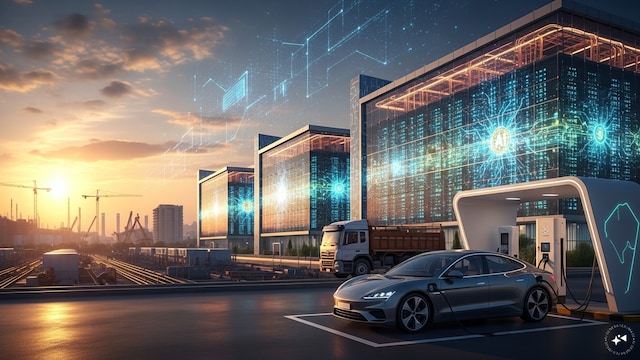
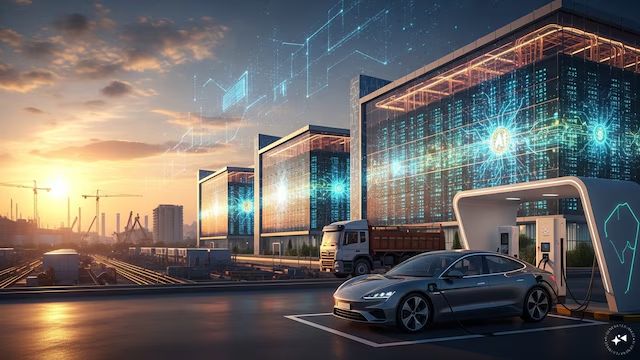
India's investment cycle is broadening beyond traditional capital-intensive industries, with sectors such as artificial intelligence (AI) applications, data centres, electric vehicles (EVs), green energy and global capability centres (GCCs) expected to play a larger role in driving corporate spending over the coming years, according to Vinod Karki, Head-Strategy at ICICI Securities.
Karki expects investments in emerging sectors to accelerate as companies expand capacity and adopt new technologies. While India may not yet be seeing the scale of AI infrastructure spending witnessed in the US, investments in AI applications, data centres and related services are likely to gather pace and support the next phase of the capex cycle.
"If you look at the latest GDP number itself, the gross fixed capital formation was what was leading the growth," he said.
Karki noted that the investment revival is no longer restricted to sectors such as utilities, industrials and metals. Companies in discretionary consumption, healthcare and auto ancillaries are also increasing capital expenditure despite not being traditionally capital-intensive businesses.
Karki said India is largely missing the large-scale AI infrastructure buildout seen in the US, where spending on AI data centres and computing capacity has become a major growth driver. However, he believes India is well positioned to benefit from the adoption and commercialisation of AI technologies.
"AI infrastructure may not be there, but the AI application is there," Karki said, pointing to investments by IT services companies, telecom firms and industrial businesses in data centres and AI-linked opportunities.
He added that data centres are emerging as an important investment theme as companies seek to support digital infrastructure and rising computing requirements. Several listed companies have either announced investments in data centres or are positioning themselves within the ecosystem through equipment and service offerings.
Karki expects capital expenditure growth to moderate after several years of rapid expansion. He said fiscal resources may increasingly be directed towards areas such as food and fertiliser subsidies amid concerns over weather-related risks and the possibility of a strong El Niño event.
However, he believes the government's focus on strategic sectors will remain intact.
"The focus on investing in the country for self-reliance across sectors which are critical in the sense of energy, power, defence, all that will continue," Karki said.
For the full interview, watch the accompanying video Catch all the latest updates from the stock market here
Karki expects investments in emerging sectors to accelerate as companies expand capacity and adopt new technologies. While India may not yet be seeing the scale of AI infrastructure spending witnessed in the US, investments in AI applications, data centres and related services are likely to gather pace and support the next phase of the capex cycle.
The optimism comes as corporate investment continues to grow faster than the broader economy. According to Karki, capex by listed companies reached nearly ₹13 trillion in the financial year 2025-26 (FY26), representing about 14% growth on a like-for-like basis.
"If you look at the latest GDP number itself, the gross fixed capital formation was what was leading the growth," he said.
Karki noted that the investment revival is no longer restricted to sectors such as utilities, industrials and metals. Companies in discretionary consumption, healthcare and auto ancillaries are also increasing capital expenditure despite not being traditionally capital-intensive businesses.
Karki said India is largely missing the large-scale AI infrastructure buildout seen in the US, where spending on AI data centres and computing capacity has become a major growth driver. However, he believes India is well positioned to benefit from the adoption and commercialisation of AI technologies.
"AI infrastructure may not be there, but the AI application is there," Karki said, pointing to investments by IT services companies, telecom firms and industrial businesses in data centres and AI-linked opportunities.
He added that data centres are emerging as an important investment theme as companies seek to support digital infrastructure and rising computing requirements. Several listed companies have either announced investments in data centres or are positioning themselves within the ecosystem through equipment and service offerings.
Karki expects capital expenditure growth to moderate after several years of rapid expansion. He said fiscal resources may increasingly be directed towards areas such as food and fertiliser subsidies amid concerns over weather-related risks and the possibility of a strong El Niño event.
However, he believes the government's focus on strategic sectors will remain intact.
"The focus on investing in the country for self-reliance across sectors which are critical in the sense of energy, power, defence, all that will continue," Karki said.
For the full interview, watch the accompanying video
Source link