India at risk if it depends on foreign AI, must build domestic models: Vishal Sikka
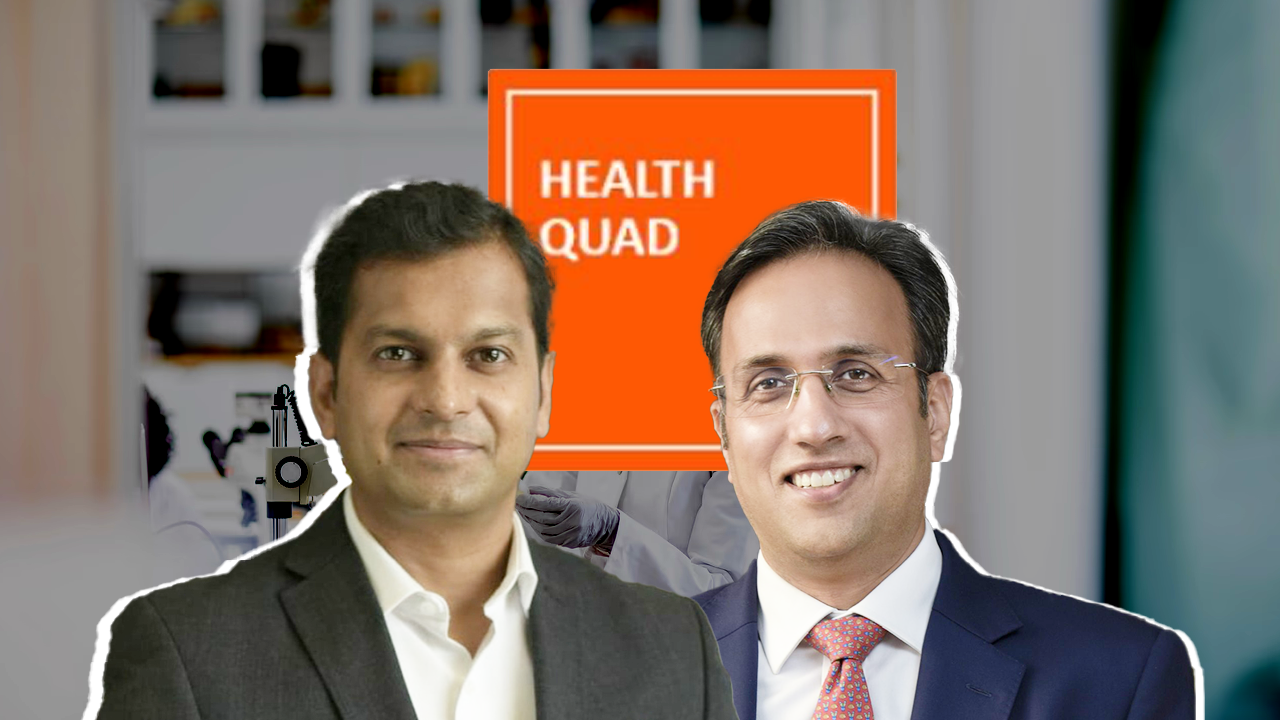
Vianai Systems founder Vishal Sikka says India remains in the early stages of the AI race and must invest in indigenous models, long-term research and strategic bets to avoid becoming dependent on foreign technologies.
4 Min Read



India cannot afford to surrender any layer of the artificial intelligence stack and needs to build more home-grown foundation model companies like Sarvam, according to Vianai Systems founder and CEO Vishal Sikka, who believes AI self-reliance will become increasingly important in a world shaped by technology restrictions and geopolitical uncertainties.
Speaking exclusively to CNBC-TV18, Sikka said India is too large and strategically important to depend entirely on foreign AI models.
His remarks come after HCLTech picked up a 10.5% stake in Sarvam, one of India's frontier AI model developers. Sikka said such strategic bets would become increasingly necessary as countries seek greater control over critical technologies.
"I met Roshni Nadar back in February. I think what she has done is exactly right," Sikka said. "That's why it's a good thing that Sarvam is doing what they are doing. We need a lot more of that."
Why does India need its own AI models?
According to Sikka, AI is no longer just a technological issue but a sovereign priority. Restrictions on access to advanced models by governments around the world could leave countries vulnerable if they do not possess indigenous capabilities.
"We have to have control of our destiny on this front," he said. "We have to be prepared that any of these kinds of decisions, any of these lightning bolts, can drop at any time."
He added that "having independence there, having our own Atmanirbharta, would be absolutely critical."
India is still in the early stages of the AI race
Despite rapid advances in AI, Sikka believes the industry remains in its infancy.
"We are still very early. It is still maybe the second over of a T20 match, maybe the third over. There are still many overs to go," he said.
Challenges around power consumption, hallucinations and improving AI's understanding of the world still require years of work, he noted.
"We should be working on those and, of course, on the applications of it. I think all of this has to happen at the same time," he said.
AI talent remains concentrated among a few
Sikka warned that the AI ecosystem suffers from a severe imbalance in talent.
Out of the world's eight billion people, only around two million can build AI applications, he said. The number capable of working with AI models is roughly 250,000, while only about 5,000 people globally can build foundation models.
"So, this is an unbelievably asymmetric situation," Sikka said.
He added that a large part of the world remains unaware of the pace of AI development, even as breakthroughs occur almost daily in Silicon Valley.
"I think fixing that asymmetry is a very, very important problem. That is something also for India," he said.
Government understands the stakes
Sikka said India is fortunate to have policymakers who recognise the importance of AI.
"When you listen to the Prime Minister, when you listen to Ashwini Vaishnaw, the leaders in India know the stakes and what needs to be done," he said.
However, he argued that the country also needs entrepreneurs and investors willing to make long-term bets.
Borrowing a line from ice hockey legend Wayne Gretzky, Sikka said successful innovation requires anticipating where technology is headed.
"You have to have people who understand where these trends are headed and place two-, three-, and four-year-out bets," he said.
Better AI technologies are still ahead
Sikka also questioned the sustainability of today's compute-intensive AI systems.
"This idea that every time you write a prompt and thousands of GPUs burn, and then you make a minor change to the prompt and another thousand GPUs are burning, is complete nonsense," he said.
He believes future AI systems will become much more efficient and that India should participate in developing those next-generation technologies rather than merely consuming them.
Speaking exclusively to CNBC-TV18, Sikka said India is too large and strategically important to depend entirely on foreign AI models.
"It is a fallacy that we should not work on foundation models," he said. "One, you have to have your own foundation models. We are too big and too important to let go of that."
His remarks come after HCLTech picked up a 10.5% stake in Sarvam, one of India's frontier AI model developers. Sikka said such strategic bets would become increasingly necessary as countries seek greater control over critical technologies.
"I met Roshni Nadar back in February. I think what she has done is exactly right," Sikka said. "That's why it's a good thing that Sarvam is doing what they are doing. We need a lot more of that."
Why does India need its own AI models?
According to Sikka, AI is no longer just a technological issue but a sovereign priority. Restrictions on access to advanced models by governments around the world could leave countries vulnerable if they do not possess indigenous capabilities.
"We have to have control of our destiny on this front," he said. "We have to be prepared that any of these kinds of decisions, any of these lightning bolts, can drop at any time."
He added that "having independence there, having our own Atmanirbharta, would be absolutely critical."
India is still in the early stages of the AI race
Despite rapid advances in AI, Sikka believes the industry remains in its infancy.
"We are still very early. It is still maybe the second over of a T20 match, maybe the third over. There are still many overs to go," he said.
Challenges around power consumption, hallucinations and improving AI's understanding of the world still require years of work, he noted.
"We should be working on those and, of course, on the applications of it. I think all of this has to happen at the same time," he said.
AI talent remains concentrated among a few
Sikka warned that the AI ecosystem suffers from a severe imbalance in talent.
Out of the world's eight billion people, only around two million can build AI applications, he said. The number capable of working with AI models is roughly 250,000, while only about 5,000 people globally can build foundation models.
"So, this is an unbelievably asymmetric situation," Sikka said.
He added that a large part of the world remains unaware of the pace of AI development, even as breakthroughs occur almost daily in Silicon Valley.
"I think fixing that asymmetry is a very, very important problem. That is something also for India," he said.
Government understands the stakes
Sikka said India is fortunate to have policymakers who recognise the importance of AI.
"When you listen to the Prime Minister, when you listen to Ashwini Vaishnaw, the leaders in India know the stakes and what needs to be done," he said.
However, he argued that the country also needs entrepreneurs and investors willing to make long-term bets.
Borrowing a line from ice hockey legend Wayne Gretzky, Sikka said successful innovation requires anticipating where technology is headed.
"You have to have people who understand where these trends are headed and place two-, three-, and four-year-out bets," he said.
Better AI technologies are still ahead
Sikka also questioned the sustainability of today's compute-intensive AI systems.
"This idea that every time you write a prompt and thousands of GPUs burn, and then you make a minor change to the prompt and another thousand GPUs are burning, is complete nonsense," he said.
He believes future AI systems will become much more efficient and that India should participate in developing those next-generation technologies rather than merely consuming them.
Source link