Tech
O2 joins UK 2G switch-off with summer 2029 start date


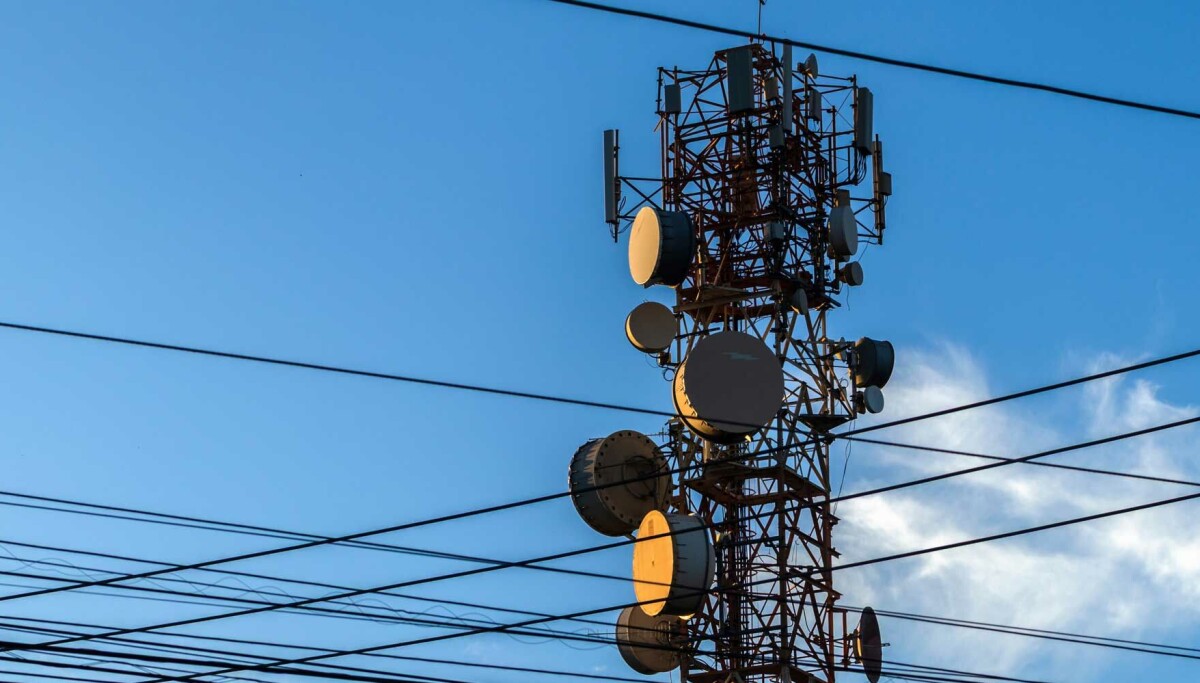
Virgin Media O2 (VMO2) will switch off its 2G network starting in summer 2029, meaning that anyone still operating devices that use the technology must start planning an upgrade. The UK network operator says it will start to switch off its 2G signal in 2029 as part of an ongoing mobile transformation plan. This will see it expand and upgrade its 4G and 5G support, leading to reduced energy consumption and a faster and more reliable service for customers. 2G cell networks first started operating in Britain back in 1992, meaning the technology will have been around for nearly four decades by the time it is phased out. O2 can trace its roots to Cellnet, which launched as a joint venture between British Telecom and Securicor in January 1985. Cellnet introduced its digital GSM network in December 1993, before BT bought out Securicor, renamed the business BT Cellnet, and later spun it off as O2. All of this stems from plans announced back in 2021 by the previous UK government for all 2G and 3G mobile networks to be phased out of use by 2033. All of the major networks had managed to phase out 3G services by the end of 2025, but 2G is proving more problematic. This is because many devices have come to rely on the 2G service as a a low-power, cost-effective conduit for small volumes of data. In the UK, this includes such hardware as smart meters installed by utilities, telecare alarms and other medical devices, and many Internet of Things (IoT) devices. The topic was covered by The Register a couple of years ago, when a Parliamentary committee questioned what was going to happen when millions of smart meters lost their connection back to the mothership. The big three network operators – VMO2, BT/EE, and VodafoneThree – signed a government 2G switch-off charter earlier this year, undertaking to ensure that the switch-off takes place safely and effectively for all users of 2G services, including for vulnerable users, life-critical systems, and critical national infrastructure (CNI). The operators also agreed to publicly announce the end date of their 2G services a minimum of three years before it happens. BT/EE will begin closing its network from May 2029, and Vodafone will switch off in spring 2030, well ahead of the government deadline. Another undertaking is that the telcos will verify that "reliable 4G and/or 5G coverage" is present for their network before switching off the old service. From Reg reader comments on earlier articles, we understand that many locations in the country still lack a 4G signal, so this will be interesting to follow. But don't worry – they also agreed to encourage suppliers and customers to "upgrade and/or mitigate 2G devices" well ahead of the doomsday date. VMO2 says its 2G service currently carries less than 0.5 percent of all data traffic across its mobile network and is already closed for international roaming. By reallocating the spectrum to more efficient 4G and 5G services and replacing old network equipment, it claims the switch-off will allow it to provide customers with faster and more reliable connectivity. PP Foresight founder and analyst Paolo Pescatore told us that O2's 2029 date is an important marker that the switch-off is now moving from theory to reality. "But this is not just about old phones. There are still many devices and services that need to be supported through the transition, from smart meters and telecare alarms to payment terminals, security systems and enterprise IoT estates," he said. Not all smart meters will need to be replaced. In many cases, the communications hub can be upgraded, Pescatore added. "But a clear program is needed to identify which devices can be migrated, which need a new 4G communications hub, and which require a full meter replacement." "The clock is now ticking for utilities, local authorities, healthcare providers, alarm companies and businesses to map their 2G estates and act early. Arguably, now is the time to fully migrate to 4G communications hubs to ensure a smoother transition and make these services more future-proof." ®
Source link
Disclaimer
We strive to uphold the highest ethical standards in all of our reporting and coverage. We StartupNews.fyi want to be transparent with our readers about any potential conflicts of interest that may arise in our work. It's possible that some of the investors we feature may have connections to other businesses, including competitors or companies we write about. However, we want to assure our readers that this will not have any impact on the integrity or impartiality of our reporting. We are committed to delivering accurate, unbiased news and information to our audience, and we will continue to uphold our ethics and principles in all of our work. Thank you for your trust and support.