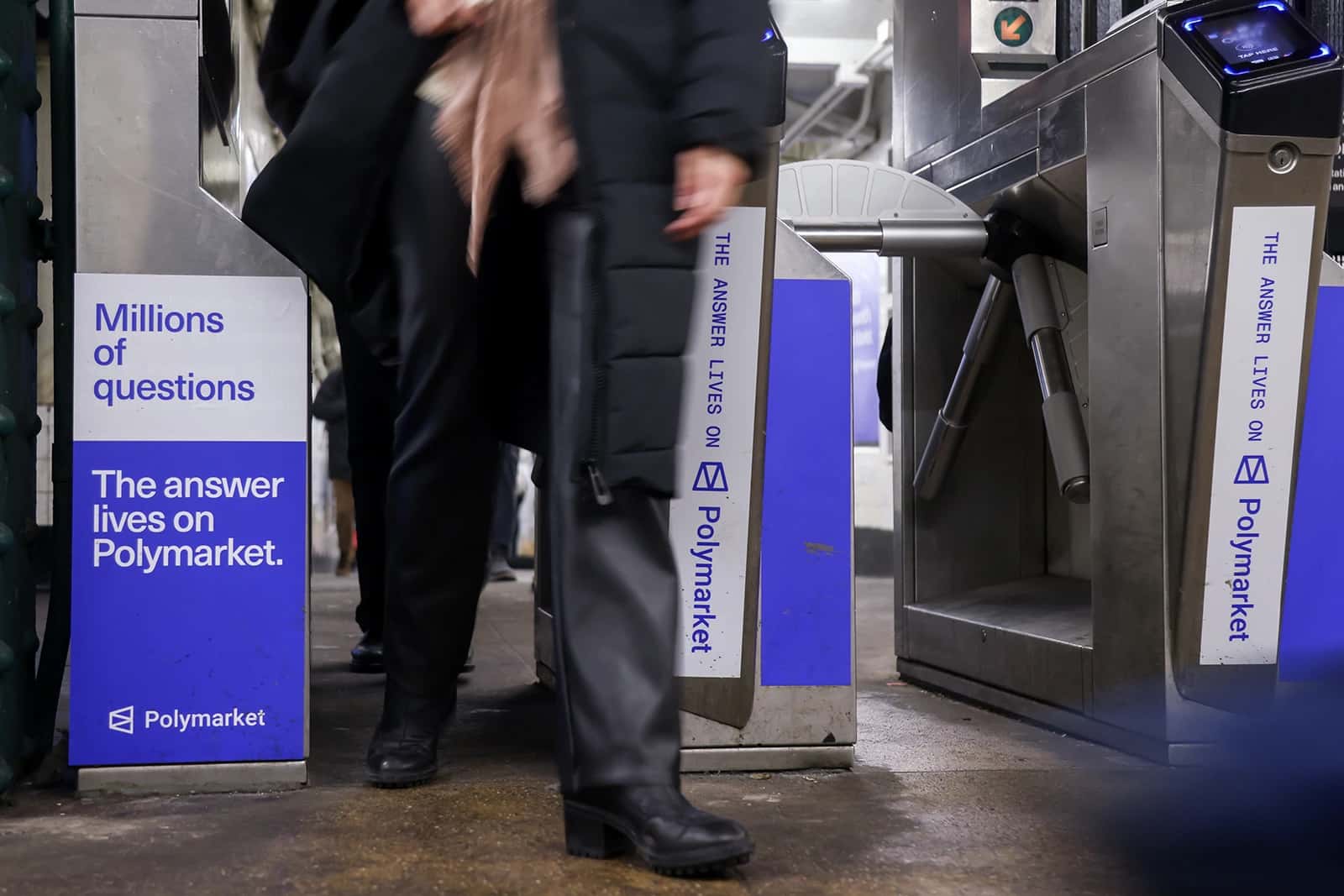
State officials say Polymarket’s US sports event contracts amount to unlicensed gambling under New York law
New York Attorney General Letitia James and Governor Kathy Hochul sued QCX LLC, which does business as Polymarket US, on Thursday, alleging the company is operating an illegal gambling business in New York without a state gambling license.
The lawsuit targets Polymarket’s U.S. platform, launched in December 2025, and says its sports event contracts are gambling under New York law because users put money on uncertain outcomes.
New York is seeking to stop Polymarket from operating in the state, force it to surrender allegedly illegal gains, pay restitution to customers, and pay fines equal to three times those gains.
The case matters beyond one company because it sharpens the fight between state gambling regulators and prediction market operators over whether sports-related event contracts are federally regulated financial products or state-regulated bets.
New York is going after Polymarket not for crypto, but for sports betting. State officials sued the company’s U.S. business on Thursday, arguing that its event contracts are illegal gambling products under New York law.
New York sued Polymarket, alleging it is running an unlicensed gambling operation through its U.S. platform. The case matters because it puts a direct state-level challenge in front of an industry that has argued its contracts belong under federal commodities oversight, not state gaming rules.
The complaint was filed against QCX LLC, which does business as Polymarket US, by Attorney General Letitia James and Governor Kathy Hochul. New York wants a court to bar the company from operating in the state without a gambling license. The state is also asking Polymarket to give up what it called illegally earned gains, provide restitution to customers, and pay fines equal to three times those gains.
Those requested remedies could raise the stakes for a company still building out a U.S. product.
Polymarket launched its U.S. platform in December 2025 with markets that let users put money on the outcomes of sporting events. The company said at the time that it planned to expand into other kinds of markets. New York’s view is that if users stake money on uncertain outcomes, those contracts fit the state’s definition of gambling.
The state also said the platform lets users ages 18 to 20 participate. In New York, users must be at least 21 to take part in mobile sports betting. That age issue adds to the broader licensing dispute described in the case.
3 times alleged gains
At the center of the case is a question that has been hanging over prediction markets for years: are these contracts financial instruments, or are they bets? Prediction market companies have argued that event contracts are federally overseen products, pointing to the Commodity Futures Trading Commission as the relevant regulator. States, especially when sports are involved, have increasingly taken the opposite position.
New York has been one of the most active states in that fight. Sports betting is already tightly controlled, and a platform offering similar exposure without the same state license, age restrictions, and regulatory structure is likely to draw scrutiny.
The case also comes as prediction markets continue pushing into more mainstream consumer use. Sports is an obvious entry point because consumers already understand the category, but it is also where state regulators have been more likely to argue that the products fall under existing gambling law.
State regulators have shown they are less interested in the distinction between event contracts and bets than companies in the sector are. If a user can put money down on a team and get paid based on the outcome, many states may treat that as sports betting. That makes the federal preemption argument harder to win in practice, even if companies continue pressing it.
The background
Polymarket’s defenders will likely point to the long-running split between federal market regulation and state gaming enforcement. The industry’s core claim is that these contracts sit closer to derivatives than to casino wagers, particularly when they are structured as tradable event markets. But the facts described in New York’s case suggest the state is focused less on abstract market design and more on consumer behavior: people were putting money on sports outcomes, and some users were younger than New York’s minimum age for mobile sports betting.
That is why this lawsuit could resonate beyond New York. Other states could point to sports contracts, state licensing requirements, and age restrictions already on the books. In that sense, the legal risk for prediction market operators is not just a fight with Washington. It is also a state-by-state problem, especially if products aimed at U.S. users keep expanding into sports.
For founders, there is also a practical read-through. Building in regulated consumer finance is hard enough when there is one lead regulator. It gets much tougher when a company may have to satisfy federal commodities rules while also defending against state claims that the same product is illegal gambling.
What's next
The immediate question is whether the court grants New York’s request to stop Polymarket from operating in the state while the case moves forward. After that, the bigger issue is whether other states use the same approach against sports-focused prediction products, or whether the CFTC moves more clearly to define where federal oversight ends and state gambling law begins.
Frequently asked questions
Why is New York suing Polymarket?
New York alleges Polymarket is operating an illegal gambling business through its US platform without a state gambling license. The lawsuit says its sports event contracts meet the definition of gambling under New York law because users risk money on uncertain outcomes.
What does the lawsuit say Polymarket did wrong?
State officials claim Polymarket offered sports-related event contracts to users in New York without approval from state gambling regulators. The complaint argues those contracts function like bets, making the platform an unlicensed gambling operation.
Who filed the case against Polymarket in New York?
The lawsuit was brought by New York Attorney General Letitia James and Governor Kathy Hochul. It targets QCX LLC, which does business as Polymarket US.
Is Polymarket legal in New York right now?
According to the state’s lawsuit, New York does not consider Polymarket’s US sports event contracts legal without a gambling license. The case will help determine how the platform can operate in the state going forward.
What are sports event contracts and why are they controversial?
Sports event contracts let users put money on whether a future sports outcome will happen. Regulators often view them as similar to sports betting, which makes them controversial when offered outside licensed gambling frameworks.
Could this case affect prediction markets in other states?
Yes, the lawsuit could influence how other states evaluate sports event contracts and prediction market platforms. If New York succeeds, regulators elsewhere may take a harder look at whether similar products are unlicensed gambling.