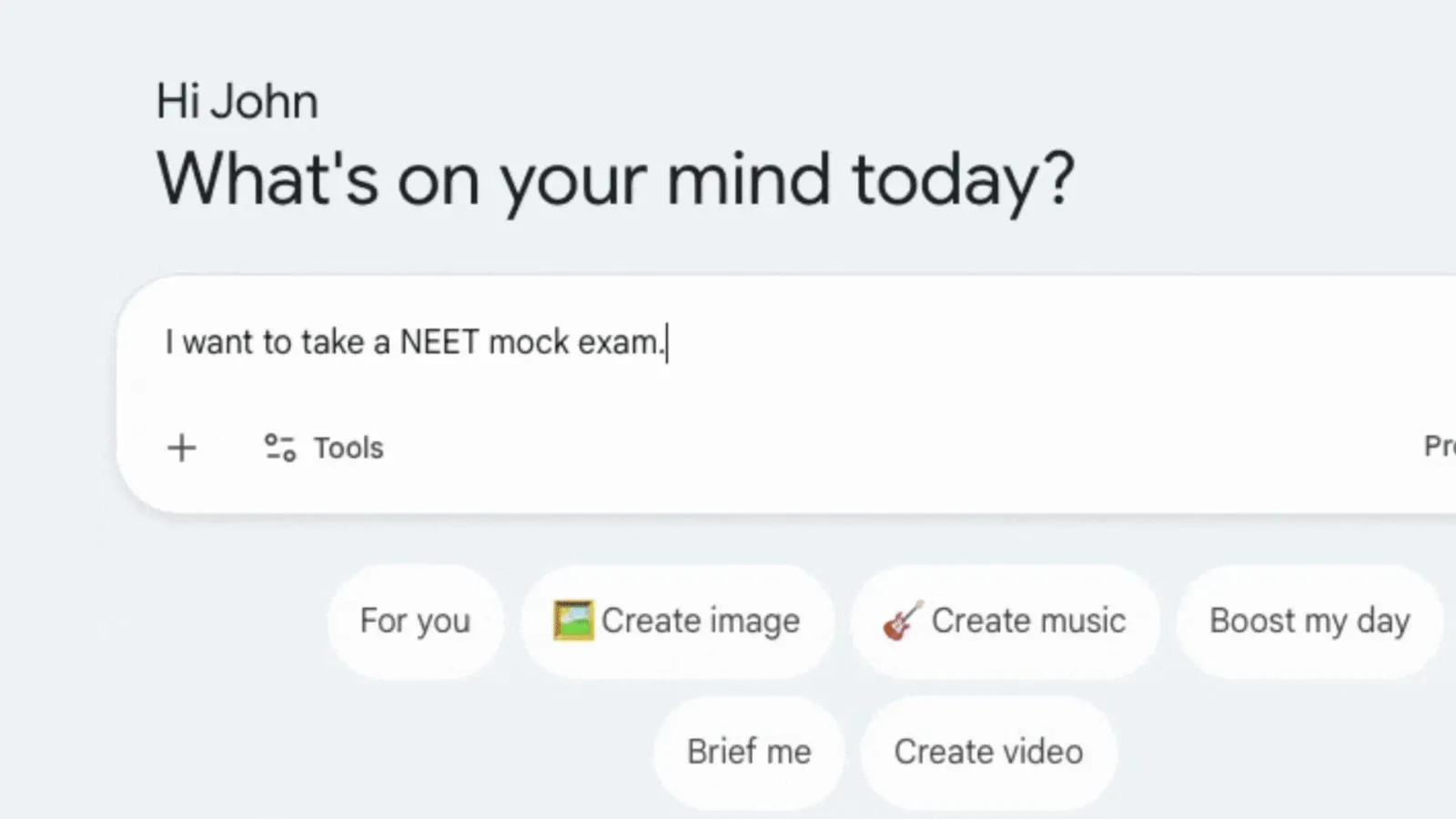

The artificial intelligence (AI) race has moved beyond the realm of assistants and chatbots that unswervingly answer according to the user’s whim. Conversational chatbots have evolved into AI agents that can work on almost any tasks in an enterprise workflow, and the battleground has shifted to productivity. Perhaps this is why big tech and AI companies are shifting their focus from AI models to offering a unified experience from a single interface.
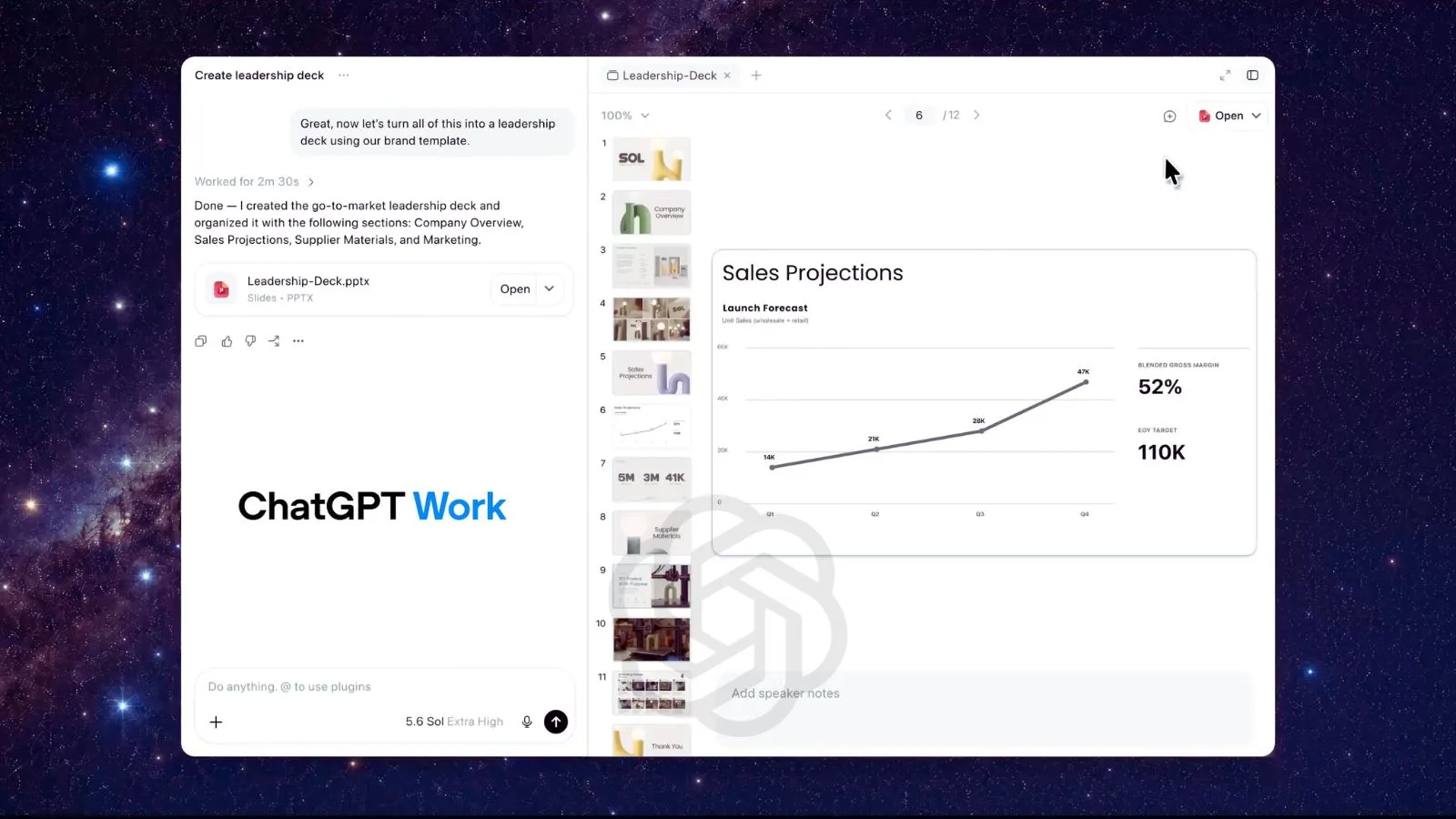
OpenAI, on July 9, launched the GPT-5.6 model family that consists of Sol, Terra, and Luna – AI models that are tailored for distinct needs with different levels of performance, speed, and cost. The announcement coincided with ChatGPT Work, an AI agent that has been designed to perform end-to-end tasks instead of plainly answering questions. ChatGPT Work has GPT-5.6 as its base operating agent. On the sidelines of the launch, indianexpress.com had an exclusive peek into the new models, demonstrated by Gabriel Chua, Developer Experience Engineer at OpenAI.

ChatGPT Work brings Codex, OpenAI’s AI software engineering agent that acts as an agentic partner, into the main interface. According to OpenAI, about a fifth (20 per cent) of the people using Codex were knowledge workers, and there has been an exponential demand for agentic AI.
Disclaimer
We strive to uphold the highest ethical standards in all of our reporting and coverage. We StartupNews.fyi want to be transparent with our readers about any potential conflicts of interest that may arise in our work. It's possible that some of the investors we feature may have connections to other businesses, including competitors or companies we write about. However, we want to assure our readers that this will not have any impact on the integrity or impartiality of our reporting. We are committed to delivering accurate, unbiased news and information to our audience, and we will continue to uphold our ethics and principles in all of our work. Thank you for your trust and support.