Apple's critical spyware alerts in 110 countries highlight global digital security risks, impacting user trust and demanding platform responsibility.
Apple's Spyware Alerts: A Wake-Up Call for User Trust, Brand Safety, and the Creator Economy
Apple's latest push notifications warning users of government-backed spyware attacks in 110 countries highlight critical shifts in digital security, impacting user confidence and demanding greater responsibility from brands and platforms.
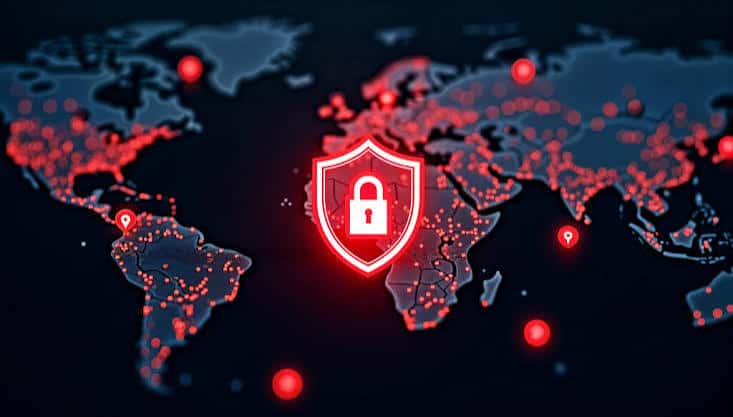
Apple expanded its spyware alert system, notifying users in 110 countries of targeted government attacks.
This development underscores evolving challenges for user trust, digital safety, and the brand/creator economy across the digital landscape.
Apple has initiated a new round of push notifications, alerting iPhone, iPad, and Mac users in 110 countries to suspected government-backed spyware attacks. This proactive measure from the tech giant signifies an intensified commitment to user security, directly informing individuals if their devices are believed to be compromised. These notifications are part of Apple's ongoing effort, having previously alerted users in over 150 countries, to combat sophisticated mercenary spyware designed to hack into personal devices.
The Bigger Picture for Digital Trust and the Creator Economy
Broader Digital Security ImplicationsThe increasing prevalence of such state-sponsored surveillance, even if targeted, erodes general digital trust. For marketing professionals, this means a heightened need to ensure brands are seen as custodians of user data, promoting transparency and robust security measures to maintain audience confidence in an increasingly precarious online environment.
Impact on the Creator EconomyFor the creator economy, where influencers, content creators, and digital entrepreneurs rely heavily on their devices and online presence for their livelihood; a successful spyware attack could compromise their accounts, intellectual property, and audience relationships, posing a direct threat to their economic stability and growth.
Evolving Platform and Brand ResponsibilityApple's direct user notifications set a higher bar for platform accountability. This shift necessitates that brands and digital service providers move beyond basic compliance, actively educating their users on digital hygiene and security best practices. My read is that this isn't just a technical issue, but a critical brand-building opportunity to foster deeper trust through proactive user protection.
The Mercenary Spyware Reality Check
Apple just dropped a digital bombshell on users across 110 countries. By blasting out notifications warning of "mercenary spyware attacks," the tech giant is pulling back the curtain on a terrifying reality: state-backed, highly sophisticated surveillance is a booming, globalized industry. This isn't just a niche problem for geopolitical dissidents anymore. For anyone deeply embedded in the digital economystartup founders, enterprise executives, and high-leverage creatorsyour smartphone is the single point of failure for your entire business. A compromised device doesn't just mean a personal privacy breach; it means stolen intellectual property, hijacked distribution channels, and an instant evaporation of audience and investor trust. What is particularly striking here is Apple's evolving role. By proactively issuing these high-confidence alerts, urging targets to enable the restrictive "Lockdown Mode," and actively directing them to nonprofit cybersecurity experts for emergency incident response, Apple is effectively acting as a global intelligence and defense agency for its user base. This sets a massive precedent for platform accountability. We can no longer pretend that default security settings are a sufficient shield against well-funded, zero-click exploits that cost millions to develop. If mercenary spyware can silently target individuals across 110 countries in a single wave, the baseline for digital hygiene just got radically higher. The broader tech ecosystem needs to wake up and adapt, because building a brand on a compromised foundation is a liability no one can afford.
Looking ahead, the focus will be on the sustained effectiveness of these security measures and how other tech ecosystems might adapt similar transparent security protocols. For marketers and brands, the ongoing challenge is integrating robust digital security narratives into their user engagement strategies, ensuring user safety remains paramount in the pursuit of audience growth.
Frequently asked questions
What should I do if Apple sends me a spyware alert?
If Apple sends you a notification about a government-backed spyware attack, take it seriously. Apple advises taking specific steps to protect your device and data, often recommending immediate software updates and increased vigilance.
Why is Apple issuing spyware alerts?
Apple is issuing these alerts to inform users targeted by sophisticated government-backed spyware, protecting their privacy and raising awareness about advanced digital threats.
What kind of spyware is Apple warning about?
Apple typically warns about state-sponsored spyware, like Pegasus, which can remotely compromise devices without user interaction.
How can I check if I've received an Apple spyware alert?
Apple delivers these alerts via email to the Apple ID associated with your device and also displays a notification when you sign into appleid.apple.com.
Are these Apple alerts common?
No, these specific government-backed spyware alerts are rare and indicate a serious, targeted threat, not a general security concern.
What is the impact of Apple's spyware alerts on user trust?
These alerts can both alarm users and reinforce trust in Apple's commitment to security by transparently notifying them of threats they might not otherwise detect.