

Bosch secures up to $225 million for SiC chip factory in California
Bosch has signed a binding agreement with the US Department of Commerce under the CHIPS and Science Act, which supports the company’s investments of up to two billion dollars in the site. As Handelsblatt reports, the technology group acquired the facility from TSI Semiconductors in 2023 and has since been converting it into a production site for silicon carbide (SiC) semiconductors. According to Bosch, pilot production has already begun, with commercial manufacturing set to start later this year.
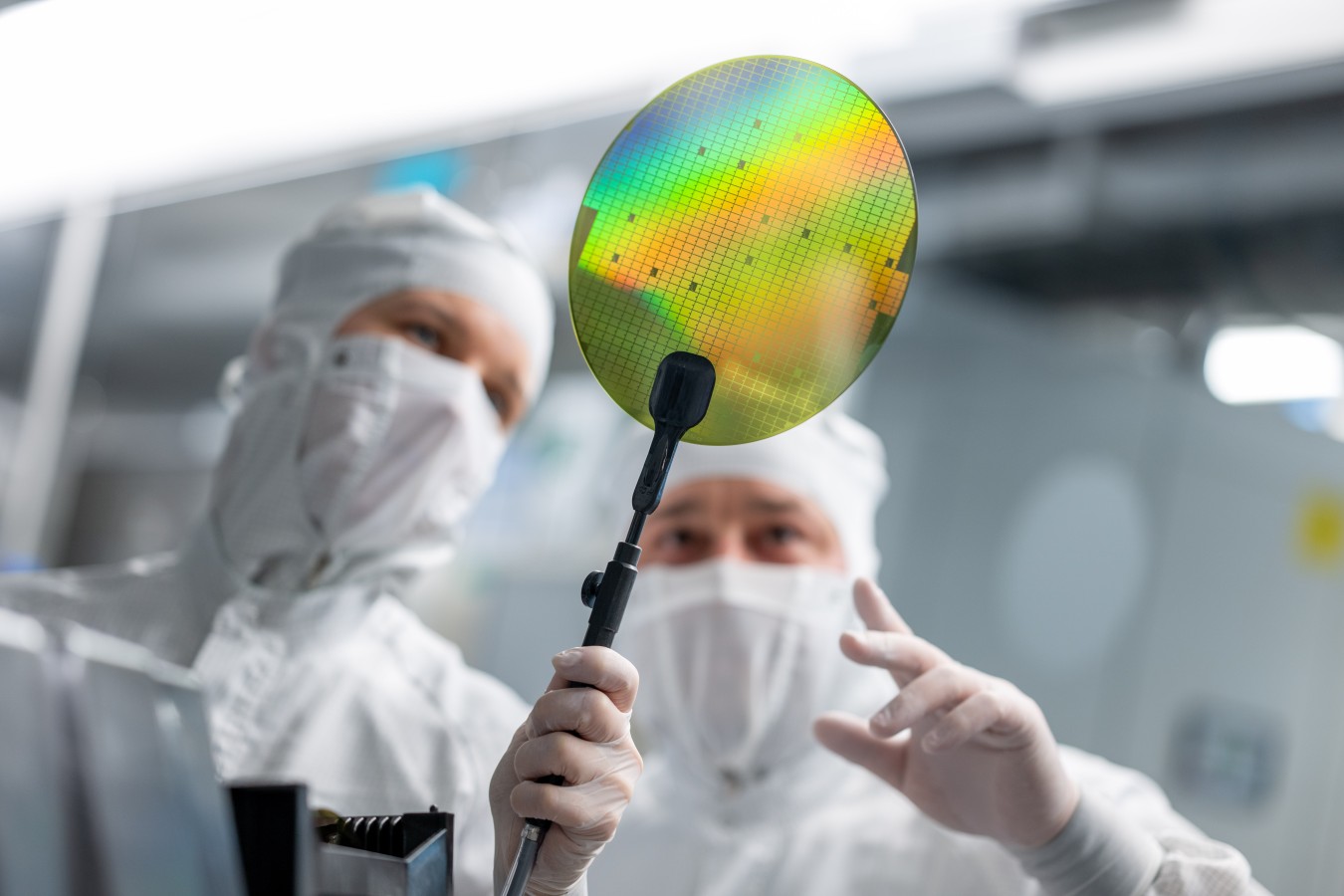
In Roseville, SiC chips will be manufactured and tested on 200-millimetre wafers. The larger wafer diameter enables more efficient mass production, as more chips can be produced per wafer. Bosch plans to significantly expand its global production capacity for silicon carbide semiconductors, according to its own statements.
Silicon carbide semiconductors are a key technology for electric mobility. Compared with conventional silicon chips, they operate more efficiently, particularly at high voltages and temperatures, and reduce switching losses in power electronics. This can improve the range, charging performance and energy efficiency of electric vehicles, among other benefits. Bosch recently unveiled its third-generation SiC chips, which are designed to deliver up to 20 per cent more power in a smaller form factor. According to the company, it has delivered more than 60 million SiC chips worldwide since production of the first generation began in 2021.
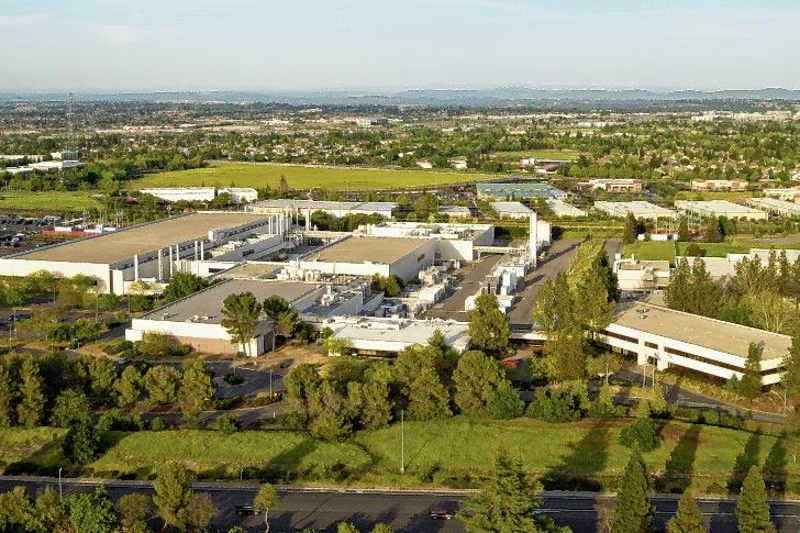
The funding agreement also provides Bosch with planning certainty for its US semiconductor business. The company initiated the acquisition of the site during the Biden administration. The final approval of the funding under the previous administration is viewed as a signal of bipartisan support for expanding domestic semiconductor manufacturing capacity in the United States. In addition to the federal funding, Bosch will receive a further 25 million US dollars in grants from the state of California for the Roseville site. Overall, the group plans to invest around 7.5 billion US dollars in its US operations by 2031.
This investment is part of a broader trend. With the rollout of 800-volt platforms, higher charging capacities, and more powerful electric drivetrains, the demand for modern power semiconductors continues to grow. Simultaneously, industries and policymakers on both sides of the Atlantic are increasingly investing in the expansion of domestic semiconductor capabilities. For example, the research project ‘Moore4Power’ was recently launched in Europe under the leadership of Infineon to develop new generations of power semiconductors for applications such as electric vehicles and charging infrastructure. The goal is to strengthen technological sovereignty and secure the long-term supply of key components for the automotive industry.
handelsblatt.com (in German)






0 Comments