As the world pours billions into the hydrogen economy, a hidden opportunity lies beneath our feet. Methane pyrolysis can deliver low-emission hydrogen and a soil-restoring carbon — a dual innovation that deserves urgent research funding to bridge clean energy with living ecosystems.
Hydrogen for Future Transportation
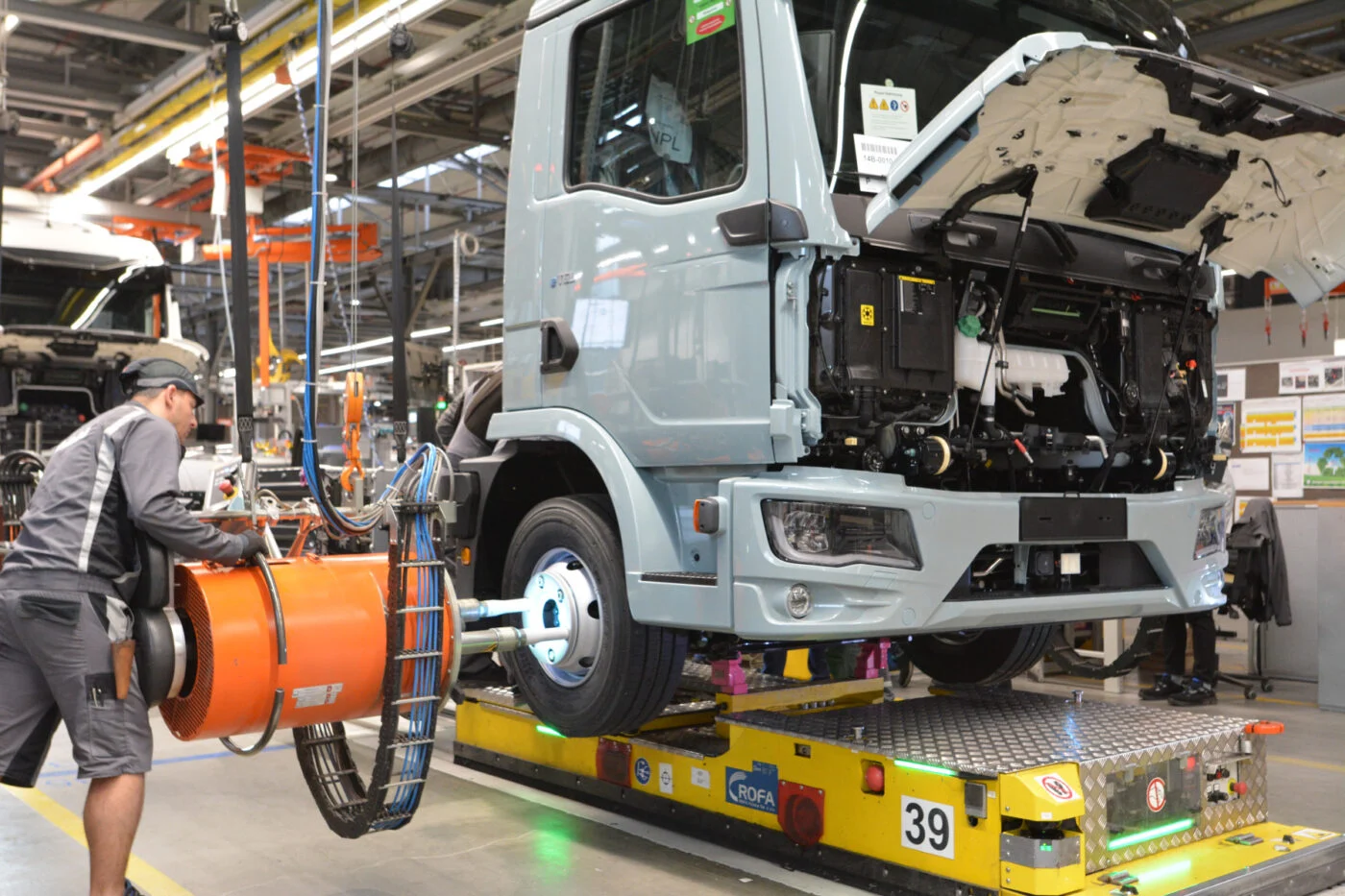
The future of clean transportation may depend as much on hydrogen as it does on electricity. Hydrogen may offer an even greener path forward, since the electricity required for electric vehicles cannot always be generated from renewable sources. This fuel is abundant, versatile, and emission-free. Hydrogen-powered technologies are also advancing rapidly. The remaining challenge is finding sustainable ways to produce it at scale.
One overlooked opportunity lies in methane — a resource often wasted at refineries, oil fields, and coal mines. Instead of viewing methane as an environmental liability, we can transform it into a valuable resource. Through pyrolysis, this simple molecule can be converted into two valuable products: hydrogen and carbon. While methane pyrolysis is already used to produce carbon materials, its potential as a source of clean hydrogen remains largely unexplored. With the right process innovations, a single technology could deliver two products, low-emission hydrogen and valuable carbon.
Clean Hydrogen and Engineered Bio-Carbon from Methane: How It Works? At high temperatures, methane splits into carbon and hydrogen – without releasing CO₂ or toxic by-products. The carbon atoms assemble into advanced nanomaterials such as graphene, while the hydrogen is often released without being captured. Recovering this hydrogen is challenging because it is typically produced in dilute concentrations. As a result, methane pyrolysis has rarely been viewed as an attractive route for hydrogen production alone. A more promising approach is to create simultaneous value from both products- hydrogen and carbon. This is the foundation of our technology.
Recent research at the Indian Institute of Technology (IIT) Mandi suggests that methane pyrolysis, when powered by clean energy, can generate a new class of engineered bio-carbon. The resulting material combines methane-derived carbon with carbon obtained from biomass waste, creating a hybrid material, at a low cost, and with significant potential for improving soil quality and ecosystem health.
Healthy Soil Matters as Much as Clean Air
Air and soil health are deeply connected. For decades, discussions about soil carbon have focused primarily on one question: how much carbon can be stored underground to offset greenhouse gas emissions? This narrow framing misses a deeper story – soil is not just a carbon sink; it is a living ecosystem.
Healthy soils depend on vast underground communities of bacteria, fungi, and archaea. These microscopic organisms recycle nutrients, stabilize minerals, regulate plant immunity, and help maintain long-term fertility. When these biological networks are disrupted, soils lose productivity and stored carbon becomes vulnerable to release.
The challenge, therefore, is not simply storing carbon in soils. It is restoring the living
systems that make soils resilient. Instead of treating soil carbon as a bookkeeping exercise for
emission offsets, methane pyrolysis could close the loop between clean energy and living
ecosystems.
Earlier analyses of “carbon farming” and biochar additions raised legitimate concerns about energy efficiency, cost, and the risk of carbon accounting without genuine ecological benefit. But science has evolved. Unlike traditional biomass-based biochar, the bio-carbon from methane pyrolysis features a high surface area and intricate nano-geometries for the soil microorganism to anchor and grow. It is free from heavy metals and toxins, and has just the right kind of porosity for holding water and nutrients. When powered by renewable electricity, the process could enable a sustainable and sphisticated hydrogen-carbon alternative.
Our Technology
Early experiments at IIT Mandi, supported by FORREGION Vestland and the Vestland County Council (Norway), have produced encouraging results. Alongside hydrogen generation, methane pyrolysis facilitates the deposition of engineered bio-carbon onto: (i) pre-carbonized biomass derived from pine and spruce needles; and (ii) sand preconditioned with iron salts.
When blended with local compost, these materials are expected to improve soil aggregation, increase moisture retention, and create favourable conditions for beneficial soil microorganisms. The result could be healthier soils, greater crop productivity, enhanced biodiversity, and stronger natural carbon capture and storage.
Beyond carbon storage, this engineered bio-carbon may strengthen microbial networks and improve water-holding capacity. In doing so, it could help create a new generation of Terra Preta Nova soils – a modern echo of the ancient, fertile black soils of the Amazon. This represents a paradigm shift: from carbon sequestration to ecological regeneration.
Challenges and the Way Forward
The path to scale is not without obstacles. Methane pyrolysis is highly sensitive to temperature, reactor conditions, and gas composition. Small fluctuations can affect both hydrogen yield and carbon structure. Hydrogen capture, concentration, storage, and transport present additional challenges. Yet these are engineering challenges, not fundamental barriers.
Once optimized, the process could produce large volumes of clean hydrogen alongside a new generation of functional carbon materials with precisely controlled properties. Continued research will further expand this frontier.
To translate laboratory success into practical impact, the SUCARMA R&D Initiative will work closely with farmers and rural cooperatives to co-design Terra Preta Nova soils adapted to local conditions and local microbiomes. In parallel, research on hydrogen recovery and process intensification will improve both economic viability and environmental performance.
From Offsets to Regeneration
Hydrogen produced through this route can help decarbonize transportation and industry. At the same time, the solid carbon can support the biological systems that sustain agriculture. This dual benefit – clean energy above ground and healthier ecosystems below it – offers a rare bridge between industrial innovation and regenerative land management.
As the world invests heavily in the hydrogen economy, methane pyrolysis presents an opportunity to rethink what clean energy can achieve. Instead of producing hydrogen alone, we can create technologies that simultaneously power vehicles, restore soils, strengthen rural economies, and rebuild living ecosystems.
That is the transition we should be striving for.
Disclosure statement
Dr. Swati Sharma leads research on sustainable methane pyrolysis and bio-carbon materials at the Indian Institute of Technology (IIT) Mandi.
Dr. Helge Johan Kjersem, MD, MBA, Ph.D., is a researcher and consultant in global health and sustainable carbon management with The SUCARMA R&D Initiative, supported by FORREGION Vestland (Norway) and Marinvest Energy AS, where he is a partner.
The authors declare no conflicts of interest.
Author bios

Dr. Helge Johan Kjersem MD, MBA (HD-org.), Ph.D., researcher and consultant in global health and sustainable carbon management. He co-leads the SUCARMA R&D Initiative on soil and methane-carbon innovation, supported by FORREGION Vestland (Norway) and Marinvest Energy AS.
Dr. Swati Sharma, Ph.D., is an Associate Professor at the Indian Institute of Technology (IIT) Mandi, India. She leads research on sustainable methane pyrolysis, engineered carbon materials, and bio-carbon applications for energy and soil systems.
The post Enhancing the in-car experience with Gemini, Google’s AI assistant, now available with openR link appeared first on Future Mobility Media.
Source link