

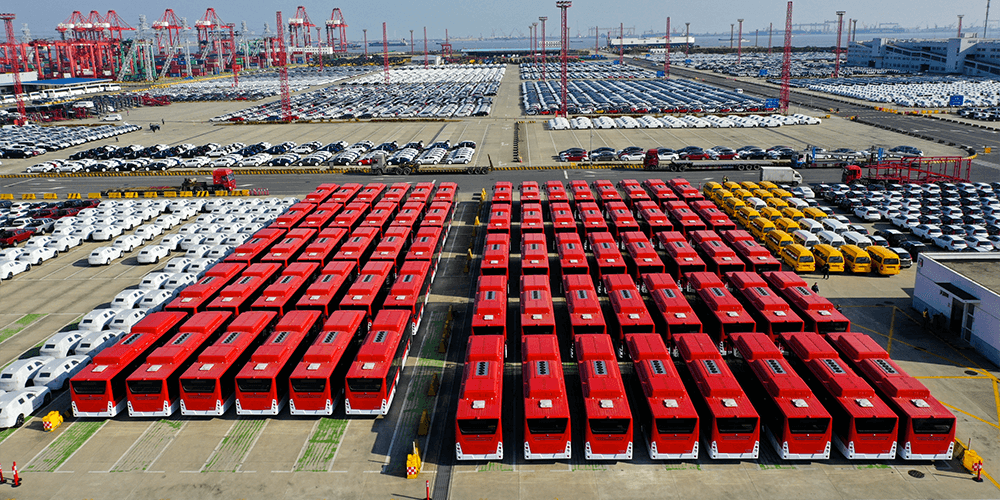
Guatemala plans 300 electric buses from 2027
The vehicles are intended to serve as feeder services within the future public transport system of the Guatemala City metropolitan region, linking different transport modes. The government has not yet announced a tender or selected a manufacturer. At this stage, the plan remains a procurement intention as part of a wider public transport reform programme.
In addition to fleet renewal, the reform includes new financing mechanisms and plans to establish local vehicle manufacturing capabilities.
According to media reports, the battery-electric buses are expected to provide feeder services between residential districts and the planned main public transport corridors. At the centre of the concept is the proposed urban rail network, Metrorriel, which is set to connect the northern part of Guatemala City with the historic city centre.
The transport system will be complemented by additional interchange hubs and integrated with the planned Aerometro cable car network.
The plans are based on the Metropolitan Area Mobility Master Plan, which was developed with support from the Korea International Cooperation Agency (KOICA). Covering 17 municipalities in the metropolitan region, the strategy aims to transform the current fragmented bus network into an integrated public transport system.
The initiative is a response to severe congestion in the region. According to government figures, commuters lose an average of around 1,300 hours per year in traffic. The economic impact of congestion is estimated at more than 25 billion Quetzal (around €2.9 billion) annually.
To support the transition, the Ministry of Finance has established a state guarantee fund worth approximately €57 million. According to the government, the fund could unlock financing of up to around €517 million. The mechanism is intended to accelerate the adoption of battery-electric buses without requiring the state to purchase all vehicles directly.
The government estimates that battery-electric buses could cut fuel costs by up to 51 per cent compared with diesel-powered vehicles. At the same time, Guatemala is examining the possibility of establishing local assembly facilities for electric buses.
According to government projections, around 2,100 buses are due to be replaced over the long term, creating annual demand for approximately 300 vehicles. Beyond vehicle production, the country also aims to build local technical expertise and develop a regional supply chain for electric mobility.
With this initiative, Guatemala is following a regional trend. Cities across Latin America are increasingly investing in the electrification of their bus fleets. While Guatemala initially plans to introduce 300 battery-electric buses as feeders for a new public transport system, São Paulo recently put another 500 battery-electric buses into operation, expanding its electric fleet to 1,759 vehicles. The Brazilian metropolis also plans to phase out the procurement of new diesel buses entirely in the future. These examples demonstrate that the race to electrify public transport in the region is gaining significant momentum.

![Volkswagen’s new affordable electric SUV debuts with 265 miles of range [Images]](https://startupnews-media-2026.s3.us-east-1.amazonaws.com/startupnews-in/uploads/2026/07/rss-mrm6ft2b-ve46om-2.jpeg?X-Amz-Algorithm=AWS4-HMAC-SHA256&X-Amz-Content-Sha256=UNSIGNED-PAYLOAD&X-Amz-Credential=AKIAZQ3DRHCSCL44VIMT%2F20260715%2Fus-east-1%2Fs3%2Faws4_request&X-Amz-Date=20260715T165252Z&X-Amz-Expires=604800&X-Amz-Signature=c667b0255206037ed09d19d8b26e9cbc419b5108f3d1e559ddbc05f9cd1c4403&X-Amz-SignedHeaders=host&x-amz-checksum-mode=ENABLED&x-id=GetObject)
0 Comments