

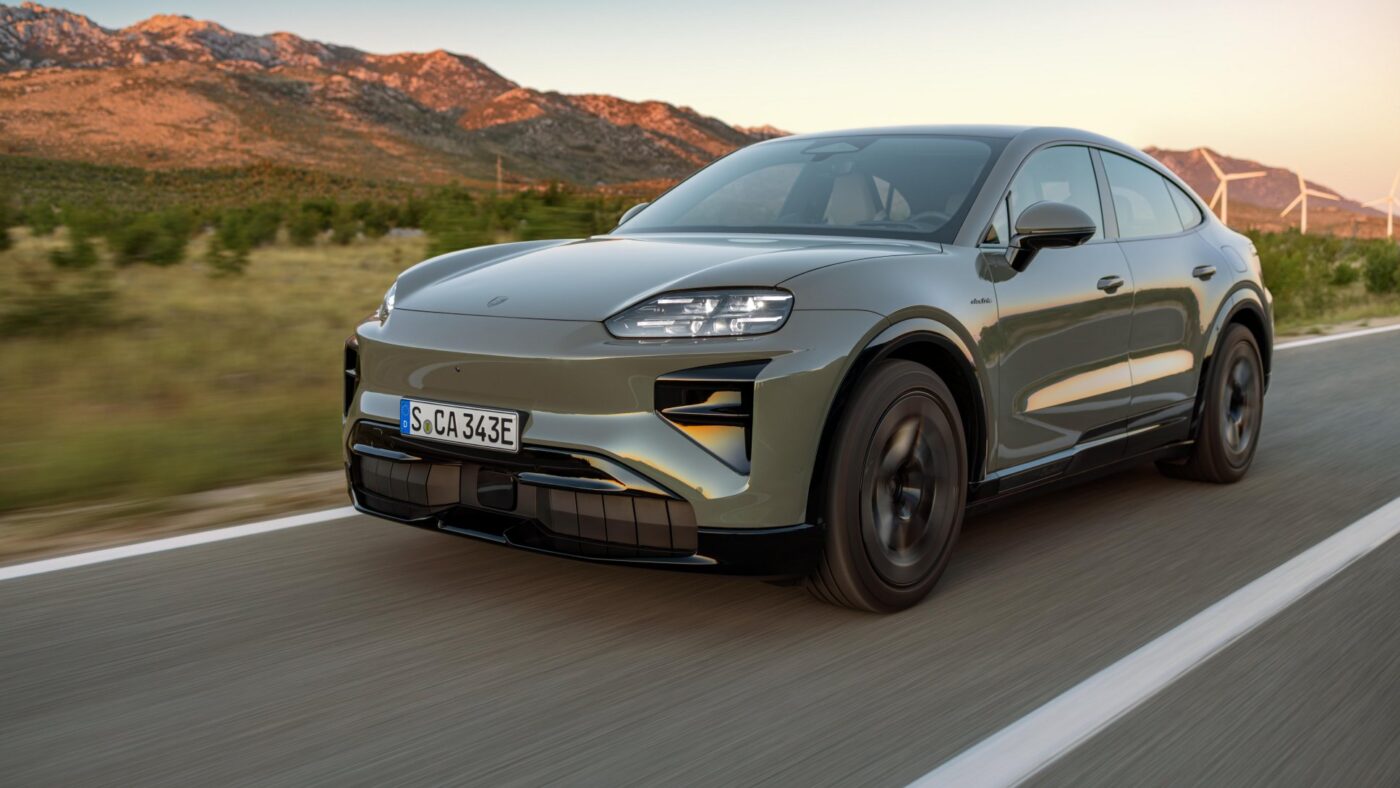
Porsche’s last internal combustion Macan rolls off the production line
As early as the beginning of 2025, Porsche had already discontinued sales of the internal combustion engine (ICE) Macan in Europe. The decision was driven by the European General Safety Regulation (GSR2), whose stricter requirements for cybersecurity and vehicle safety would have required a comprehensive overhaul of the model’s electronic architecture. Rather than invest in the outgoing platform, Porsche chose to phase out the model early in the European market. This decision now applies worldwide as production comes to an end.
The move leaves a gap in Porsche’s portfolio. No new crossover with an ICE or hybrid powertrain is expected until 2028, when it will be based on a new generation of the Audi Q5 platform. According to Porsche, the Macan name will be reserved exclusively for the battery-electric series from now on.
The company’s decision to end production is surprising, given the current sales figures. In the first half of 2026, Porsche delivered 35,315 Macan vehicles worldwide. Of these, 19,695 were ICE versions, while 15,620 were the battery-electric Macan. Overall, deliveries of the model range fell by 22 per cent compared to the previous year. Porsche attributes this decline to several factors, including the slowed ramp-up of electromobility, a strong prior-year period, and the discontinuation of tax incentives for electric and hybrid vehicles in the USA.
Volkswagen Group CEO Oliver Blume admitted earlier this year that Porsche had underestimated demand trends. The transition from the ICE to the electric version has been slower than expected. To meet demand in key markets, Porsche reportedly produced vehicles in advance, according to media reports. This is expected to allow ICE Macan deliveries to continue in the USA until 2027.
The Macan’s phase-out also highlights the challenges faced by the Volkswagen Group in scaling up electromobility. In the first half of the year, Porsche delivered 23,700 battery-electric vehicles across the group, a decline of around 31 per cent compared to the previous year. At group level, global BEV deliveries fell by 5.8 per cent, with significant declines in the USA and China, while Europe continued to show positive development. Nevertheless, Porsche is pressing ahead with its electrification strategy: at the end of June, the first customer deliveries of the electric Cayenne began.
With the end of production for the ICE Macan, Porsche is bidding farewell to one of its most successful models. Whether customers will embrace the battery-electric Macan with the same enthusiasm remains to be seen in the coming quarters. Until then, many of the ‘last ICE models’ are likely to become prized possessions in their owners’ garages.

0 Comments