Officials signal large-ticket UPI transactions could face merchant charges while smaller consumer payments stay free
India’s government has signaled that merchant charges could return for Unified Payments Interface, or UPI, transactions above ₹2,000, while keeping smaller payments protected from fees, according to the source report.
The move matters because UPI has grown into a major digital payments rail in India, and policymakers are trying to make the system financially sustainable for banks and payment firms without disrupting broad consumer adoption.
Any fee regime for larger UPI payments would create a sharper split between low-value consumer payments and higher-value merchant transactions, a model that payments executives will recognize from card economics.
The policy shift opens a new chapter for payments companies operating on low-margin infrastructure in India, where scale has surged but monetization has remained constrained by a zero-charge framework.
India may finally be preparing to charge for part of a major real-time payments network. The government has left room for merchant fees on UPI transactions above ₹2,000, even as it continues to shield smaller payments from charges.
That is the real story behind the latest UPI policy signal: India is not abandoning free digital payments, but it is acknowledging that a system used at national scale needs a revenue model. For payment companies, banks, and fintech investors, that matters beyond India because it tests whether instant-payment infrastructure can stay cheap for users without becoming economically difficult for everyone else.
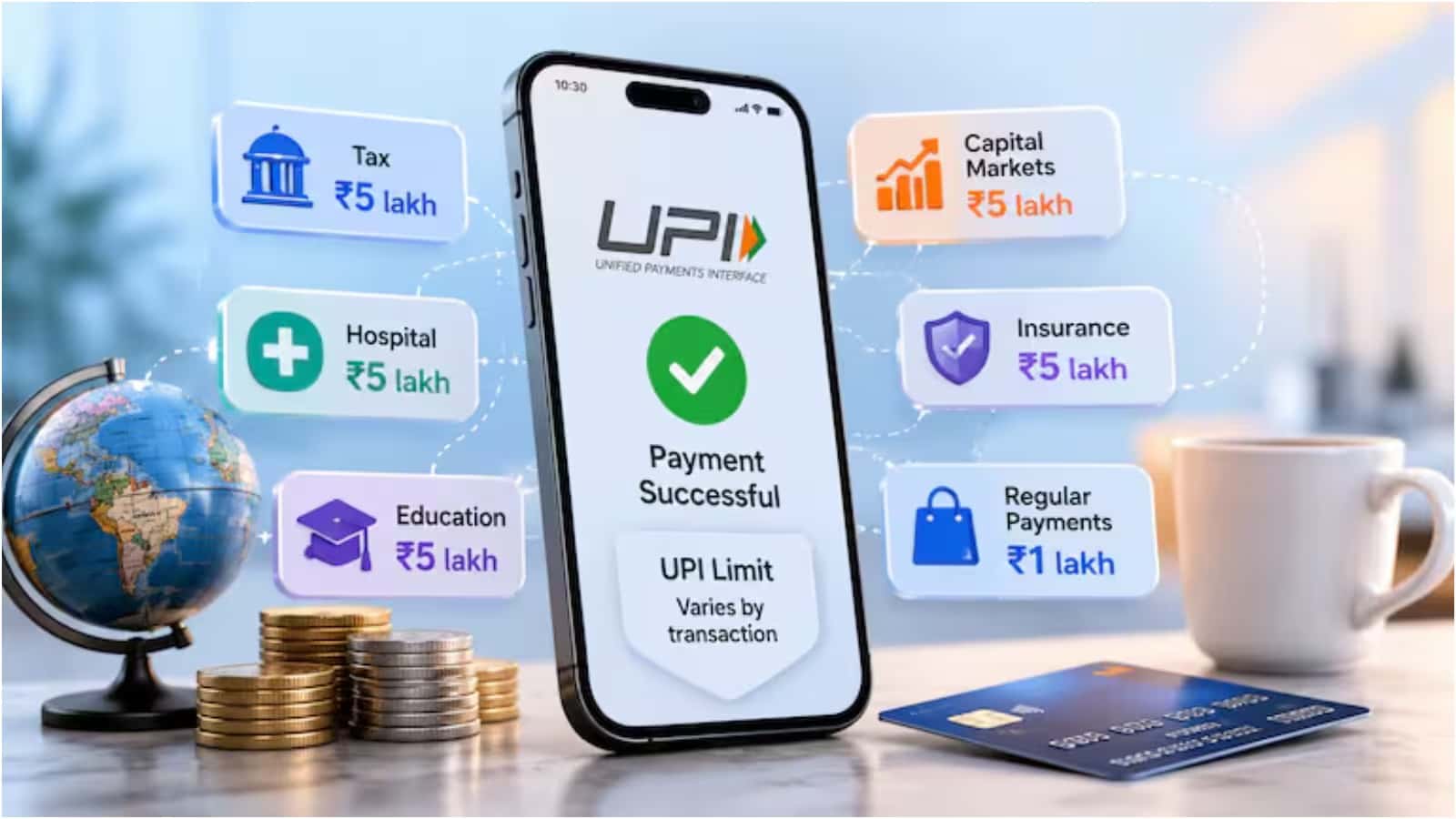
The source report says the Centre has protected UPI payments up to ₹2,000 from charges while opening regulatory space for merchant fees on larger transactions. In plain terms, India is drawing a line. Everyday consumer purchases stay politically sensitive and likely free. Bigger-ticket merchant payments do not automatically get the same protection.
That distinction looks technical, but it is a meaningful reset. UPI has spent years as a prominent example of public digital infrastructure at scale. It helped normalize instant bank-to-bank payments. But unlike the card system, where interchange and merchant discount rates help fund the ecosystem, India’s UPI stack has long leaned on a near-zero-fee promise that kept users happy while squeezing providers.
There is a reason that matters now. Once a payments rail becomes the default option for consumers and merchants, the policy debate shifts from adoption to sustainability. The Indian government appears to be at that point. The question is no longer whether UPI can win market share. The question is who pays to keep it running and expanding.
For a broader audience, the closest parallel is not a peer-to-peer app. It is the longstanding argument over card swipe fees, debit caps, and network economics. Free or low-cost payments always look clean from the consumer side. They are much messier under the hood. Banks need incentives. Payment apps need margins. Acquirers and processors need a reason to keep investing in fraud controls, uptime, and merchant service. India’s latest move suggests policymakers are now confronting the same tradeoff in more explicit terms.
₹2,000
That is the transaction threshold below which the Centre is keeping UPI payments protected from charges, according to the source report.
The ₹2,000 cutoff is striking because it creates a practical dividing line between mass-market payments and transactions that can plausibly bear some merchant cost. Policymakers can argue they are preserving financial inclusion and convenience for consumers while asking businesses accepting larger payments to share more of the burden. That is a familiar political structure. Regulators in different markets have taken different routes, but the same instinct shows up whenever governments try to shield households while pushing costs upstream to merchants or financial intermediaries.
There is another angle here that broader coverage may miss. A fee on higher-value UPI transactions would not just be about funding the system. It could also reshape competitive behavior across India’s payments market. Merchants that have become accustomed to no-cost UPI acceptance may start comparing economics across payment methods again. That would matter for payment apps, banks, gateways, and card networks, which have spent years adapting to UPI’s rise.
In other words, this is not simply a tariff question. It is a product and routing question. If large merchants face charges above a defined threshold, they may optimize checkout flows differently, steer customers more actively, or reconsider where UPI sits versus cards, wallets, and other digital methods. In India, where UPI has been treated almost as a public utility, the return of merchant economics could reintroduce a more commercial logic.
The timing also fits a broader pattern in fintech. Around the world, governments and companies that spent the last decade chasing adoption are now under pressure to prove durability. Instant payments have expanded quickly, but monetization remains uneven. India’s latest signal belongs in that same category: public rails can reach massive scale, but eventually someone has to finance the less visible parts.
That is why the merchant-fee language matters more than it may first appear. It tells banks and payment firms that the government is at least willing to reconsider the zero-fee orthodoxy at the upper end of transaction values. It also tells merchants that free forever may no longer be the operative assumption. For investors, especially those looking at payment infrastructure rather than consumer fintech brands, that is a significant takeaway.
The background
India’s digital payments story has often been held up as a model for the rest of the world, especially by policymakers interested in faster and cheaper alternatives to cards. UPI sits at the center of that narrative. It made person-to-person and merchant payments simple, instant, and broadly interoperable. For consumers, the experience felt almost frictionless. For many providers, though, the economics were less generous.
That tension has been visible for a while. The source report frames the latest government posture as an attempt to make the payments ecosystem sustainable. That wording matters. Governments do not usually reach for the word sustainable unless the current structure is showing strain. Payment companies can absorb low margins during a growth sprint. It is harder to do that indefinitely while meeting merchant demands, handling fraud, and supporting an always-on payments rail used at national scale.
For founders and operators, there is a useful lesson here. Infrastructure businesses often win praise when they drive costs toward zero, but that same achievement can become a trap if the revenue model disappears before the operating burden does. India’s UPI system solved adoption brilliantly. Now it is confronting the monetization phase. That is a much less romantic part of building payment networks, but it is usually where long-term winners and losers get sorted.
The policy signal could also affect international perceptions of how public-option fintech systems evolve. Much of the pitch around digital public infrastructure has implied that once the pipes are built, broad-based low-cost access will naturally follow. What India is showing instead is a more nuanced reality. Consumer-friendly rails still need commercial scaffolding. If higher-value merchant payments become fee-bearing while small consumer transactions remain protected, that may become a template other countries study closely.
What's next
The next trigger is straightforward: whether Indian authorities turn this opening into a formal merchant fee structure for UPI transactions above ₹2,000, and how narrowly or broadly that rule is applied. Payment firms, banks, and large merchants will be watching for implementation details because the threshold is now clear, but the eventual pricing mechanics, scope, and enforcement will determine whether this is a modest tweak or the start of a more durable shift in digital payments economics.
Frequently asked questions
Is India planning to charge fees on UPI payments above ₹2,000?
Yes, the report says the government has indicated merchant charges could return for UPI transactions above ₹2,000. Smaller payments would likely remain protected from fees under the current policy direction.
Will regular consumers in India have to pay for small UPI transactions?
Based on the report, smaller UPI payments are expected to stay free. The proposed change appears targeted at larger transactions, with the burden falling on merchants rather than everyday users making low-value payments.
Why would India bring back merchant charges on UPI now?
UPI has scaled rapidly, but banks and payment companies still need a sustainable revenue model to support infrastructure, fraud controls, and service costs. Reintroducing charges on higher-value transactions is being considered as a way to fund the system without hurting mass adoption.
What is the ₹2,000 threshold in the reported UPI fee proposal?
The ₹2,000 level is the reported cutoff above which merchant charges may apply to UPI payments. That threshold matters because it would preserve zero-fee treatment for most small consumer transactions while allowing pricing on larger purchases.
Who would be most affected if UPI merchant charges return?
Merchants that accept larger-ticket UPI payments would likely feel the biggest impact first, especially businesses with slim margins. Banks, fintech platforms, and payment service providers could benefit if the fees help cover operating costs.
Does this mean UPI is no longer free in India?
Not entirely. The report suggests UPI would remain free for smaller transactions, while only payments above ₹2,000 could face merchant charges, so the broader zero-cost user experience may stay intact for many people.