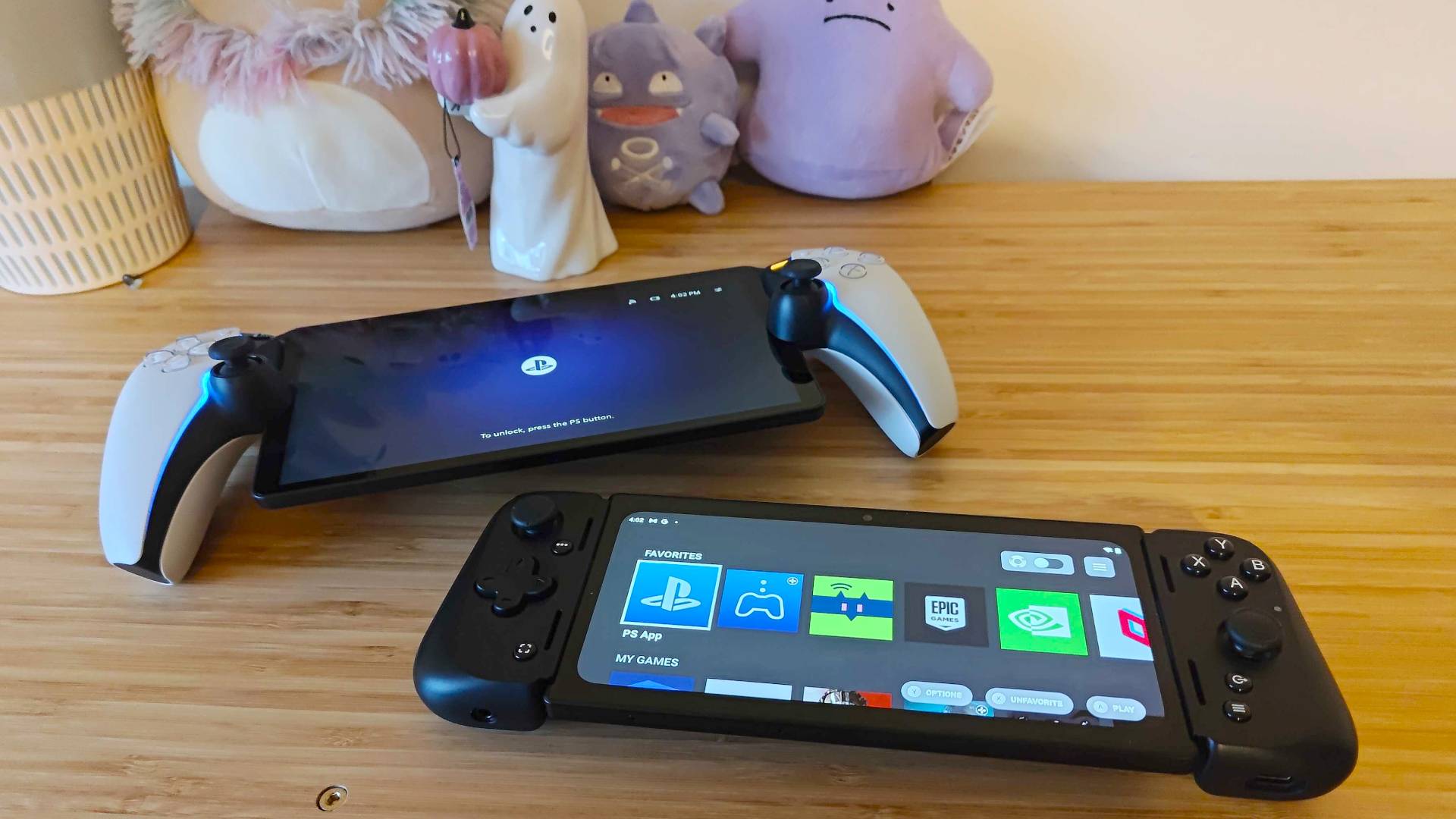
Sony has a habit of presenting big hardware changes as a matter of fact. You could say that's why I was surprised to see it preemptively announce that physical PS5 discs won't be a thing by 2028, as I was fully expecting the PS6 to simply rock up without a disc drive. However, that doesn't mean it's not hoping certain monumental trends will be naturally embraced before anyone has time to react, and the PlayStation Portal has sort of already signalled some upsetting handheld ambitions.
Yes, I know plenty of people love the PlayStation Portal, and I can see why. Those full-sized DualSense controls give even the best gaming handhelds a run for their money, and you could say it even influenced the Xbox ROG Ally X to embrace controller grips. Those perks have earned it plenty of praise, but I can look past how it dangled an always-online streaming device in front of us dressed up as a promising PS Vita successor.
The Portal may feel harmless enough as an add-on device targeting players who are into PS5 Remote Play or even dabbling with streaming. Hilariously, it couldn't even do the latter at launch, which in my eyes placed it in the same housebound ring as the Wii U GamePad. But, Sony does like to cite commercial success to back up its hardware and software decisions, and it could use said figures to argue people want streaming handhelds.
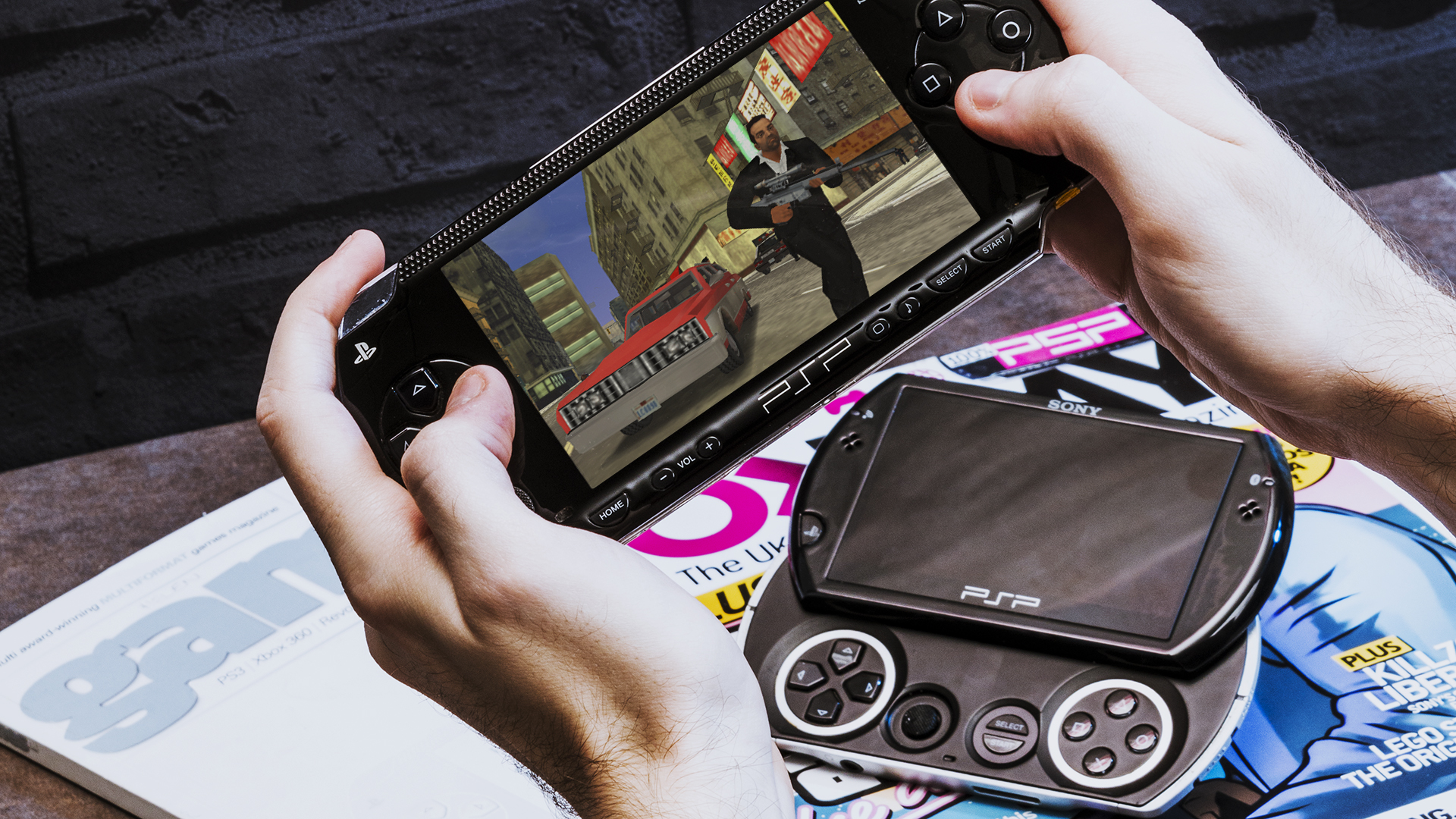
You only need to look back at Sony's more recent hardware history to see a "testing the water" trend. The PlayStation Portal isn't even its first attempt to make all-digital handhelds a thing, as it also made the PSP Go portable in 2009, which ditched the system's UMD disc drive.
Sony clearly had an overarching digital future in mind when coming up with the PSP Go, as while the $250 handheld with zero physical support for its own ecosystem of games was naturally a flop, the idea survived. In fact, you could say the Ericsson Xperia Play ended up being a spiritual successor, as it was pitching the idea of downloading games, all while including a few baked-in games based on that PS1 PUGA plug-and-play DualShock console I shared a couple of weeks ago.
The difference here is that the PSP Go and Ericsson Xperia Play are examples of Sony trying to get players to bite. It wasn't quite at the stage of presenting a portable that removes physical support entirely, as the PlayStation Vita was just about to take centre stage as a much safer bet. Still, the trajectory pointed towards all-digital ambitions, and there's an oddball system between the Vita and Portal that made the case for streaming.
I won't blame you for not remembering the PlayStation TV. It was originally called the "Vita TV" in Japan, which naturally helped signal its actual screenless handheld game functionality. Yes, it was basically a mini console that could run the portable's cartridges, but actually, Sony really seemingly wanted you to use it as a remote play box instead.
I'm not one for taking a hint, and I earnestly picked up a PlayStation TV to play Vita games on the big screen. It always irked me that the handheld lacked video output, so the tiny box felt like a reasonable compromise. The thing is that Sony actually blocked users from using a bunch of physical games with the system by using an internal "whitelist", meaning it wasn't ideal for playing your own collection.
Maybe I should have taken the lack of "Vita" in the box's title as a sign, but to me, the approach felt senseless. Yes, it used the lack of a touchscreen to bar some games from running, but that made little sense, seeing as controller emulation for compatibility was a thing. Add the fact that manually adding the missing games to the whitelist resulted in them running perfectly, and you have what appears to be a missed hardware opportunity.
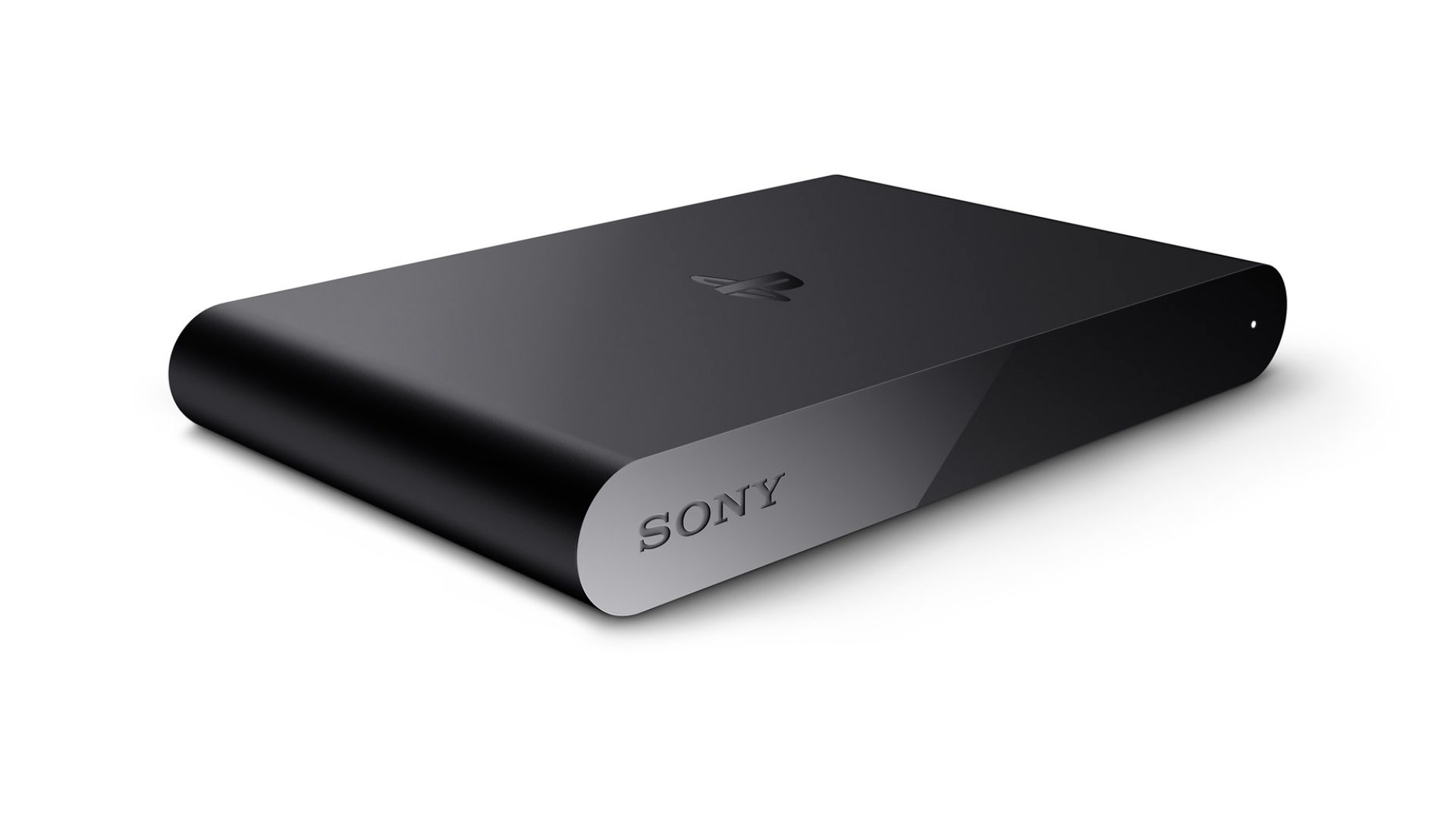
Except, I'm not convinced Sony didn't intentionally neglect the PS TV's Vita functionality. After all, its other big new feature, and one that led to it being specifically bundled with PS4 consoles, was Remote Play. By including the gadget with systems, players would be more likely to start using a type of streaming to play games, even if it did first start with local Wi-Fi play.
Of course, the PS TV was also a response to the 2010s smart box craze, as tech companies were going all in on making their own add-ons. Sony's gizmo could also access apps like Netflix, but if we're going to say it was rivalling anything, it's probably Valve's Steam Link that established PC remote play.
The strategic difference there is that Steam was always a digital storefront, whereas Sony built its house on physical game foundations. That's not to say you couldn't establish strong remote play features while keeping discs and cartridges alive, but it's the arrival of the PlayStation Portal that highlights an alternate path.
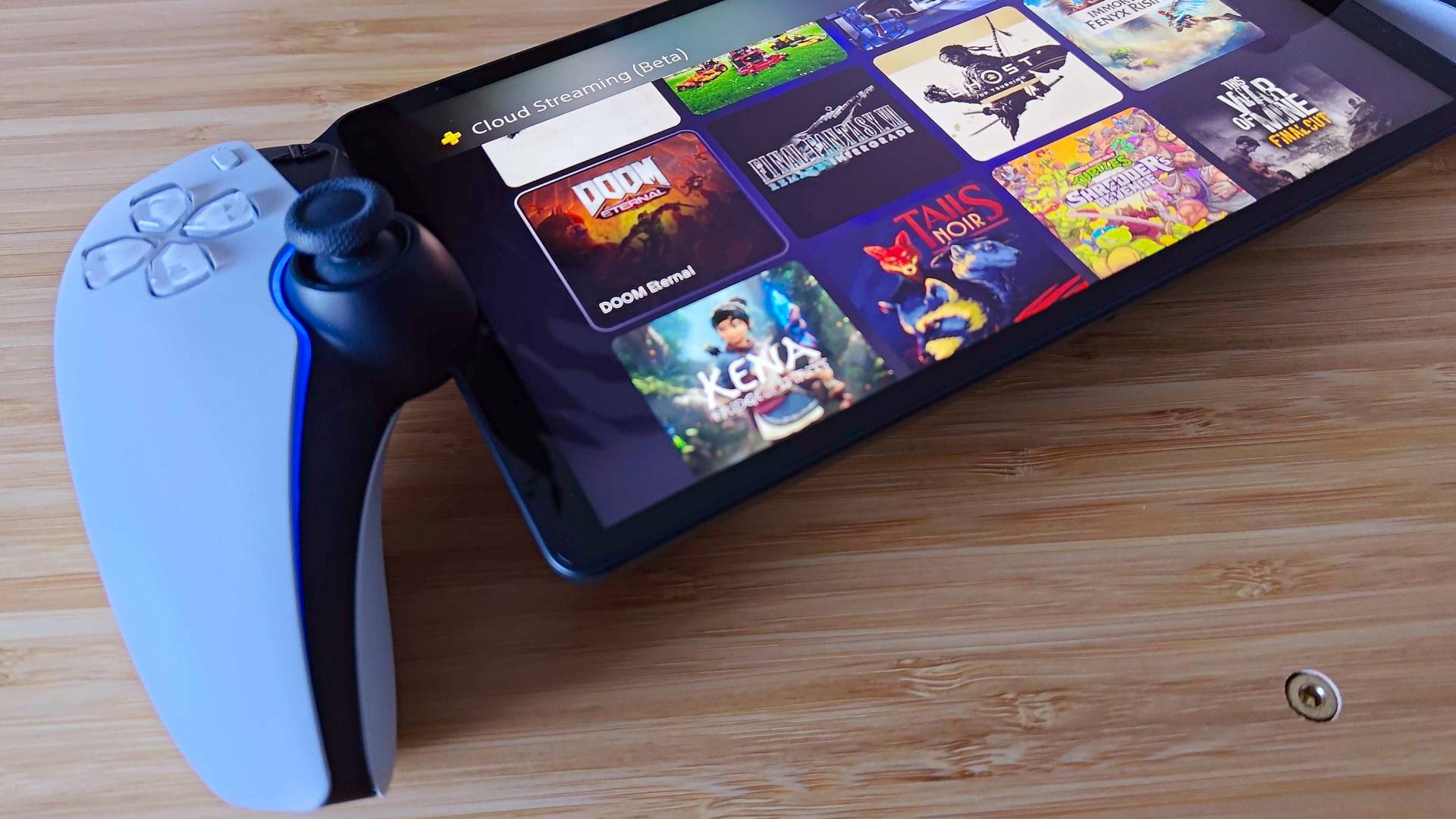
The PlayStation Portal was the first sign that Sony was accelerating its all-digital plans. It actually signalled that the company had locked in an all-digital future, and it was now ready to make a case for providing games via the cloud. In my review, I highlight that while it feels like a nice handheld, the fact that it totally neglects letting players run games natively makes it far too niche, but it's a niche that Sony was hoping to make stick through pricing.
It's hard to deny that the Portal's price is alluring. If I didn't know better, I'd be jumping at a PlayStation handheld for $200, especially one that provides that PS5 controller goodness. The unfortunate reality is that you're not really getting a portable console for that price: you're getting a "portal" to Sony's subscription service.
Here's my specific worry: the PlayStation Portal has been pretty successful, and Sony is absolutely one to follow market trends. The upfront reason it gave for pulling the plug on physical discs is that the vast majority of players apparently buy games digitally, so it could apply the same quantitative logic to its next handheld format.
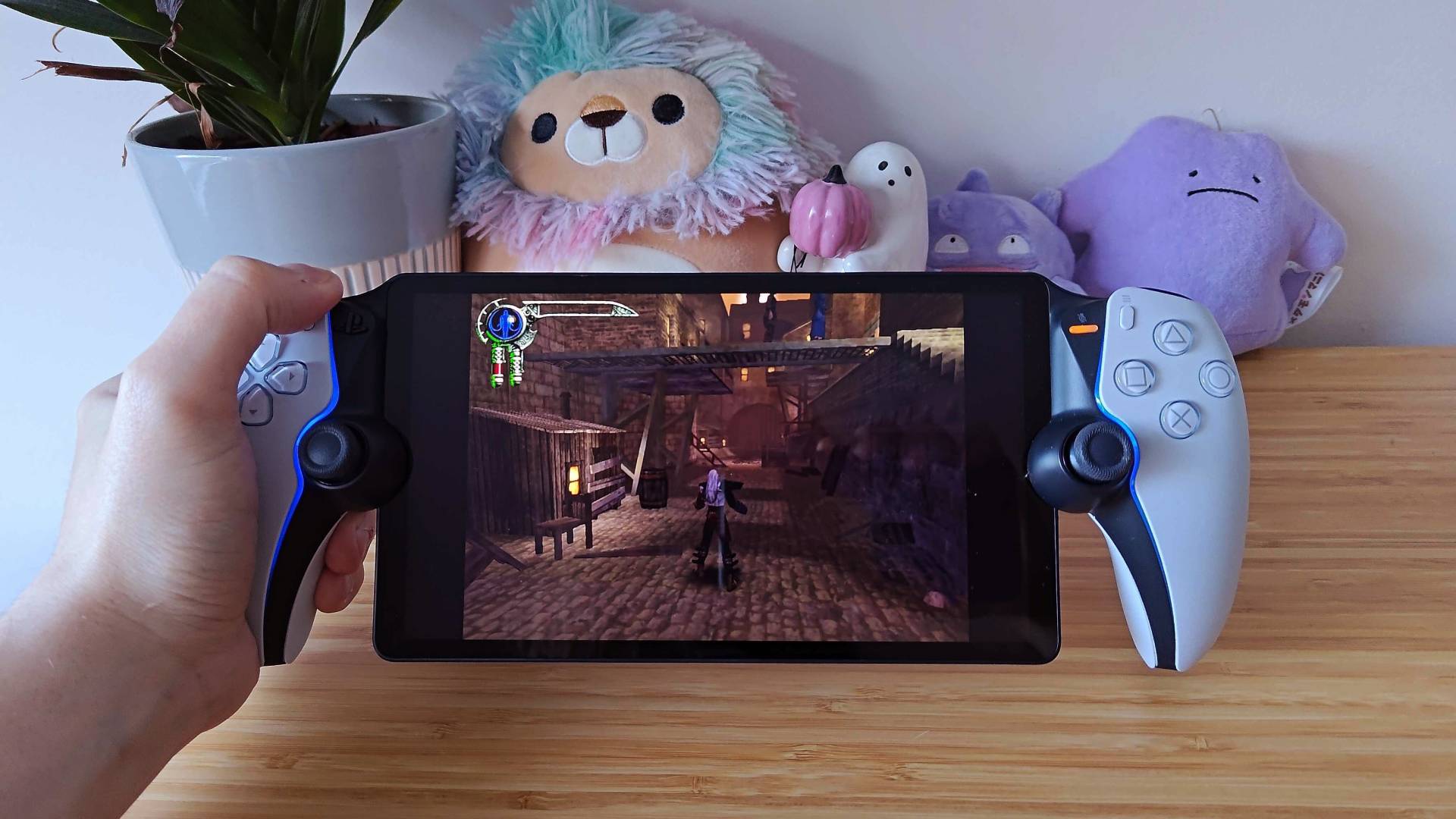
I can certainly see a reality where Sony releases a slightly higher-spec version of the portal alongside the PS6, rather than making a Steam Deck rival like current rumours seem to suggest. I'd even say that, if component price hikes caused by AI datacentres continue to persist, we might even end up with streaming being platformed as a solution.
I'm already seeing brand interest in creating streaming devices reignite, despite the cold response to low-specs, dedicated handhelds like the Logitech G Cloud. Just this week, teasers for a Lenovo C700 handheld designed with Tencent's PLAY platform emerged, and Acer is also cooking up a portable primarily for cloud gaming.
Right now, all the stars look unfortunately aligned for a streaming resurgence, and that means the future of consoles could be missing more than just discs. There's every chance that all the main players will point to the cloud as a solution for unaffordable hardware prices, and that completely takes any "ownership" over your game library out of your hands.
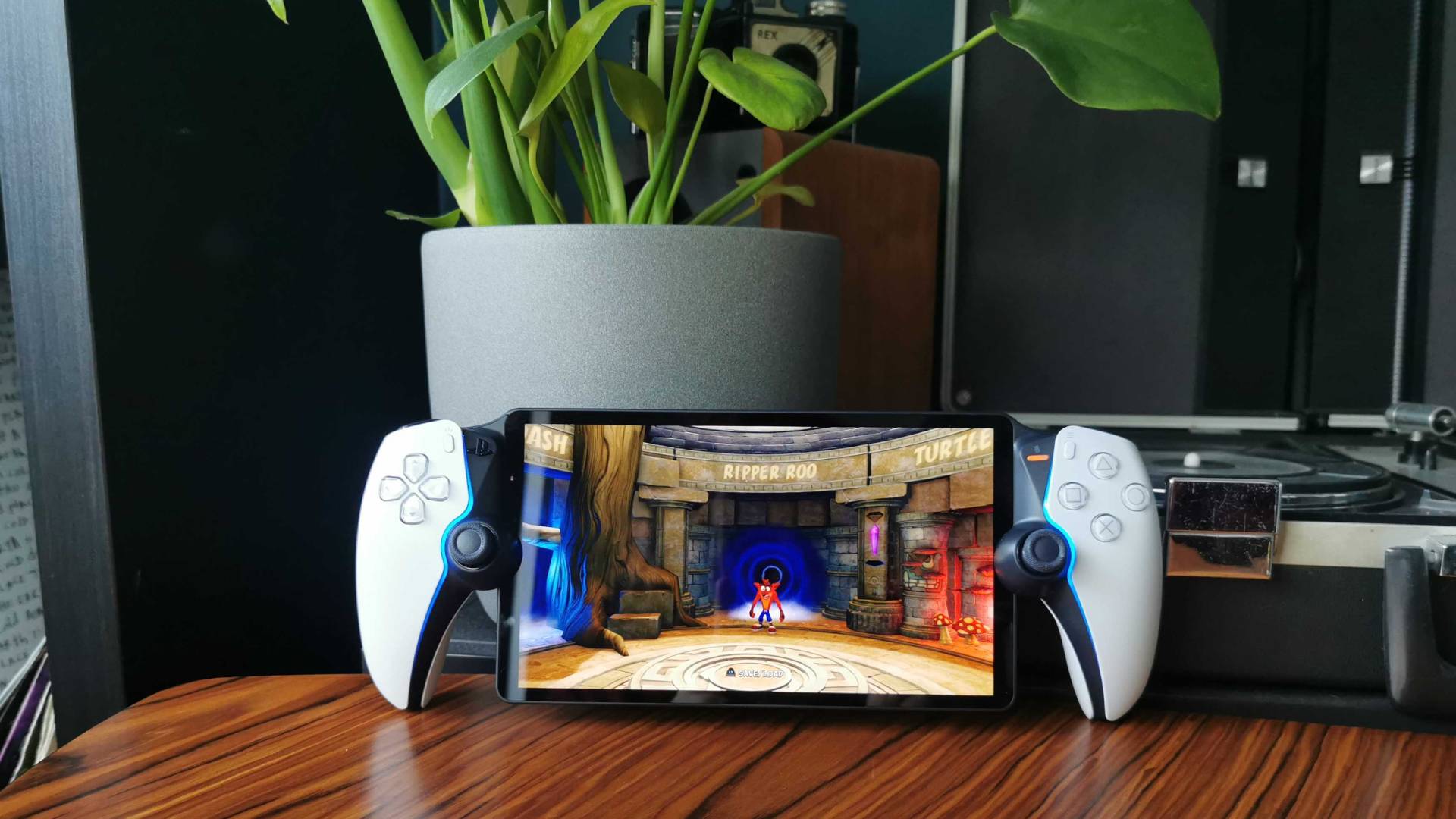
I don't want to sound like I'm completely bashing cloud streaming, as plenty of players enjoy letting servers deal with performance. It also works for people who are into the hands-off Netflix-style of paying to play rather than owning, but stable internet connections and monthly subscriptions aren't a luxury universally available to all.
Keep in mind that the PlayStation Portal arrived just before RAMageddon really ramped up. Therefore, it's reasonable to assume that Sony was already seriously thinking about hardware designed only for streaming games, rather than downloading purchased releases. In my eyes, there is a path in front of the console giant, and it seems to lead to some pretty stormy clouds.
Swing by the best retro handhelds if you're looking to play the classics.
Source link