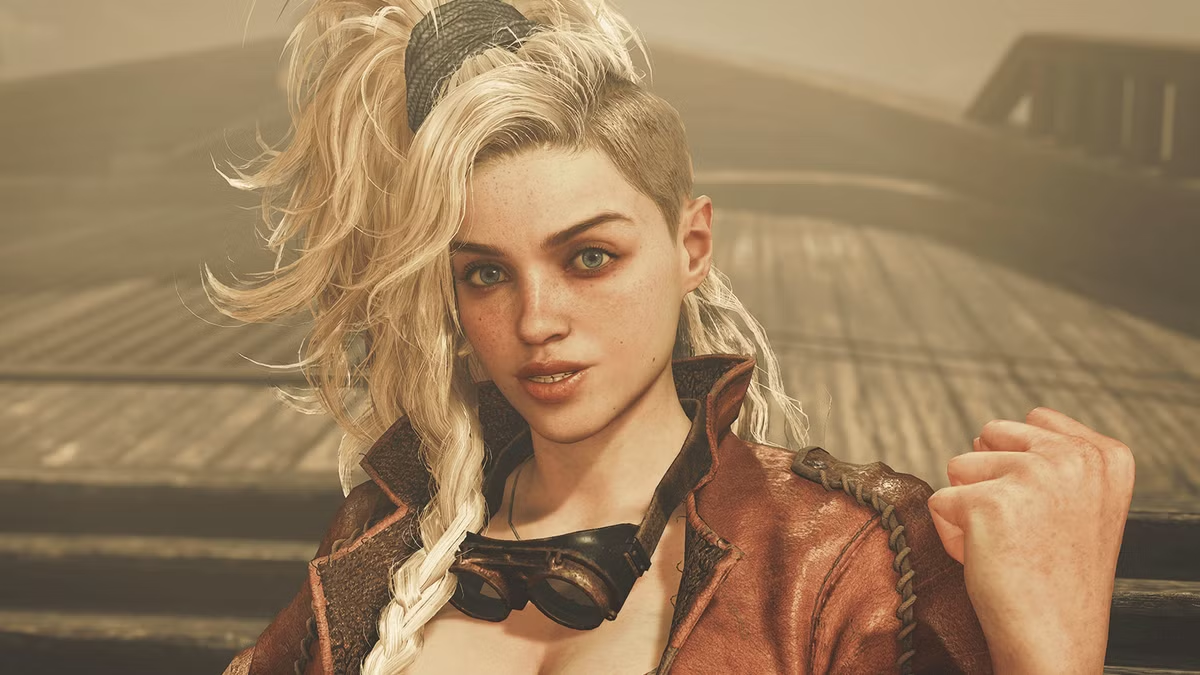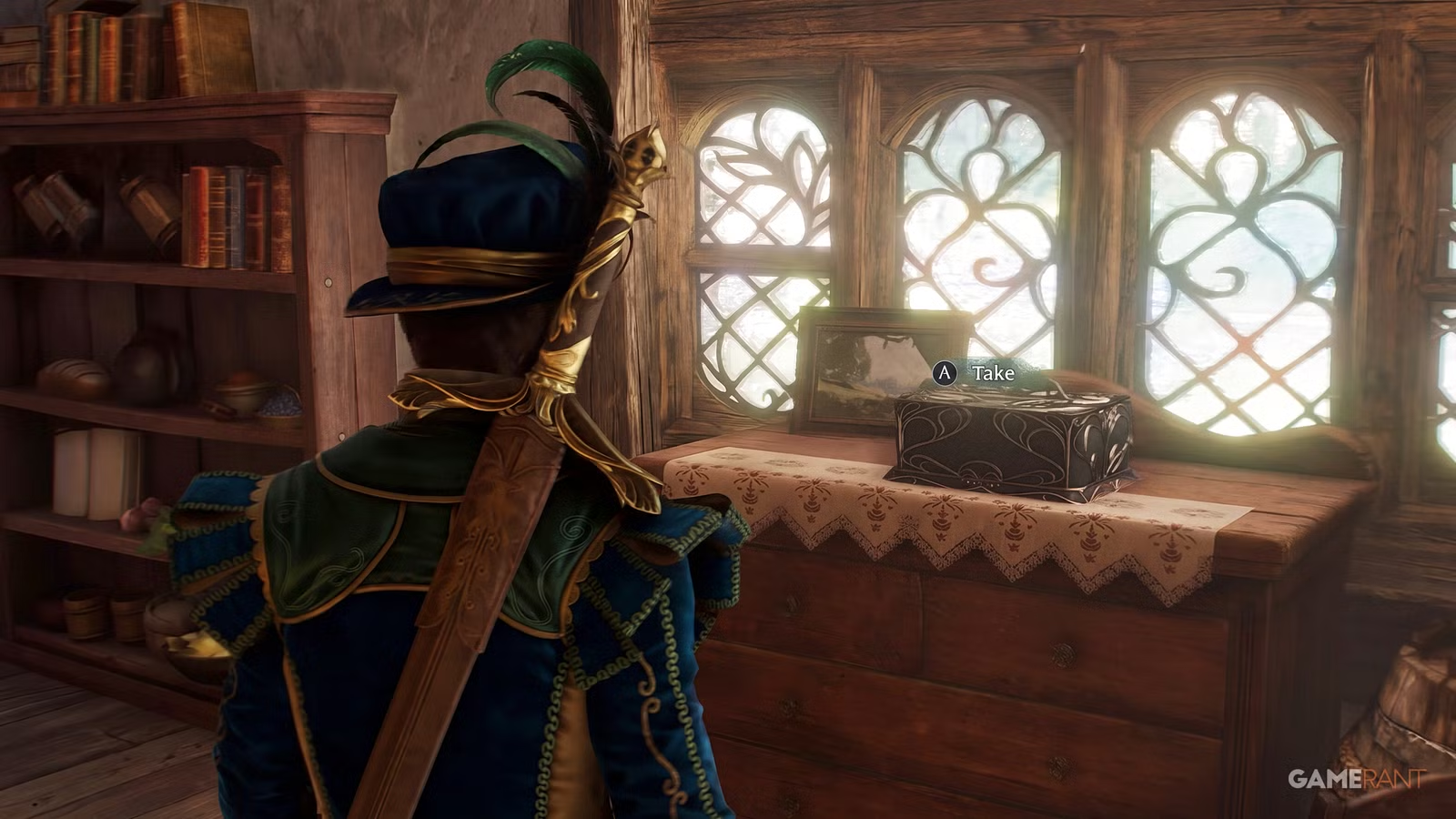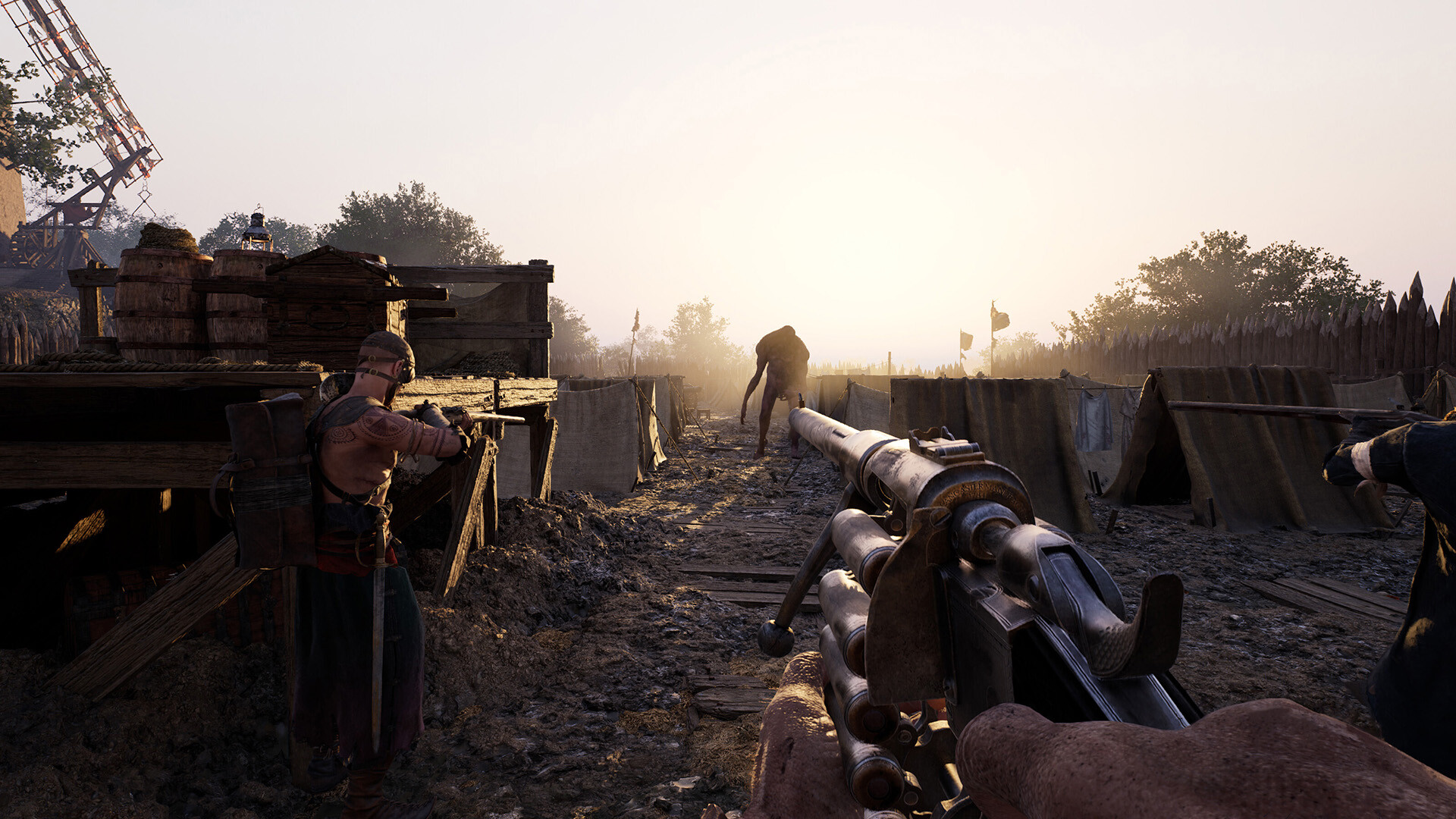
Hunger defies the extraction shooter formula in many ways, but we'll start with the semantics. In the hour I spend picking through its Napoleonic-era French countryside, which has been ravaged by the undead victims of a devastating plague, I often reach for my sword over the flintlock pistol fastened to my belt. But Hunger's individuality goes beyond pedantic limb-hacking. Here is a self-described "extraction RPG," where players leave the safety of their chateau's walls not necessarily to slaughter each other – though that's certainly an option – but to scavenge for supplies, be it extra ammunition or materials to be used in MMO-style professions.
While getting hands-on with the game, I'm accompanied by director Max Rea, who FPS fans may know as one of the key developers behind hardcore World War 2 shooter Hell Let Loose. It remains one of the best FPS games I've played – and is certainly the most absorbing – so it's good news, then, that Hunger is being made by "all the same people" reconstituted under developer Good Fun Corporation.
Now, the team is wielding its longstanding love of extraction shooters to bend the genre's framework to their will. "Arc Raiders is probably the closest thing to [Hunger], mixed with a bit of Dark and Darker and a bit of Escape from Tarkov," says Rea. "We have tried to position it much more as kind of like an Elder Scrolls-style extraction shooter [...] We feel there's [still] depth, but it should hopefully feel more intuitive if you've played, for instance, Morrowind, Skyrim, those types of games."
La grande vision
Check out our Marathon review for my thoughts on Bungie's latest extraction shooter. If that's not your style, our best shooters round-up offers a broader slew of recommendations
With Hunger, the team at Good Fun Corporation can flex their imaginations without adhering to the historical accuracy their past work demanded. "Being very honest, with Hell Let Loose, it was so prescriptive," says Rea. "There were no creative decisions for us to make with regard to context, because it was so antithetical to what we should be doing in our mission of recreating history."
Going the opposite way, Rea's team imagines Napoleonic Europe, still reeling from war, struck by an apocalyptic zombie-esque plague. Hordes of its victims, the titular Hunger, roam the countryside, forcing survivors to take shelter in a fortified chateau. The chateau serves as a base of operations to trade and store gear, take on quests, hone professions, and compare your fit to other players. "It's kind of mirroring that capital city vibe in World of Warcraft [...] It's a very performative space," offers Rea.
Stepping outside of the chateau's walls, Hunger's devastated countryside brings smoky oil paintings of the Battle of Waterloo to mind, and I'm reminded of Christopher Buehlman's exceptional medieval horror Between Two Fires. Passing through a ruined village, it's hard to tell whether it's been destroyed by the Hunger or pillaged by a marauding army. "We like the idea of a Napoleonic era gone wrong – kind of 28 Days Later meets Napoleonic history – and then we injected a lot of this Renaissance artwork and really mined the era," says Rea. "We've ended up with this strange mix of gothic Renaissance vibe running into Napoleonic history."
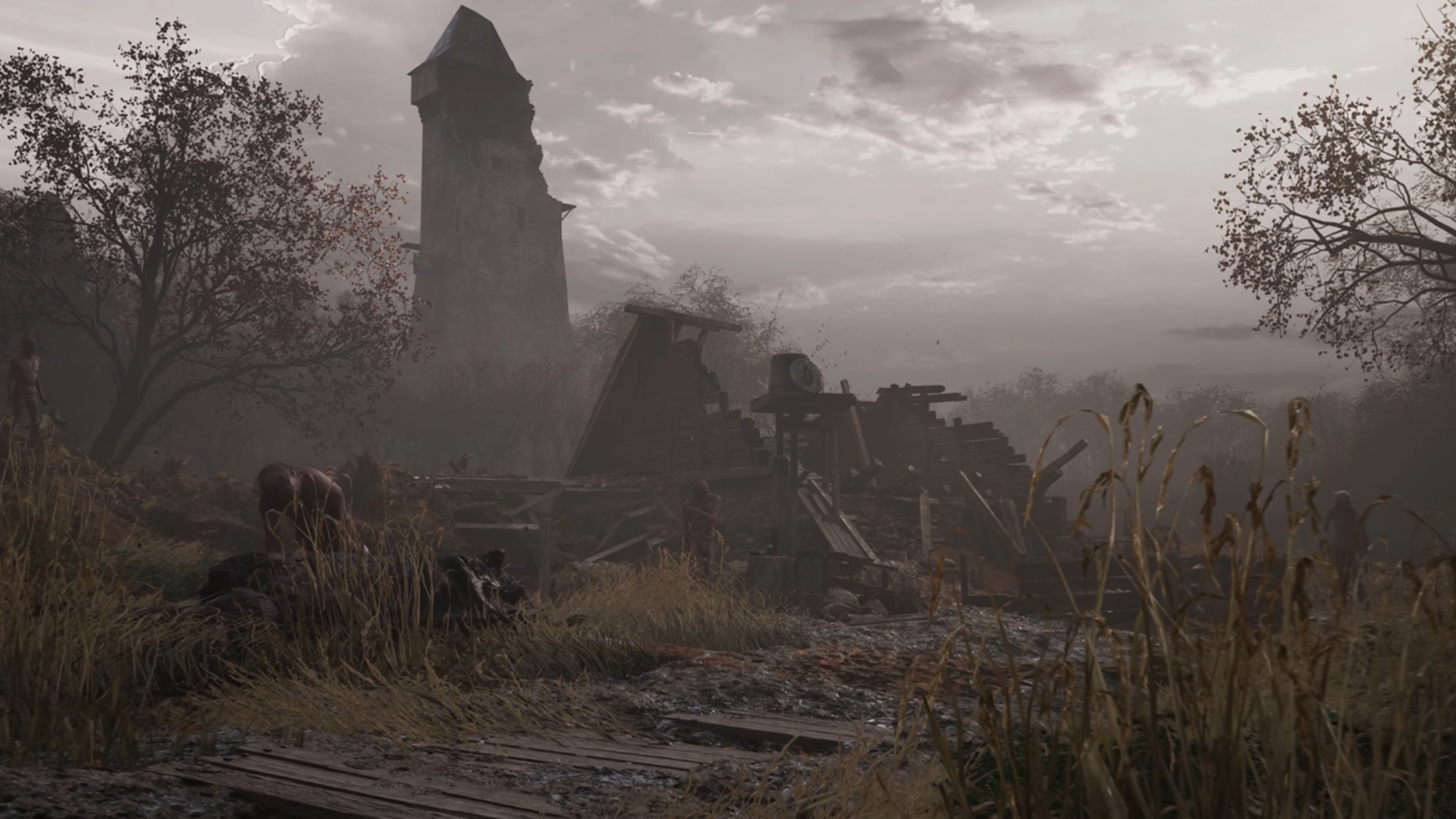
While Hunger's setting stands out, so too does its approach to extraction norms. Good Fun Corporation takes a streamlined approach to the often-hardcore genre, with Rea's Arc Raiders comparison proving accurate. It's certainly a far cry from the hours I've spent in Escape from Tarkov – for starters, I'm hacking up zombies with delightfully snappy directional melee combat – and as Rea explains, Good Fun Corporation is keen for Hunger to shine as an RPG.
"We've played extraction shooters for a long time, and really enjoyed them, and felt fundamentally that they were almost a roguelike take on what would otherwise be a linear experience," he says. "We wanted to have our take on it but blend in more elements, remove the [progression] spine away from gear, which is what it is in Tarkov, and put it instead into the stuff we loved, which was RPGs, and progressing a character and skill trees."
Rea points to wipes, which are the practice of resetting players' stashes back to default in the likes of Escape from Tarkov and Marathon – designed to maintain a level playing field.
"Wiping in Tarkov was a happy accident, something they had to do because of their infrastructure, but it's unheard of that you would wipe your character in World of Warcraft or an RPG [...] You simply start a new character if you want to play through a different experience," Rea explains. "As we got older, the idea of having months of progress wiped was really off-putting. It didn't suit me anymore, and I like the idea of constantly progressing and being able to focus on different aspects of progression, rather than getting all the gear, become super powerful, and dunking on everyone so much that the whole game has to be reset."
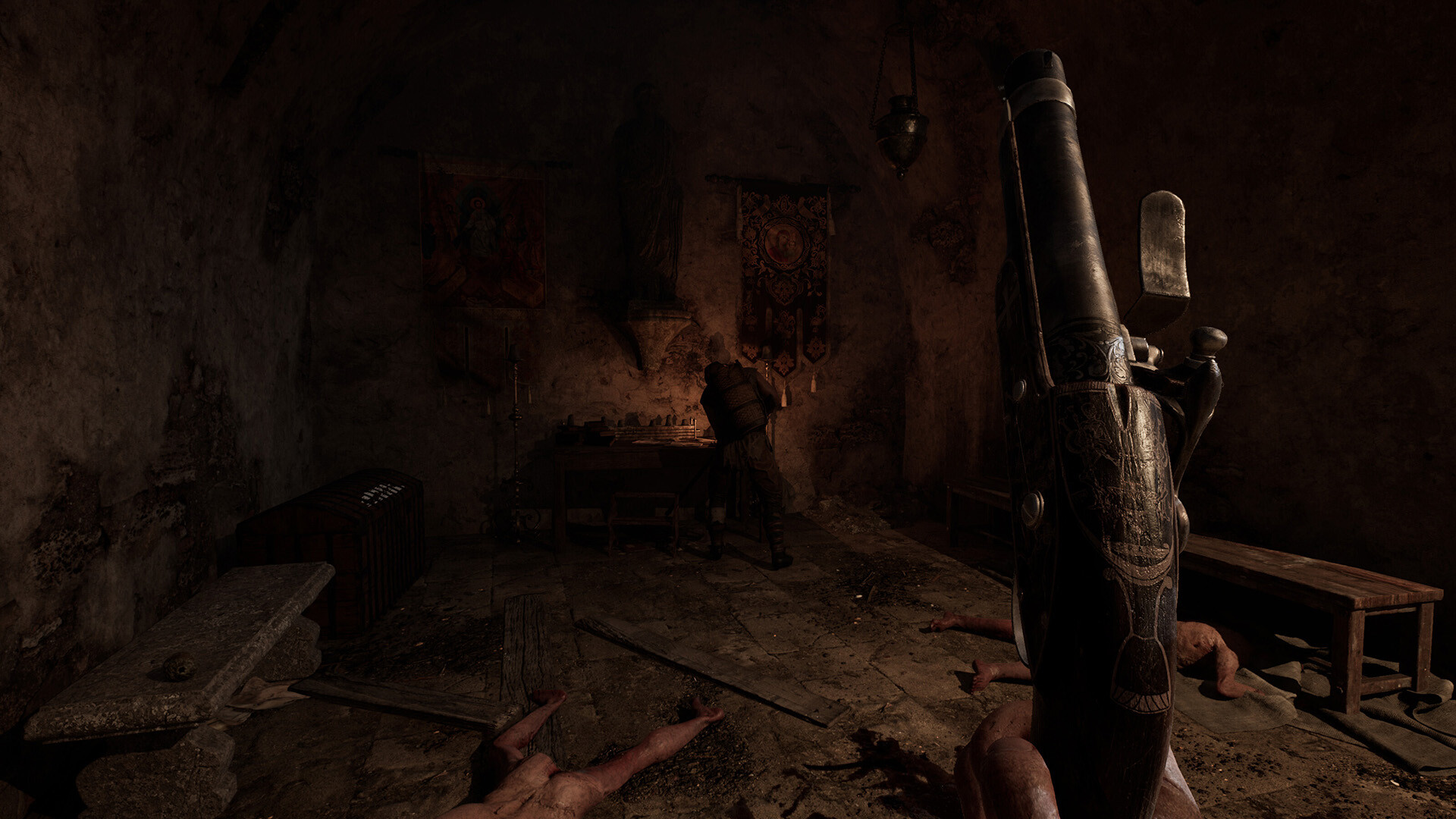
The team are "all old school World of Warcraft players," which has informed much of Hunger's direction. Professions, for example, encourage players to lean on each other's expertise to craft powerful gear. "You work with friends, potentially in a guild, and can craft [things for] each other," says Rea. A Scavenger or Naturalist may venture outside to collect materials for other professions, for example, while more hands-on roles like Gunsmith or Physician will see players turn those raw materials into gear. These MMO-style professions create a middle-ground between Hunger's player market and NPC traders, offering an alternative to gearing up beyond yanking it from someone's still-warm corpse. It's also handy for balance: players are encouraged to create another character to cover all professions, diverting the formula away from wipes.
"The path we see players take in Hunger is to effectively have a suite of characters that they unlock one after the other," says Rea. "We're looking at the best RPGs and best MMORPGs in the world and saying 'what do they do?' Why is it that you're not deleting your Oblivion save file? Why are you not deleting a World of Warcraft character? Because you've got to make a brand new one to play through, while also keeping your main, and then balancing the different going concerns of the characters you have. You're taking new professions on your character, you're doing a new build, so on."
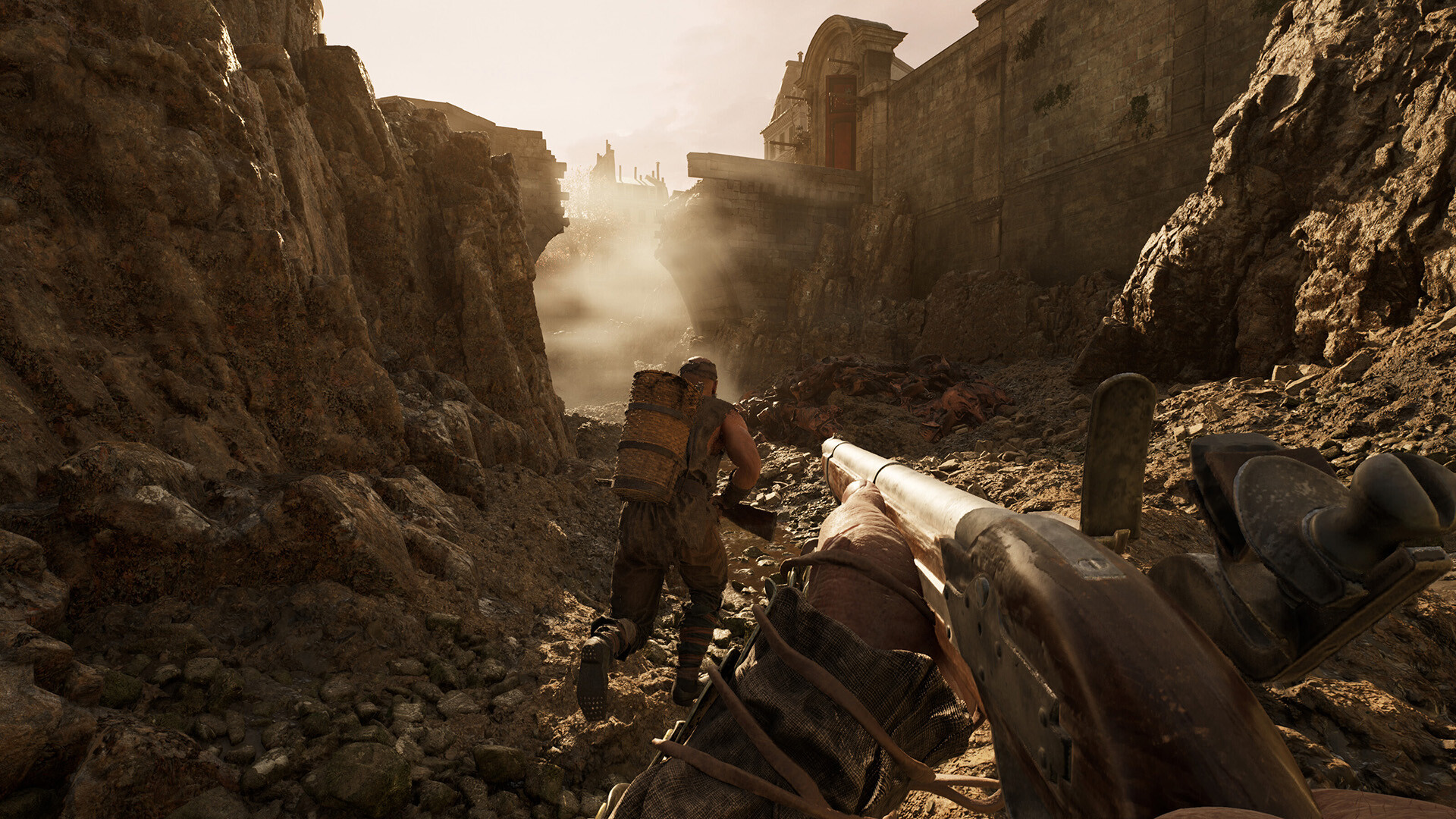
By "moving the spine of progression away purely from gearing and therefore killing people," Rea hopes to let Hunger's RPG elements shine all the brighter. "We wanted to set up tons of different motivators for a player, be it finishing quests, exploring a particular location, or farming particular items and resource nodes. In that way we've tried to make it so that yes, you can PvP, but it's not the whole reason you play the game [...] We want to be in a place where players who are not massive extraction sweats, for lack of a kinder term, feel excited to jump in and have lots of interesting things to do.
That's not to say the more cold-hearted among us will be left empty-handed. Each map in Hunger will feature below-ground dungeons designed to "draw the very dangerous players" – Rea compares them to Escape from Tarkov's end-game Labs map – and as a PvP fan myself, I can't wait to see how fighting another player with a clunky flintlock pistol and saber goes. Rea laughs when I ask how melee versus ranged tactics will feel balanced. "It's funny because it goes back and forth. The Discord community is like 'melee sucks, I keep getting killed by ranged,' and then the other half are saying 'ranged sucks, I keep getting killed by melee', which is great because that's where we want to be!"
Playing Hunger, I find myself taken with its wider lens. Where other extraction shooters dig further into the genre's niches – Tarkov's realism, Marathon's breakneck PvP, Arc Raiders' PvE – Hunger is more concerned with iterating outwards. By tracing the genre's RPG roots back to their source, Good Fun Corporation has landed on a vision that doesn't feel crammed between its peers – and if you're half the extraction sicko I am, Hunger is already one to salivate over.
The future of multiplayer shooters
Explore how multiplayer shooters are evolving, with developers on Marathon, Arc Raiders, and Last Flag sharing their insight
Source link