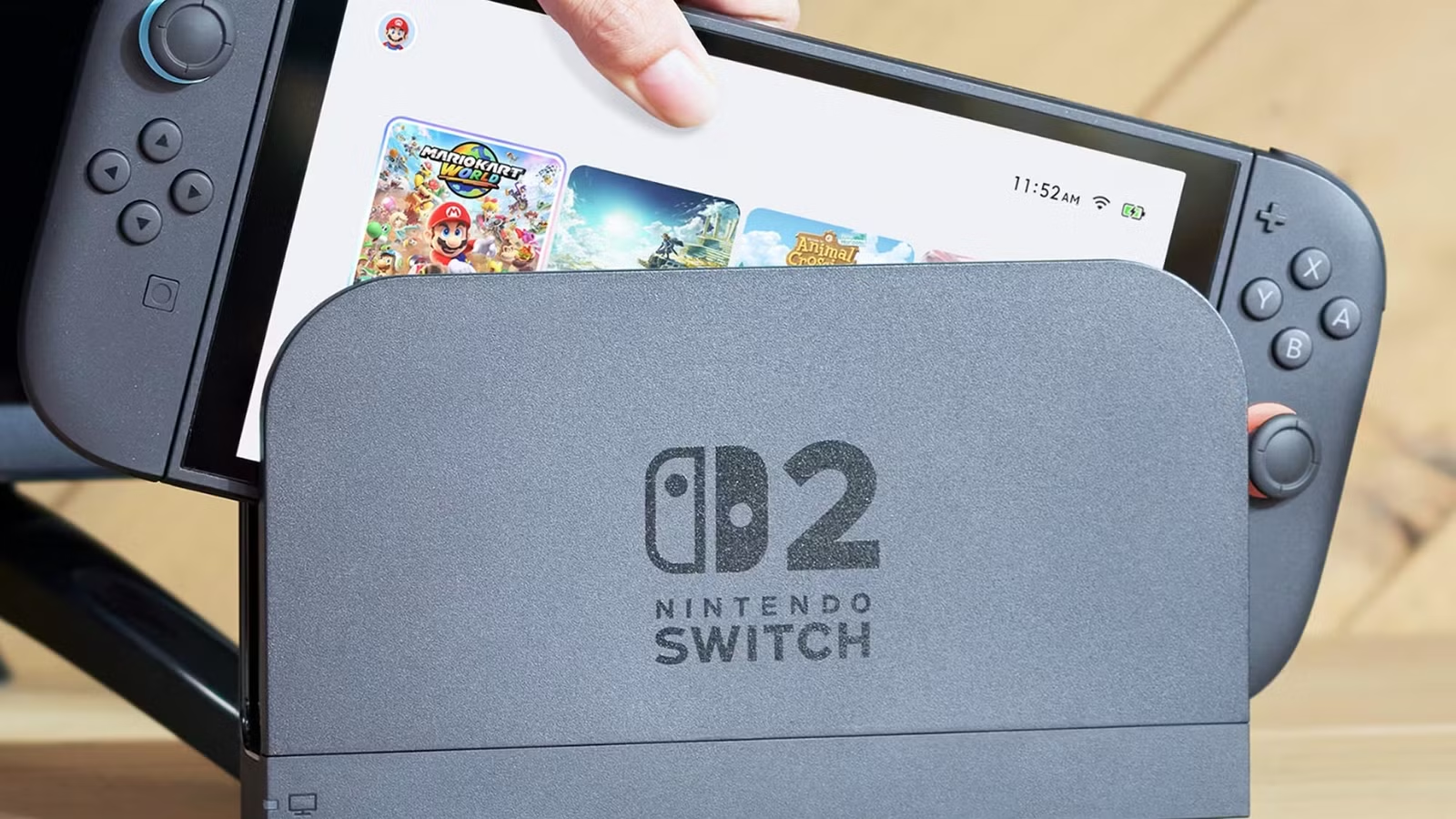
Nintendo Switch 2 Is Beating Every Other Gaming Handheld Where It Matters Most


While he believes all gaming genres and categories have worth, Nick's interests lie primarily in the realm of single-player experiences, with hand-crafted stories, tight and challenging gameplay, and emotive, unique visual and audio design. On the industry side of things, he is committed to supporting creators, identifying and criticizing exploitation, and combating negativity and toxicity.
Aside from gaming, he enjoys long-distance running, reading, contributing to his blog, working on his Honda CX650C, writing fiction, and having a beer or two.
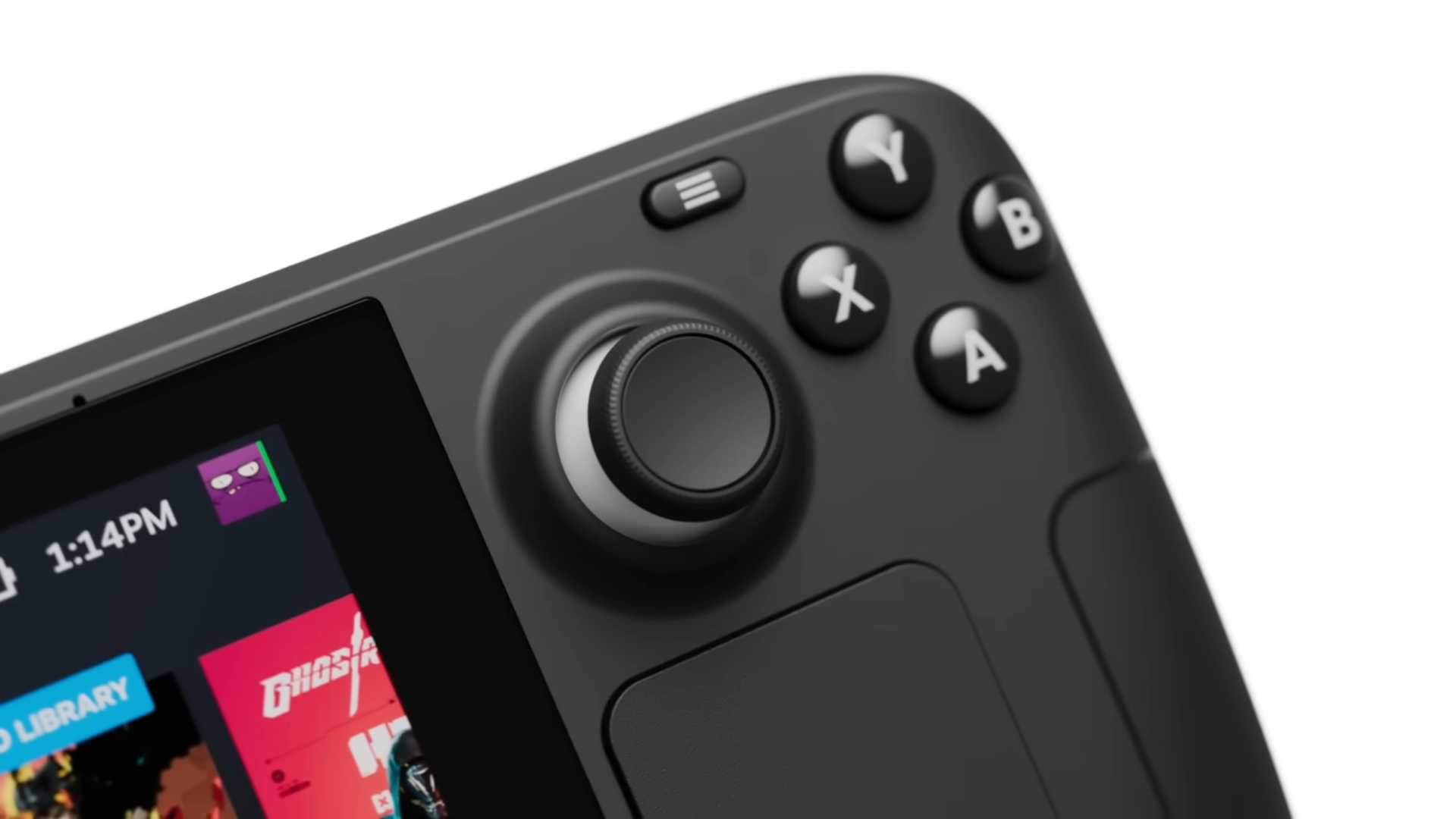
When I first bought my Steam Deck, I momentariluy believed that the Nintendo Switch 2 was, for lack of a better term, washed. Here was a powerful, ergonomic device by Valve, one that punches far above its weight in terms of fidelity and performance, and there was a still-underpowered hybrid machine from Nintendo, stuck in Nintendo's often-problematic ecosystem, primed to be replaced by the dawn of the next console generation.
But then the Nintendo Switch 2 actually released, and I was thrust back to the Spring of 2017, when the first Switch was the hottest piece of gaming hardware on the market. The Switch 2 didn't quite inspire the same frenzy, but it was still immensely successful: Nintendo says that the Switch 2 sold just under 20-million units as of March 2026, and that the device sold a dizzying 3.5-million in its first four days alone. Valve doesn't release sales information like Nintendo does, but a 2025 report by market analysis firm IDC estimated that the Steam Deck moved about 4-million units in its first two years on the market. For reference, the Switch 2 launched in June 2025. If the above figures are accurate, this would mean that the Switch 2 has sold roughly five times as much as the Steam Deck, more than ten times faster–remarkable gaps, especially considering that the Steam Deck is the most accessible and popular handheld PC on the market.
No Handheld PC Is Beating Nintendo's Brand Recognition and Image


 Image via Nintendo
 Image via Nintendo
 Image: Nintendo


Nintendo is the most recognizable mainstream name in gaming, no contest. Sure, non-Nintendo games like Grand Theft Auto 6 and Call of Duty are cemented in the zeitgeist, but not at all in the same way. Nintendo intentionally casts the widest possible net with its products, thoughtfully designing the Wii and Switch systems with group play and novelty in mind. This is to say nothing of its many party games, like Mario Kart and Super Smash Bros., which are commonly beloved even among non-gamers.
It's not quite as simple as Nintendo succeeding off the back of great exclusives, however. It's more about the company's general philosophy towards gaming and entertainment in general. Nintendo has a very whimsical approach to its products and branding, leaning into ideas that its competitors overlook, like motion controls, and implementing them in a way that attracts swaths of consumers. This trait is somewhat ephemeral, which is part of why it's so hard for other companies to replicate it, try as they might. Make no mistake, Nintendo is as shrewd and business-oriented as any other major gaming company, but one could argue that its goals happen to align closer with the interests of consumers, since accessibility and fun are prioritized over depth and abrasive experimentation.

Handheld PCs occupy an entirely different corner of the market, one that is necessarily more niche. While some gamers use a handheld PC as their primary driver (it's especially useful for those without the space for a full tower, for instance), they are usually sold as auxiliary machines rather than complete consoles in and of themselves. While some handheld PCs surpass the Switch 2 in terms of raw power, they still wind up feeling like compromised experiences because, in a sense, they are: no handheld PC is going to measure up against a traditional, high-end machine. Meanwhile, the Nintendo Switch 2 can safely call itself the one and only home of games like Donkey Kong Bananza and Metroid Prime 4. There is quite literally no comparison.
RAMageddon: How the Nintendo Switch 2 May Be More Future Proof Than a Handheld PC


 Game Rant | Source images: Asus, Microsoft
Here's where things get even dicier. As many gamers and tech enthusiasts are all too aware, we are in the midst of a severe components crisis thanks to massive, bullish AI investment across the globe. This has often been called a shortage, and while this is a little more accurate in the wake of the Iran war, which has disrupted trade through the Strait of Hormuz, it would be more accurate to call the situation a hoarding. There’s plenty of RAM, but AI companies are buying it all, prompting wafer and raw material prices to skyrocket. To put things in perspective, OpenAI–one major AI company out of several–owns around 40% of the world's RAM supply.
Nintendo intentionally casts the widest possible net with its products, thoughtfully designing the Wii and Switch systems with group play and novelty in mind.
This is why the PS5 and Xbox Series X, despite turning six this year, are both more expensive than they've ever been. Even the Nintendo Switch 2 has gotten a price hike, but this actually reveals why it's in an advantageous position. The Switch 2's MSRP was raised from $449.99 to $499.99 this year, whereas 2026 saw the PlayStation 5 go from $549.99 to $649.99, after being raised from $499.99 to $549.99 last year. The one-year-old Switch 2 has had a price hike, but that brings it to the same price that the PS5 was in 2020, whereas the six-year-old PS5 has gone far past that point.
These price increases are a direct result of the global component problems, but the Switch 2 is obviously less affected. We can speculate that this is at least somewhat related to the console's 12GB of total RAM (3 system, 9 VRAM), compared to the PS5's 16GB, or the PS5 Pro's 18GB. The Steam Deck also boasts 16GB of unified RAM. Given the current situation, an additional 4-6GB of RAM can make a big difference in manufacturing costs. Long-term storage is also impacted by the hoarding crisis, and the Switch 2 has far less integrated storage than the Steam Deck, as the former starts at 256GB, and the latter starts at 512GB with higher-capacity options.
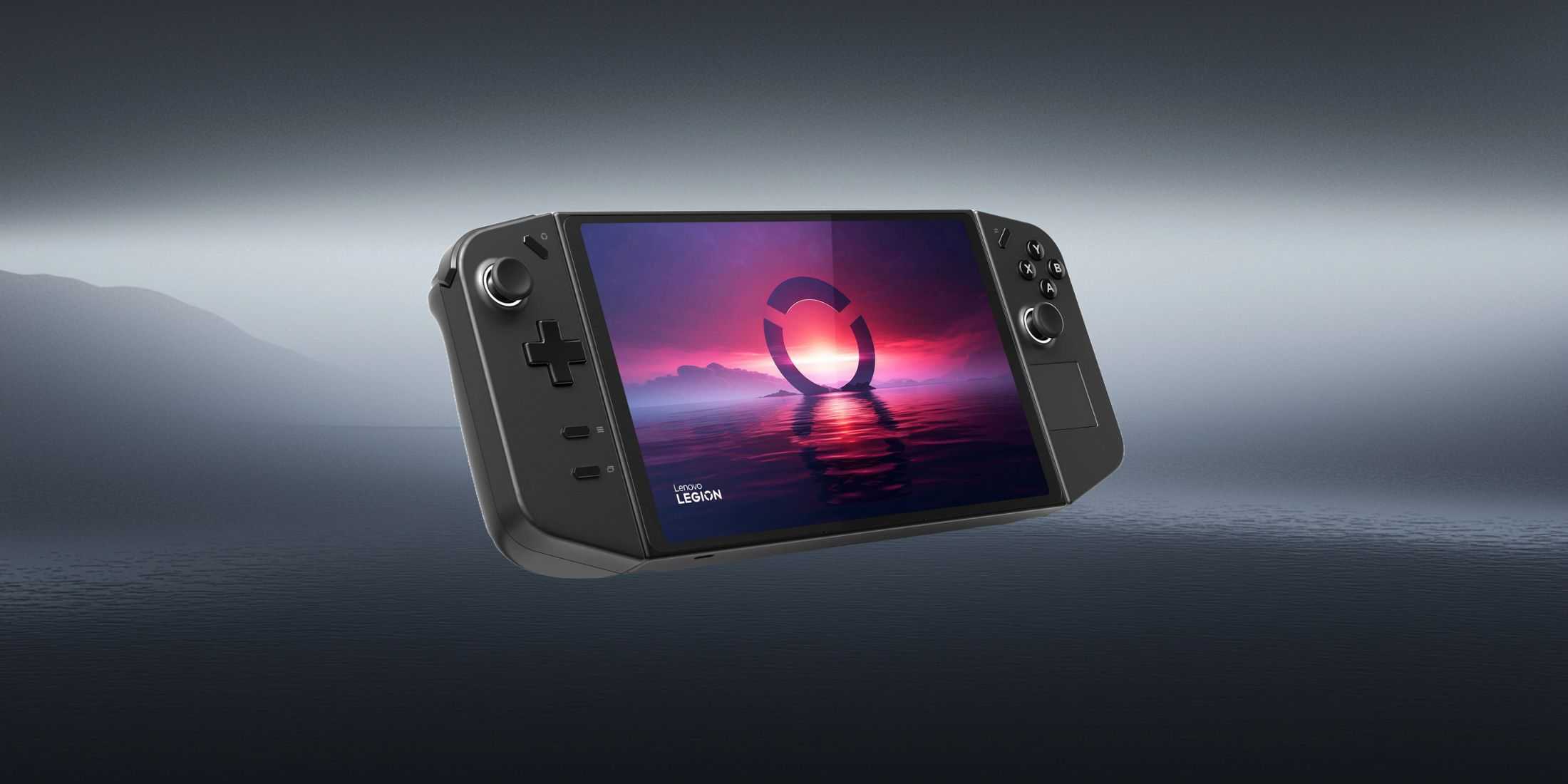
Moving forward, Nintendo can settle into the less-demanding hardware space, prioritizing its first-party games, indies, and even technically compromised AAA titles from third-party developers. No one is expecting PC-grade performance from the Switch 2, but the same can't be said for the Steam Deck, Lenovo Legion Go, or Asus ROG Ally. The Switch 2 is thus much better equipped to weather the current components crisis, since it can be manufactured for less while not necessarily suffering from its lack of raw power.
Source link