
An exclusive One Piece promo reportedly sent resellers racing to bookstores across Japan
Related



One Piece card scalpers cause rare Weekly Shonen Jump shortage, leaving manga fans empty-handed

For decades, picking up the latest issue of Weekly Shonen Jump has been a weekly ritual for manga fans across Japan. This week, however, many readers found themselves unable to buy the country's most iconic manga magazine — not because of overwhelming demand for its stories, but because of a single trading card.
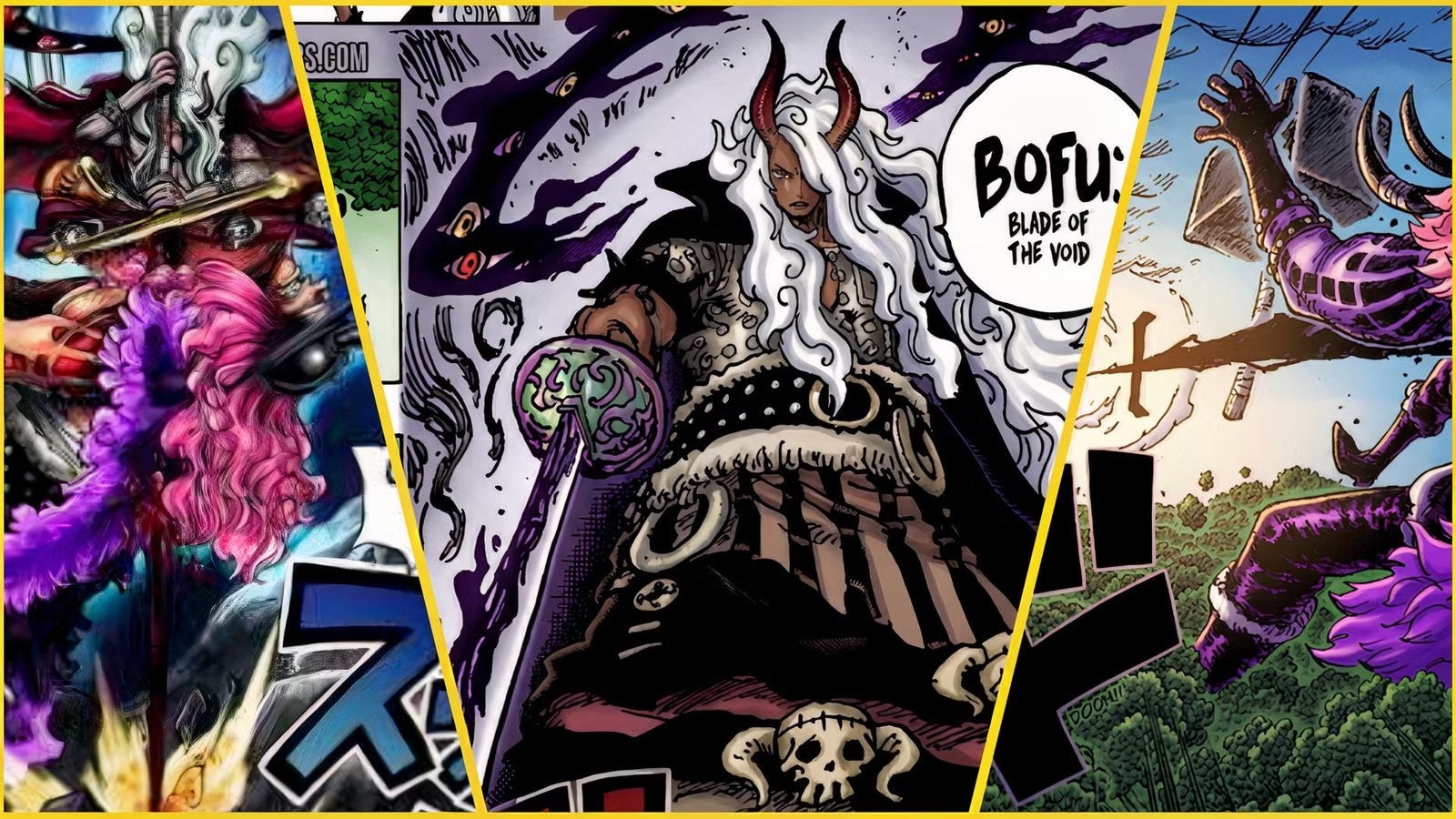
The latest issue of Weekly Shonen Jump reportedly sold out across Japan after resellers targeted an exclusive One Piece Card Game promotional card bundled inside. Social media quickly filled with posts from frustrated readers, many claiming it was the first time in years — or even decades — they had been unable to find a copy of the magazine due to scalpers.
The timing only made the shortage sting even more for several readers. The issue also featured the final chapter of Blue Box, Kouji Miura's beloved romance-sports manga series that has run in Weekly Shonen Jump since 2021. After reports spread that fans couldn't purchase the magazine, Miura acknowledged the situation in a post on X, apologizing to readers who missed the opportunity to experience the ending in print.
While the shortage centers on One Piece, it's really the latest example of a much larger trend surrounding trading card speculation. Over the past several years, collectible card games have transformed from niche hobbies into major investment markets. The Pokémon Trading Card Game exploded during the pandemic as high-profile collectors and influencers, including Logan Paul, helped push rare cards — and even graded collectibles — into the mainstream.
Since then, limited promos across Pokémon, Disney Lorcana, Magic: The Gathering, and Bandai's rapidly growing One Piece Card Game have routinely attracted long lines, purchase limits, and resale markups. More recently, scalping within the world of Pokémon’s TCG has become such a nuisance for the brand that Nintendo’s president, Shuntaro Furukawa, acknowledged the issue in the latest shareholders' meeting.
What's unusual with the Weekly Shonen Jump debacle is how the speculative frenzy has spilled beyond the card game itself. Instead of emptying hobby stores, resellers reportedly cleared out bookstores, turning a manga anthology into a collectible product, which, incidentally, sounds a lot like what Logan Paul was attempting only a few months earlier. For many buyers, the magazine became little more than packaging for the promo card inside.
For generations, Weekly Shonen Jump has been about the stories inside its pages. This week, however, many readers couldn't experience those stories, particularly the long-anticipated finale of Blue Box, because the magazine had effectively become packaging for a highly sought-after One Piece card. It serves as a reminder that the effects of trading card speculation now extend well beyond hobby shops.
Check out this Shelf Quest video:
Source link