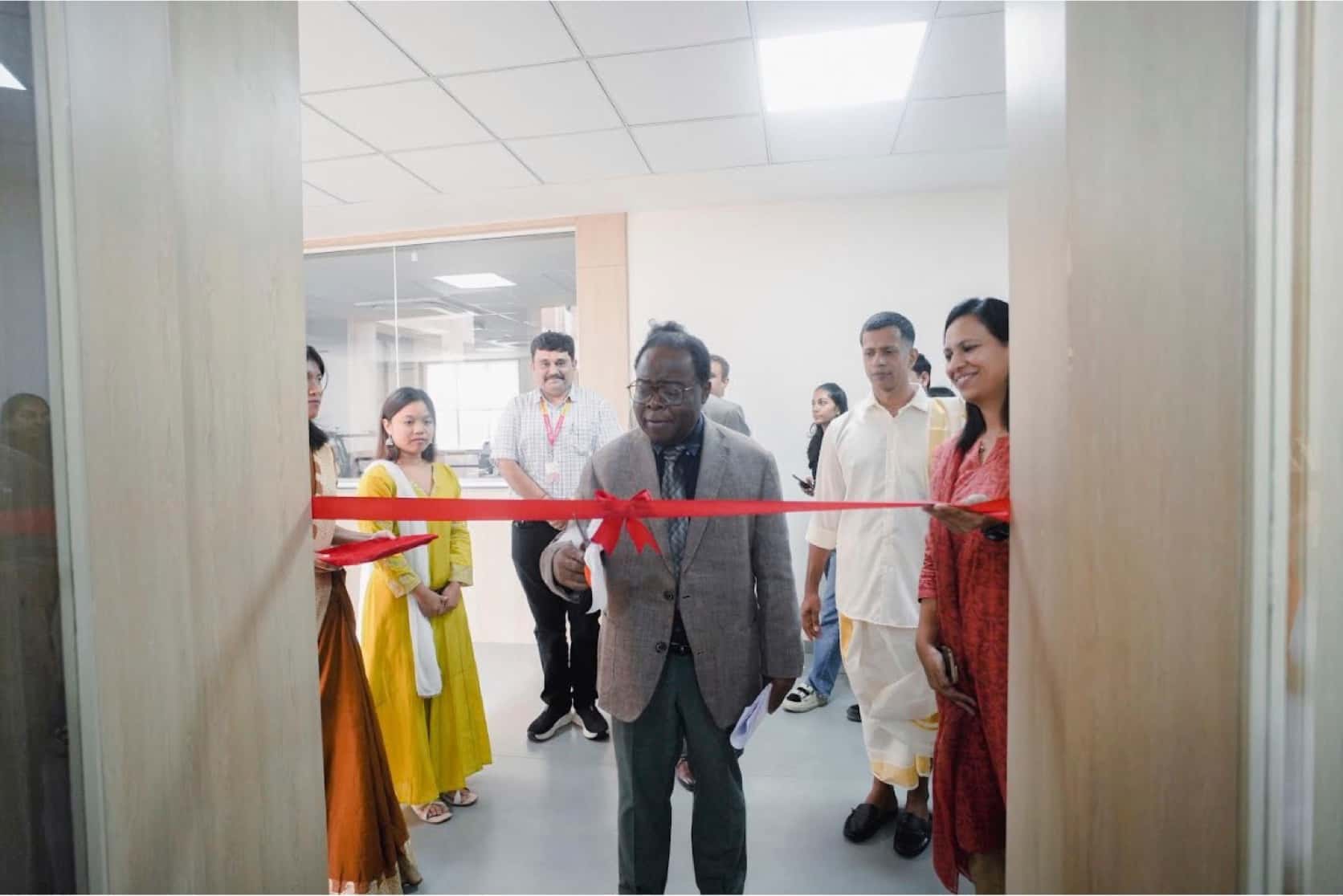
Parul University’s Center for Advanced Research & Innovations in the Neurosciences (CARIN) at Lakshya 2047 - Center for Future Skills is proof of its commitment to interdisciplinary healthcare innovation and translational research. The center was officially opened by special Guest of Honor Dr. Kazadi Kalangu, former President of the World Federation of Neurosurgical Societies (WFNS) and Professor of Neurosurgery at the University of Zimbabwe. This is a major step toward bringing clinical neuroscience, biomedical engineering and emerging technologies together on a common research platform.
CARIN is envisioned as an agile translational research hub that will bridge the gap between problems at the hospital bedside and the creation of novel biomedical and neurotechnology solutions. Its scope integrates neurosurgery, bioengineering, computational neurophysiology, cellular neurobiology, pharmaceutical development and medical engineering, creating a multidisciplinary environment dedicated to translating clinical needs into research-driven solutions.
CARIN operates under the guidance and leadership of Dr. Iype Cherian and Dr. Anand Joshi, as Directors, supported by Dr. Mukul Jain and Dr. Vikrant Pujari as Associate Directors. The leadership includes expertise in high-volume clinical neurosurgery, neurobiology, pharmaceutical sciences and medical engineering, which allows the center to tackle neurological problems through collaboration across a number of academic and clinical disciplines.
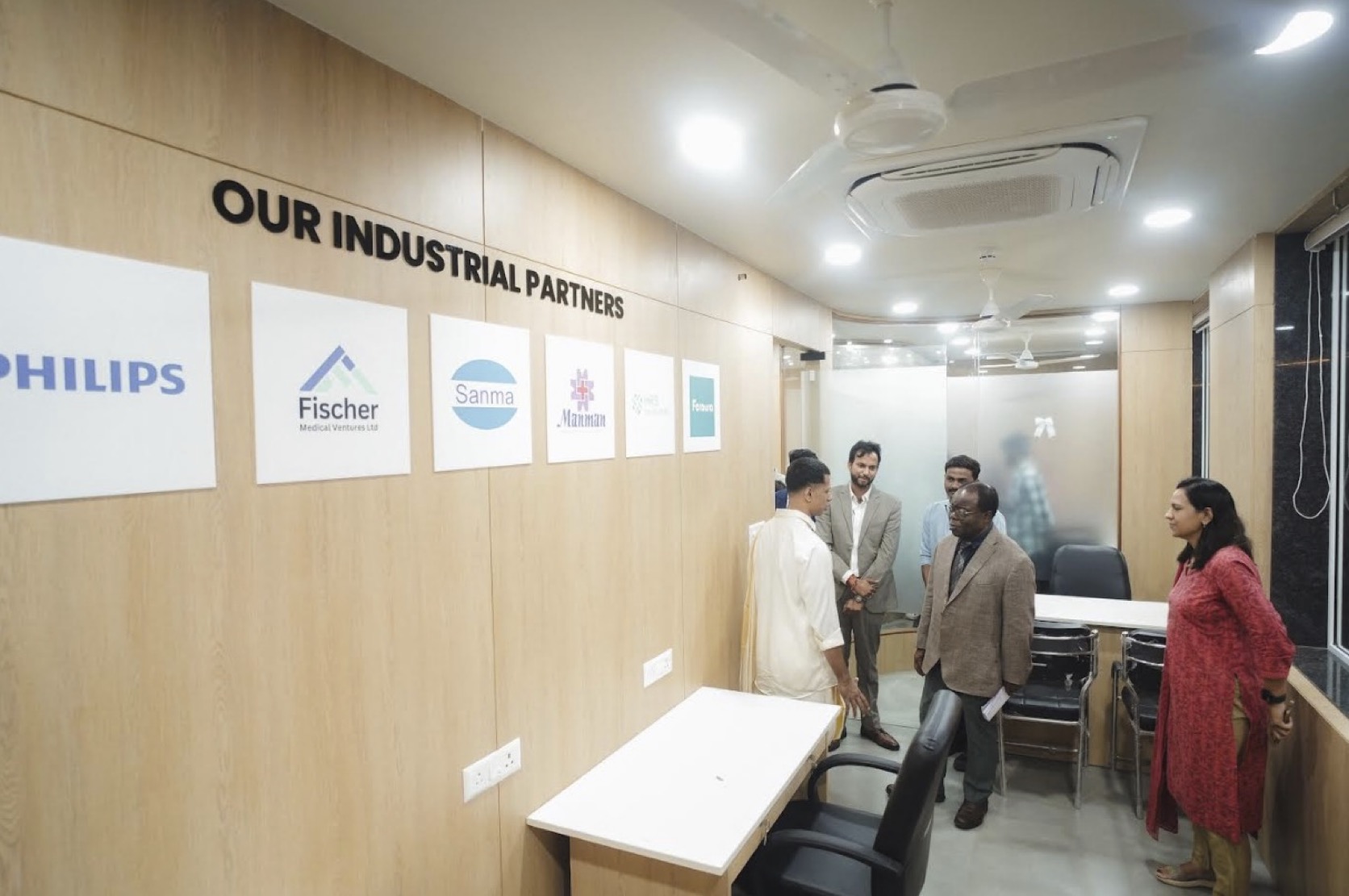
A distinctive feature of CARIN is specifically interesting because it has problem-specific “Need-Cells”, which go beyond the conventional departmental structures. These time-limited teams assemble clinical specialists who identify unmet diagnostic or surgical needs and researchers, engineers and student investigators from different disciplines. Faculty and students working in pharmacy, biotechnology, computer science, robotics, artificial intelligence and machine learning, management and mechatronics, among other areas, can thus contribute to developing functional prototypes and research solutions around identified clinical requirements.
The inauguration also marked a prominent step in enhancing university-industry collaboration for biomedical innovation, as CARIN signed Statements of Collaborative Intent with seven healthcare and biomedical technology companies - Philips India Limited, Feraura, Manman, Jayon, HRS, Fischer (Times Medical) and Sanma. These collaborations set up a framework for collaborative exploration of clinical challenges in neurosurgery, neurocritical care and neuro-oncology, focusing on development of industry-evaluated proofs of concept and indigenous medical technology solutions.
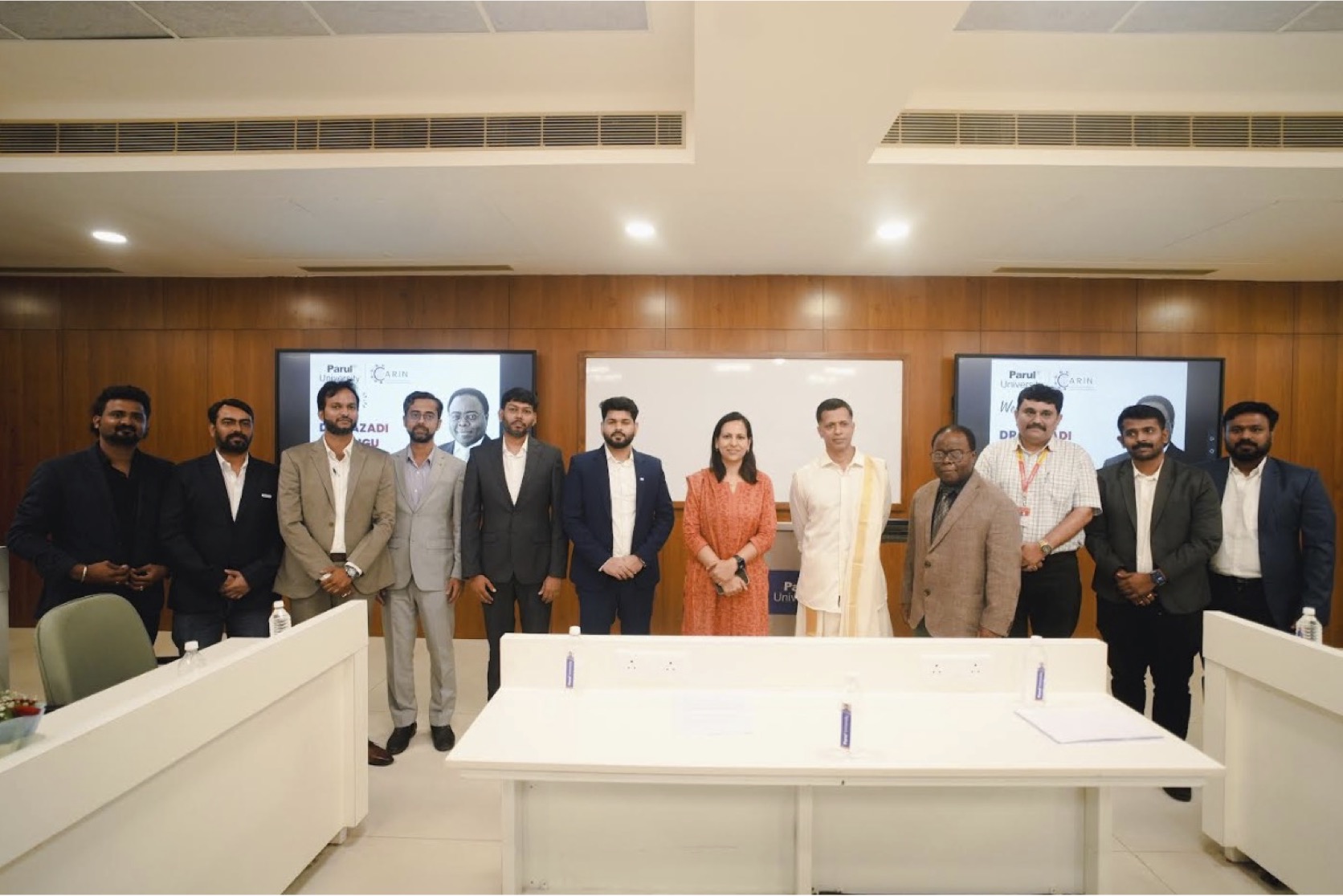
The center also adds to the translational research ecosystem of Parul University in areas that include neurosurgical techniques, intraoperative neuro-navigation, neurocritical care, electrophysiology, wearable biosensors, physiological signal processing and digital neurodiagnostics.
Center for Advanced Research & Innovations in the Neurosciences is well positioned to connect clinical needs with the university’s research and testing capabilities to create avenues for faculty and researchers to participate in industry-sponsored research, patents, high-impact scientific publications and technology-transfer opportunities.
Speaking to the gathering, Dr Kazadi Kalangu said “The most meaningful advances in neurosurgery emerge when clinical realities are placed at the centre of innovation. CARIN creates an important connection between what clinicians encounter at the bedside and what researchers and engineers can build in the laboratory. This collaborative approach has the potential to accelerate the development of practical and accessible technologies that can respond to real neurological needs.”
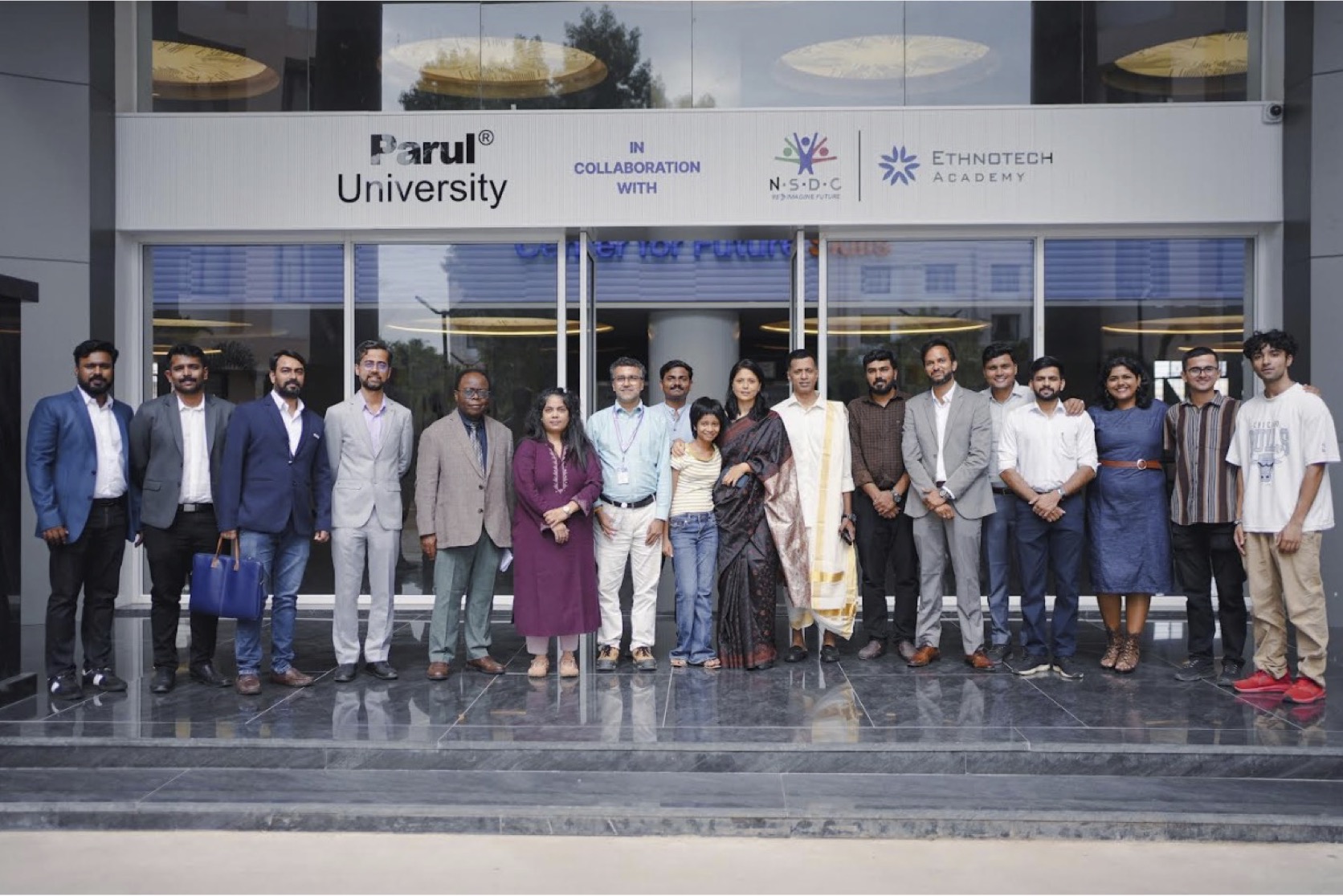
Addressing the gathering, Dr. Geetika Madan Patel, Vice President, Parul University said “CARIN represents our vision of making translational research a direct bridge between clinical need and technological innovation. We already have the clinical expertise, research capabilities and advanced infrastructure; this centre brings these strengths together around clearly identified healthcare challenges. By enabling clinicians, researchers, engineers and students to work collectively, CARIN can help transform ideas emerging from the bedside into indigenous technologies with meaningful and scalable healthcare applications.”
CARIN with its interdisciplinary approach and focus on clinical problem-solving further reinforces the purpose of Parul University toward purpose-driven research, indigenous innovation and technology-led healthcare solutions. The initiative also aligns with national priorities such as Make in India, Atmanirbhar Bharat and Digital India with the focus on developing scalable and cost-conscious neurotechnology that can contribute to neurocritical care, rehabilitation and wider neurological healthcare.