AB 1130 lets regulators fine influencers up to $5,000 for undisclosed paid posts in state and local elections.
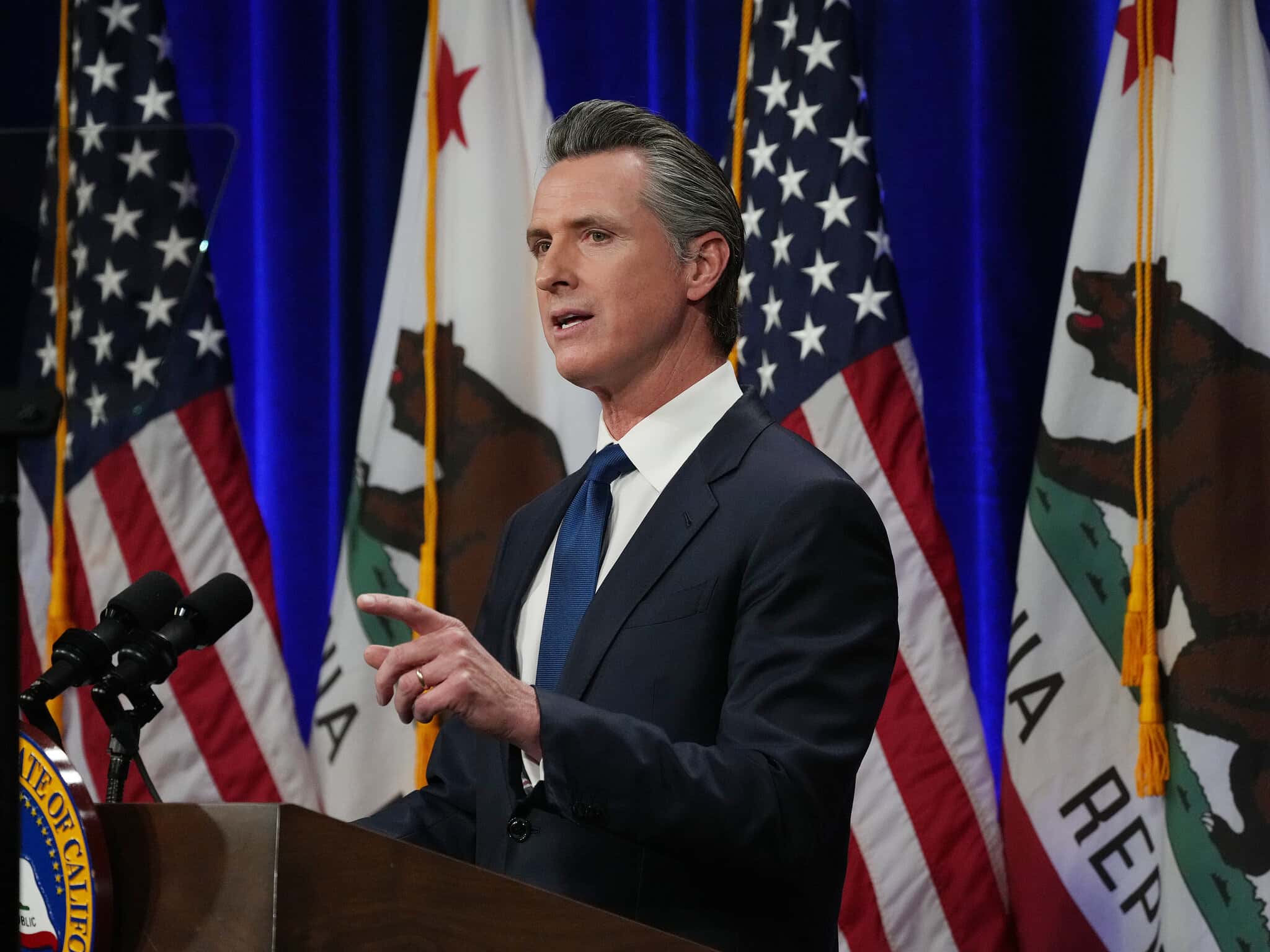
California Governor Gavin Newsom signed AB 1130 on September 19, 2026, giving regulators power to fine online influencers up to $5,000 per violation if they fail to disclose paid political posts about state or local races.
The new California law will penalize influencers in a way the prior disclosure regime did not, because the state already required disclosure but had no fines or criminal penalties for violations.
AB 1130 also lets regulators refer violators to law enforcement for potential misdemeanors, adding criminal exposure to a part of campaign advertising that had weak enforcement.
The bill gained urgency after billionaire Tom Steyer paid dozens of influencers to post about his campaign online, and many of those posts initially lacked disclosure, according to reporting cited in the bill.
California Governor Gavin Newsom signed a new law that will penalize influencers who don’t disclose paid political ads. The measure, AB 1130, adds fines and possible misdemeanor referrals to California’s existing rules for influencer campaign posts.
California’s new influencer disclosure law matters because it turns a requirement into an enforceable one: online creators paid to post about state or local politics can now face up to $5,000 for each violation, plus potential referral to law enforcement.
That shift is small on paper and significant in practice. The state already required disclosure for influencers posting paid content tied to state or local races, but failure to comply previously came with no fines and no criminal penalties. In other words, California had a rule without much bite. AB 1130 is the part that gives it teeth.
Newsom signed the bill on September 19, 2026, as part of a broader package of election-related measures that his office said was aimed at protecting California elections from potential interference by President Donald Trump. The politics around that package will get attention, but for platforms, creators, agencies and campaigns, the more immediate issue is operational: paid political content can still run through informal creator deals, rushed timelines and inconsistent disclosure habits.
Under the new law, regulators can fine influencers up to $5,000 for each violation. They can also refer cases to law enforcement for potential misdemeanors. That combination matters. Civil fines are one thing. The possibility, even if used sparingly, of a criminal referral is likely to get the attention of talent managers, campaign consultants and the firms that broker creator posts.
$5,000 per violation
That is the maximum fine California regulators can impose under AB 1130 for an undisclosed paid political post.
The immediate backdrop was a real campaign, not a hypothetical abuse case. Billionaire Tom Steyer, who unsuccessfully sought the Democratic nomination for California governor earlier this year, paid dozens of influencers to post about his campaign online, and many of those creators did not initially disclose the payments. That episode appears to have crystallized a problem that election lawyers and ad policy teams have been watching: campaign spending is moving into creator channels faster than compliance systems are.
Marc Berman, the Democratic assemblyman who sponsored AB 1130, said he introduced the measure after realizing there was ambiguity in the existing law and in how it was enforced. That is a revealing explanation. In tech policy, ambiguity often benefits everyone moving quickly through fragmented accountability. Campaigns can say they expected disclosure. Creators can say they did not understand the rules. Platforms can point to tools and labels without policing every arrangement. Regulators, until now, had less leverage.
California is not moving entirely alone. Texas also requires disclosure for paid political content, and other states are considering similar rules. The state by state trend is worth watching because influencer marketing does not respect state boundaries, while election law does. A creator based in Los Angeles can post to a national audience for a local California campaign, and a talent agency can structure that deal with the habits of brand advertising rather than campaign compliance. That mismatch is becoming a regulatory target.
There is also a broader industry pattern here. In commercial influencer marketing, the Federal Trade Commission has spent years pushing for clearer ad disclosures, with mixed results. Politics is now catching up, but with sharper stakes. A beauty product post that buries a sponsorship tag is one problem. A political message framed as authentic creator speech when it is actually paid campaign media is another. For an election regulator, that is not just sloppy labeling. It cuts to voter transparency.
For platforms, the law creates a familiar headache. California is regulating conduct by users and campaigns rather than rewriting platform immunity rules, which makes the measure narrower and probably easier to defend. Still, Instagram, TikTok and other social platforms are where this content lives, and they may face renewed pressure to make political sponsorship labels harder to miss and easier to audit. The law does not need to name the platforms directly to change how they handle election content.
Agencies and campaign operatives may feel the impact first. Influencer marketing in politics often runs through contractors, not in-house legal teams. A creator gets a brief, a talking point sheet, a payment and maybe a reminder to disclose. That might have been enough when the downside was mostly reputational. It looks thinner when each post can carry a $5,000 penalty and possible misdemeanor exposure. More written instructions, more approvals before publishing and more insistence that disclosures appear in ways regulators can actually see may follow.
The law also arrives at a moment when campaign communication is atomizing. Candidates no longer rely only on TV spots, mailers and official digital ads bought through obvious channels. They use meme accounts, podcast hosts, short-form creators and niche online communities that can make paid persuasion look like spontaneous endorsement. That is exactly why enforcement has lagged. The medium is distributed, casual and engineered to feel personal.
The background
California’s move reflects a practical reality of modern campaigning: creators have become a media buying channel. The old distinction between an ad and a post has been collapsing for years. If a campaign pays a creator to reach voters, regulators increasingly want that treated as campaign advertising, not creator expression.
That makes AB 1130 less of an outlier than it might seem. States have already been experimenting with social media specific election rules, and Texas has its own disclosure requirement for paid political content. California’s version stands out because it upgrades disclosure from a rule on the books to one backed by direct penalties. For startups selling campaign software, creator marketplaces or compliance tools, that opens a more concrete market need. If the law gets enforced aggressively, disclosure workflows become less of a nice to have and more of a product requirement.
There is a political subtext too. Newsom signed the bill as part of a package his office linked to concerns about election interference from President Donald Trump. That framing will animate part of the public debate, but it may obscure the more durable story: regardless of which party benefits in any given cycle, regulators in large states are starting to treat undisclosed creator campaigning as a structural risk. Once that idea hardens, it tends to travel.
One reason this could spread is that the enforcement theory is relatively simple. Regulators do not need to prove a platform caused harm or force Congress into a federal rewrite of internet law. They can focus on paid speech, disclosure and campaign finance compliance, areas where states already have authority. That is a narrower path than some of the broader social media bills lawmakers have floated, and narrower bills often move further.
What's next
The near-term question is how California regulators use the law before the next state and local election cycle ramps up. AB 1130 is now on the books after Newsom’s September 19, 2026 signature, but the real signal will come when agencies decide whether to pursue early cases, issue guidance on what counts as adequate disclosure, and test whether campaigns and creators change behavior before regulators have to make an example of anyone.
Frequently asked questions
What does the new California influencer law actually do?
AB 1130 gives California regulators the power to fine online influencers up to $5,000 per violation if they do not disclose paid political posts tied to state or local races. The state already required disclosure, but this law adds real enforcement teeth through financial penalties.
When did Gavin Newsom sign AB 1130 into law?
California Governor Gavin Newsom signed AB 1130 on September 19, 2026. The law is aimed at making paid political content from influencers easier for voters to identify.
How much can influencers be fined under the California political ad law?
Influencers can face fines of up to $5,000 for each violation. That means multiple undisclosed paid posts could lead to repeated penalties rather than one single fine.
Does the California law apply to federal elections or only local campaigns?
Based on the reported details, the law applies to paid political posts involving California state or local races. It is designed to cover elections within the state's jurisdiction rather than federal contests.
Were political disclosure rules already required before this California law?
Yes, California already had disclosure requirements for paid political content. The major change under AB 1130 is that regulators now have explicit authority to punish noncompliance with fines.
Who is affected by California’s new rules on political influencer posts?
The law targets online influencers and creators who are paid to post political content about California state or local candidates or ballot matters. If a post is sponsored and political, the creator must clearly disclose that payment to avoid penalties.