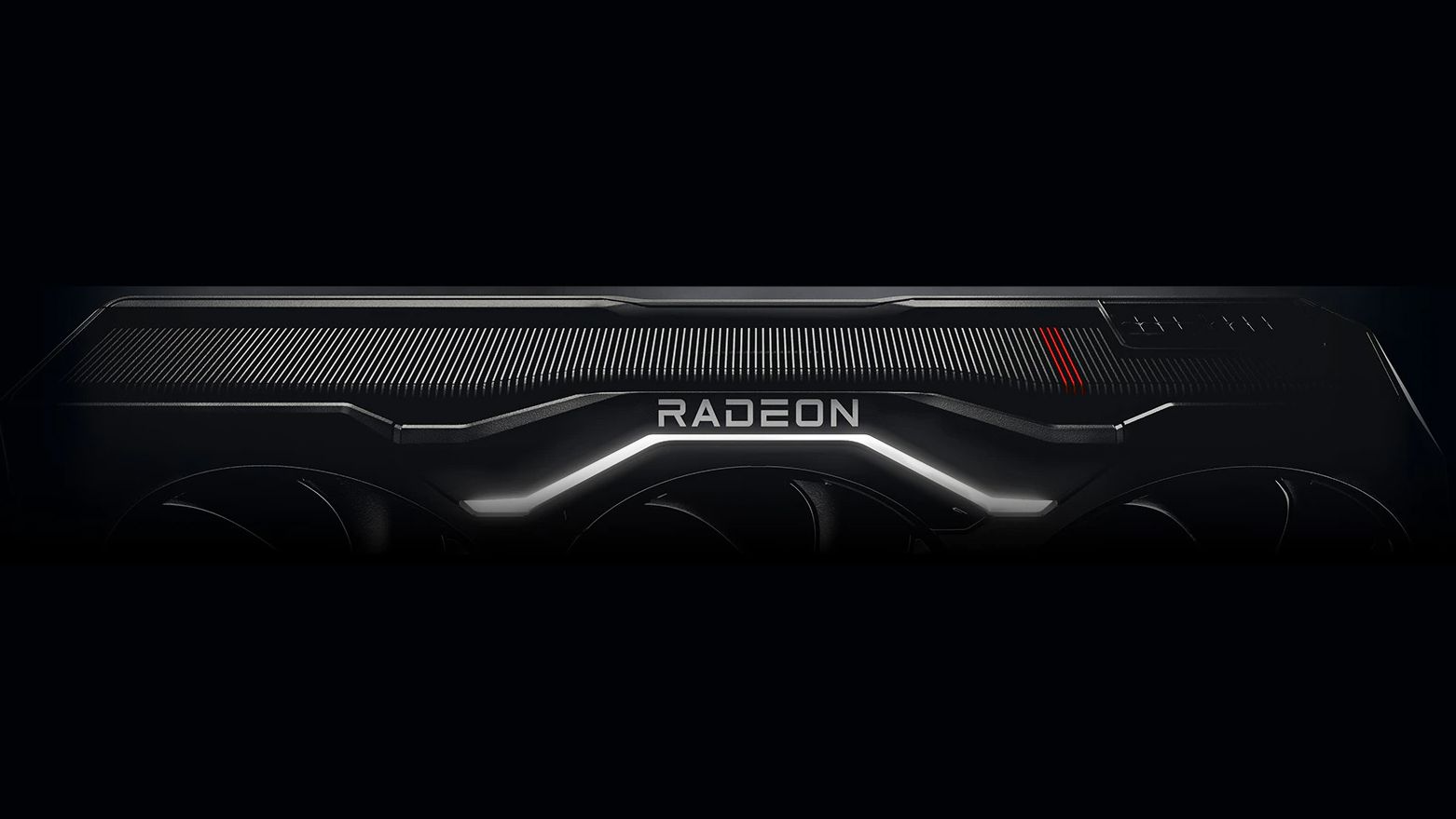
Last month, AMD officially announced FSR 4.1 for older RDNA 2 and RDNA 3 hardware, with the RX 7000 series set to receive FSR 4.1 support in July. Well, Christmas has come early as FSR 4.1 is out now for RDNA 3 desktop GPUs, a few days before it was originally supposed to launch. It's available natively in over 300 games, and all you need to do is update your GPU drivers inside AMD Adrenaline software to unlock the latest upscaler.
FSR 4.1 for the RX 7000 series is based on INT8 code that differs from the FP8 instruction set that the RX 9000 series uses. Technically speaking, only RDNA 4 has the hardware required for FSR 4.1 to work optimally, while making it backwards compatible with previous generations requires a lot of tuning and falling back on older instructions that incur a slight performance loss in exchange for better visual quality.
We power over 1 billion gaming devices worldwide.That scale comes with responsibility: push innovation forward and bring it to more gamers everywhere.Today, we're bringing @AMD FSR Upscaling 4.1 to Radeon RX 7000 Series graphics cards, extending our latest machine learning… pic.twitter.com/bpVHmQ7l0bJune 22, 2026
AMD is confident that its in-house optimizations deliver better results than community efforts, as the video embedded above shows official FSR 4.1 achieving higher frame rates in Forza Horizon 6 and Crimson Desert versus FSR 4.0.2c. That version is built from leaked code that came out last year and has since served as the foundation of Optiscaler mods that force-inject FSR 4 by making the game think it's actually DLSS.
The biggest difference will still be seen against native rendering — playing Crimson Desert at 4K, an RX 7900 XTX only managed about 43 FPS on average, while FSR 4.1 bumped that up to 64 FPS. That's nearly a 50% improvement, while looking considerably better than FSR 3.1 and remarkably close to FSR 4.1 on the RX 9000 series. Sure, FSR 3.1 could probably net a few more FPS, but the image quality won't be as sharp.
AMD also confirmed it's working on "lightweight machine learning models" to bring FSR 4.1 to RDNA 3 APUs, which should extend support to a wide range of devices. For instance, the Z1 Extreme chip inside Valve's Steam Deck is based on RDNA 3 architecture. Phoenix Point and Hawk Point silicon, i.e., Ryzen 7040, Ryzen 8000(G), Ryzen 8040, and Ryzen 200 series, also rely on RDNA 3 graphics.
RDNA 3.5 is an extension of RDNA 3, and AMD pushed back against it, not receiving FSR 4.1 just this month. If we assume this announcement also counts RDNA 3.5, then expect FSR 4.1 to also come to Ryzen AI 300 and Ryzen AI 400 series, along with Ryzen AI Max processors. AMD's current-gen Ryzen Z2 family for handhelds is also based on RDNA 3.5. For now, though, FSR 4.1 seems limited strictly to RDNA 3 desktop GPUs.
Support for older RDNA 2-based graphics cards is expected in early 2027, even though the community has interchangeably used INT8 mods for both the RX 6000 and RX 7000 series. Expect a bigger performance tradeoff on RDNA 2 compared to RDNA 3, which is what the company is likely trying to minimize in the months leading up to its launch. Nonetheless, it's exciting to see AMD at least try to catch up to Nvidia in terms of its upscaler support.
Source link