Tech
The memory crisis is getting so bad that even retro RAM prices are going to the Moon

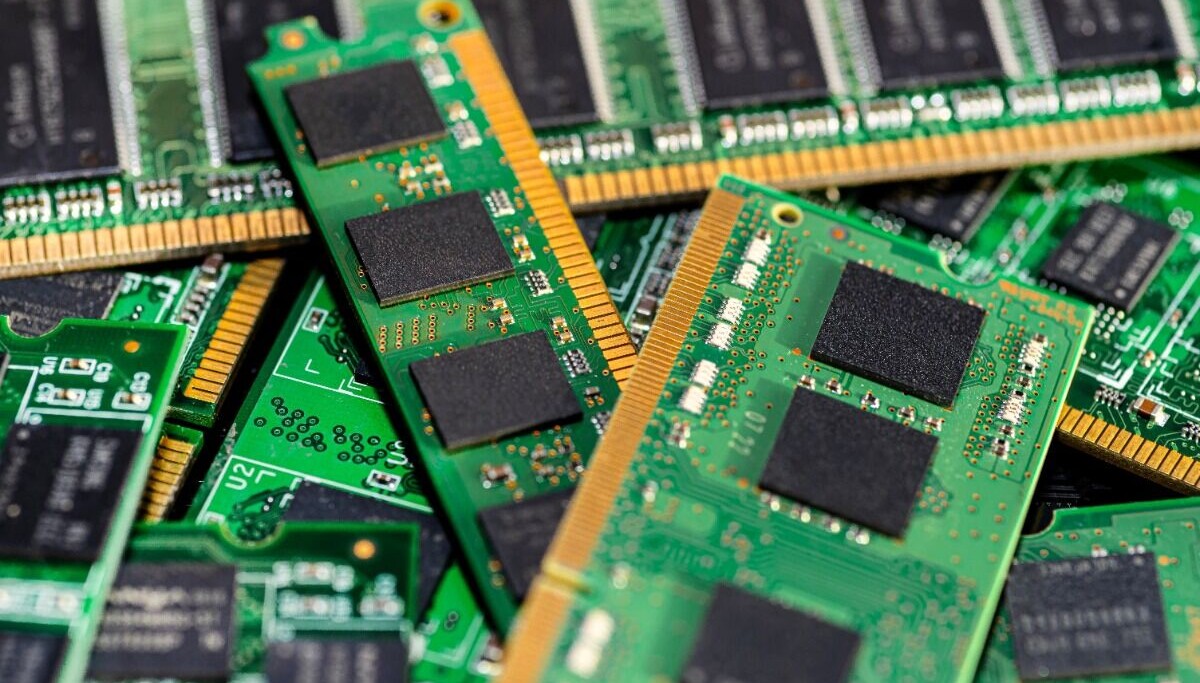
The global memory crisis has developed a new twist as buyers turn to "legacy" products such as DDR2 and DDR3 to meet demand, according to market watcher TrendForce. The Taiwanese firm says DRAM buyers are turning to older products to secure larger supply allocations, driving up prices for components including DDR2 and DDR3. As Reg readers will be well aware by now, the AI craze has led to memory chipmakers prioritizing production of more profitable HBM and server DRAM silicon to power AI infrastructure, leaving a shortage of the mainstream memory types needed for PCs, smartphones, and other devices. As a result, prices have risen for DDR4 and DDR5 modules – if you can even find them – resulting in hikes in the cost of kit such as PCs, which are up by double figures, according to some estimates. Continued shortages of everyday DRAM components and rapidly rising contract prices have prompted some hardware makers to downgrade memory specifications to control system costs, TrendForce claims. In some cases, DDR4 designs are being replaced with DDR3 solutions, while certain DDR3-based products are being redesigned to use DDR2. We find it hard to believe that PC makers would ship systems with memory types so old or that modern processors would support them, so it is likely this applies to other kinds of device. Now the market intelligence operation estimates that DDR2 contract prices will rise by approximately 55 to 60 percent for the second quarter of 2026, followed by a further 35 to 40 percent increase in the third quarter. This is happening because customers are desperate to secure more reliable supplies, adopting lower capacity configurations or turning to older memory generations. Consequently, the supply shortages are now rippling through the memory market and starting to affect even legacy DRAM products. Key suppliers of DDR2 components include Winbond and Elite Semiconductor Microelectronics Technology (ESMT), based in TrendForce's home turf of Taiwan. However, Winbond is gradually winding down DDR2 production and reallocating capacity toward more high-margin products such as DDR3, DDR4, and LPDDR4, it says. But ESMT plans to maximize DDR2 production within its existing allocation at wafer maker PSMC. The firm is understood to be concentrating resources on this segment to enhance profitability and help offset the supply gap created by Winbond’s withdrawal from the DDR2 market. Some of the big memory makers are planning to increase capacity, but only slowly. Korean giant SK hynix aims to double silicon wafer output capacity over the next five years, while US biz Micron expects "meaningful new capacity" at its new Virginia fabrication plant in 2027 and 2028. ®
Source link
Disclaimer
We strive to uphold the highest ethical standards in all of our reporting and coverage. We StartupNews.fyi want to be transparent with our readers about any potential conflicts of interest that may arise in our work. It's possible that some of the investors we feature may have connections to other businesses, including competitors or companies we write about. However, we want to assure our readers that this will not have any impact on the integrity or impartiality of our reporting. We are committed to delivering accurate, unbiased news and information to our audience, and we will continue to uphold our ethics and principles in all of our work. Thank you for your trust and support.