
Apple announces major App Store changes for Brazil, including alternative app marketplaces
 | Jun 18 2026 - 8:00 am PT
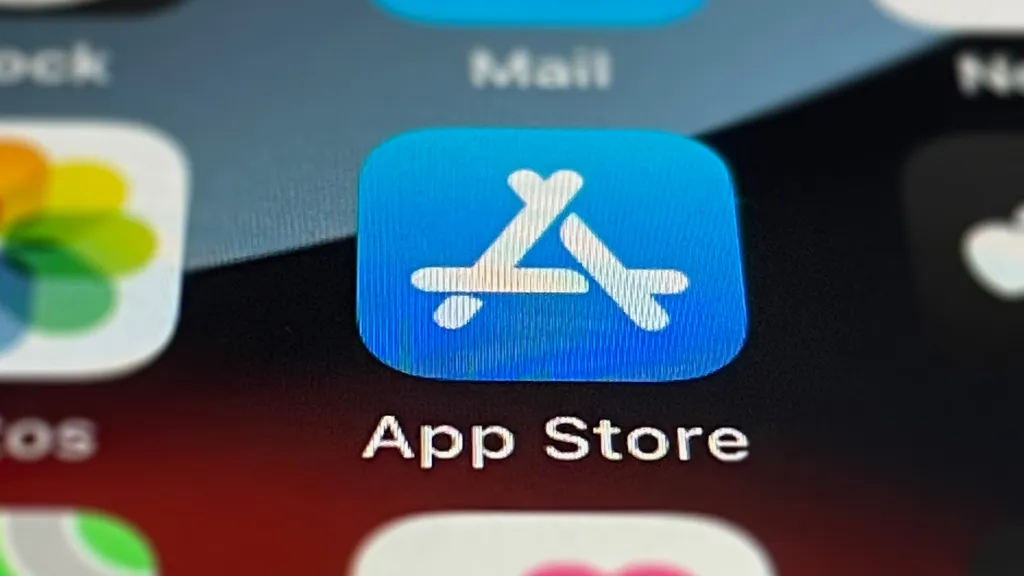
Starting today, app developers will be able to distribute apps through alternative app marketplaces in Brazil, as part of a broader set of changes to the app distribution and payment rules in the country. Here are all the details.
Late last year, Apple reached an agreement with Brazil’s competition watchdog, CADE, resolving a dispute that began in 2022 after Latin American e-commerce giant MercadoLibre filed a complaint over the company’s App Store rules.
Under the settlement, Apple agreed to open iOS to alternative app marketplaces in Brazil and allow developers to offer payment methods outside its In-App Purchase system.
Those changes take effect today for users running iOS 26.5 and up, and come alongside a new commission structure similar to the one the company introduced in Japan last December.
Also like the changes introduced in Japan, Apple says that Brazil’s new rules offer stronger privacy and security protections, particularly for children, than those required under the EU’s Digital Markets Act.
Alternative app marketplaces now allowed in Brazil
Starting today, developers will be able to build and distribute alternative app marketplaces using the MarketplaceKit framework. Under the new rules, developers can choose to distribute their apps through the App Store, in addition to one or more alternative marketplaces.
Importantly, today’s changes do not allow users to sideload apps directly from the web. Rather, apps distributed outside the App Store must still be offered through an alternative app marketplace.
Apps distributed through alternative marketplaces will still be subject to the baseline Notarization review, which combines automated checks and human review to identify threats such as malware and verify that apps function as advertised.
The company notes that this process is different from its regular app review, which checks apps more thoroughly. The discretion of that review will be up to each alternative marketplace.
One notable requirement under the new structure is that apps must still carry age ratings, even when distributed outside the App Store, as stipulated in Apple’s agreement with CADE.
In practice, this means that even if an app is downloaded through an alternative marketplace, it will still be subject to parental controls such as Screen Time, requiring download approval, and content restrictions based on its age rating.
Changes include new payment options
With today’s changes, developers will have three ways to handle in-app purchases:
- In-app: Continue using Apple’s in-app purchase system
- In-app: Integrate a third-party payment provider directly into the app
- Off-app: Direct users to an external payment provider on the web
Developers who decide to integrate a third-party payment provider directly into their apps will also be required to offer Apple’s IAP system.
For developers who choose to direct users to an external payment provider, Apple says apps in the Kids category will not be permitted to include external purchase links. That restriction is part of a broader set of safeguards aimed at reducing the risk of fraud and scams targeting younger users. Here’s Apple
- Apps in the Kids category on the App Store will not include links to websites to complete transactions, to reduce the risk of fraud or scams targeting children.
- For users under 18 years old, all apps from the App Store that use alternative payment processing must include a parental gate that requires younger users to involve their parent or guardian before making a purchase.
- For users under 18 years old, apps from the App Store cannot link to websites for transactions to protect against the risk of scams that target kids.
- Apple is also working to provide developers using alternative payments with a new API so they can enable parents to monitor and approve purchases made outside of Apple In-App Purchase.
The company says that while this does not completely eliminate the risk of scams, it helps mitigate those risks for younger users and provides stronger protections than the requirements imposed by the EU’s Digital Markets Act.
Apple also points out that purchases made outside its payment system will not benefit from features such as refunds, subscription management, purchase restoration, purchase history, or the company’s customer support and security protections.
New commission structure
Starting today, developers will also face a new commission structure based on how they distribute their apps and process payments, including whether they use Apple’s in-app purchase system.
Under the new terms, developers who distribute their apps through the App Store and use Apple’s IAP system will be subject to a 5% payment processing fee, plus a 21% App Store commission. That commission drops to 10% for developers enrolled in programs such as the App Store Small Business Program, Video Partner Program, and Mini Apps Partner Program, as well as for subscriptions after their first year.
For developers who distribute their apps through the App Store and use an in-app alternative payment provider, the 5% processing fee will not apply. However, the 21% App Store commission will remain, with the same reduced 10% rate available to qualifying developers and subscriptions.
Developers who distribute their apps through the App Store and direct users to an external payment provider will pay a 15% Store Services Commission. The same reduced 10% rate will apply to qualifying developers and subscriptions, and the commission will cover purchases completed within seven days of a user tapping an external purchase link in the app.
Finally, apps distributed through alternative marketplaces will owe a 5% Core Technology Commission on sales of digital goods and services, including paid-app purchases.
| Apps distributed Via the App Store | Apps distributed via alternative marketplaces | ||
| Uses Apple’s IAP system | Uses third-party IAP system | Uses off-app purchase system | – |
| 5% Apple payment processing fee | – | – | 5% Core Technolgy Commission** |
| 21% App Store Commission | 21% App Store Commission | 15% Store Services Commission* | – |
| Eligible for reduced 10% commission | Eligible for reduced 10% commission | Eligible for reduced 10% commission* | – |
** Applies to digital goods and services.
Setting a default app marketplace
Also starting today, users running iOS 26.5 or later can set an alternative app marketplace as their default app installation platform.
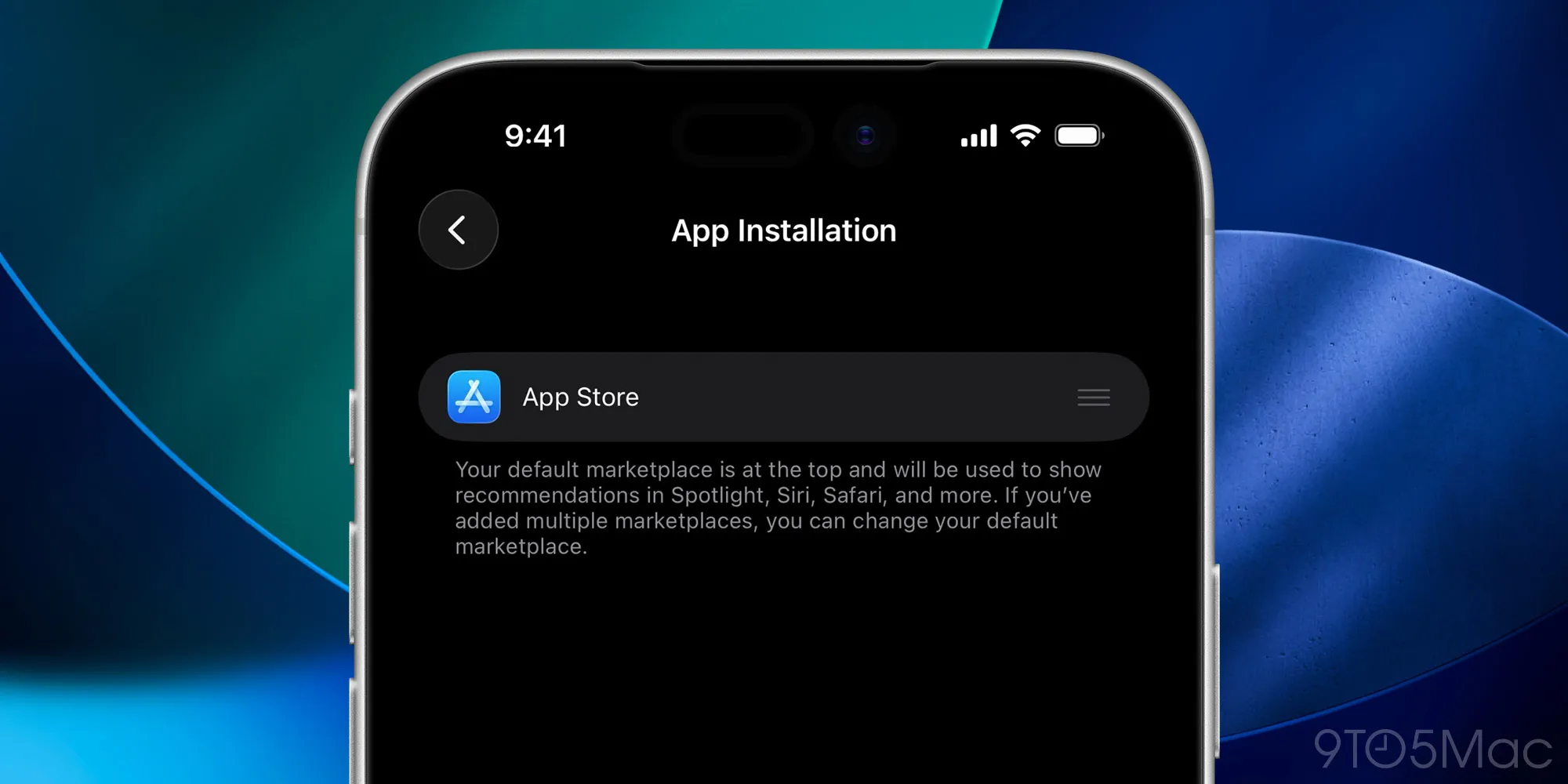
To do so, users can go to Settings > Apps > Default Apps > App Installation and, if they have an alternative marketplace installed, select it instead of the App Store.
To learn more about today’s changes to app distribution and payment rules in Brazil, follow this link.
What’s your take on how Apple implemented the changes in Brazil? Let us know in the comments.
Worth checking out on Amazon
- Geoffrey Cain – ‘Steve Jobs in Exile’
- David Pogue – ’Apple: The First 50 Years’
- MacBook Neo
- Logitech MX Master 4
- AirPods Pro 3
- AirTag (2nd Generation) – 4 Pack
- Apple Watch Series 11
- Wireless CarPlay adapter
FTC: We use income earning auto affiliate links. More.


Source link




Comments