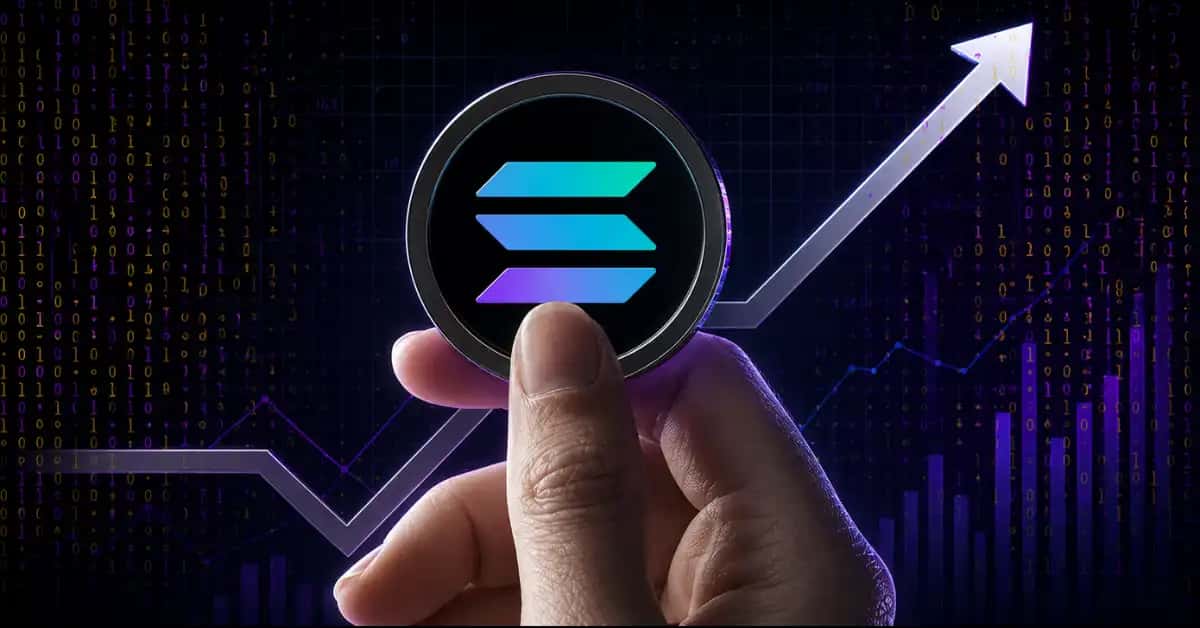
Solana validators back proposals to dramatically boost SOL token burns, accelerating the network's disinflationary schedule and long-term economic model.
Solana validators are actively signaling support for a pair of proposals designed to dramatically increase SOL token burns and accelerate its disinflationary schedule. The move aims to boost daily SOL burns from roughly $47,000 to an ambitious $650,000, a significant shift in the network's tokenomics.
This isn't just a technical tweak; it's a direct play on Solana's long-term economic model. As a prominent Layer 1 blockchain, how Solana manages its token supply directly influences its appeal to developers building applications, the brands exploring its ecosystem, and the investors backing its future.
Specifically, SIMD-0553 introduces resource-based transaction fees, which are projected to elevate daily burns from around 650 SOL to between 7,500 and 9,000 SOL. Complementing this, SIMD-0550 would double the annual disinflation rate, aiming to bring Solana to its 1.5% terminal inflation floor by 2029 instead of 2032, effectively removing 18.9 million SOL from future emissions.
Yet, the road to implementation is far from clear. While a 14x increase in burns sounds substantial, even at the projected high end of 9,000 SOL burned daily, it is still offset by ongoing inflation. The fee change alone does not make SOL deflationary, underscoring why these two proposals are bundled.
This development positions Solana firmly within a broader industry trend where major blockchain ecosystems are recalibrating their tokenomics. We've seen similar moves with Ethereum's EIP-1559, all aimed at creating a more sustainable and value-accruing asset base. For brands eyeing web3, a clearer, potentially more stable token value proposition could become a significant draw.
From a marketing and growth perspective, this signals a maturity play. Scarcity narratives have always driven value in digital collectibles and assets; applying that principle more aggressively to the underlying network token itself is a powerful statement. It suggests a focus on retaining and appreciating value for existing holders and builders, rather than solely on expanding raw supply for new entrants.
However, achieving true community buy-in for such a substantial shift in tokenomics is the real challenge for decentralized networks. The proposals currently have 24.94 million SOL in stake, just 5.8% of the total staked, and need nearly 40 million more SOL to clear the 15% signaling threshold before a formal vote on August 18. That's a huge hurdle to clear in two weeks, especially given that one validator, Helius, heavily leads the current support.
This raises questions about genuine decentralized consensus versus the influence of large, vested interests. The very existence of the 15% threshold is meant to filter out proposals lacking broad validator support. Without a wider coalition, this could be perceived more as a top-down adjustment than a true community-led initiative.
For creators and brands building on Solana, the outcome will dictate the underlying economics of their projects. Will a potentially scarcer SOL make it more attractive to mint NFTs or launch token-gated experiences, or will increased transaction fees create friction for mass adoption? The market will be watching closely to see if the validator set aligns on this vision.
The next two weeks will be crucial in determining if Solana's ambitious tokenomics overhaul gains the necessary momentum, setting a precedent for how decentralized communities navigate significant economic shifts.
Frequently asked questions
What is the new Solana proposal about?
The new Solana proposal aims to dramatically increase the daily burn rate of SOL tokens. It seeks to boost daily SOL burns from approximately $47,000 to an ambitious $650,000, significantly altering the network's tokenomics and disinflationary schedule.
How will this proposal affect Solana's tokenomics?
The proposal will dramatically accelerate the disinflationary schedule of SOL tokens by increasing the daily burn rate, making SOL a scarcer asset over time.
Why are Solana validators supporting this change?
Validators are supporting the proposal to strengthen Solana's long-term economic model, potentially boosting SOL's value through increased scarcity and a more aggressive disinflationary policy.
What is the purpose of burning SOL tokens?
Burning SOL tokens reduces the total supply of the cryptocurrency, which can, in theory, increase the value of the remaining tokens by making them scarcer.
How does this proposal relate to Solana's disinflationary schedule?
By significantly increasing the burn rate, the proposal aims to accelerate Solana's disinflationary schedule, meaning the rate at which new SOL tokens are created will be outpaced by the rate at which they are destroyed.
When is this Solana proposal expected to be implemented?
The article indicates that Solana validators are actively signaling support, suggesting the proposal is in the final stages of community consensus before potential implementation.