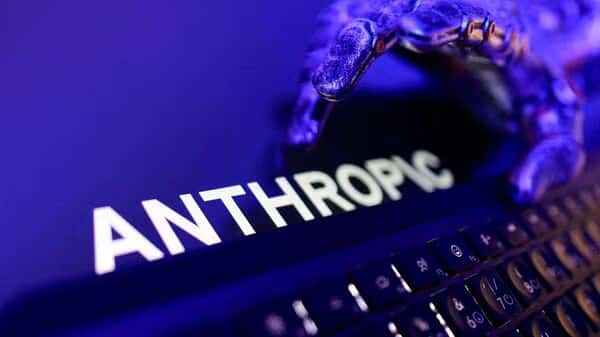
Discover how Anthropic is embedding invisible, machine-readable watermarks into Claude AI output to boost transparency and detectability, aligning with the EU AI Act.
Anthropic is implementing invisible watermarks for content generated by its Claude AI models.
The initiative, influenced by the EU's AI Act, aims to enhance transparency and detectability of AI-generated text.
Anthropic, a leading AI developer, is rolling out a system to embed machine-readable watermarks into all content generated by its Claude large language models. This move is a direct response to growing calls for transparency in AI-generated material. The technology aims to ensure that users can identify AI-produced text without impacting content quality. The core of Anthropic's approach involves subtly weaving invisible watermarks directly into textual outputs.
Why AI watermarking matters for content integrity
As AI models become more sophisticated, the line between human-created and machine-generated content blurs, posing challenges for trust and authenticity. This initiative from Anthropic, while specific to its Claude models, reflects a broader industry movement and regulatory push to establish clear provenance for digital content. My read is that this is not merely a technical update but a strategic play to build user confidence and pre-empt more stringent legislative measures globally, especially in regions like Southeast Asia where AI adoption is rapidly accelerating.
Anthropic is fundamentally altering the provenance of digital text. In a massive global rollout, all content generated by Claude models launched on or after August 2, 2026, will feature an imperceptible, invisible watermark. This isn't just basic metadata; the machine-readable pattern is woven directly into the text generation process itself, allowing it to survive copy-pasting and even light editing. Alongside text, supported file types like PNGs and JPGs will also receive digitally signed C2PA provenance metadata to track any tampering. The catalyst for this unprecedented move is the European Union’s AI Act. By signing the Article 50 Code of Practice on Transparency, Anthropic is proactively setting a new de facto standard for the entire generative AI industry. Rather than geofencing this compliance to European users, the AI giant is applying these watermarks worldwide across all its platforms, including APIs and enterprise integrations through cloud partners like AWS and Google Cloud. For the broader tech ecosystem and content creators, this represents a major paradigm shift. The line between human and machine-generated content is officially being drawn directly in the code. While Anthropic explicitly notes that detecting a watermark doesn't definitively prove total AI authorship—since Claude is routinely used to proofread or summarize human drafts—it provides a crucial tracking signal for digital provenance. As global regulators tighten their grip on artificial intelligence, embedding invisible watermarks is rapidly becoming the mandatory cost of doing business.
EU Regulatory Influence Anthropic's decision directly aligns with the European Union's AI Act, a landmark regulation requiring clear labeling of AI-generated content. This showcases a trend where major AI developers proactively adopt standards, often driven by European legislation, which then set de facto benchmarks for the global industry.
Broader Industry Trend Towards Transparency This move by Anthropic is part of a wider industry commitment to addressing deepfake concerns and misinformation. Other AI developers are also exploring and implementing various watermarking and provenance solutions. This collective effort signals a maturing AI ecosystem where ethical development and responsible deployment are becoming as crucial as technological innovation. For Southeast Asia's burgeoning AI sector, these global standards will likely influence local development practices and future regulatory discussions, fostering a more transparent digital environment.
The implementation of watermarking by Anthropic sets a precedent for how AI-generated content might be governed and perceived moving forward. The effectiveness of these marks in real-world scenarios, coupled with the evolution of global regulatory frameworks, will be crucial to watch as content creators and consumers navigate the increasingly complex digital landscape.
Frequently asked questions
How does Anthropic watermark Claude AI content?
Anthropic embeds invisible, machine-readable watermarks directly into the output generated by its Claude large language models. These watermarks are designed to be imperceptible to humans but detectable by specialized algorithms, indicating the content's AI origin.
What is the purpose of AI watermarking?
The primary purpose of AI watermarking is to enhance transparency and detectability of AI-generated content. It helps users and systems identify text produced by AI, addressing concerns about misinformation, plagiarism, and content authenticity.
Is AI watermarking influenced by the EU AI Act?
Yes, Anthropic's initiative to watermark Claude AI content is directly influenced by regulations like the EU AI Act. This act mandates transparency for AI systems, requiring developers to ensure that AI-generated content is clearly identifiable.
Can these AI watermarks be removed?
While the watermarks are designed to be robust, sophisticated attempts might be made to remove or obscure them. However, Anthropic's system aims for high resilience, making detection highly probable even with minor alterations.
Which Anthropic AI models will have watermarks?
Anthropic plans to embed watermarks into content generated by all of its Claude large language models. This ensures consistent transparency across its flagship AI offerings.
How do invisible watermarks work for AI text?
Invisible watermarks in AI text involve subtly altering word choices, phrase structures, or character patterns in a statistically unique way during generation. These alterations are imperceptible to human readers but form a hidden code that a specific detection algorithm can recognize.