The Mumbai apparel brand's valuation could more than triple as early backers sell shares to new investors, sources say.
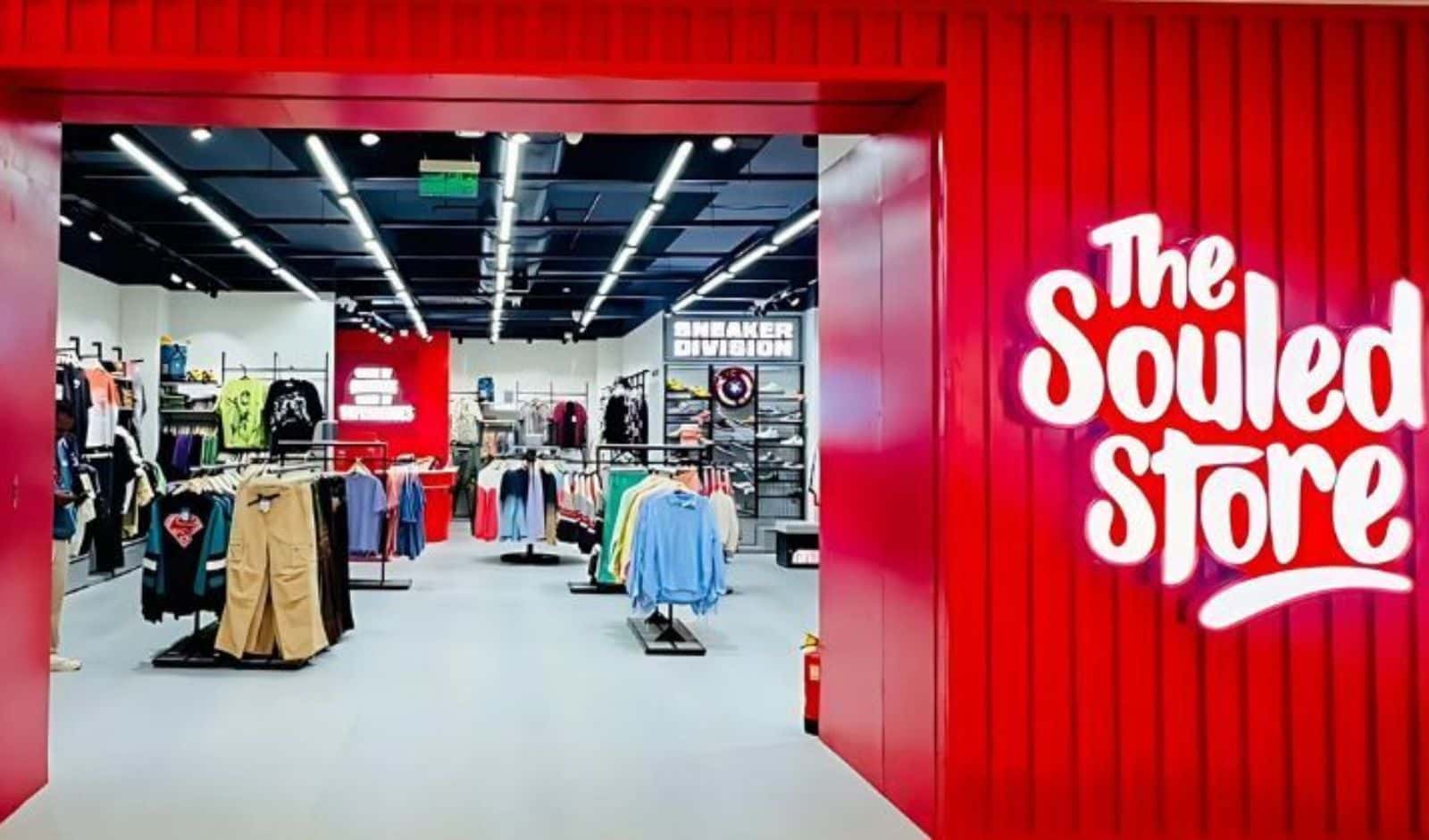
The Souled Store, a Mumbai-based direct-to-consumer apparel brand, is in talks to raise Rs 400-500 crore in a transaction led by 360 One Asset Management, according to people familiar with the matter.
The deal would consist primarily of secondary share sales and would value The Souled Store at about Rs 4,000-5,000 crore, according to one person familiar with the talks who asked not to be identified.
That valuation would be more than three times The Souled Store's last valuation of Rs 1,500 crore.
Because the round is mostly secondary, most of the money would go to existing shareholders rather than into the company, which makes it a liquidity event more than a growth raise.
The Souled Store is in talks to raise Rs 400-500 crore in a deal led by 360 One Asset Management, people familiar with the matter said. The price could more than triple the Mumbai apparel brand's valuation, and the biggest winners would be its existing shareholders.
The Souled Store, a Mumbai-based direct-to-consumer apparel brand, is negotiating a transaction made up mostly of secondary share sales, led by 360 One Asset Management, that would value it at about Rs 4,000-5,000 crore, more than three times its last valuation of Rs 1,500 crore, and would give early backers a large cash-out without a public listing.
That second point matters more than the headline number. In a secondary sale, new investors buy stock from people who already own it. The company itself raises little or nothing. So the Rs 400-500 crore figure is best read as the amount of paper that changes hands, not as fresh capital for stores, inventory or marketing.
The terms come from people familiar with the discussions. One of them, who did not wish to be identified, put the expected valuation at roughly Rs 4,000-5,000 crore. The deal has not been announced, the pricing has not been publicly confirmed, and talks at this stage can still shift on valuation, size or the split between secondary and primary shares.
For the buyer, this is a telling bet. 360 One, the Indian wealth and asset manager formerly known as IIFL Wealth, is known for backing late-stage companies ahead of public listings. Leading a secondary round at more than three times the prior mark suggests the firm expects The Souled Store to be worth considerably more by the time it eventually lists, or at least that it sees enough demand from its own clients to justify paying up now.
The Souled Store's expected valuation in the new deal, more than three times its last valuation of Rs 1,500 crore, according to a person familiar with the matter.
A step-up of that size is unusual in consumer retail right now. It isn't unheard of in India, though, where a handful of profitable or near-profitable consumer brands have been able to command premium prices from late-stage and pre-IPO investors while cash-burning peers struggle to raise at all.
Why a secondary deal, and why now
The structure tells you who is driving this. Early investors in companies founded in the last decade have been waiting a long time for liquidity. Angel backers, seed funds and employees holding stock options all tend to want an exit well before a company gets around to an IPO. A large secondary sale at a sharply higher price lets them take money off the table, lets the fund managers return capital to their own limited partners, and lets the company refresh its cap table with a deep-pocketed investor that can support a listing later.
That playbook will look familiar to US readers. American late-stage startups leaned heavily on tender offers and secondary sales during the long IPO drought that followed 2021, with companies such as Stripe and Databricks using employee tenders to give staff liquidity while staying private. India's version of the trend has been gathering pace as well, with secondary transactions becoming a routine part of pre-IPO rounds for consumer and fintech companies. The Souled Store appears to be following the same logic: price the company richly in private markets first, give insiders a partial exit, then decide on timing for a public offering.
The broader Indian consumer IPO market has given private investors reason for confidence. Honasa Consumer, the parent of Mamaearth, listed in 2023. FirstCry parent Brainbees Solutions went public in 2024, and eyewear retailer Lenskart followed with its own listing. Each of those deals offered a template for how a digitally native consumer brand can reach public markets in India, and each gave pre-IPO investors a reference point for what late-stage paper might eventually be worth. A buyer paying more than three times the last round for The Souled Store is, in effect, betting that the company belongs in that cohort.
Contrast that with the United States, where the direct-to-consumer category has been a cautionary tale. Allbirds and Warby Parker both went public in 2021 and saw their shares fall well below their listing prices. Casper Sleep was taken private after a rough run as a public company. The lesson American investors took away was that DTC brands built on heavy online ad spending often struggle to show durable margins once customer acquisition costs climb. My read is that Indian investors are drawing a different conclusion, at least for brands with a distinct product and a loyal, young customer base, and that this deal is one of the clearest signals of that divergence so far.
The Souled Store's product mix helps explain why. The company is best known for licensed pop-culture merchandise, including apparel tied to film, TV, comic and anime franchises, alongside its own designs. Licensed goods give a brand something most generic basics sellers lack: a reason for fans to seek it out directly rather than finding it through paid search. That kind of built-in demand can lower marketing costs over time, which is precisely the weakness that sank so many US DTC players.
There are real risks in paying this much. Licensing agreements can be renegotiated or lost. Apparel is a crowded, low-barrier category, and large marketplaces and fast-fashion players compete aggressively on price in India. A valuation that could more than triple in one round also raises the bar for any future IPO. If public-market investors do not accept a price at or above Rs 4,000-5,000 crore, the investors buying in now could find themselves underwater, a problem that has already hit several Indian startups that listed below their last private marks.
Founders and operators watching from the US should note the mechanics, too. When most of a round is secondary, the company's balance sheet barely changes. The Souled Store would not be meaningfully better funded after this deal than before it, based on what has been reported. Its growth still has to come from its existing operations and whatever primary capital, if any, is folded into the final terms.
What's next
The immediate question is whether the deal closes at the top or bottom of the reported Rs 4,000-5,000 crore range, and how much, if any, of the Rs 400-500 crore turns out to be primary capital going into the company. Some of those details may surface in regulatory filings once the transaction is completed, since Indian companies must report share allotments with the corporate registrar. After that, the bigger trigger is an IPO. A pre-IPO investor like 360 One leading a mostly secondary round at more than three times the previous valuation is often a precursor to a listing, and the price it pays now will become the benchmark public investors are asked to beat.
Frequently asked questions
What is The Souled Store's new valuation?
The Souled Store could be valued at about Rs 4,000-5,000 crore in a new funding deal, according to people familiar with the talks. At the top of that range, the valuation would be more than three times its previous level.
Who is leading The Souled Store's latest funding round?
The transaction is being led by 360 One Asset Management, according to sources familiar with the matter. 360 One is a Mumbai-based wealth and asset management firm formerly known as IIFL Wealth.
How much money is The Souled Store raising?
The Souled Store is in talks to raise Rs 400-500 crore, or roughly $48-60 million. The deal would consist mainly of secondary share sales rather than fresh capital.
What is a secondary share sale in startup funding?
In a secondary share sale, existing shareholders such as early investors, founders, or employees sell their stakes to new investors. The money goes to the sellers rather than the company, but the deal still sets a new market valuation for the business.
What does The Souled Store sell?
The Souled Store is a Mumbai-based direct-to-consumer apparel brand. It is best known for licensed pop culture merchandise, including T-shirts and casual wear featuring movie, TV, comic, and sports characters.
How much is Rs 5,000 crore in US dollars?
Rs 5,000 crore equals Rs 50 billion. That works out to roughly $600 million, though the exact figure depends on the current rupee-to-dollar exchange rate.