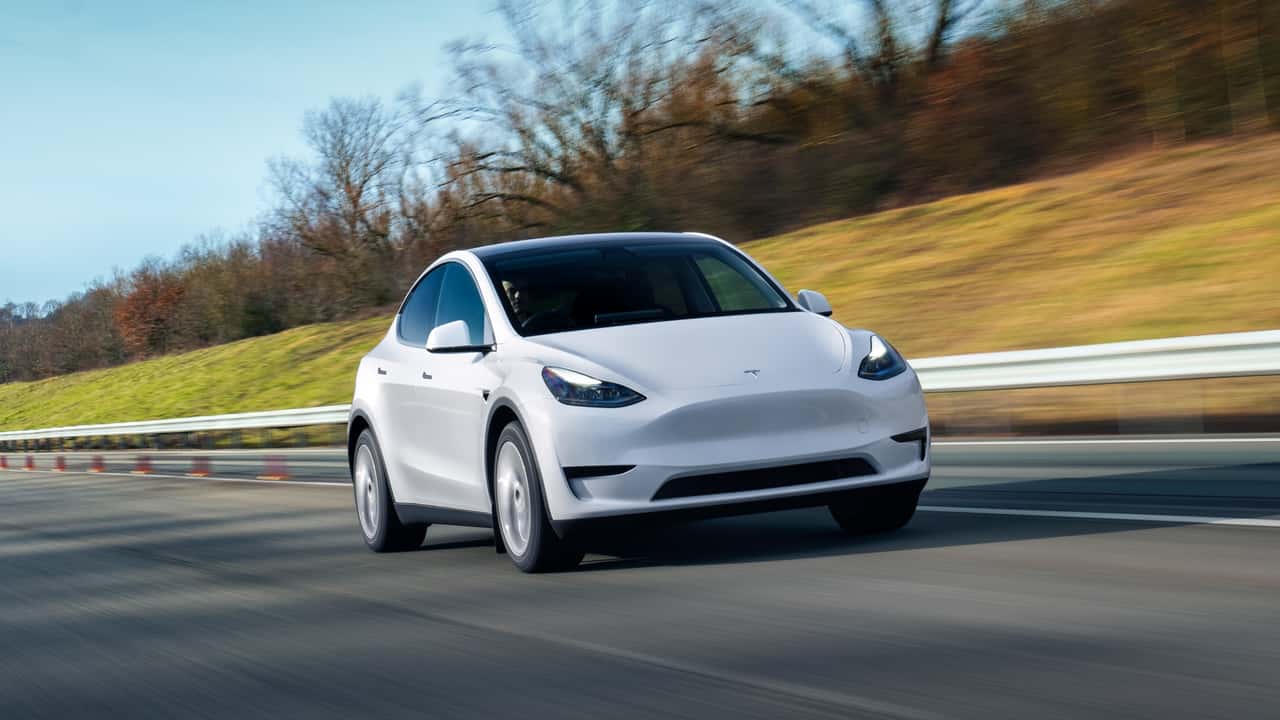
After 87,000 Miles, This 2022 Tesla Model Y Didn’t Just Lose Range. It Charges Slower Too
ADAC documented 14% battery-capacity loss and a substantial reduction in peak charging power after 87,000 miles.

- ADAC, the biggest German automobile association, measured a Tesla Model Y’s battery health after 87,000 miles.
- Its peak charging power fell from 257 kW to barely above 200 kW.
- In 30 minutes, it now adds 13% less energy than when it was new.
Most of the EV battery degradation stories we cover come from owners testing their vehicles. This one is a lot more in-depth, since it was done by the ADAC (Germany’s equivalent of AAA), which has been running a Tesla Model Y as part of its fleet since the fall of 2022.
It has now covered 140,000 km, or around 87,000 miles, making it one of the busiest vehicles in the ADAC fleet. Even though it’s an EV, the automobile association says it was preferred for longer journeys because it can deliver up to 400 km (250 miles) on a single charge, thanks to an average measured efficiency of 21.2 kWh/100 km (2.93 miles/kWh).
The organization rates the vehicle highly and says it remained reliable and dependable. This hard use has taken its toll on the battery pack, though. ADAC first tested its battery health at 100,000 km (62,000 miles), and it measured between 91% and 92%. Now the group has tested it again, and the health has dropped to 86%.
More Aging EVs
So it's lost around 14% of its original usable capacity. That’s pretty much in line with what we’ve been seeing for Model Ys of this age. However, ADAC has an even higher-mileage EV tester, a Volkswagen ID.3 with 220,000 km (136,000 miles), which was tested around the same time and had a better result with 89% remaining.
Both cars use nickel-rich lithium-ion batteries, although it does not specify whether its Model Y pack is NMC or NCA.
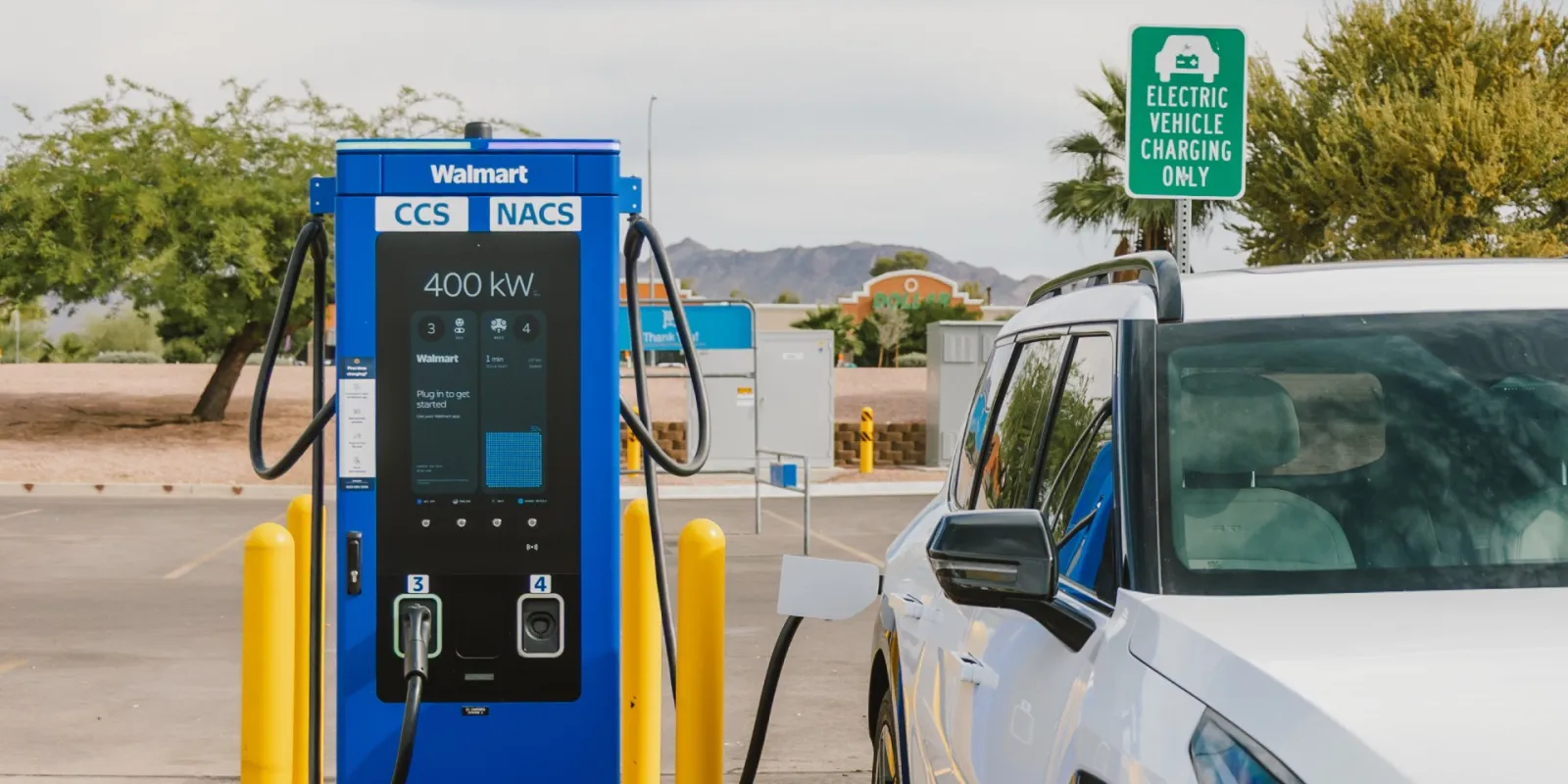
One thing most owners can’t really test for in the same way ADAC can is how an aging battery affects charging speed. In the Model Y, they observed that the vehicle can’t reach its original observed peak charging power of 257 kilowatts from a Supercharger. Now it won’t go much higher than 200 kW, and it charges noticeably slower.

They found that when it was new, the Model Y could take 55.7 kilowatt-hours in 30 minutes at ADAC’s fast charger. That has now fallen to 48.4 kWh, a drop of around 13%. That’s equivalent to about 256 km (159 miles), compared to 295 km previously.
ADAC says the Model Y was used mainly for long highway trips and regularly visited fast chargers, but it does not provide a full breakdown of its AC/DC charging history or a typical state of charge window. So even though we know it saw a lot of fast-charging, we don’t know precisely what kind of life it had.
What makes this result unusual is not the capacity loss, but the documented drop in peak charging power. Battery-health figures are common; repeatable evidence that an aging pack also charges more slowly is not.
Let me know in the comments: Have you experienced this in your own EV?
RECOMMENDED FOR YOU

A Tesla Model Y Battery Test Looked Bad. Then The Degradation Almost Stopped
Waze Is Supercharging Destination Search With Gemini AI
The Rivian R2 Is Just As Efficient As A Tesla Model Y, Despite Weighing More
The Fisker Ocean May Finally Get Hands-Free Driving Even Though The Company Is Dead
This Low-Mileage 2025 Tesla Model Y Lost A Lot Of Range Fast
This Chinese Micro EV Makes The Fiat Topolino Look Bare-Bones
See How Tesla Tore Down The Model S Factory To Build Robots Instead
Source link