

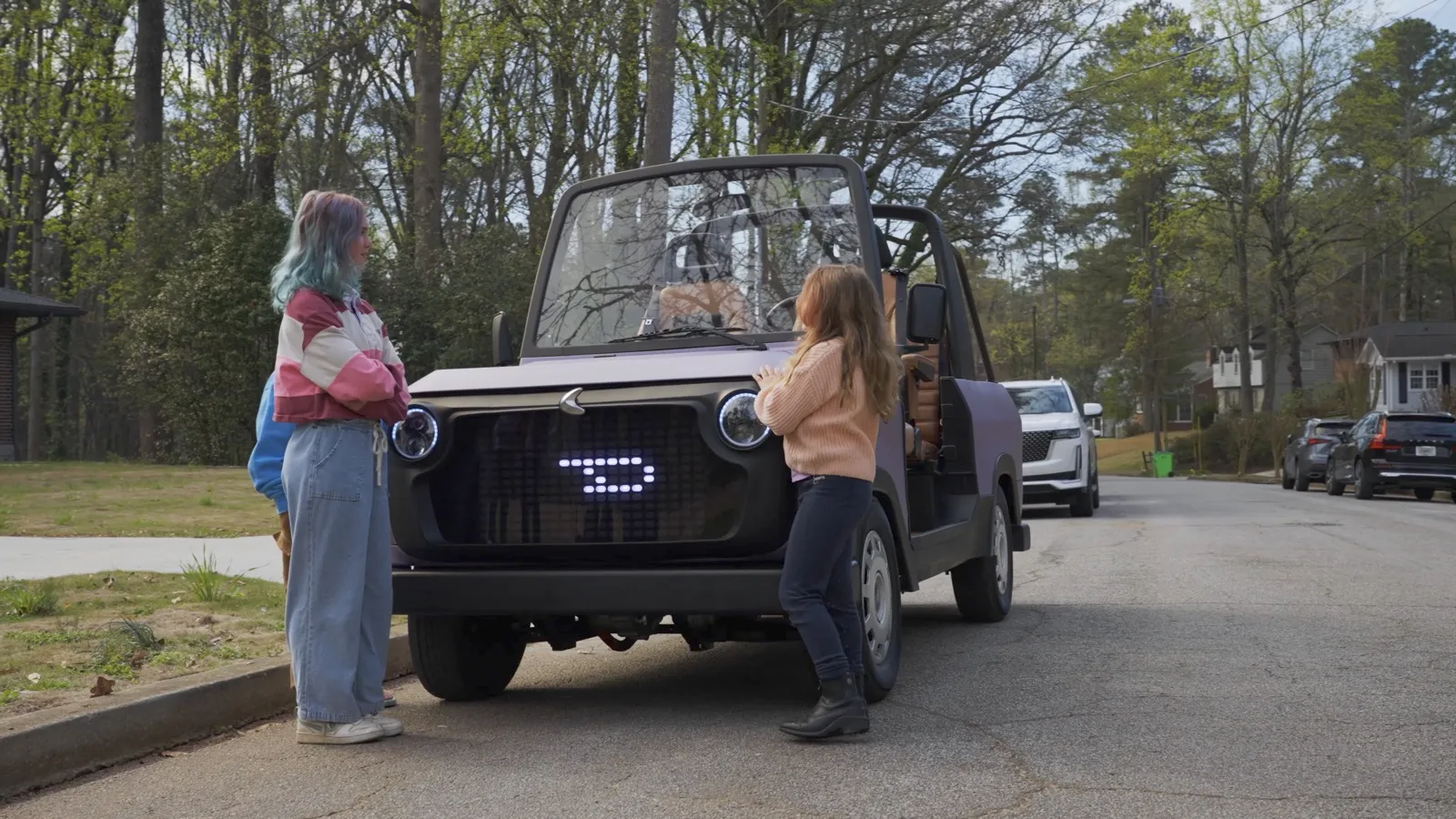
Chip Motors unveils $15,000 electric ‘life utility vehicle’
 | Jul 16 2026 - 8:42 am PT
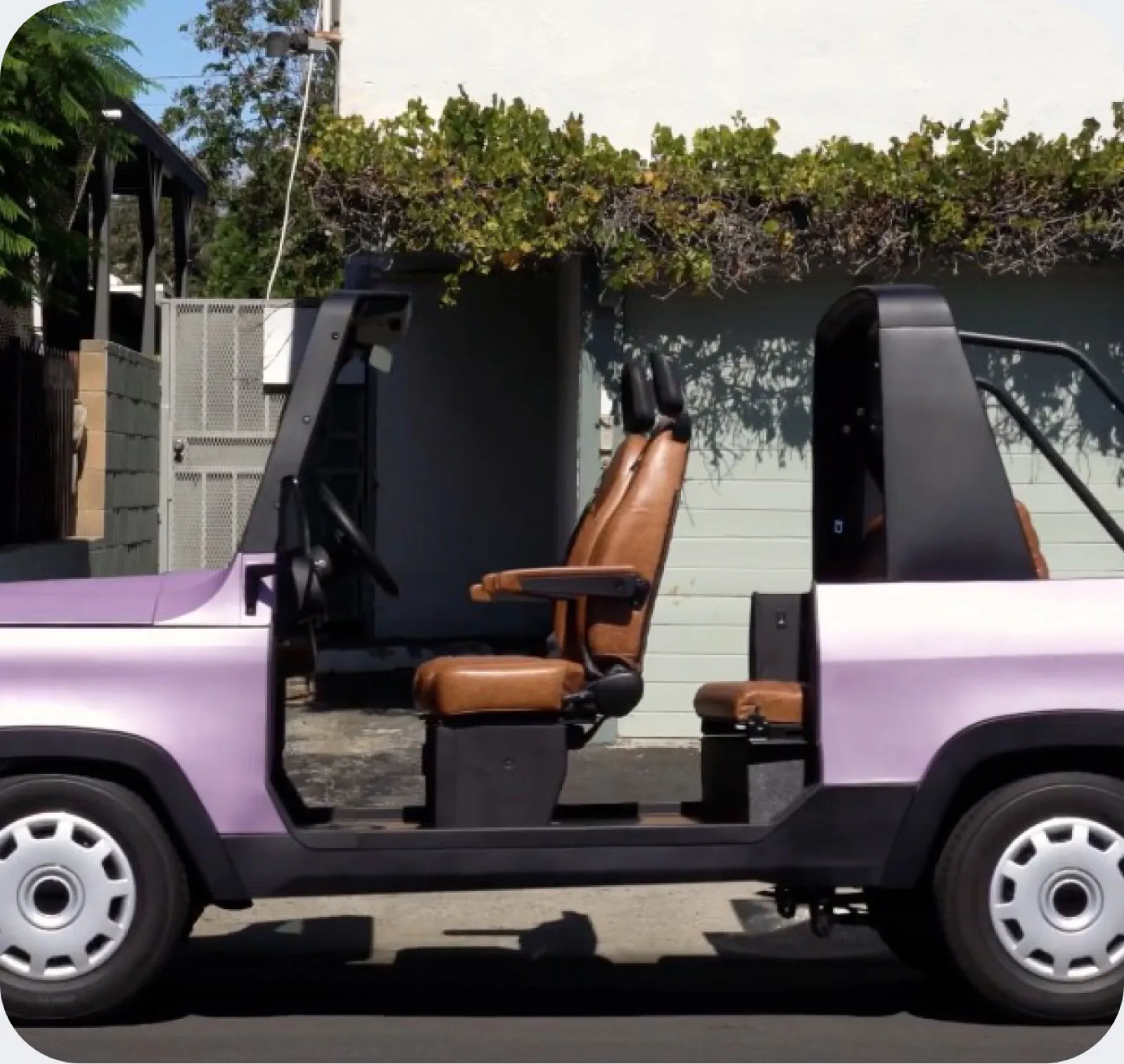
Miami-based startup Chip Motors has unveiled Chip, an electric “life utility vehicle” that starts at $15,000 and tops out at 25 mph.
The boxy, open-air four-seater is a low-speed vehicle aimed at short daily trips, and it lands in one of the fastest-growing corners of the EV market.
A new name for an old category
Chip Motors is branding its vehicle as a “life utility vehicle,” or “LUV” — what it calls “a new category” for “school, soccer, groceries, beach.”
But the specs put Chip squarely in an existing one. With a 25 mph top speed and the ability to drive on roads “posted 35 mph and under,” Chip is a low-speed vehicle (LSV), the same street-legal category as neighborhood electric vehicles like the GEM and Wink’s lineup. Federal LSV rules cap these vehicles at 25 mph and allow them on roads with limits up to 35 mph.
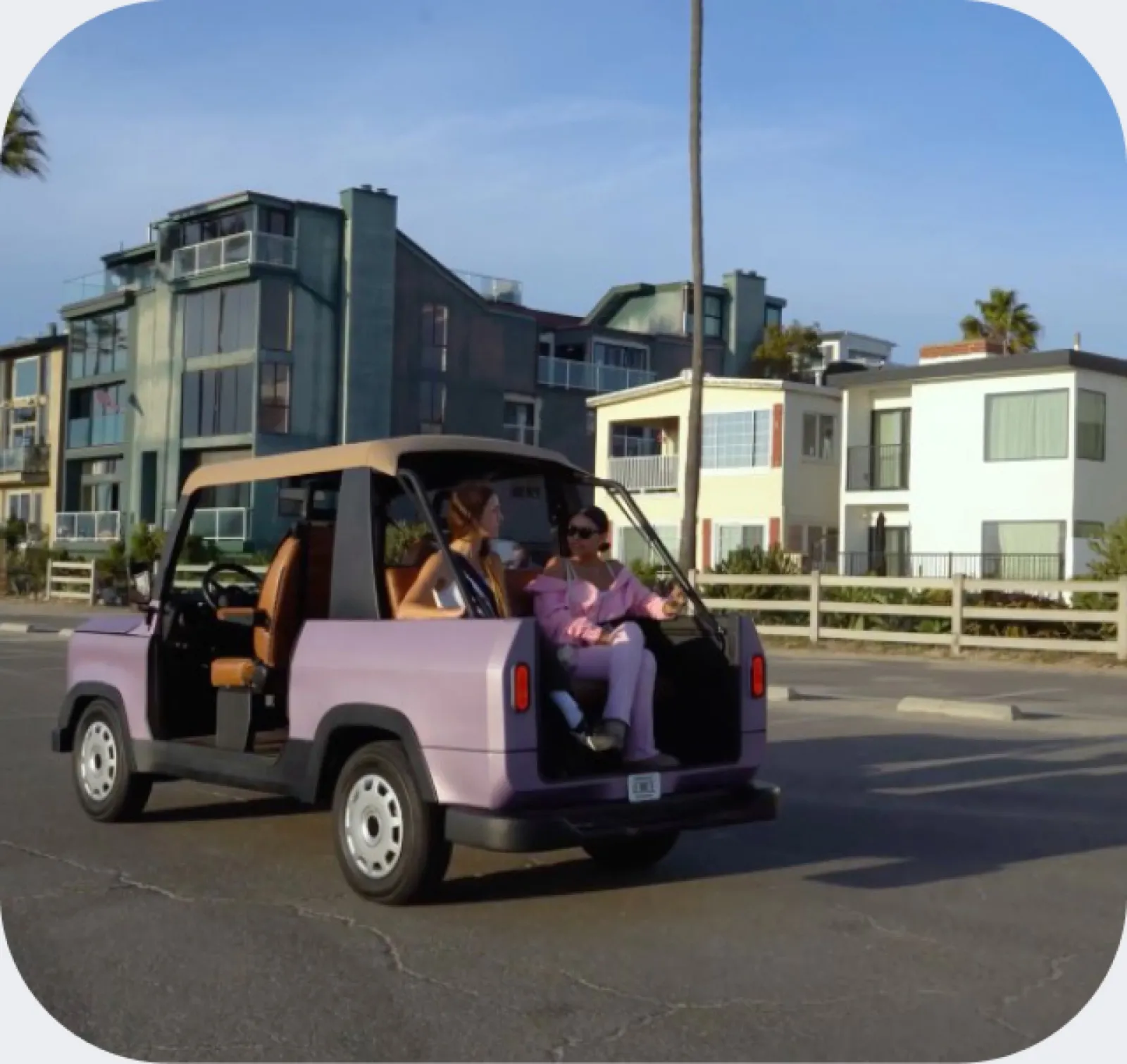
Chip comes in 4-seat and 6-seat configurations. The company lists a starting price of $15,000 for the 4-seat version and $18,000 for the 6-seat, both described as estimated starting MSRP. Reservations are open now for a $250 fully refundable deposit, with deliveries scheduled for 2027.
The specs
Chip claims 100+ miles of range on a charge. According to the company, it charges overnight on a standard 110V household outlet, a 240V setup fills it in “a few hours,” and it has a NACS port for Level 2 public charging where available.
The vehicle is topless by default, with plastic composite exterior panels and “hose-down” interiors. Standard LATCH anchors are built in for car seats, and Chip Motors is offering a long list of options including air conditioning, a hard or soft top, a roof rack, a lift kit, built-in navigation with Android Auto and Apple CarPlay, and a “frunk” that can be equipped with a TV and speakers.
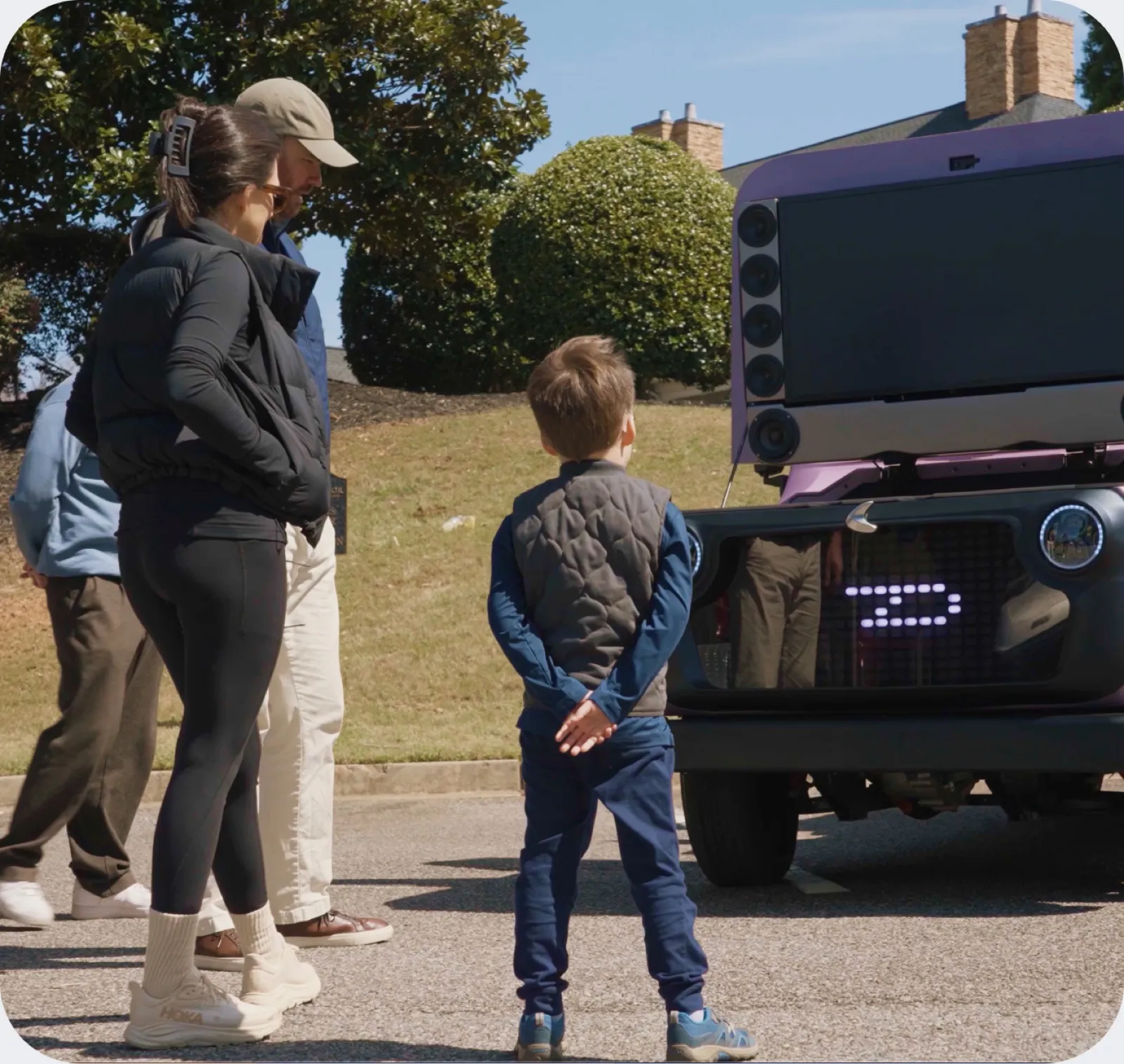
Forbes, which covered the unveiling, reported that Chip uses in-wheel motors and a roughly 15-kWh LFP battery pack mounted flat along the floor, with a roll bar and higher ground clearance. Chip Motors notes on its own site that charge times are “illustrative, pending final specs.”
‘Chip Go’ is remote driving, not autonomy
Chip’s headline feature is “Chip Go,” which the company pitches as the vehicle parking itself, running errands, and coming back to pick you up when the cabin is empty.
Some coverage has described this as “autonomous.” Chip Motors’ own FAQ tells a different story: “Chip Go is a driverless service… Expert human drivers tag in remotely, so Chip can park himself, run errands, or come pick you up.”
In other words, Chip Go is teleoperation — a remote human driving the vehicle — not self-driving technology. The company says the system only operates when the vehicle is empty.
The long-term ambition appears to be shifting away from teleoperation toward true autonomy.
Electrek’s Take
LSVs and neighborhood EVs are one of the few genuinely affordable, genuinely growing segments of American electrification, and Chip’s design, a friendly, open-air box with a face, is charming and clearly aimed at replacing the second SUV for suburban errands. Chip is right that most trips are “a few miles wide.”
But let’s be precise about what $15,000 buys. This is a 25 mph low-speed vehicle, so the correct comparison isn’t a Chevy Bolt or a Nissan Leaf, it’s a nice street-legal golf cart. Wink Motors’ NEVs start under $9,000, and the GEM has been selling this concept since the 1990s. Chip is a premium entry in the tiny street-legal EV space we’ve been tracking for years, not a cheap car.
Now, “Chip Go” is the unique feature in the segment here, but we would need real-world experience with it to judge if it is truly useful.
If you’re eyeing a low-cost EV like Chip to cut your driving costs, pairing it with home solar is the smartest way to lock in cheap “fuel” for years. With electricity rates climbing nearly 10% last year, home solar protects you against future rate increases. And with lease and PPA options, you can go solar with zero upfront cost and start saving immediately. If you want to find the best deal, check out EnergySage. It’s a free service with hundreds of pre-vetted installers competing for your business, so you save 20 to 30% compared to going it alone. No sales calls until you pick an installer. Get your free quotes here.


FTC: We use income earning auto affiliate links. More.
Subscribe to Electrek on YouTube for exclusive videos and subscribe to the podcast.



Source link
![Range Rover’s smaller, more affordable electric SUV makes first public appearance [Images]](https://startupnews-media-2026.s3.us-east-1.amazonaws.com/startupnews-in/uploads/2026/07/rss-mrnp3yl9-g3n1ia-2.jpeg?X-Amz-Algorithm=AWS4-HMAC-SHA256&X-Amz-Content-Sha256=UNSIGNED-PAYLOAD&X-Amz-Credential=AKIAZQ3DRHCSCL44VIMT%2F20260716%2Fus-east-1%2Fs3%2Faws4_request&X-Amz-Date=20260716T173814Z&X-Amz-Expires=604800&X-Amz-Signature=17891c5a36c8c376acd2b41e0fcebf3969bab2076b75c204b84f849b64307534&X-Amz-SignedHeaders=host&x-amz-checksum-mode=ENABLED&x-id=GetObject)

Comments