New CEO Silvio Napoli's 'operational reset' aims for $1.4B in savings, pivoting Lucid Motors towards robotaxis and a sustainable luxury EV future.
Lucid Motors, a prominent player in the luxury electric vehicle (EV) segment, is embarking on a critical "operational reset" under the leadership of its new CEO, Silvio Napoli. This ambitious turnaround plan centers on achieving $1.4 billion in cash savings and strategically pivoting towards emerging opportunities like robotaxis, signaling a crucial moment for the company's future trajectory in a rapidly evolving global automotive landscape. The journey ahead involves navigating significant market pressures, refining product development, and fostering a culture of rigorous execution to reclaim its innovative edge.
Lucid Motors is undertaking an "operational reset" led by CEO Silvio Napoli, aiming for $1.4 billion in cash savings and a strategic pivot towards robotaxis.
The luxury EV maker is focused on quality control for its mid-size vehicle launch, while progressing plans for a Saudi Arabian factory and new revenue streams.
For Silvio Napoli, stepping into the CEO role at Lucid Motors was not merely a promotion; it was a call to action, a high-stakes challenge to steer a visionary electric vehicle company back from the brink. Napoli inherits a company renowned for its technological prowess and luxurious offerings, but one that has faced challenges in its operational journey. His mandate is clear: stabilize the present while aggressively building for the future. The core of Lucid’s new strategy, as unveiled by Napoli, is a robust plan to reduce cash burn significantly, targeting an impressive $1.4 billion in savings. This financial discipline is paramount in a capital-intensive industry. This concerted effort is designed to provide sufficient liquidity, buying crucial time for its long-term vision to materialize. Napoli, in his role as CEO, has offered an assessment of Lucid's operational considerations. He articulated a strong message that the operational ethos of the company must fundamentally change. It is my read that this directness is vital for rebuilding trust with investors and internal teams, acknowledging shortcomings openly before outlining a path forward. He indicated that while Lucid brought leading innovations and outstanding products to market, certain operational aspects had collectively hindered progress. These are critical lessons for any startup, particularly those in hardware-heavy sectors, where early mistakes can compound rapidly. Central to the "operational reset" are four "must-win" priorities. The first involves the successful launch of its mid-size electric vehicle, a crucial product intended to expand Lucid’s market appeal. Napoli has stated that the mid-size vehicle will launch only when every process and quality requirement have been met, aiming to avoid past mistakes by ensuring a product is ready before it comes to market. This decision, I believe, reflects a mature understanding that product integrity and customer satisfaction are long-term assets, more valuable than rushing to meet an arbitrary deadline. In an increasingly competitive EV market, where quality issues can severely damage brand reputation, this stance is a calculated risk for future gain. The second priority focuses on the completion of Lucid's factory in Saudi Arabia. This facility represents a significant strategic asset, not just for manufacturing capacity. Establishing a strong manufacturing base outside the US diversifies Lucid’s production capabilities and provides a strategic foothold in a growing automotive market. For India, observing such global manufacturing expansions highlights the importance of localized production and supply chain resilience, lessons that become increasingly pertinent as domestic EV manufacturing scales up. The global EV ecosystem is heavily reliant on robust supply chains and manufacturing hubs, and Saudi Arabia's investment is a testament to the geopolitical and economic considerations at play. Beyond manufacturing, the third and fourth priorities involve aggressive cost-cutting and a strategic dive into robotaxis. The robotaxi initiative represents a forward-looking bet on the future of autonomous mobility. The pivot towards robotaxis is a significant strategic shift, indicating Lucid's ambition to move beyond just selling luxury vehicles and tap into the lucrative and transformative autonomous driving market. This move places Lucid in direct competition with tech giants and established automotive players who are heavily investing in self-driving technology. It’s an acknowledgment that the future of transportation will be defined not just by electric powertrains, but by intelligent, self-driving platforms. The global automotive industry is currently navigating a period of intense transformation, with the EV market experiencing both unprecedented growth and significant headwinds. As I see it, the challenges Lucid faces are not unique but are amplified by its position as a relatively young luxury `EV brand competing with both established automotive giants and agile tech-first companies like Tesla. The market is becoming increasingly saturated, and consumers are becoming more discerning, demanding not just innovation but also reliability and affordability. This makes Lucid's strategic shift and focus on cost efficiency absolutely critical. The mid-size vehicle, once launched, will be a litmus test for its ability to compete in a more mainstream, albeit still premium, segment.
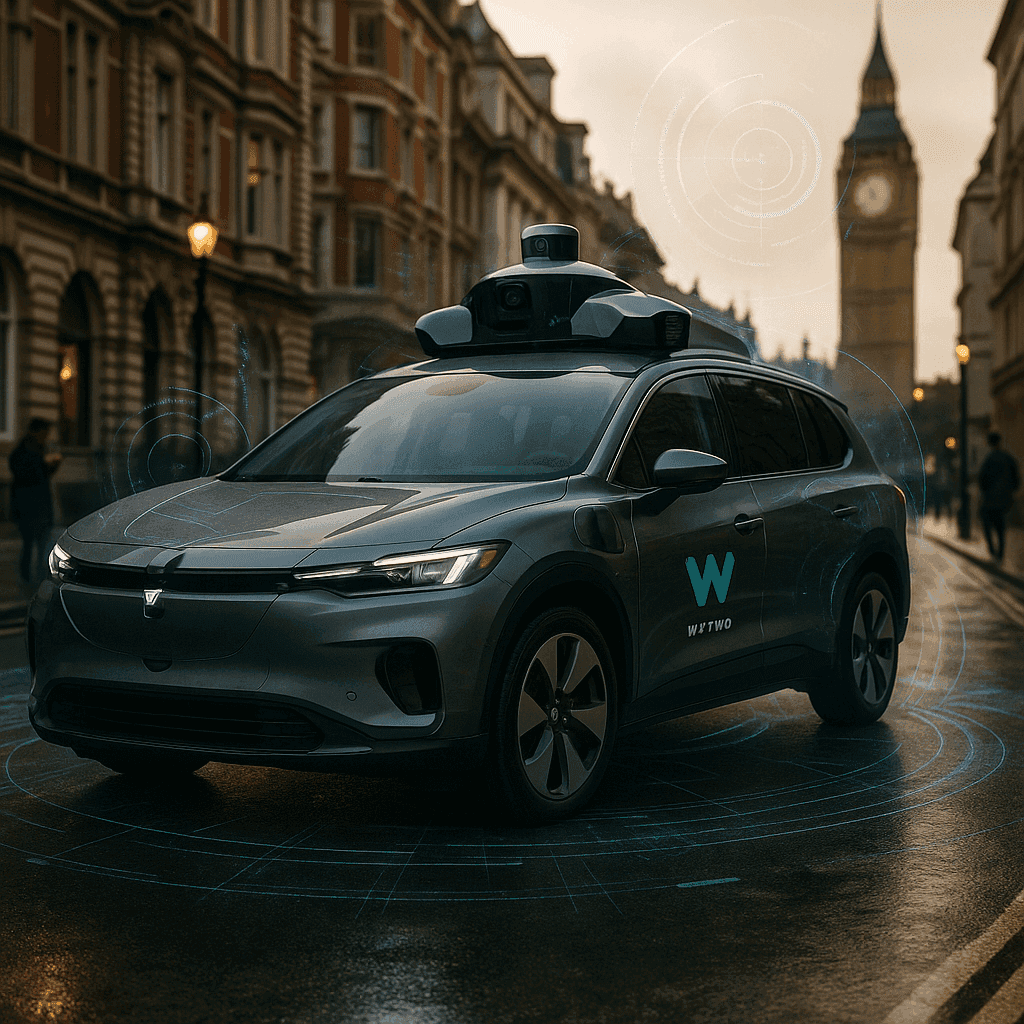
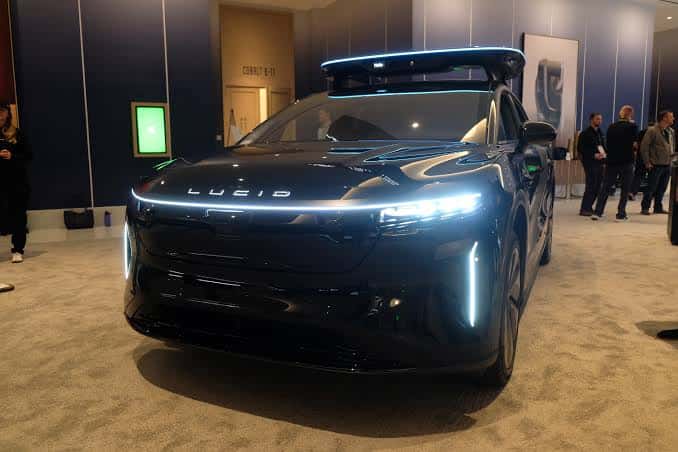
Under the new leadership of CEO Silvio Napoli, luxury EV manufacturer Lucid Motors has initiated a sweeping "operational reset" aimed at righting the ship. The mandate is aggressive: identify $1.4 billion in cash flow improvements across operating expenses, capital expenditures, and working capital in 2026 to stabilize the company's financial footing. This is a textbook survival pivot for a capital-intensive hardware startup. Napoli is aggressively cutting cash burn while doubling down on four "must-win" strategic priorities, notably its upcoming mid-size vehicle program and the scaling of its AMP-2 manufacturing facility in Saudi Arabia. Most compelling for the tech ecosystem, however, is Lucid’s sharp pivot toward autonomous mobility. By prioritizing a robotaxi program—currently deploying production-validation Gravity vehicles for testing with Uber and Nuro in San Francisco and Houston—Lucid is signaling that its future isn't just about selling premium electric cars. It is aiming to become a foundational player in the autonomous mobility-as-a-service market. For founders watching from the sidelines, Lucid’s playbook is clear: when market headwinds intensify, ruthless financial discipline and a willingness to diversify your core business model are the only ways to survive.
The robotaxi venture, in particular, resonates with a broader trend across the mobility sector globally. Companies like Waymo, Cruise, and even Tesla are pouring billions into autonomous technology, recognizing that the future of transportation extends beyond private ownership. For India, a country with a vast and complex urban mobility landscape, the evolution of robotaxis and autonomous driving presents both immense opportunities and unique challenges. While full-scale deployment is still years away, the foundational technologies and operational models being developed by companies like Lucid could eventually inform and inspire India’s own smart city and mobility solutions, potentially transforming public transport and logistics. The analytical lens here is that Lucid is not just building cars, but potentially developing platforms for future mobility services. This dual strategy—refining current products while investing in future technologies—is a characteristic of resilient companies in disruptive markets. This operational reset by Lucid, therefore, is more than just a financial exercise; it is a profound re-evaluation of its market position and strategic direction. By emphasizing quality for its mid-size EV and boldly stepping into the robotaxi space, Lucid is attempting to learn from past mistakes while positioning itself for long-term relevance. For the burgeoning EV ecosystem in India, and for aspiring entrepreneurs within it, Lucid’s journey offers a valuable blueprint: the importance of disciplined execution, strategic diversification, and an unwavering commitment to product integrity, even in the face of significant market pressures. The lessons gleaned from global players like Lucid in navigating financial challenges and technological pivots can inspire a new generation of Indian startups to build more resilient and future-proof enterprises.
Frequently asked questions
What is Lucid Motors' new turnaround plan?
Lucid Motors, under new CEO Silvio Napoli, is implementing an "operational reset" focusing on $1.4 billion in cash savings and a strategic shift towards robotaxi development. This aims to secure its future in the luxury EV market.
Who is the new CEO of Lucid Motors leading the turnaround?
The new CEO leading Lucid Motors' turnaround is Silvio Napoli.
How much cash savings is Lucid Motors targeting in its turnaround?
Lucid Motors aims to achieve $1.4 billion in cash savings as part of its operational reset.
What new market opportunities is Lucid Motors exploring?
Lucid Motors is strategically pivoting towards emerging opportunities like robotaxis.
Why is Lucid Motors undertaking an "operational reset"?
Lucid Motors is undergoing an operational reset to secure its future trajectory and strengthen its position in the competitive luxury electric vehicle segment.
What segment of the automotive industry does Lucid Motors primarily operate in?
Lucid Motors primarily operates in the luxury electric vehicle (EV) segment.