

New normal? The US has suffered a major power outage EVERY month of 2026
 | Jul 15 2026 - 4:33 am PT
 A Reddit post making the rounds this week claims the US has experienced at least one major power outage every month of 2026 – but is it true? I dug into several outages, the extreme weather behind them, and what we can do to help keep the lights on.
Let’s kick things off with the original post, by SolarTech_SD.
The US has had a massive power outage every single month this year. At what point is this just the new normal?
Just in the last 90 days: 450,000 people lost power in Pennsylvania in April, over 130,000 in Texas last week, and two separate outages hit nearly 40,000 homes in LA County on the same day. Back in March, there were 210,000 outage events across 46 states in a single month.
About 70% of outages are triggered by severe weather, and another 20% come from equipment failing on its own. But those two things are connected — most of the US power grid was built in the 1960s and 70s, and it hasn’t been meaningfully updated since. Old equipment hits harder when storms roll through, and it takes longer to fix.
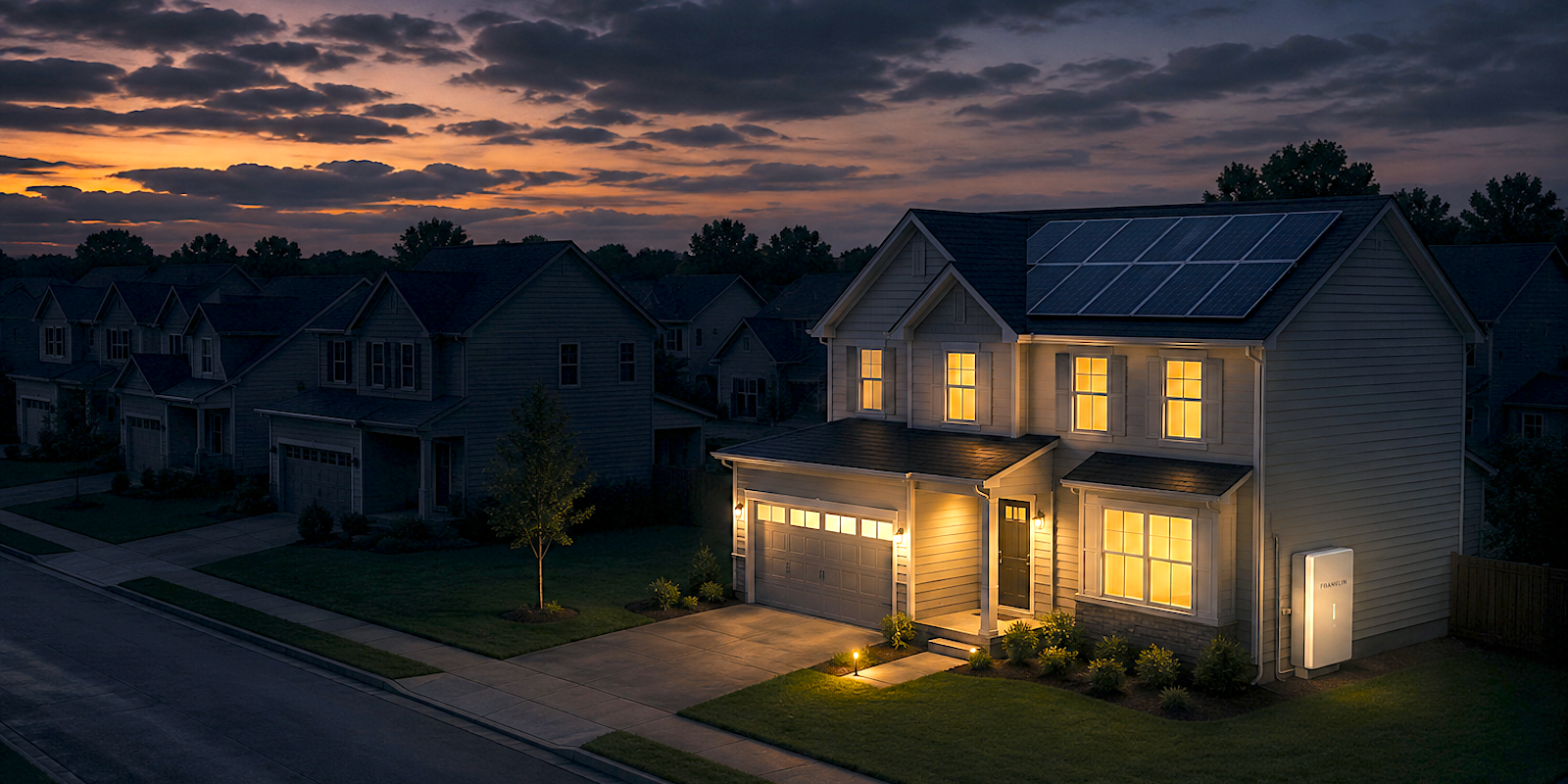
The people who made it through these outages without much disruption tend to have one thing in common: they weren’t relying on the grid in the first place. Solar keeps running during daytime outages, and a battery carries you through the night. As this becomes a monthly thing rather than a once-a-year thing, more homeowners are starting to treat grid independence as a basic household need.
The claim that hundreds of thousands of Americans were without power over extended periods at least once per month, every month of 2026 surprised be in two ways. First, because I had no idea if it was true – and, second, because it felt true.
We try to do better than writing about things that feel true around here, however, so I did a bit of research (translation: I Googled power outages by month) and came up with the following examples in about sixty seconds …
Source Links
… and that list is far from comprehensive, and how you feel about it might depend on what you consider a “major” outage, of course – but consider that there are tens of thousands of Americans without power right now, and that’s not making the news.
Consider, also, that if you were one of the people without power for an extended period earlier this year, that power outage may have been the least of your worries.
“In mid-June, my husband and daughter were hunkered down in a barn in Belleville, Wisconsin, waiting out a severe thunderstorm that produced a tornado down the road. The storm destroyed two homes and severely damaged several more in Belleville,” writes Rachel Licker, a former UCS staffer working with The Union of Concerned Scientists and reporting for The Equation. “On another occasion, my daughter spent her last hour of the school year sheltered in place in her school’s basement as a severe thunderstorm roared through the area, producing 80+ MPH wind gusts. It was such a strong storm that it was eventually classified as a derecho – a particularly extreme class of severe thunderstorms.”
The lesson here is that weather-related grid outages – whether they’re caused by wildfires, mudslides, derechos, tornadoes, ice storms, hurricanes, heat waves, or some other disaster I’m lucky enough to have forgotten about – read like statistics when they’re happening over there, but get personal real quick when they’re happening to you.
It gets a preachier from here
And policies that roll back clean energy investment and make it both easier and more profitable for big companies to pollute the air, land, and water around us with harmful carbon emissions and greenhouse gasses? They’re making the problem objectively worse.
That’s why electric vehicles with bi-directional tech, home solar panel systems, and home batteries are essential – they can allow us to live pretty much the same way we live today with significantly less pollution and less strain on the grid.
The best part is that homeowners don’t have to wait for Washington to decide whether these technologies are worth supporting. Even as federal policy shifts, the economics of individual energy independence continue to improve, and states, utilities, and local programs are stepping up with incentives that help families lower their energy bills, reduce their emissions, and keep the lights on when the weather turns ugly.
Some states get this, as evidenced by the recent EV rebates and home battery programs being rolled out in California (and others) that are making it easier than ever for everyone to make an impact.
No one person (or rooftop solar panel + battery storage + bi-directional EV charging system) is going to stop the next hurricane or prevent the next derecho, of course – but just like no individual raindrop feels responsible for the flood, the journey of a thousand miles begins with a single step, and electrifying a single rooftop (or balcony), driveway, or home can make our communities cleaner, more resilient, and better prepared for whatever comes next.
YOU MIGHT ALSO LIKE:
- Yes, an EV really CAN power your home – if it’s one of these
- Report: solar could increase your home value by $39,500 to $79,000
- Backup power is the LEAST interesting thing your home battery can do
- The grid was melting down in last week’s heat – until EVs came to the rescue
Original content from Electrek; source links throughout.

If you’re considering going solar, it’s always a good idea to get quotes from a few installers. To make sure you find a trusted, reliable solar installer near you that offers competitive pricing, check out EnergySage, a free service that makes it easy for you to go solar. It has hundreds of pre-vetted solar installers competing for your business, ensuring you get high-quality solutions and save 20-30% compared to going it alone. Plus, it’s free to use, and you won’t get sales calls until you select an installer and share your phone number with them.
Your personalized solar quotes are easy to compare online and you’ll get access to unbiased Energy Advisors to help you every step of the way. Get started here.


FTC: We use income earning auto affiliate links. More.




Source link
Comments