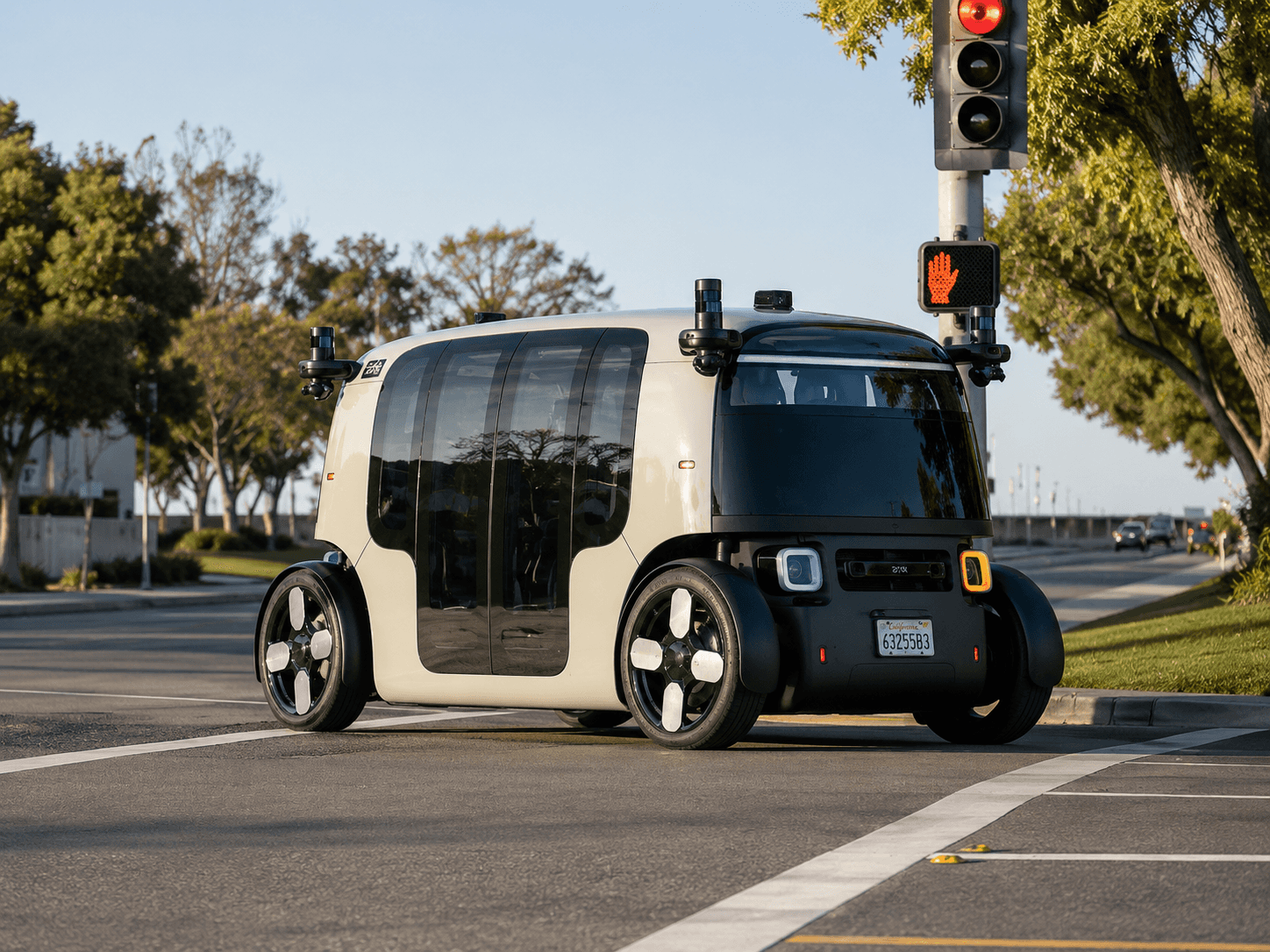
US regulators greenlight purpose-built autonomous vehicles, paving the way for a new era of urban mobility and commercial driverless operations.
The landscape of urban transportation is on the cusp of a profound transformation, and a recent regulatory decision from the U.S. government has just opened the door wider for a future many have only imagined. This isn't just about another self-driving car on the road; it's about purpose built vehicles, designed from the ground up to be driverless, finally getting the green light to operate commercially and charge passengers for rides. For commuters and city dwellers, this marks a tangible step towards a new era of mobility.
Here's what happened: The National Highway Traffic Safety Administration (NHTSA) has granted a crucial exemption, allowing companies like Amazon owned Zoox to deploy their truly autonomous vehicles for paid services. This bypasses a nearly six decade old regulatory barrier that effectively prevented experimental, purpose built self driving concept vehicles from operating commercially in the real world.
The significance of this move cannot be overstated. For years, autonomous vehicle (AV) developers have largely been confined to either retrofitting existing car models with self-driving tech, which still adheres to traditional automotive safety standards, or operating purpose built prototypes under limited testing permits without charging for services. Zoox's vehicle, distinctively designed without a steering wheel and lacking a traditional "front" or "back," epitomizes the kind of innovation this older regulation had inadvertently stifled.
This exemption is a pivotal moment, shifting the conversation from technological feasibility to commercial viability. It signals a readiness from regulators to adapt to emerging technologies, recognizing that the future of transport may not always look like a conventional car with an invisible driver. The ability to deploy and monetize these vehicles is the critical missing piece that moves them from ambitious R&D projects to scalable business models.
Why This Matters Now
For those of us observing the venture capital and startup funding landscape, this regulatory breakthrough is a clear signal that the capital markets may finally see a more direct path to returns in the AV sector. Investment in autonomous driving has been immense, but the path to profitability for truly driverless services has been bottlenecked by both technological maturity and, crucially, regulatory hurdles. This NHTSA exemption directly addresses the latter, potentially unlocking significant revenue streams for pioneers in this space.
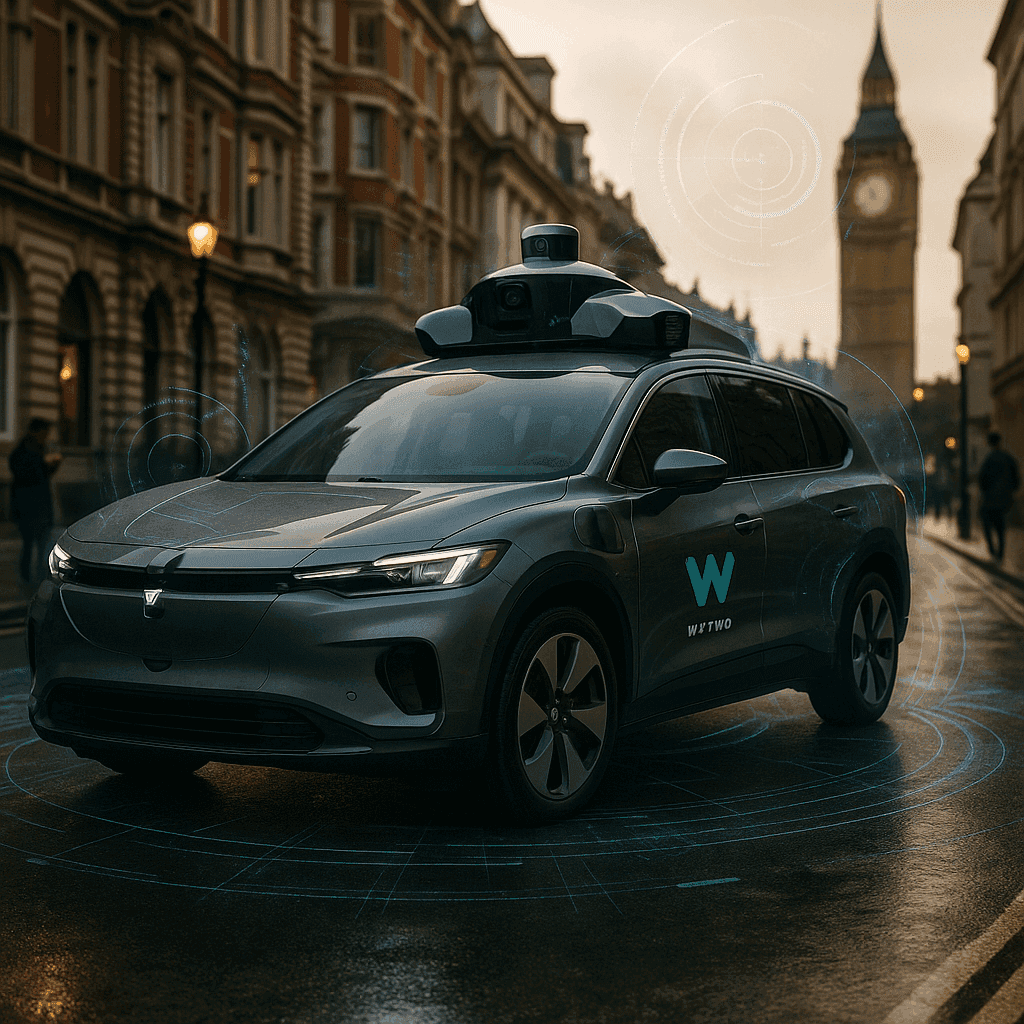
What strikes me here is how this decision aligns with a broader trend of regulatory bodies slowly but surely catching up to technological innovation. For too long, the AV industry has navigated a patchwork of state level regulations in the US, creating an inconsistent and often prohibitive environment for large scale deployment. A federal level exemption for commercial operation of purpose built robotaxis suggests a more unified and forward thinking approach, which is essential for scaling these capital intensive operations nationwide. This is not just a win for Zoox; it sets a precedent for other AV developers pursuing similar vehicle architectures, like Waymo's bespoke "Waymo Driver" vehicles or Cruise's Origin.
Zoox’s Approval Moves Robotaxis From Experiment to Business Model NHTSA’s approval of Zoox’s purpose built robotaxi is an important milestone because it allows a vehicle without steering wheels or pedals to enter paid commercial service. However, this is a company-specific exemption, not a blanket regulatory green light for all autonomous vehicle developers. Zoox can deploy up to 2,500 vehicles annually for two years, subject to additional safety reporting requirements. In our view, the bigger breakthrough is economic rather than technological. Purpose built robotaxis can finally begin proving whether autonomous mobility works as a scalable business, not simply as an expensive demonstration. But commercialization does not eliminate the hard questions. Safety performance, emergency scene handling, local approvals and fleet economics will determine whether this becomes a genuine transportation platform or remains a limited premium service. Regulatory permission opens the road; sustainable execution will decide who owns it.
My read is that this move could accelerate consolidation in the AV space. Companies with purpose built vehicles that can quickly secure similar exemptions will gain a significant competitive advantage, especially if they are backed by deep pocketed entities like Amazon, as Zoox is. This puts pressure on players still relying heavily on retrofitted vehicles or grappling with the complexities of evolving conventional automotive standards for driverless operations. It's a pragmatic recognition that a vehicle designed from the ground up for autonomy can incorporate safety features and operational efficiencies that a retrofitted car cannot.
The Road Ahead
From a consumer perspective, this means more choice and potentially a significant shift in how people commute and travel within urban centers. Imagine a future where the concept of car ownership, particularly for city dwellers, becomes less compelling as on demand, purpose built robotaxis become a reliable and cost effective alternative. This directly impacts traditional automotive manufacturers, ride-sharing platforms, and even urban planning, as cities might need to rethink infrastructure to accommodate these new fleets.
However, the road ahead is far from entirely clear. While the federal exemption is a massive step, local jurisdictions will still play a critical role in the actual deployment and scaling of these services. Questions around licensing, operational zones, and public acceptance remain paramount. Furthermore, the inherent safety challenges of fully autonomous driving, though continually being addressed through billions in R&D, will always be under intense scrutiny, especially as these vehicles transition from experimental pilots to widespread commercial service. Every incident will be amplified and will shape public trust, making robust operational safety protocols and transparent communication absolutely essential for sustained growth.
Ultimately, this regulatory nod is more than just a bureaucratic checkbox; it's a foundational shift. It acknowledges that the future of mobility will involve vehicles fundamentally different from those of many decades past and empowers innovators to bring those visions to reality. For investors, it de-risks a major aspect of the AV business model, offering a clearer path to commercialization. For consumers, it signals the coming availability of truly driverless services, promising greater convenience and potentially reshaping our cities. The race to define and dominate autonomous urban mobility has just entered its next, most exciting phase.
Frequently asked questions
What did the US government approve regarding robotaxis?
The US government has officially approved purpose built robotaxis for paid commercial operation. This landmark decision allows vehicles designed without human drivers to begin offering transportation services to the public.
What are 'purpose built robotaxis'?
Purpose built robotaxis are autonomous vehicles explicitly designed from the ground up for driverless operation, often lacking traditional controls like steering wheels or pedals. They are not simply existing cars retrofitted with self driving technology.
What does 'official nod for paid operation' mean?
This signifies that these specialized autonomous vehicles can now legally charge passengers for rides, allowing them to transition from testing phases to full commercial deployment in designated areas within the United States.
How will this impact urban transportation?
This decision is expected to profoundly transform urban transportation by introducing new, potentially more efficient and accessible mobility options, reducing reliance on human-driven vehicles, and contributing to smart city development.
Which US government body issued this approval?
While the article broadly refers to the 'U.S. government,' approvals for autonomous vehicles typically involve federal agencies like the National Highway Traffic Safety Administration (NHTSA) and relevant state-level departments regulating motor vehicles.
What are the next steps for robotaxi companies after this approval?
With this approval, robotaxi companies can now focus on scaling their commercial operations, expanding service areas, and further refining their technology for broader public adoption, ensuring safety and efficiency in their services.