Despite hype, Tesla's "future of urban transport" is delivering "far from autonomous perfection," leaving loyal users stranded and frustrated in Texas.
Tesla’s Robotaxi service, hailed by some as the future of urban transport, appears to be consistently failing its most loyal users in Texas, delivering experiences that are far from autonomous perfection. Recent incidents have seen the service quote a 66-minute duration for a mere 2.3-mile trip and leave riders, including self-proclaimed "Tesla Ambassadors," stranded miles from their intended destinations. This string of operational missteps comes at a critical juncture for Tesla, which has positioned its autonomous ride-hailing network as a cornerstone of its long-term revenue strategy and a key differentiator in the EV market.
The company’s ambitious vision for a fully self-driving future relies heavily on public trust and demonstrable reliability, making these current failures a direct challenge to its narrative. One particularly glaring example involved Reggie Overton, an individual identifying as a "Tesla Ambassador" and AI/ML certified professional, who detailed a frustrating August 22 experience. His Robotaxi estimated a staggering 1 hour and 6 minutes to cover a distance of just 2.3 miles. When he called support, he was told it was a bug. The group ultimately changed their destination, got out of the Robotaxi, and called a competing ride-share service.
What complicates this situation is that these aren't isolated complaints from casual users; they are emanating from the very community Tesla cultivates for advocacy. When your most vocal supporters are publicly airing grievances, it signals a deeper problem than just isolated technical glitches. It points to a breakdown in core service delivery and customer experience. The broader autonomous vehicle sector, still in its nascent stages, operates under intense scrutiny, with competitors like Waymo and Cruise navigating their own complex paths through regulatory hurdles and public perception challenges. Tesla’s distinct strategy—relying primarily on a camera-only vision system and a single FSD software stack for both consumer vehicles and its Robotaxi service—sets it apart, but also potentially exposes it to unique scaling difficulties.
Reggie Overton’s public post detailing his ordeal quickly gained significant traction. This isn’t an anomaly, either. Another notable account, TexasTSLA, a self-identified four-time Tesla owner and bug-finder, has meticulously documented a steady stream of Robotaxi failures within the designated Texas geofences. His logs include a string of missed pickups and drop-offs, sometimes miles from the destination, alongside other operational issues within the designated Texas geofences. My read is that these incidents are not merely technical debugging exercises; they represent a significant erosion of brand equity and customer trust, particularly among the early adopters and enthusiasts Tesla needs most. In a market driven by perception and word-of-mouth, especially within the tech-savvy crowd, such public failures become powerful negative marketing. It’s a challenge of distribution and adoption, where even a cutting-edge product struggles if the user journey is consistently frustrating.
The Ride-Hailing Reality Check: AI Cannot Fix Bad Logistics
The operational breakdowns currently plaguing Tesla’s Robotaxi rollout in Texas, most notably the viral 66-minute estimate for a 2.3-mile trip, expose a critical blind spot in the company’s autonomy strategy. Tesla has spent a decade treating self-driving as a pure computer vision and artificial intelligence problem. However, running a commercial ride-hailing network is fundamentally a logistics and customer operations problem. While the Full Self-Driving (FSD) neural net may be learning to navigate intersections, the service layer surrounding it i.e. dynamic routing, precise pickup/drop-off mapping, and live customer dispatch, etc., appears severely underdeveloped. Dropping a rider off on the wrong side of a freeway or forcing them to walk 15 minutes to their destination isn't necessarily a failure of the car's ability to steer; it is a failure of the platform's commercial architecture.
The Alienation of the Vanguard
What makes incidents involving users like Reggie Overton and "TexasTSLA" so damaging is the source of the friction. Tesla’s entire marketing engine relies on the unpaid, fervent advocacy of its early adopters and self-identified "Ambassadors." When an AI-certified brand ambassador is forced to publicly air grievances, abandon a Robotaxi, and hail an Uber just to cross town, Tesla's narrative shield cracks. Furthermore, the revelation that Tesla's support infrastructure could not manually reroute the stranded vehicle and only issued a refund after the complaint racked up over 630,000 views on X which indicates a deeply reactive, unscalable customer service model. You cannot operate a mass-market transit utility using social media PR triage.
The Operations Deficit: Tesla vs. Waymo
This situation highlights a stark contrast in how the autonomous vehicle market is scaling:
The Software Approach (Tesla): Tesla approaches the Robotaxi like a consumer software beta. The priority is deploying the code (the camera-only FSD stack) at scale and iterating based on edge cases, often at the expense of the immediate user experience.
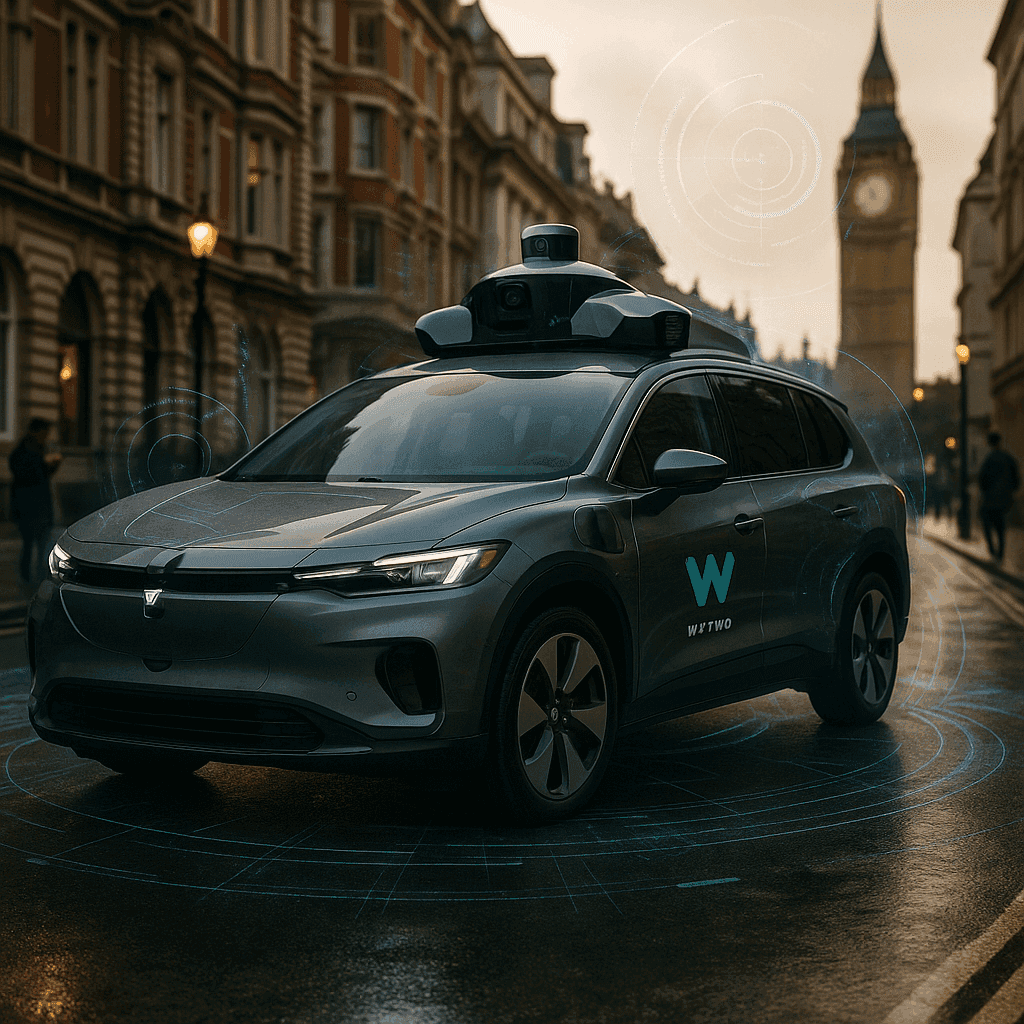
The Utility Approach (Waymo): Waymo scales much slower due to its reliance on expensive LiDAR and hyper-detailed geofencing. However, its user experience is highly curated and managed. They built the fleet operations and customer support infrastructure concurrently with the driving AI.
The Lesson for the Tech Ecosystem
For founders and venture capital firms observing the autonomous mobility space, the Texas rollout offers a definitive lesson: Autonomy is a two-part equation. You must build the artificial intelligence that drives the vehicle, but you must equally invest in the digital and human infrastructure that manages the fleet. If consumers cannot trust the estimated time of arrival, the routing logic, or the customer support safety net, the underlying brilliance of the self-driving AI becomes commercially irrelevant.
The Robotaxi service is struggling with basic functionality. This raises questions about the readiness of the technology for wider scale deployment and the viability of Tesla’s aggressive timelines for full autonomy. The reported "convenience problems"—such as wrong drop-offs—are symptomatic of an underlying safety bottleneck that affects user experience and operational efficiency.
For founders and VCs eyeing the autonomous mobility space, these developments from a market leader like Tesla offer a stark lesson. Scaling a complex AI-driven service requires more than just advanced technology; it demands flawless execution of the user experience, robust support infrastructure, and a keen understanding of brand perception. When the promise of effortless, autonomous travel devolves into frustrating detours, the market's enthusiasm for the entire category risks being dampened.
The ongoing challenges faced by Tesla’s Robotaxi in Texas suggest that the road to truly autonomous ride-hailing is longer and more complex than many have anticipated. The company will need to move beyond incremental software updates and address fundamental operational and customer experience issues if it hopes to convert its most ardent supporters, let alone the general public, into consistent Robotaxi users.
Frequently asked questions
What happened with the Tesla Robotaxi 66-minute ride?
A Tesla Robotaxi reportedly quoted a customer a 66-minute duration for a short 2.3-mile trip and subsequently left the rider approximately three miles from their intended destination in Texas. This incident highlights ongoing reliability issues with Tesla's autonomous service.
Where are Tesla Robotaxi failures being reported?
Failures and poor experiences with Tesla's Robotaxi service are reportedly occurring in Texas, particularly impacting loyal Tesla users and "Ambassadors."
Is Tesla's Robotaxi service fully autonomous?
While marketed as "Robotaxi," the service is still under development and appears to be delivering experiences "far from autonomous perfection," requiring human intervention or exhibiting significant operational flaws.
Who is being affected by these Robotaxi issues?
The incidents are affecting early adopters and loyal customers, including self-proclaimed "Tesla Ambassadors," who are left stranded or experiencing unexpectedly long and inefficient trips.
What is the average performance of a Tesla Robotaxi?
Based on recent reports, the average performance is inconsistent, with incidents like a 66-minute journey for 2.3 miles, suggesting significant reliability and efficiency challenges.
How does this impact Tesla's future plans for autonomous transport?
These public failures could damage consumer trust and potentially slow down the widespread adoption and regulatory approval of Tesla's autonomous transport ambitions.