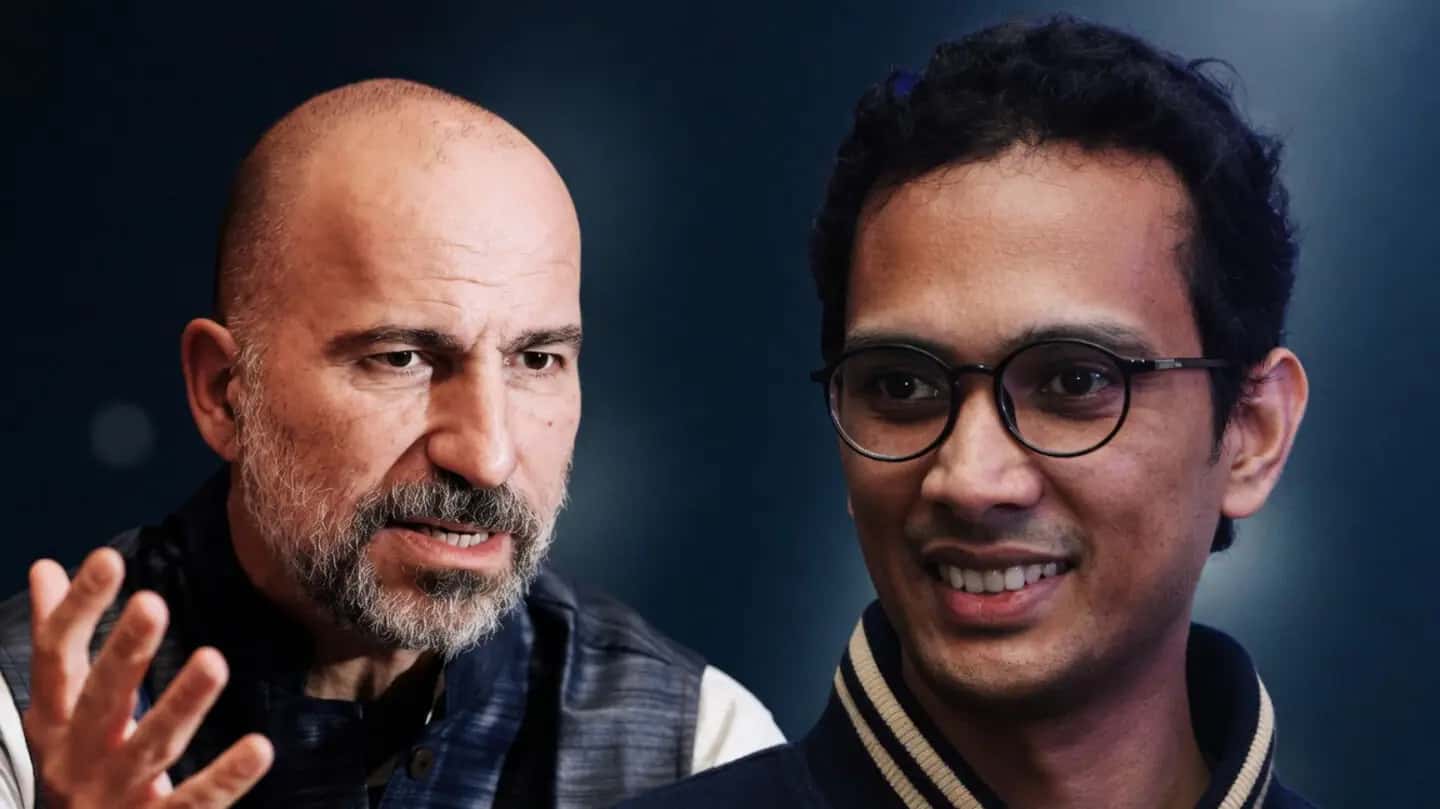
Global ride-hailing giant Uber and Indian platform Rapido explored combining operations, but disagreements on control led to the deal's collapse in May.
Global ride-hailing giant Uber and Indian mobility platform Rapido engaged in discussions in May to merge their India operations.
The merger talks ultimately collapsed due to fundamental disagreements over the control structure of the proposed combined entity.
Uber sought to consolidate operations with Rapido overseeing the integrated business, while Rapido pushed for a full acquisition by Uber, which was rejected.
The failed negotiations underscore the intense competition and complex strategic considerations within India's dynamic ride-hailing and bike-taxi market.
Both companies are now set to intensify their independent expansion efforts, focusing on organic growth and regional market penetration.
In a move that could have significantly reshaped India’s fiercely competitive mobility landscape, global ride-hailing behemoth Uber and Bengaluru-based bike-taxi and auto-rickshaw aggregator Rapido held advanced discussions in May to combine their India ride-hailing operations. The talks, however, ultimately unraveled, failing to reach a conclusive agreement due to intractable differences over the control and operational structure of the proposed merged entity.
Sources familiar with the matter indicate that the discussions gained traction during Uber CEO Dara Khosrowshahi’s visit to India, a period often used for high-level strategic reviews and partnership explorations. Uber’s primary proposition was to integrate the two companies' ride-hailing services, with Rapido effectively managing the combined operations, leveraging its deep understanding of the local market and its established network, particularly in the bike-taxi segment.
Rapido, a prominent player in India's two-wheeler and three-wheeler mobility space, countered Uber’s proposal with an insistence on a complete acquisition. This stance highlighted a clear divergence in strategic vision, as Rapido sought a definitive exit or a controlling stake for its existing shareholders, a condition Uber reportedly found unacceptable, leading to the eventual collapse of the high-stakes negotiations.
Discussions between Uber and Rapido to merge their India ride-hailing businesses took place in May, coinciding with Uber CEO Dara Khosrowshahi's visit to the country.
Why Control Matters in India's Mobility Wars
The failure of the Uber-Rapido merger talks over control issues is not merely a transactional hiccup; it reflects a deeper, systemic challenge within India’s tech ecosystem, particularly in capital-intensive sectors like ride-hailing. For a global giant like Uber, which has historically shown a willingness to divest or consolidate operations in markets where it struggles for profitability or market dominance, a merger with Rapido represented a strategic pathway to bolster its presence in the burgeoning bike-taxi and auto segments, areas where Rapido holds significant ground.
My read on this is that Uber sought to leverage Rapido's operational expertise and local market penetration without fully ceding strategic control or incurring a full acquisition cost that may have been deemed too high for a market still battling profitability. From Rapido’s perspective, after years of building its user base and driver network as an Indian startup, a complete acquisition would provide a clear financial return for its investors and founders, while a mere operational integration with shared control could dilute its identity and strategic autonomy without the commensurate valuation uplift.
The Control Paradox in India's Mobility War Uber just learned a harsh lesson about the new leverage dynamics in Indian tech. During CEO Dara Khosrowshahi's visit in May, the global ride-hailing giant tried to orchestrate a massive consolidation play: merging its India operations with local heavyweight Rapido. Uber’s pitch sounded pragmatic on paper. They wanted to combine operations and let Rapido’s seasoned local team run the joint entity, effectively outsourcing the headache of daily operations while keeping a strategic grip on a vital market. But Rapido’s counteroffer was brutally audacious. Instead of agreeing to run Uber’s playbook, the Bengaluru-based startup proposed a cash-and-stock structure that would effectively acquire Uber India, leaving the global behemoth with nothing more than a minority stake. Unsurprisingly, the talks instantly collapsed. Uber already swallowed its pride in India once when it sold Uber Eats to Zomato back in 2020, but mobility is its core DNA—it was never going to cede the keys to the castle. What this failed merger reveals is a profound shift in the Indian startup ecosystem. We are past the era where local founders automatically capitulate to global tech giants offering a bailout or a merger. Rapido, currently commanding a massive 50% share of the overall mobility market on the back of its two-wheeler dominance, knows exactly what its local network effects are worth. Both companies will now go back to burning cash in a brutal, multi-front war against each other. But the message from local founders is crystal clear: if you want our market penetration, you are going to have to pay a massive premium—and you definitely aren't getting control.
This dynamic plays out against a backdrop of intense competition, with players like Ola, Namma Yatri, and numerous regional entrants vying for market share. Profitability remains elusive for many, necessitating consolidation or highly efficient operational models. The bike-taxi segment, in particular, has seen a surge in demand, especially in Tier 2 and Tier 3 cities, making it a critical battleground for growth. Regulators are also increasingly active, as evidenced by Rapido securing a five-year cab license in Karnataka, which signals an evolving and often unpredictable operational environment.
What's Next for India's Ride-Hailing Sector?
With the merger talks off the table, the Indian ride-hailing sector is poised for an intensified period of organic growth and direct competition between these two formidable players. Uber has already signaled its aggressive intent by expanding its bike taxi services to 100 more cities across India, a direct challenge to Rapido's stronghold. This expansion reflects Uber's commitment to scaling its diverse mobility offerings independently, rather than through immediate consolidation.
Rapido, having secured key regulatory approvals like the Karnataka cab license, will likely continue to diversify its services and deepen its penetration in existing and new markets. Its strength lies in its localised approach and cost-effective solutions for last-mile connectivity. The company will now need to reinforce its position, potentially seeking further funding rounds to fuel its growth ambitions and fend off increased competition from Uber and other rivals.
My analytical lens suggests that while consolidation attempts like these are inevitable in a maturing market, the fundamental issue of control and valuation will continue to be significant hurdles. Indian startups, particularly those with a strong local footprint and established market share, are increasingly wary of ceding autonomy, even to global giants. This impasse highlights a broader trend: successful Indian platforms are seeking strategic partnerships that respect their independent growth trajectory and valuation expectations, rather than being simply subsumed into larger entities. The next phase will see both Uber and Rapido investing heavily in technology, driver incentives, and customer acquisition to win the market independently.
Frequently asked questions
What led to the collapse of Uber and Rapido's merger talks in India?
The merger talks between Uber and Uber's Indian counterpart, Rapido, collapsed due to fundamental disagreements over the control structure of the proposed combined entity. Uber sought to oversee the integrated business, while Rapido pushed for a full acquisition by Uber. This inability to agree on leadership and ownership ultimately halted the deal.
When did Uber and Rapido engage in merger discussions?
Uber and Rapido engaged in discussions to combine their India operations in May.
Which companies were involved in the merger discussions?
Global ride-hailing giant Uber and Indian mobility platform Rapido were involved in the merger discussions.
What was Uber's proposed role in the merged entity?
Uber sought to consolidate operations with Rapido overseeing the integrated business.
What was Rapido's preference regarding the merger?
Rapido pushed for a full acquisition by Uber, rather than a combined entity with shared control.
Why is the collapse of these talks significant for the Indian mobility market?
The collapse is significant as it indicates ongoing consolidation efforts and strategic positioning within India's competitive ride-hailing and mobility sector, affecting market dynamics and competition among existing players and new entrants.