

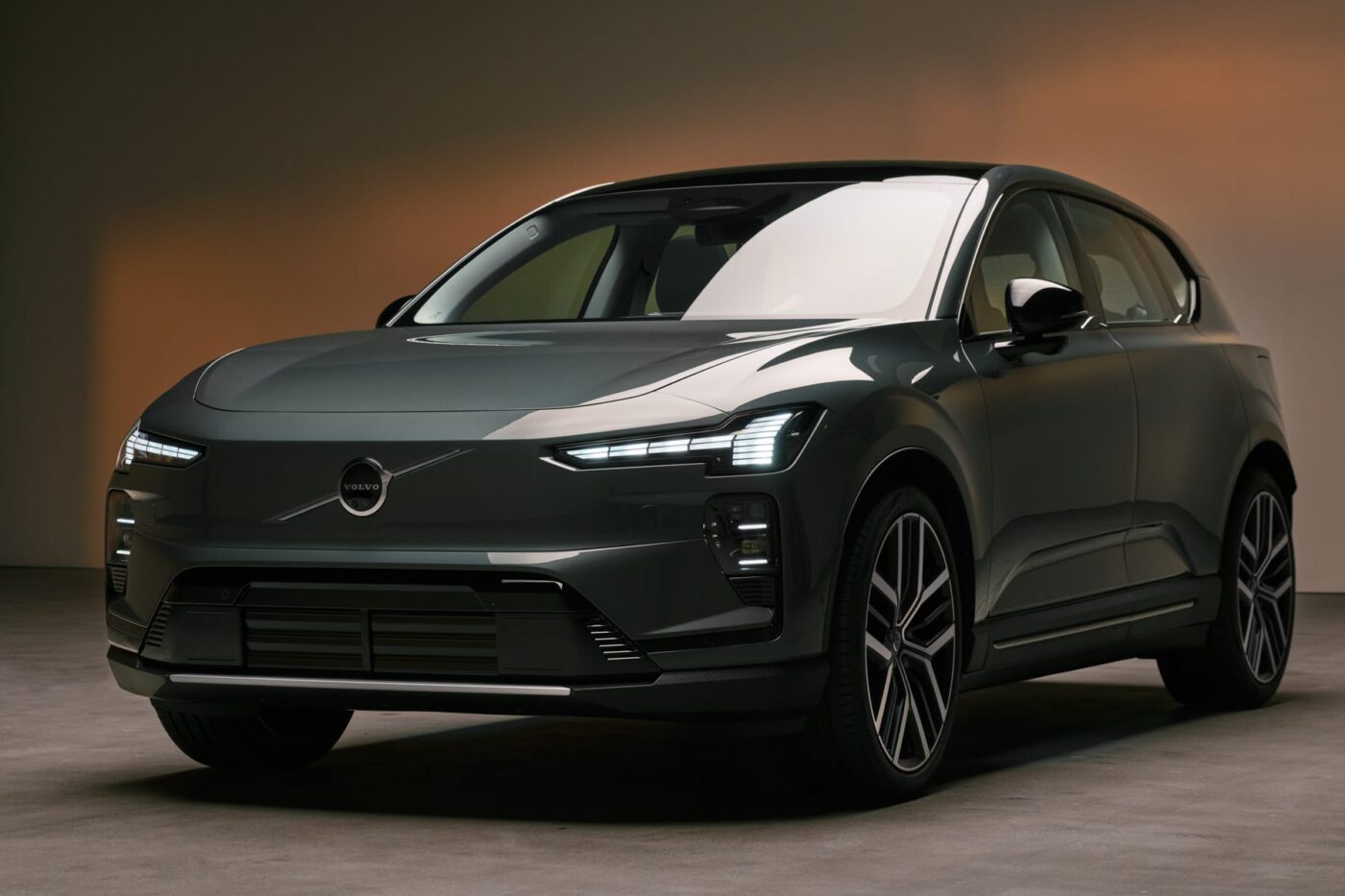
Volvo begins deliveries of first EX60 models
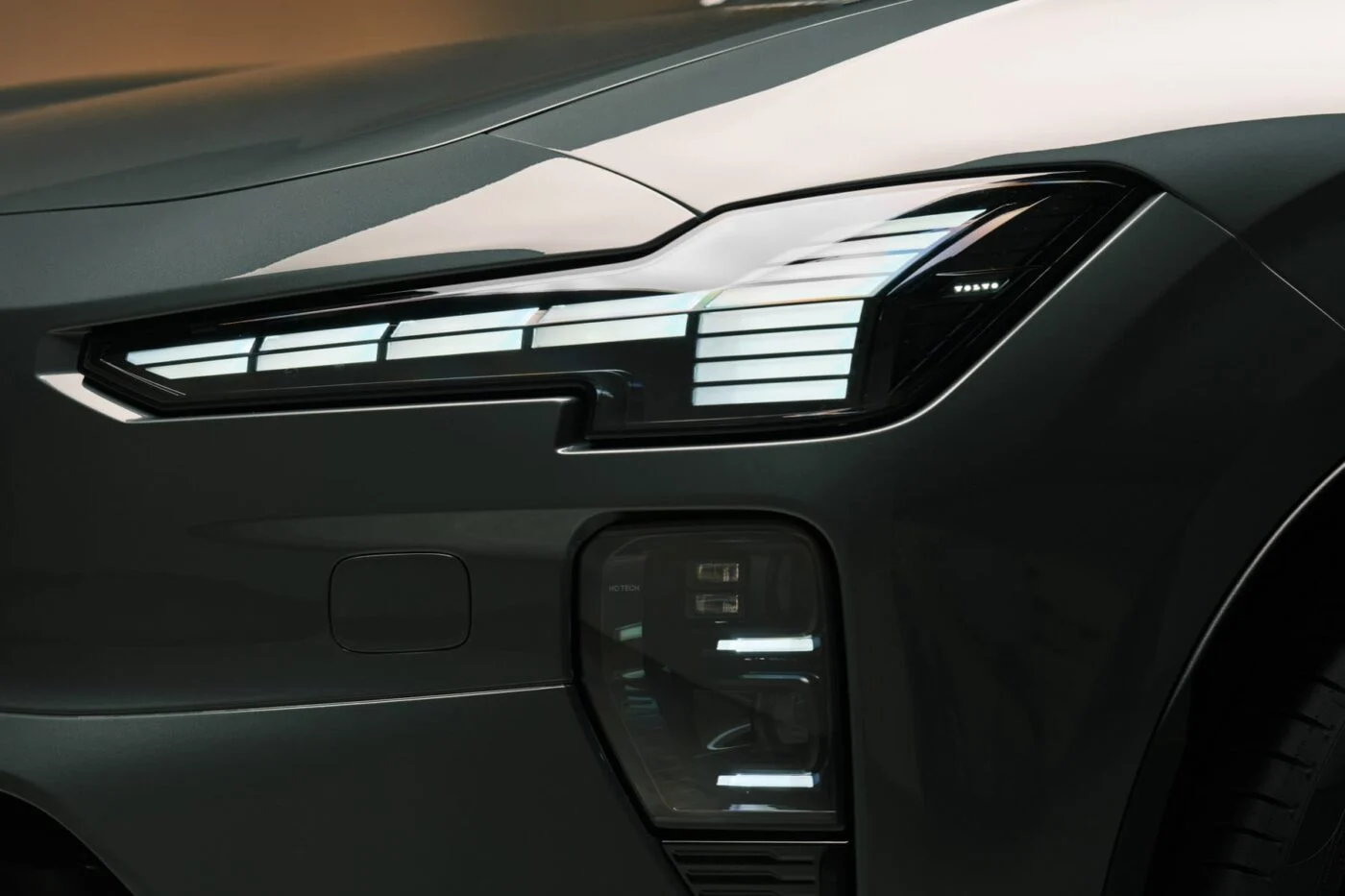
In April, the first Volvo EX60 vehicles rolled off the production line at Volvo Cars’ Torslanda plant in Sweden. Three months later, the model has now reached its first customers. Volvo Cars plans to significantly increase deliveries in the second half of the year.
“This is a huge moment for us and our customers,” said Erik Severinson, Chief Commercial Officer at Volvo Cars. The EX60 marks more than a milestone for the company, as it is the first fully electric car to be designed, developed and manufactured in Sweden. The model is also significant for the country, as its predecessor, the XC60—which remains in production as a hybrid—continues to rank among Sweden’s most important export products. According to Volvo, the EX60 is expected to provide an economic boost to Gothenburg and Sweden as a whole.
Volvo unveiled the model range and its technical specifications in January. The EX60 is the first model from the group to be based on Volvo’s SPA3 electric vehicle platform with an 800-volt architecture.
At launch, Volvo offers the EX60 in three variants: an entry-level model with a 275 kW rear-wheel-drive powertrain and an 80 kWh battery, an all-wheel-drive version with 375 kW and a 91 kWh battery (net), and the P12 AWD, which Volvo describes as “the most powerful production Volvo ever”. The flagship model delivers 500 kW of power, features a 112 kWh battery and offers a range of up to 810 kilometres.
With a peak charging capacity of 370 kW, the all-wheel-drive variants can charge from 10 to 80 per cent in 18 to 19 minutes. These figures position the EX60 competitively in the mid-size electric SUV segment, where it faces rivals such as the new BMW iX3, Mercedes-Benz EQC and Chinese SUVs based on 800-volt architectures.
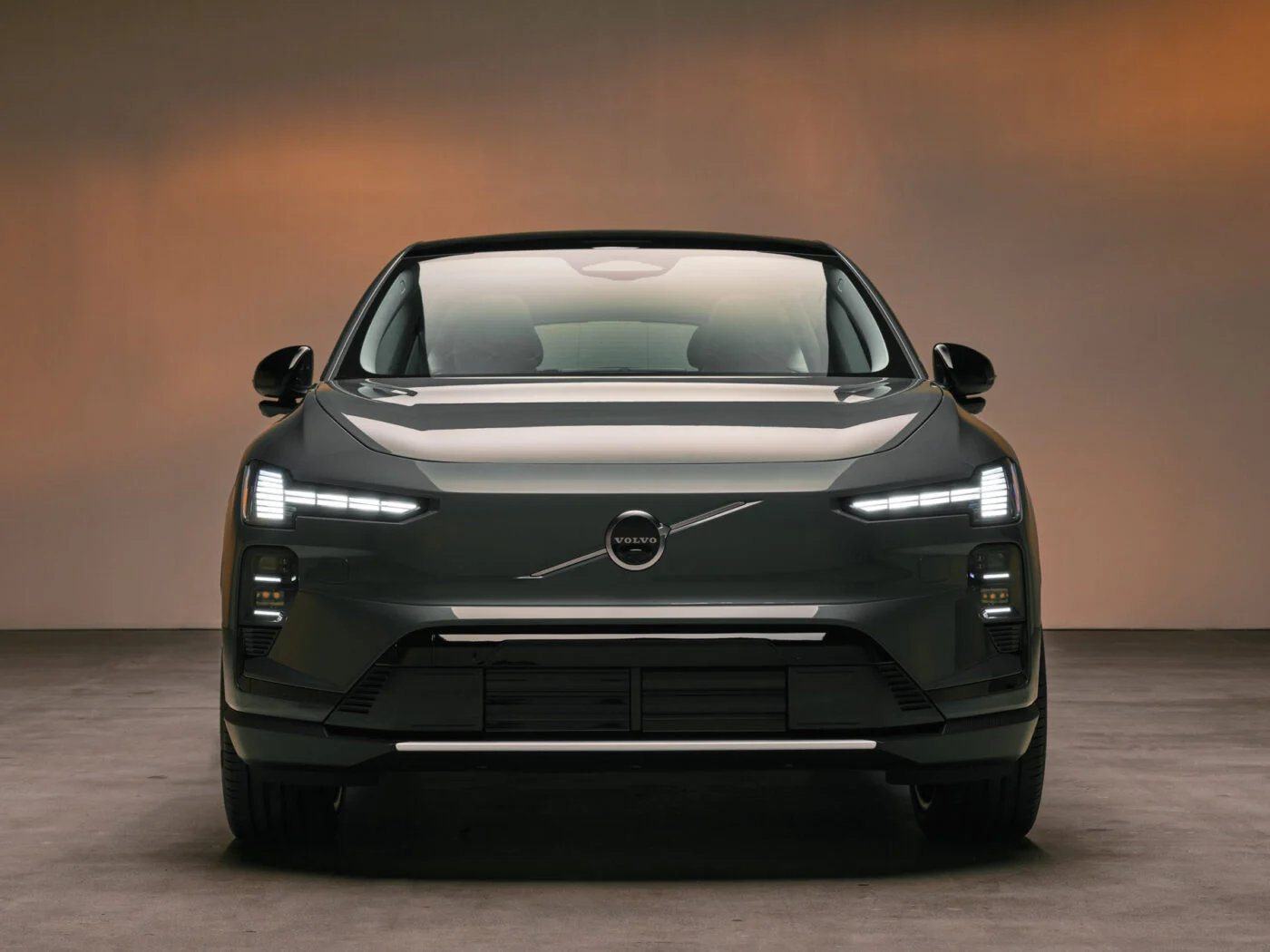
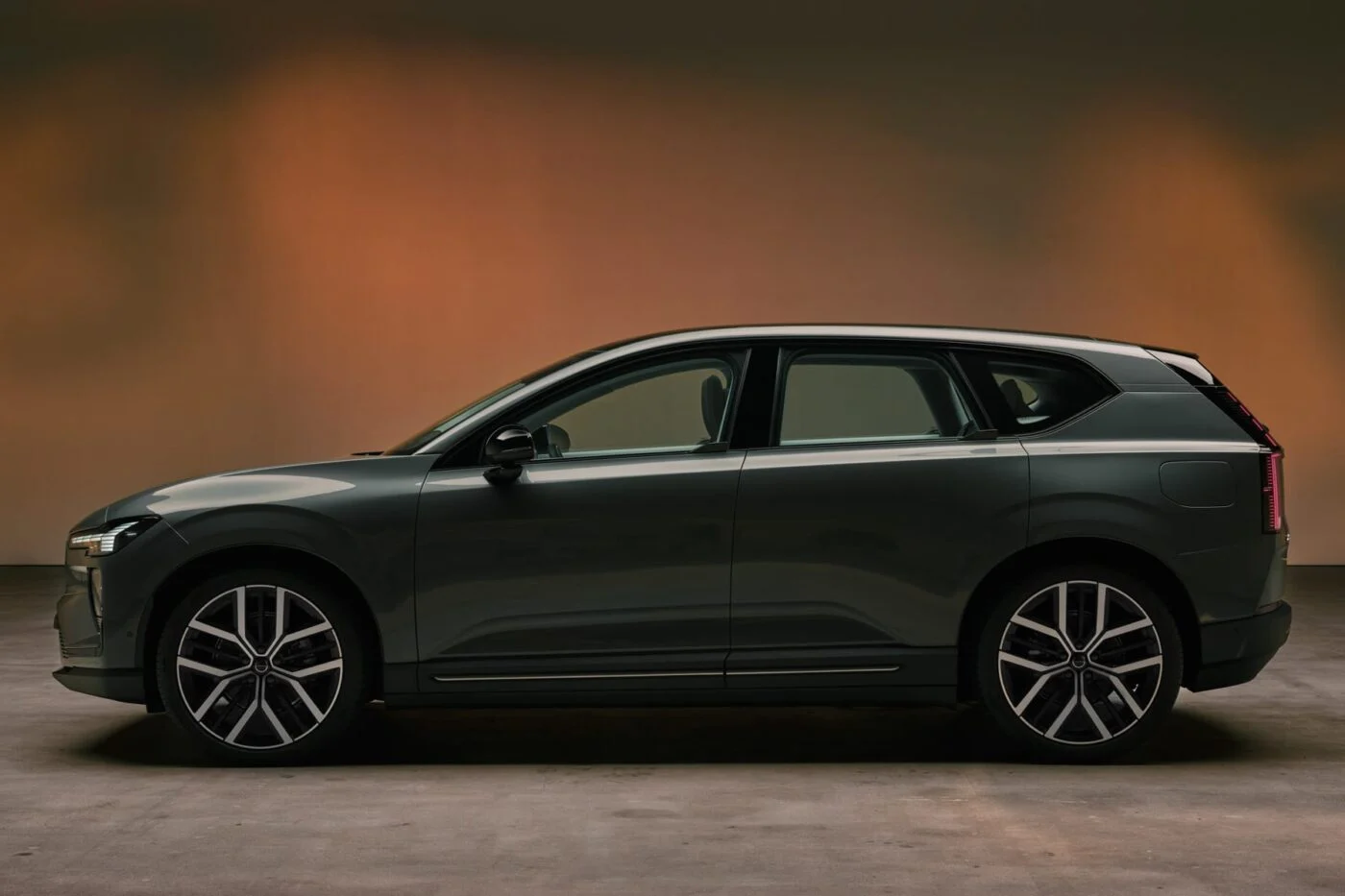
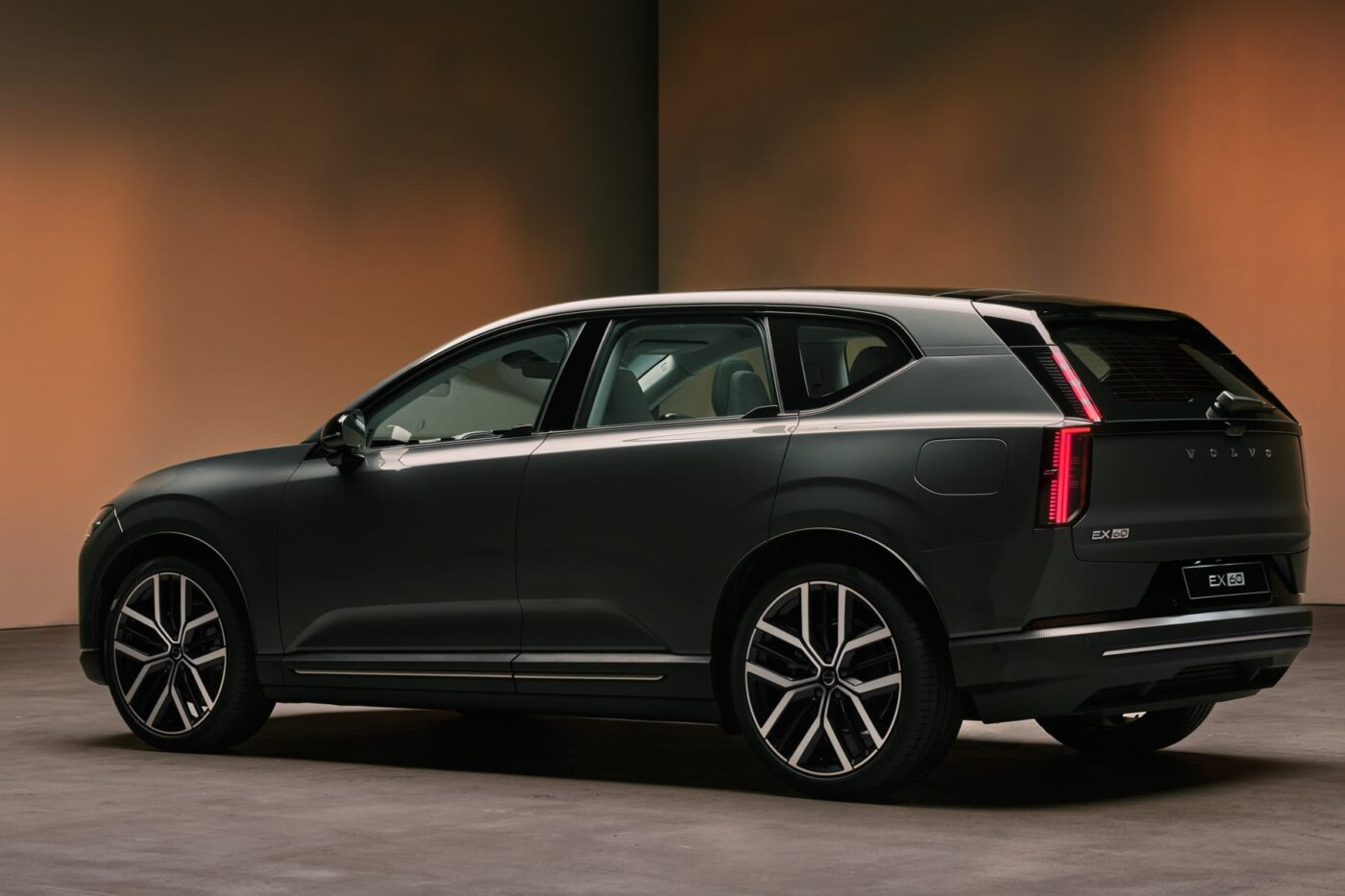
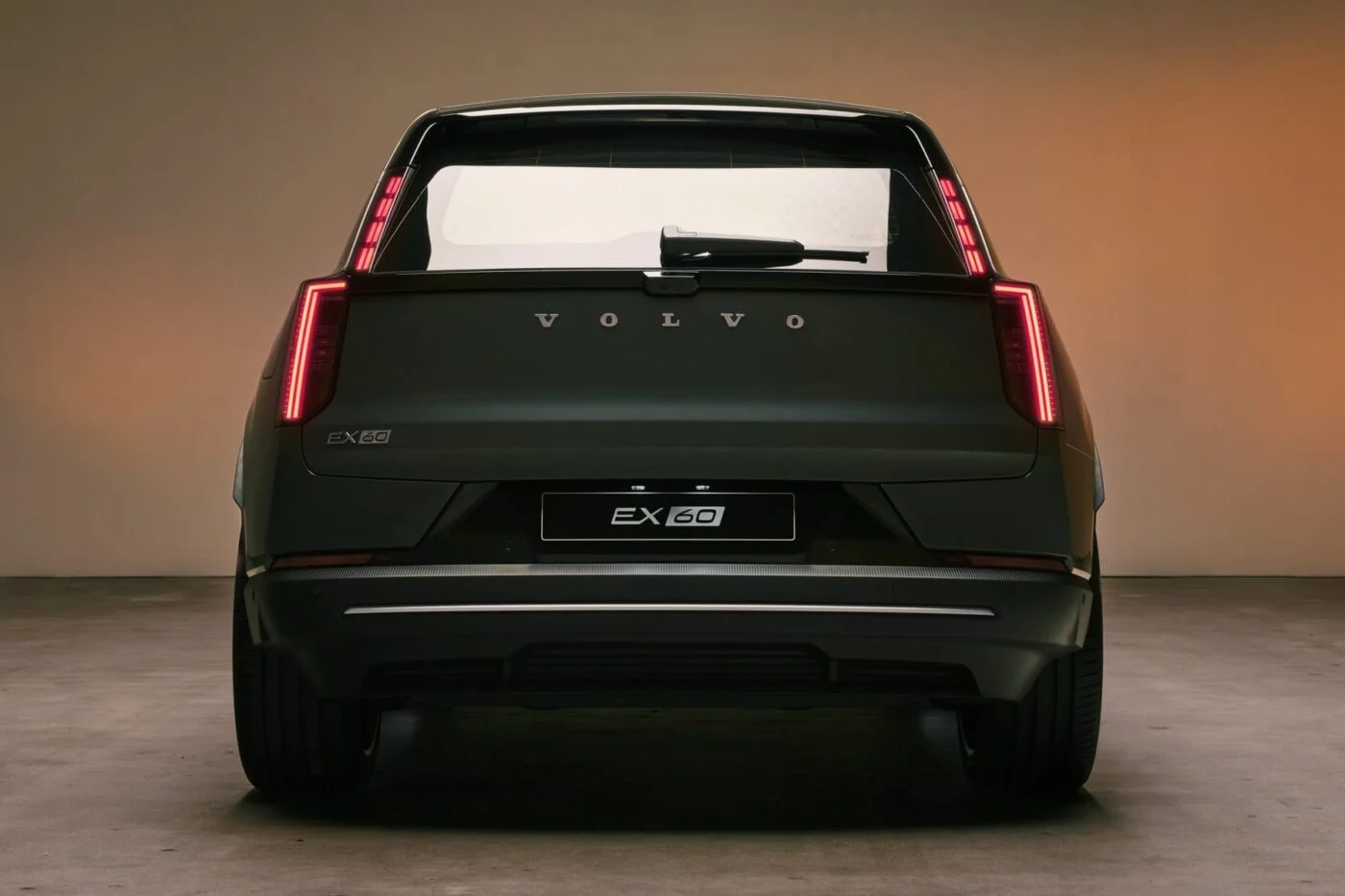
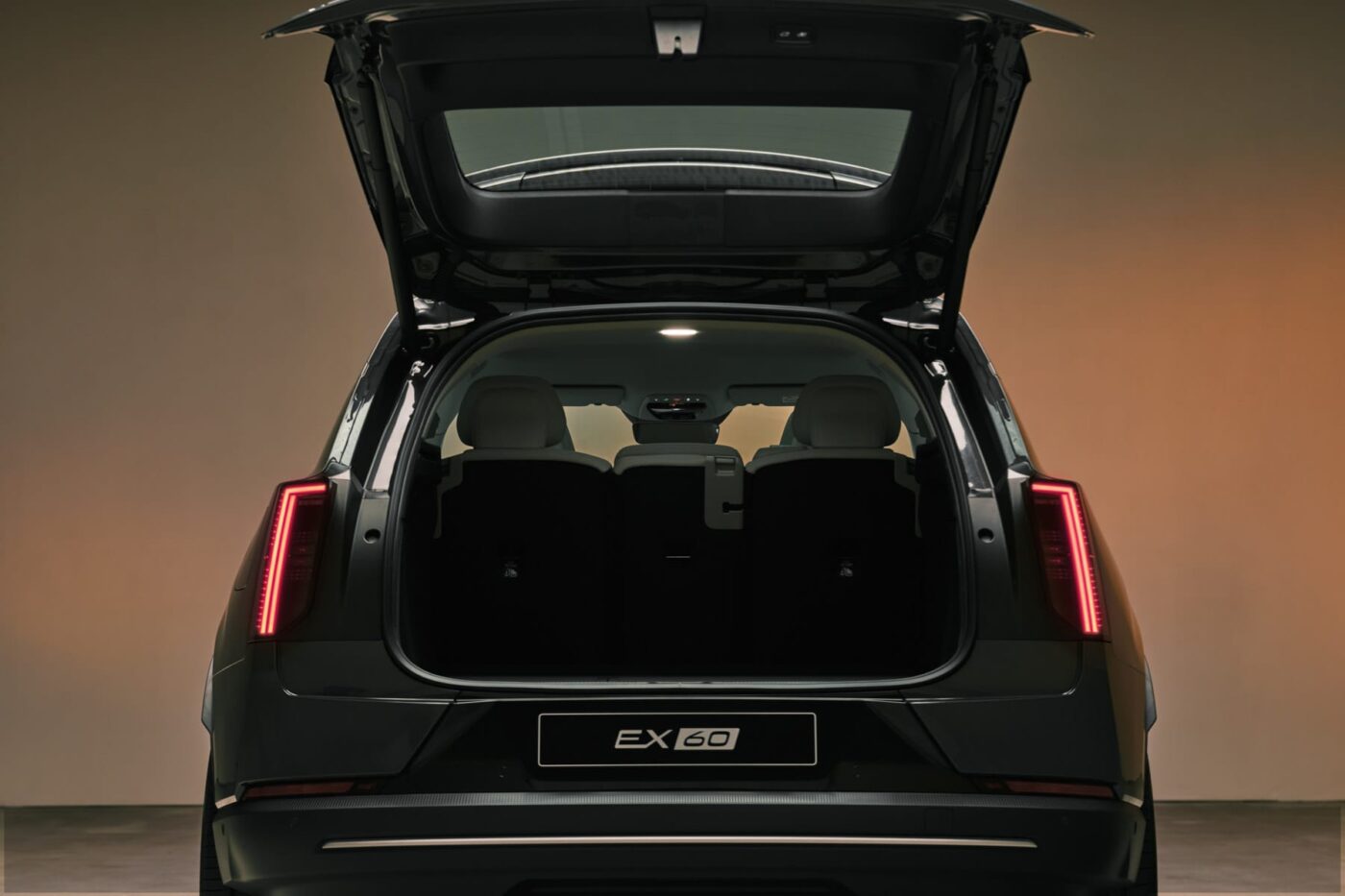
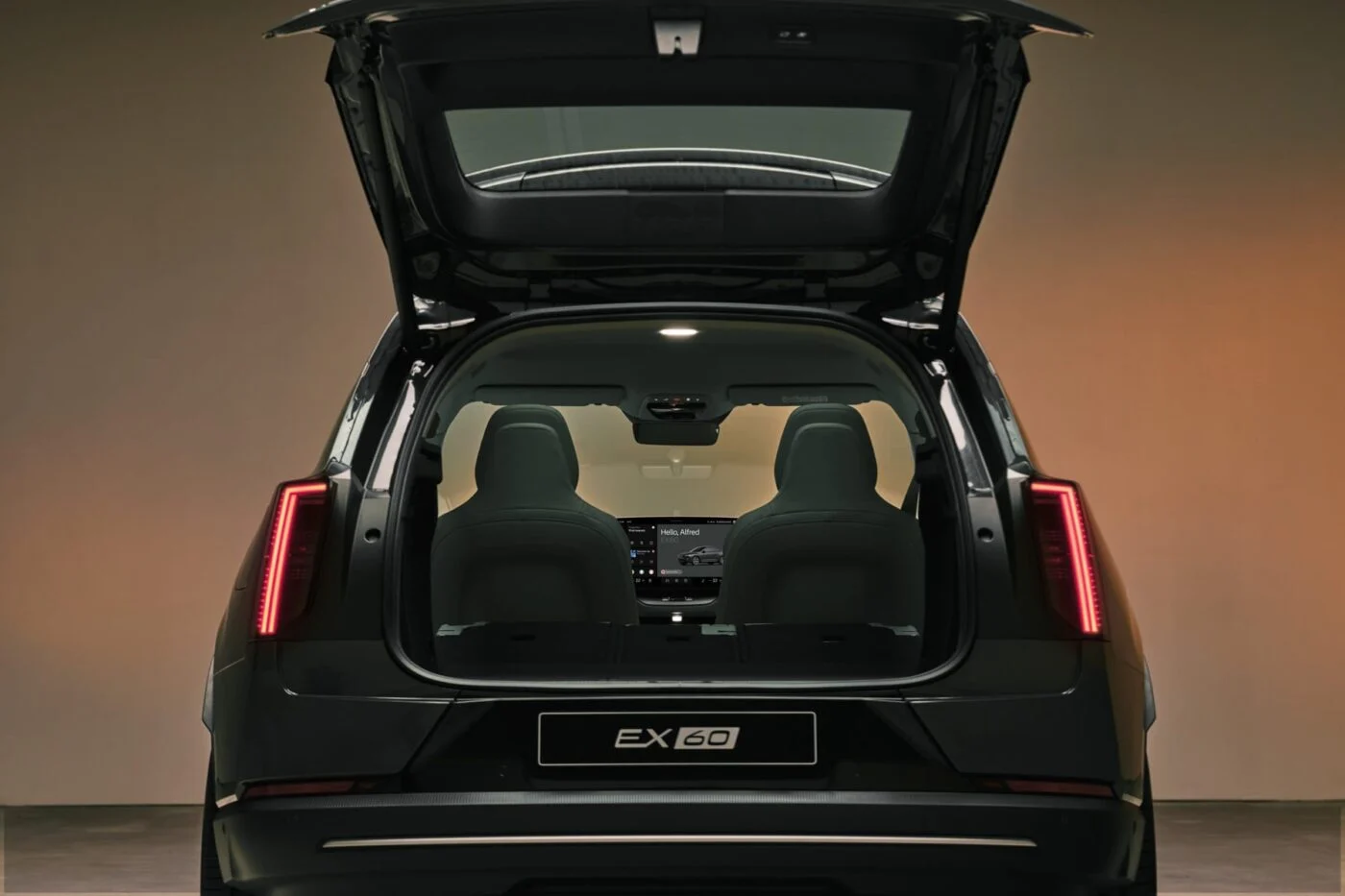
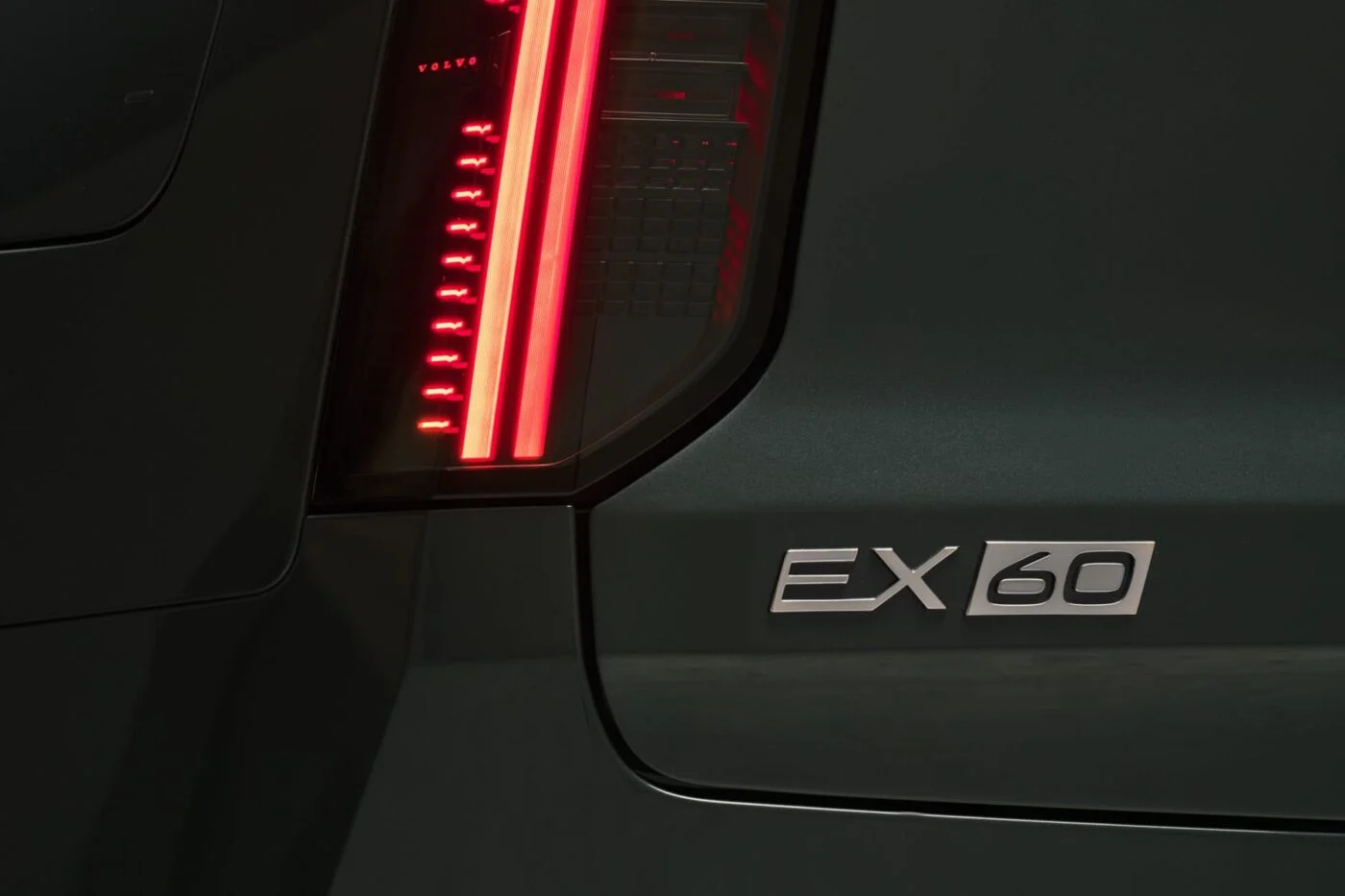
Even before production started in April, Volvo had announced plans to increase output for the year in response to strong demand. The expansion was relatively straightforward, as the Torslanda plant had undergone extensive modernisation in preparation for the EX60 and Volvo’s next generation of electric vehicles.
Volvo Cars invested around ten billion Swedish kronor (approximately €930 million) in the facility, adding a modernised paint shop, an upgraded final assembly line, megacasting capabilities and on-site battery assembly. The capabilities of the new SPA3 platform are reflected in the different EX60 variants. Here is an overview:
| EX60 | P6 | P10 AWD | P12 AWD |
|---|---|---|---|
| Drive | RWD | AWD | AWD |
| Power | 275 kW | 375 kW | 500 kW |
| Torque | 480 Nm | 710 Nm | 790 Nm |
| Acceleration | 5.9 s | 4.6 s | 3.9 s |
| Top speed | 180 km/h | 180 km/h | 180 km/h |
| WLTP range | 620 km | 660 km | 810 km |
| Battery (gross/net) | 83/80 kWh | 95/91 kWh | 117/112 kWh |
| DC charging power | 320 kW | 370 kW | 370 kW |
| DC charging time 10-80% | 18 min | 18 min | 19 min |
| Price | 62,990 euros | 65,990 euros | 71,990 euros |
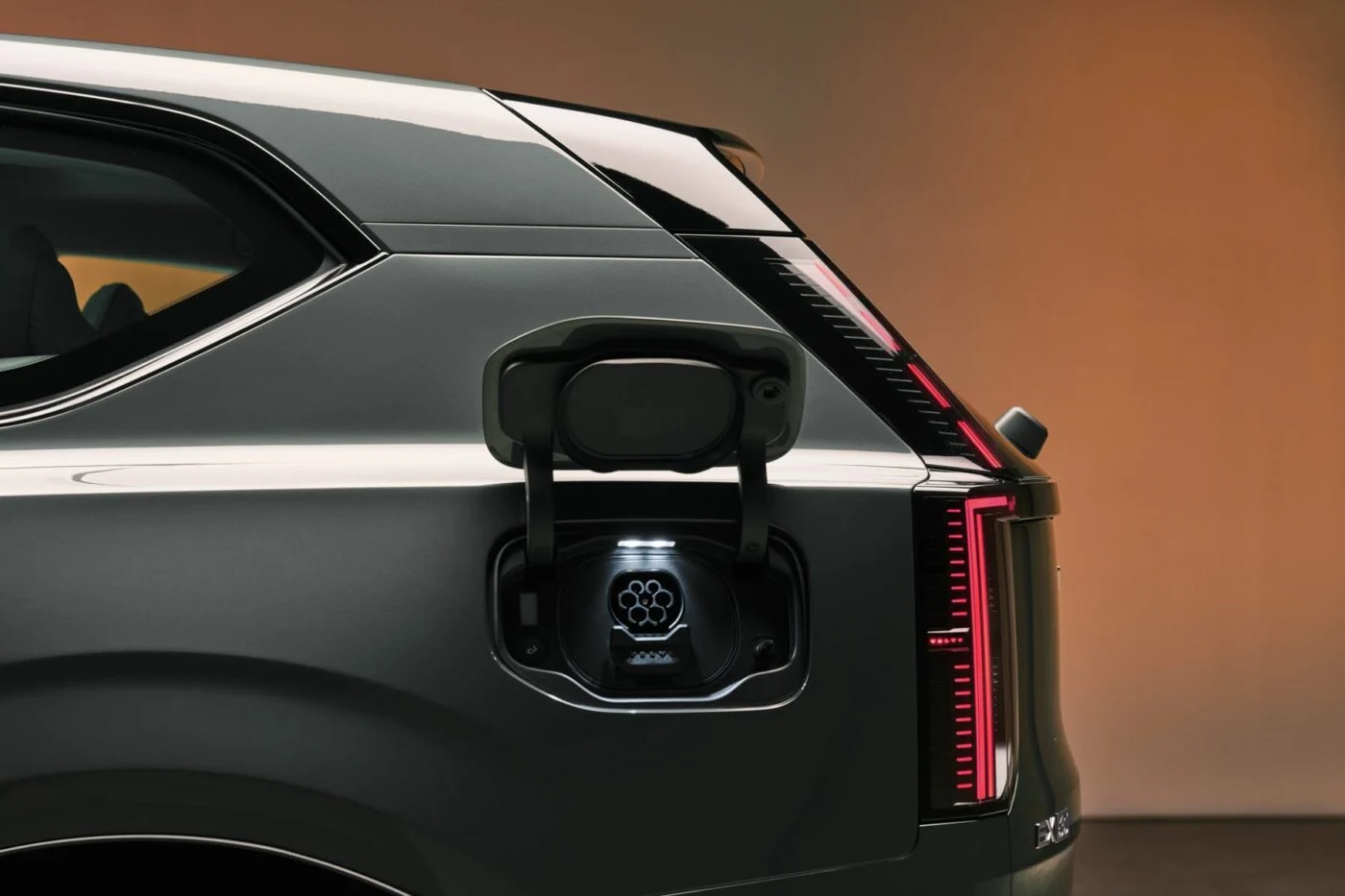
Volvo Cars has also opened order books for the EX60 in North America. In the US, the battery-electric SUV starts at $58,400 before delivery charges. It is also the first Volvo model in the region to feature a North American Charging Standard (NACS) connector as standard.
This gives EX60 drivers direct access to Tesla’s Supercharger network in the US without requiring an adapter.

0 Comments