

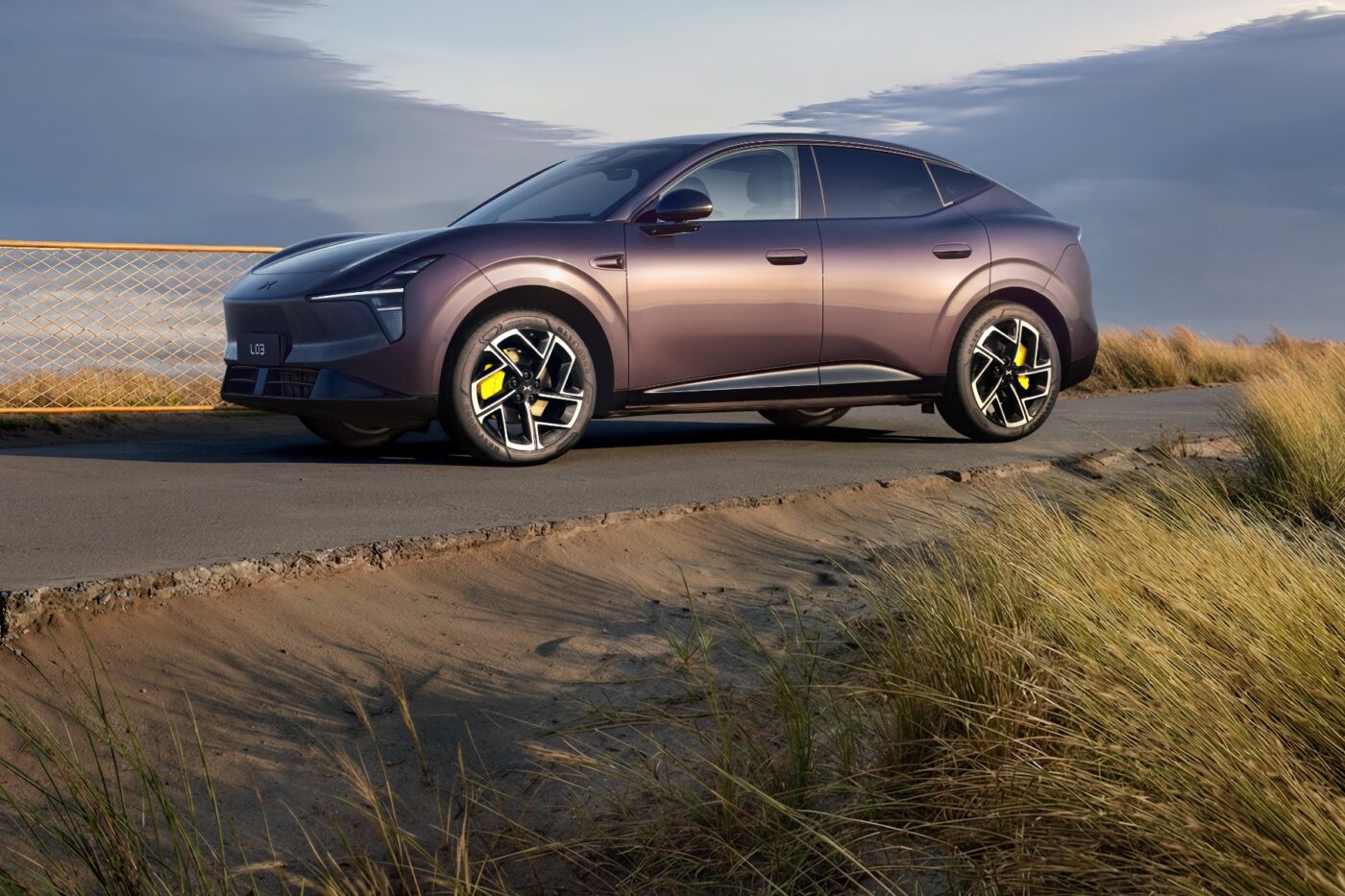
World premiere: Xpeng L03 promises rapid charging at a bargain price
“The Future of Physical AI” was the motto under which Xpeng hosted its Global Brand Event in Munich on Wednesday. That’s because the Chinese brand hopes to redefine mobility-focused AI beyond conversational software in the cockpit, towards a shared foundation for everything that moves. At Xpeng, cars, robots, and flying cars all run on the same technology stack, powered by the firm’s self-developed Turing chip and a so-called World Foundation Model – as CEO He Xiaopeng proudly explained during the event. However, amidst all the innovation, the biggest novelty for the European market is, first and foremost, an affordable model – the new Xpeng L03.
The L03 takes on the competition
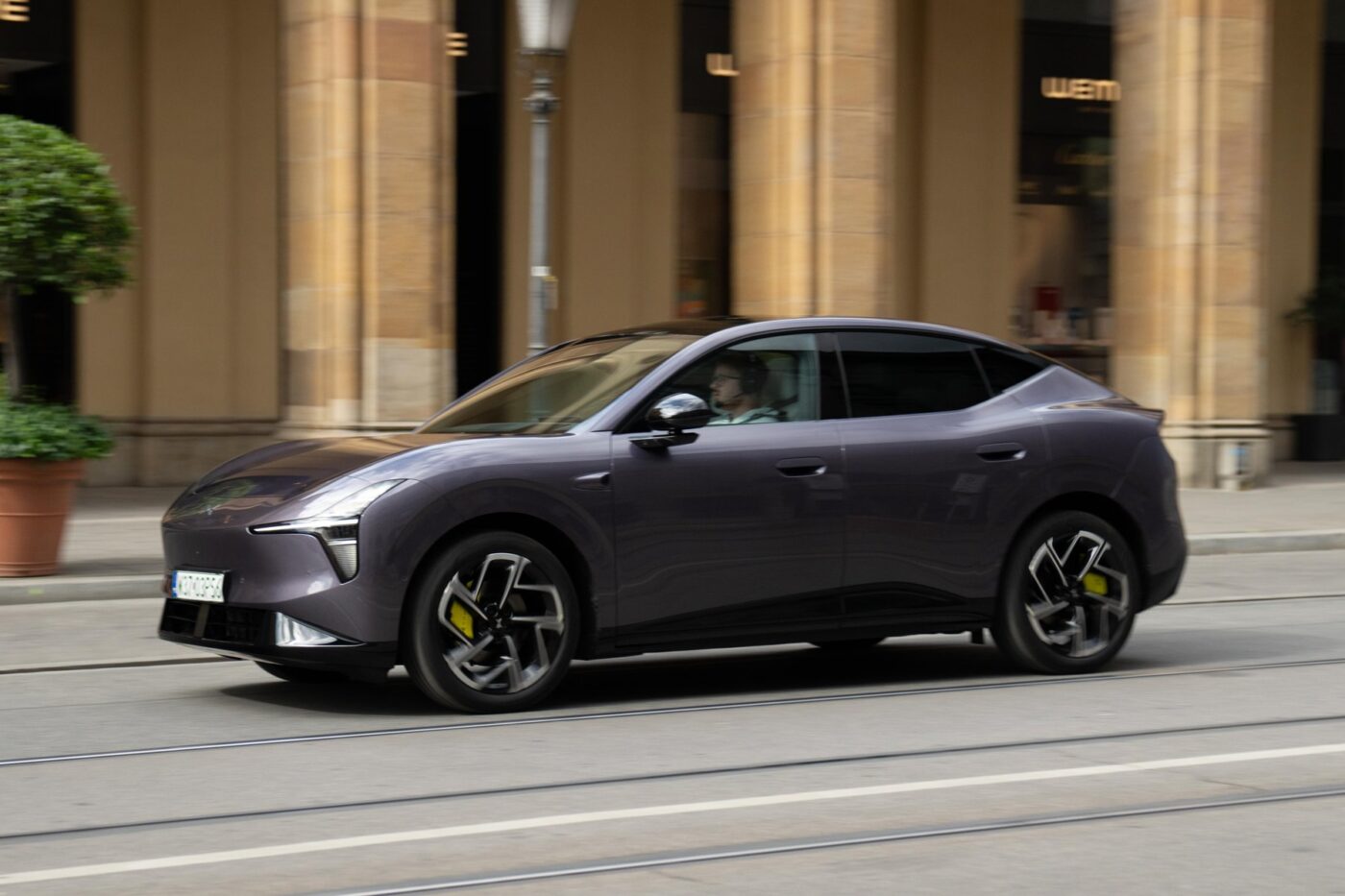
At just 4.65 metres in length, the L03 is the brand’s smallest and most affordable model, thanks to a starting price of €35,600. Xpeng is deliberately positioning the SUV coupé below the established G6, targeting the highest-volume price segment in the German market.
A comparison shows just how aggressively the price has been calculated: the Tesla Model Y currently starts at €39,990, while the Hyundai Ioniq 5 begins at €41,900. Even the Škoda Elroq, known for its affordability, starts at €37,390 with an LFP battery. The Xpeng L03 undercuts them all – and in its base version already delivers 180kW of power. In comparison, the entry-level versions of the Škoda Elroq and Hyundai Ioniq 5 offer only 140kW and 125kW, respectively.
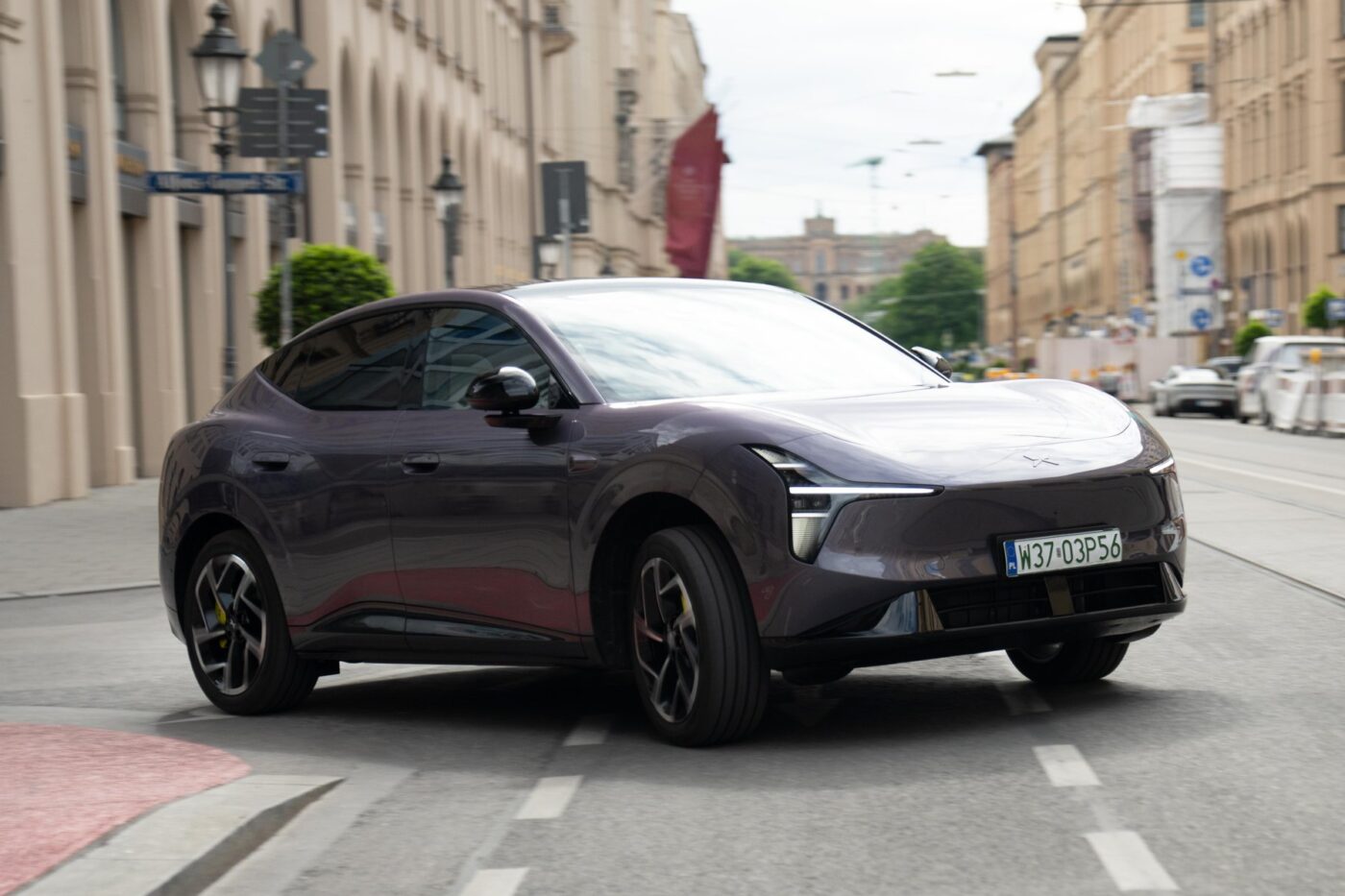
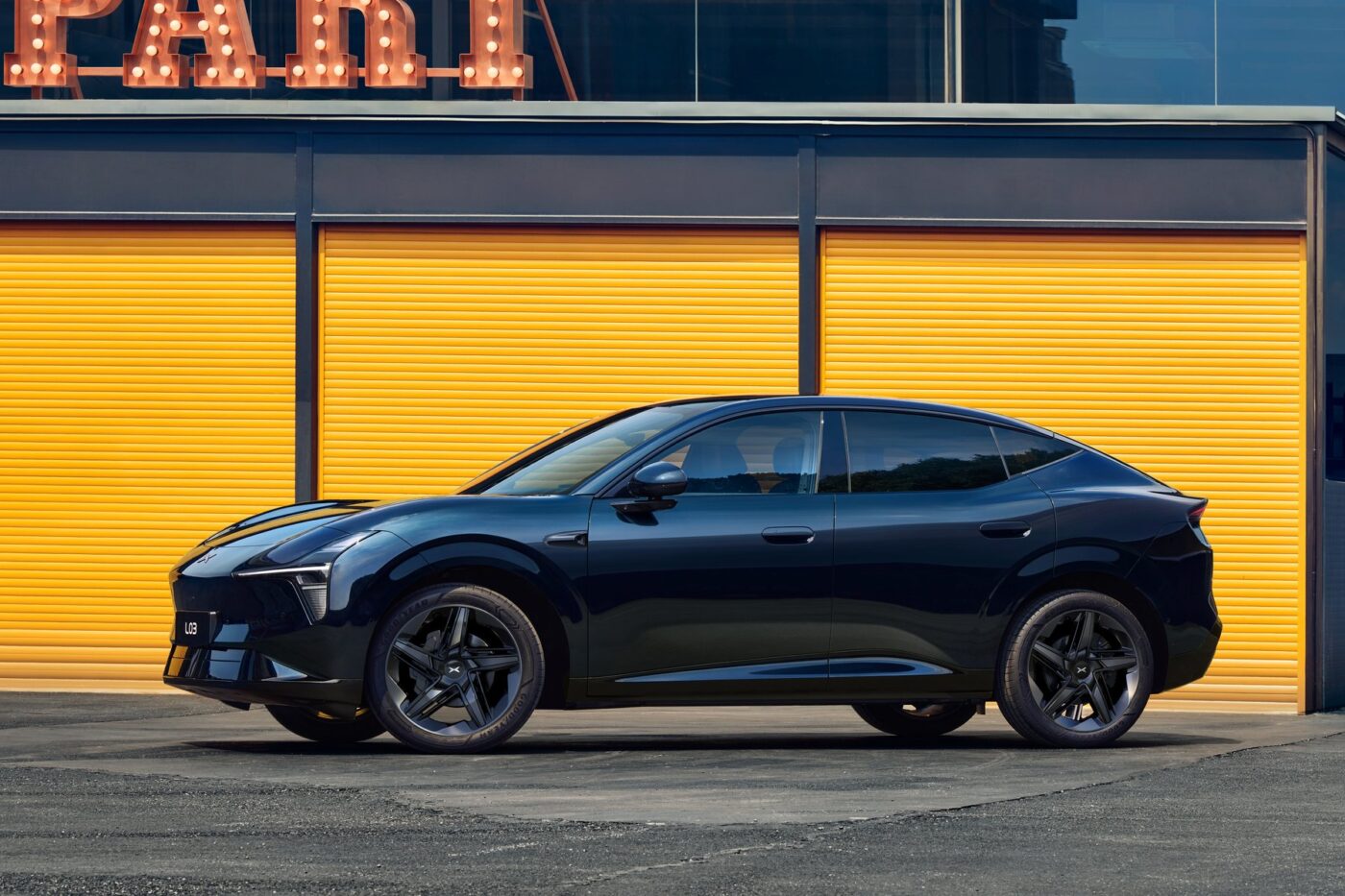
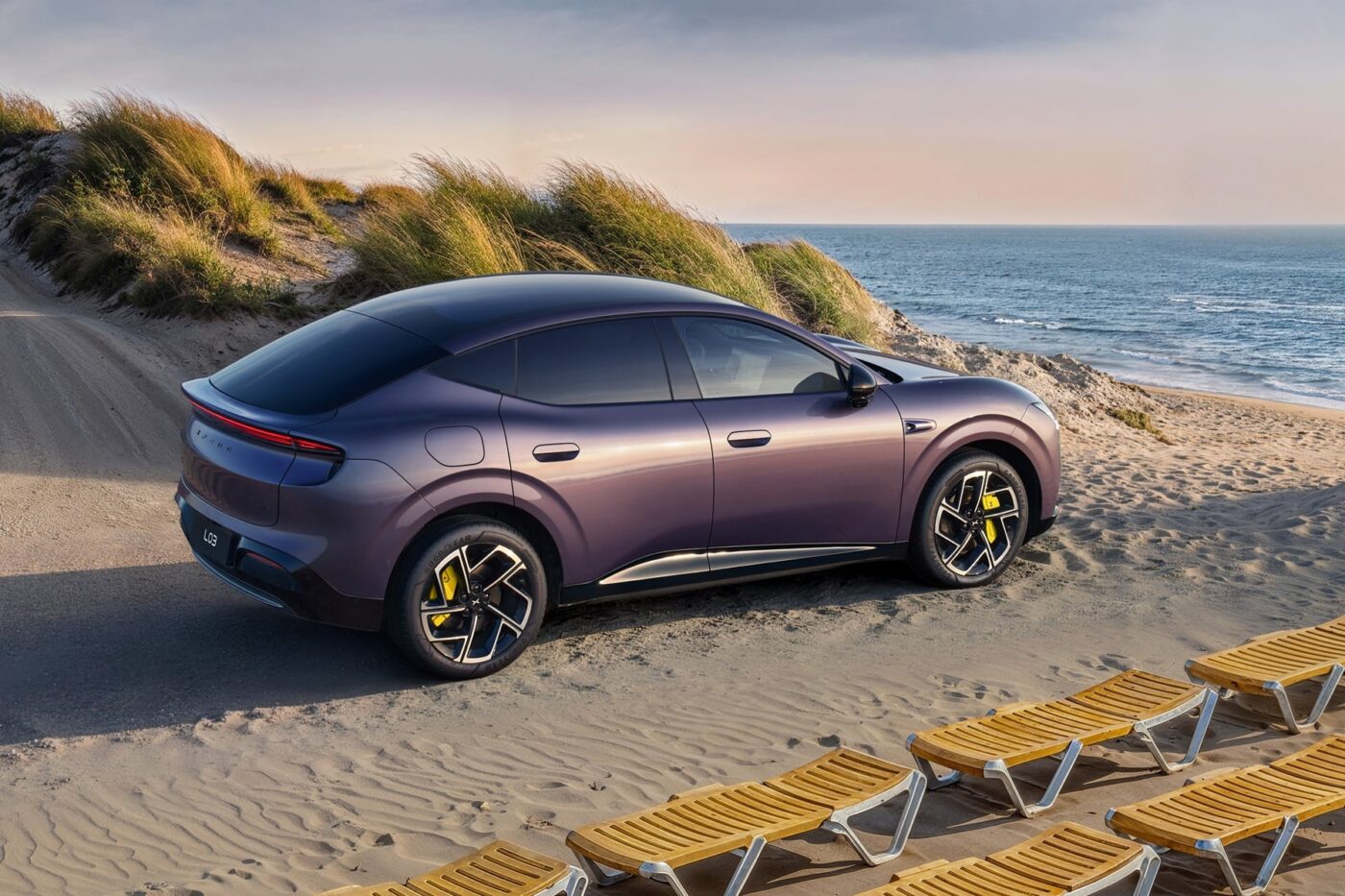
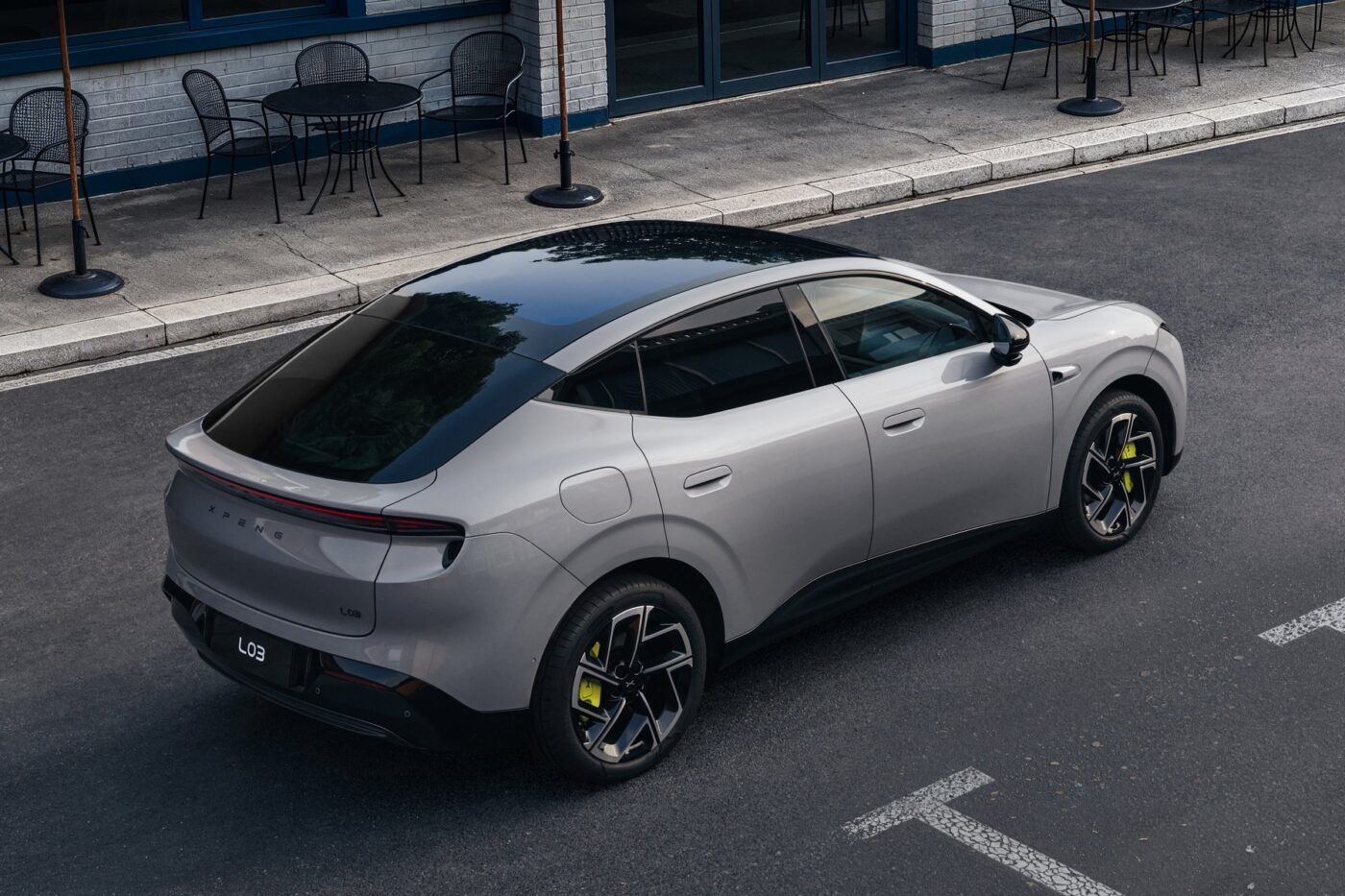
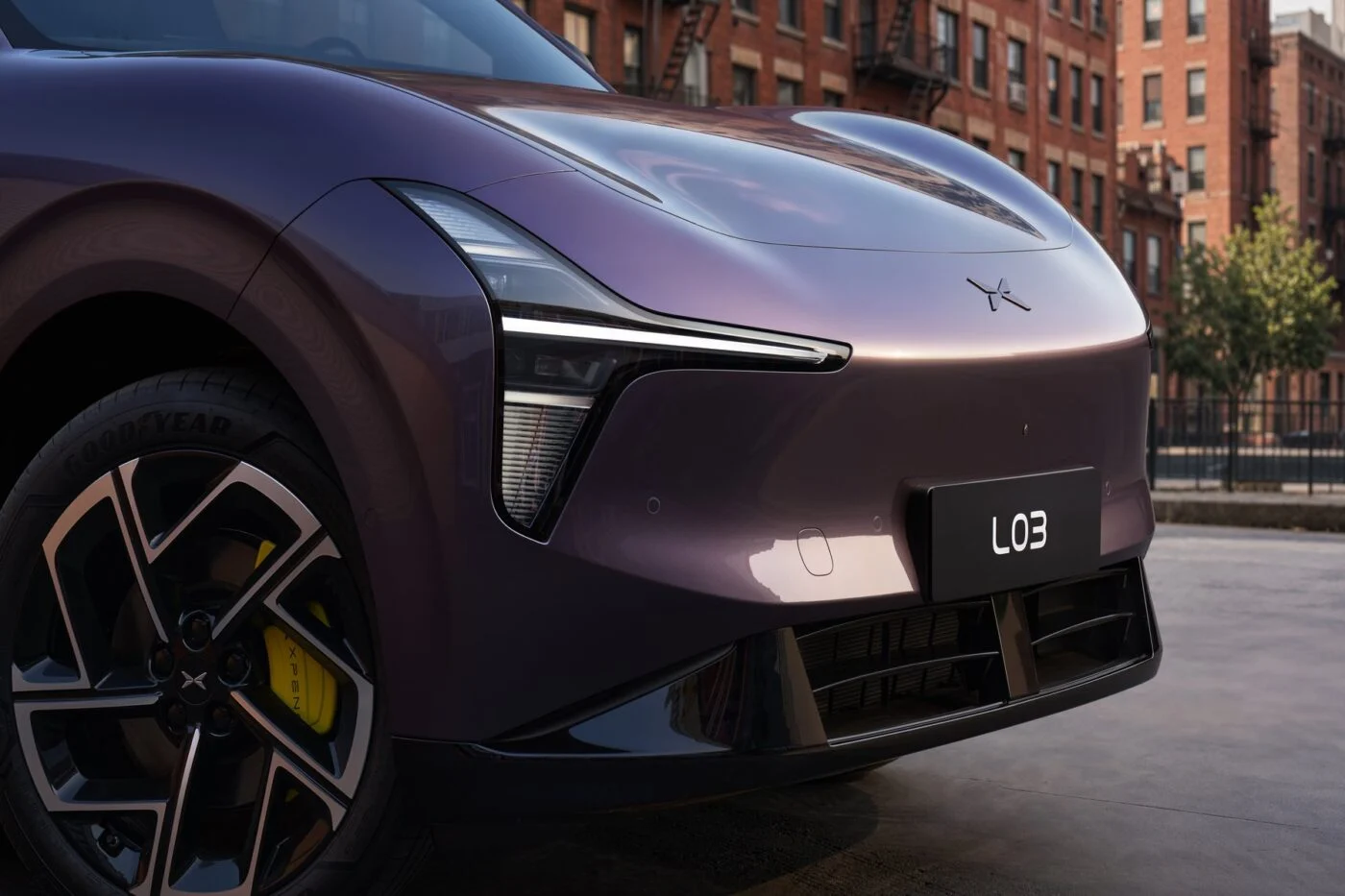
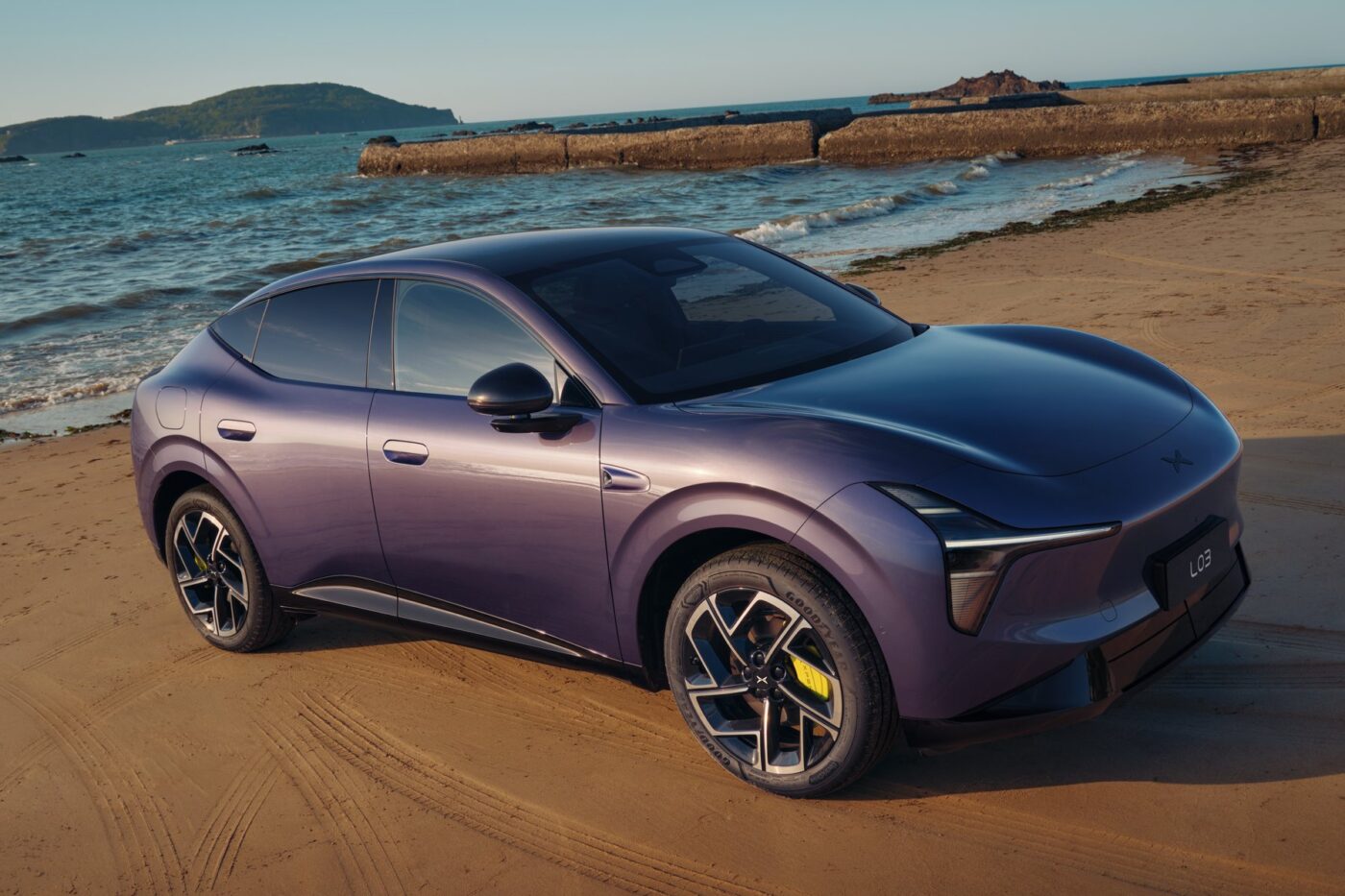
The L03 is available in four fully electric variants, all equipped with LFP cells. The base version (RWD Standard Range) combines a 58.3kWh battery with 180kW and achieves a WLTP range of up to 445km. The RWD Long Range model uses a 71.2kWh battery, offers up to 520km of range, and is available from €38,600.
For those seeking higher performance, there is the all-wheel-drive version with 285kW, which accelerates from 0 to 100km/h in 4.5 seconds. It is available from €41,600 (AWD Performance) or €46,600 (top-of-the-range ‘Ultra’ version with many extras). The top speed for all variants is 180km/h. One detail that underscores its efficiency focus is that, with a drag coefficient (cW) of 0.228, the L03 is one of the most aerodynamic vehicles in its class – on par with the Model Y.
| Standard Range | Long Range | AWD Performance | AWD Performance ‘Ultra‘ | |
|---|---|---|---|---|
| Drivetrain | Rear-wheel | Rear-wheel | All-wheel | All-wheel |
| Power | 180kW | 180kW | 285kW | 285kW |
| 0–100 km/h | 7.5 s | 6.6 s | 4.5 s | 4.5 s |
| Battery (gross) | 58.3kWh LFP | 71.2kWh LFP | 71.2kWh LFP | 71.2kWh LFP |
| Range (WLTP) | up to 445km | up to 520km | up to 440km | up to 440km |
| Max. DC charging power | 193kW | 236kW | 236kW | 236kW |
| Wheels | 18 inch | 18 inch | 18 inch | 20 inch |
| XOPERA sound system | 9 speakers | 9 speakers | 9 speakers | 18 speakers |
| Partially autonomous driving (NGP, Level 2+) | No | No | No | Yes |
| Turing AI chips | No | No | No | Yes, 2 units |
| Front massage seats | No | No | No | Yes |
| Price from (incl. VAT) | €35,600 | €38,600 | €41,600 | €46,600 |
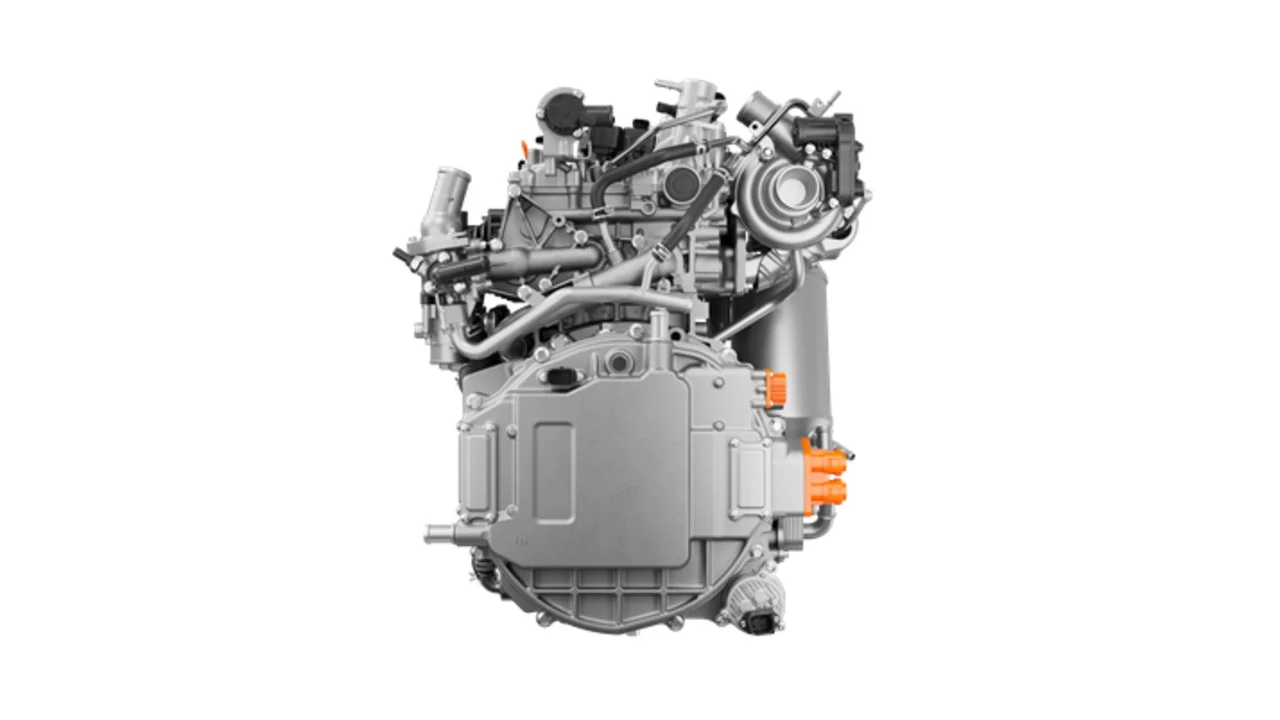
From autumn, the range-extender version, the Xpeng L03 REEV, will also be available from €38,600. It features a 37.25kWh battery and a 1.5-litre petrol engine as a generator. This setup is expected to enable a total range of up to 1000km. Xpeng states the purely electric range as over 200km. However, all these figures are provisional, as the final WLTP homologation is still pending.
Charged in 18 minutes with 400 Volts
Technically, the L03 excels in an area where affordable electric cars often compromise: charging. While Xpeng does not use the 800-volt architecture found in the larger G6, opting instead for a 400-volt architecture, it still achieves up to 236 kW charging power. This allows the battery to charge from 20 to 80 per cent in just 18 minutes, and from 10 to 80 per cent in 20 minutes. This is remarkable for a 400-volt system, as many competitors based on Volkswagen’s MEB platform take significantly longer.
However, the L03 does not quite match the top 800-volt models. The in-house Xpeng G6, for example, charges its battery from 10 to 80 percent in twelve minutes under ideal conditions, with a maximum charging power of 451kW. Korean 800-volt models are also faster. Nevertheless, for a car priced under €40,000, this charging speed is a strong selling point. A standard heat pump and a vehicle-to-load function with up to 6kW power output complete the package.
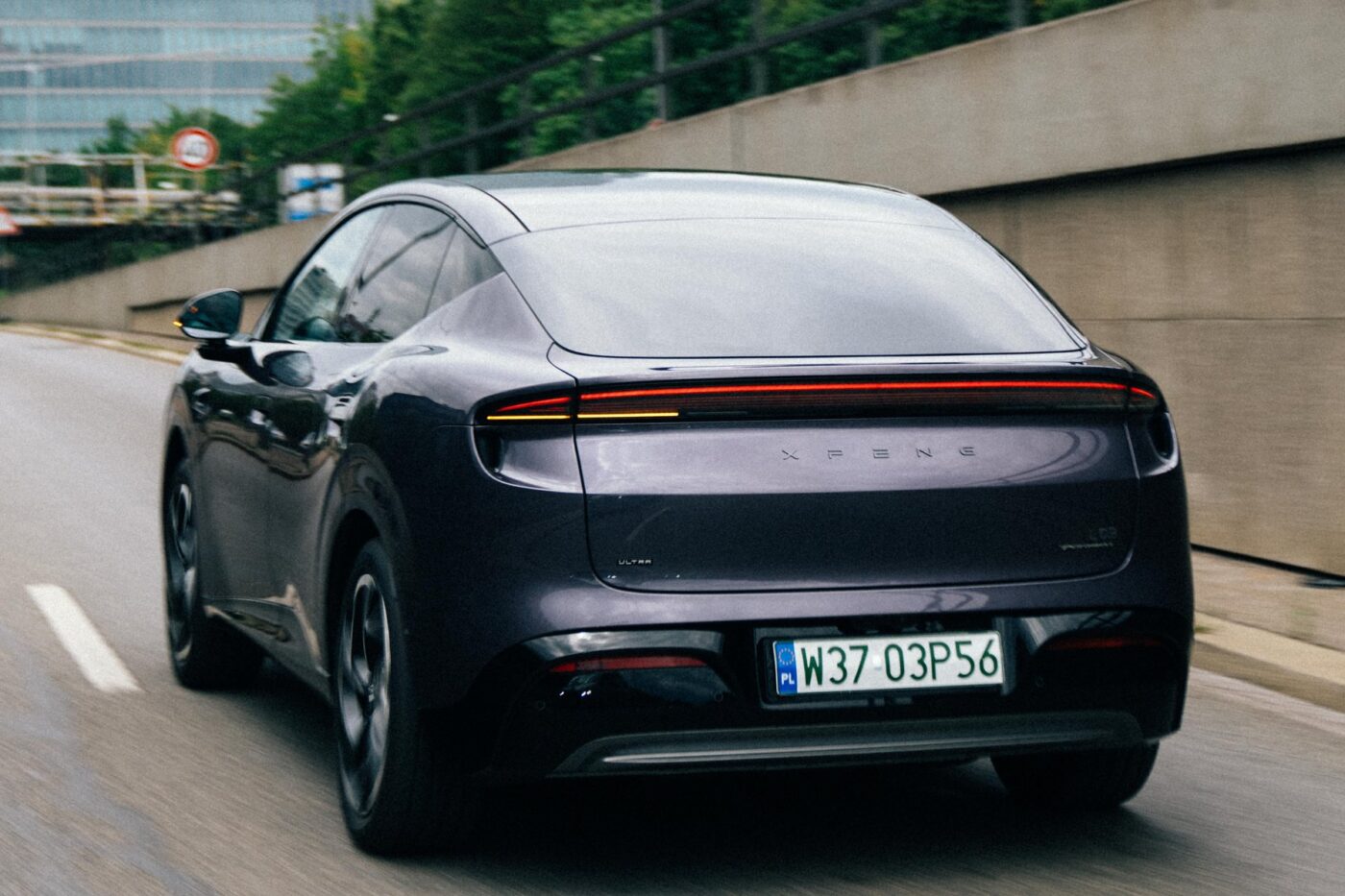
Autonomous driving at Level 2+, but with regulatory constraints
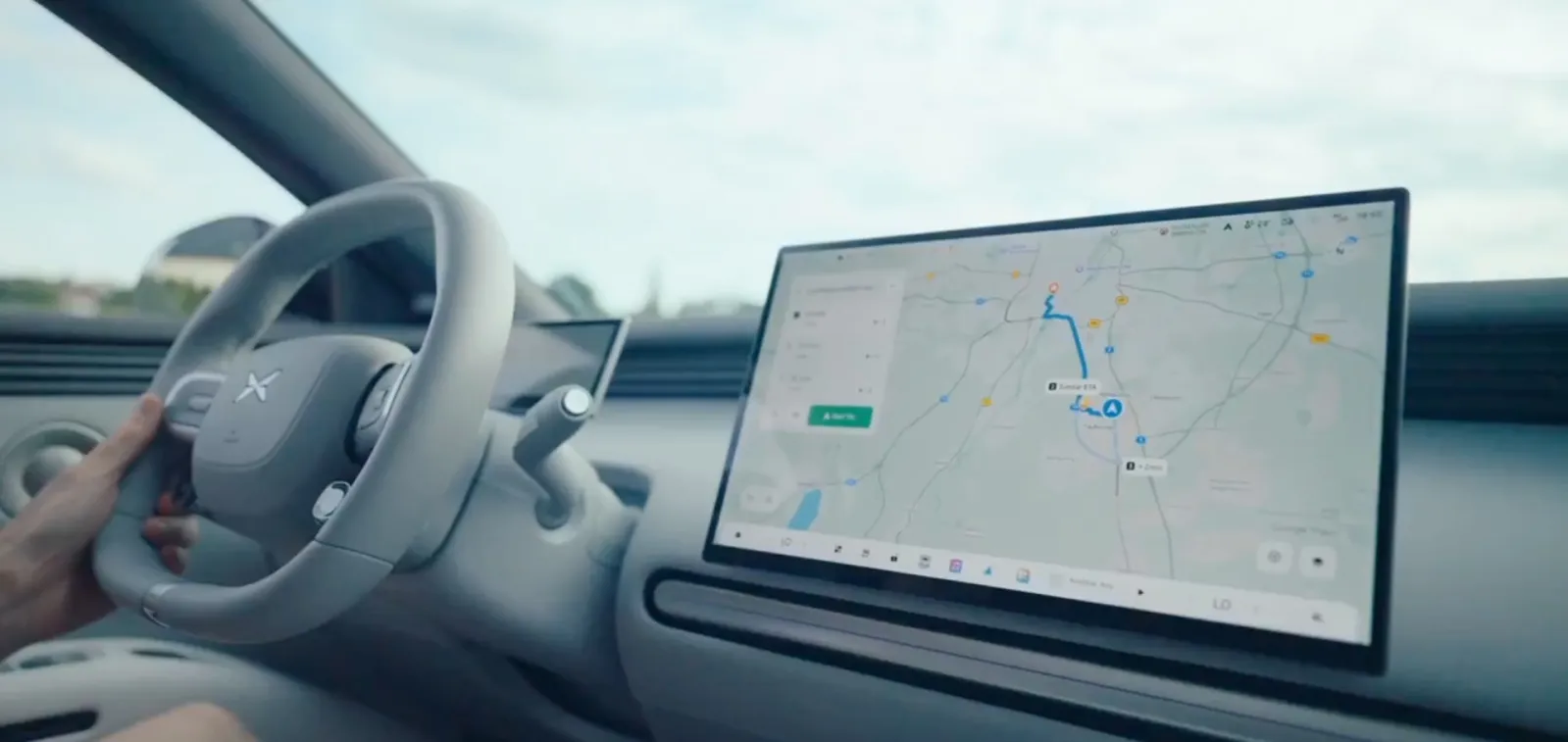
Xpeng remains true to its cockpit design. Three displays keep the driver informed, including a 15.6-inch central screen and a 26.8-inch-wide head-up display. The real unique selling point, however, lies in the top-of-the-range ‘Ultra’ model; this is equipped with two Turing chips, each delivering an AI computing power of up to 750 tera-operations per second. Based on this, the Next-Generation Pilot (NGP) runs on the Vision-Language-Action system VLA 2.0. This system combines camera and radar data with a language model and is designed to interpret traffic situations like a human driver.
In Germany, however, the L03 still only offers Level 2+ partial automation. Xpeng has tied the transition towards higher levels of automation to a Europe-wide legal framework, which the company does not expect before 1 January 2027. Until then, the full range of functions remains a promise for the future.
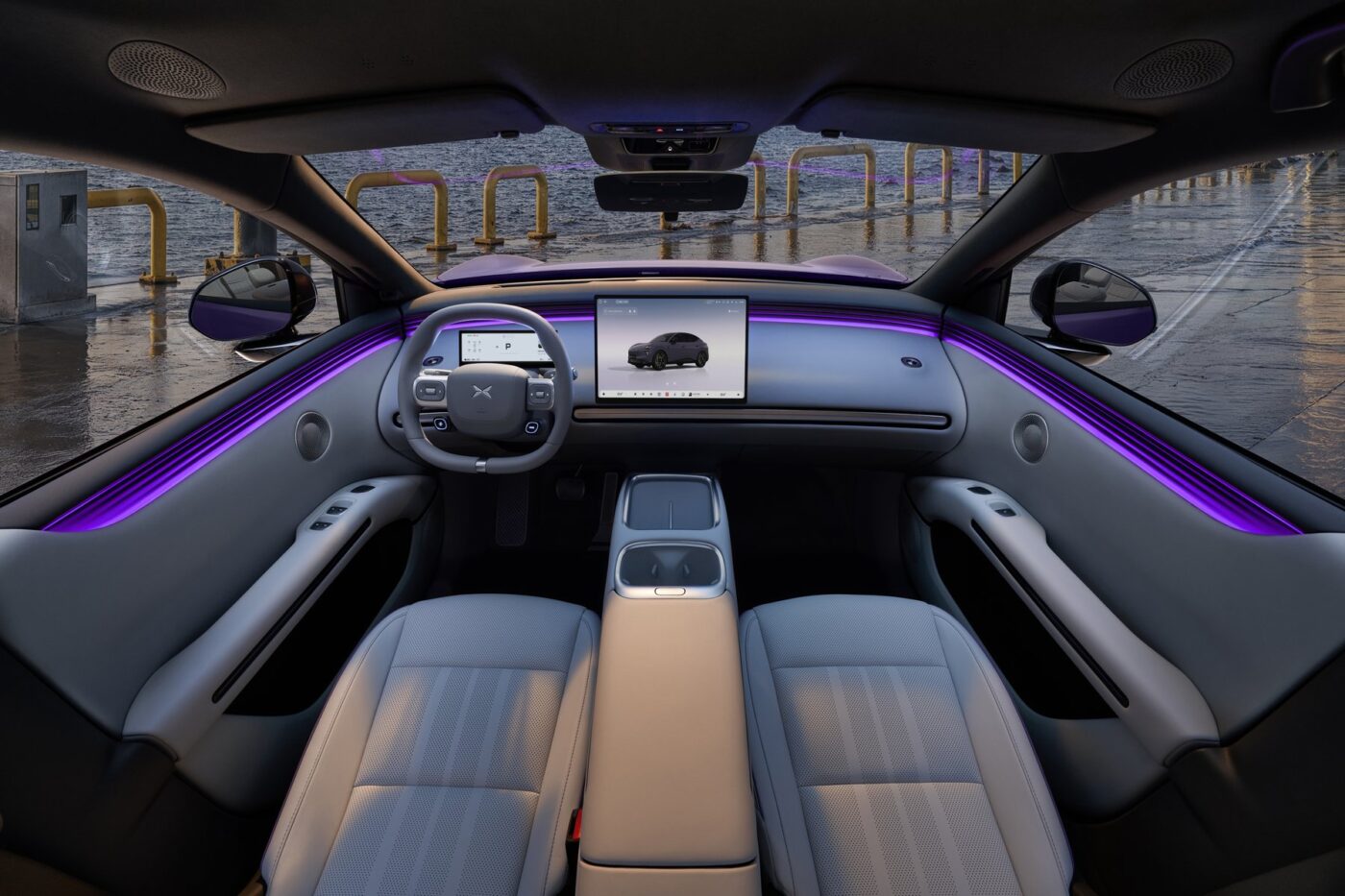
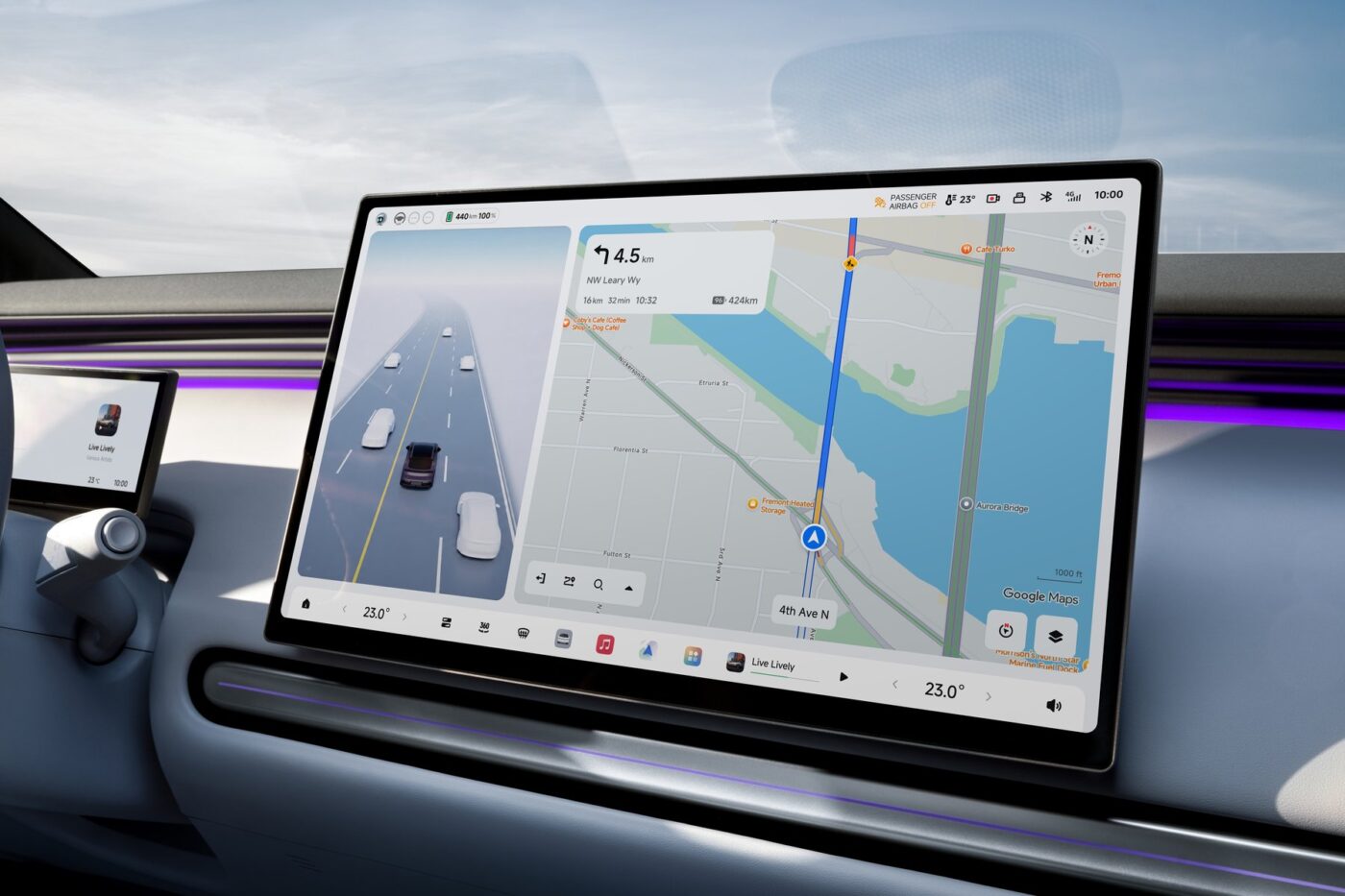
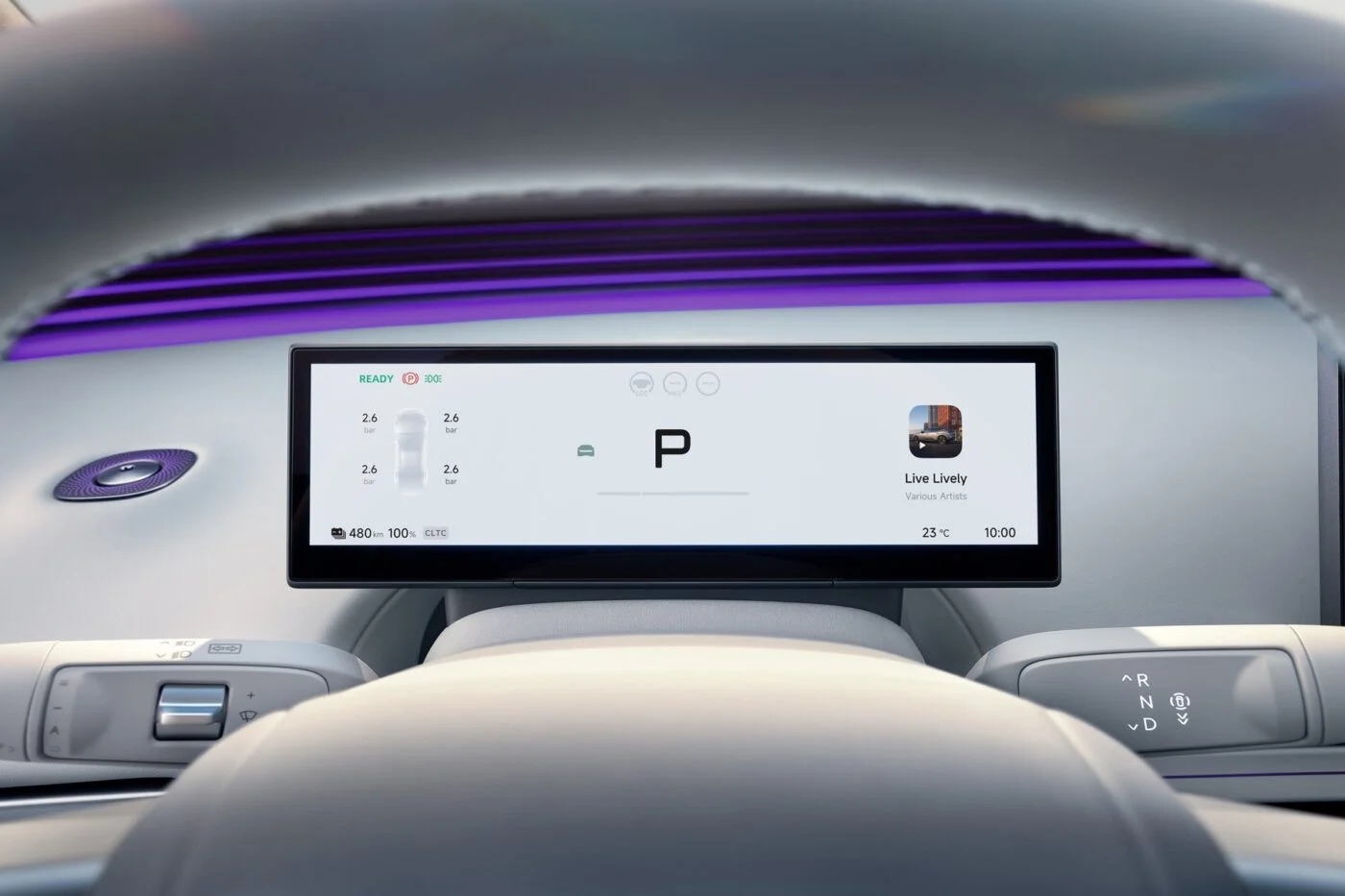
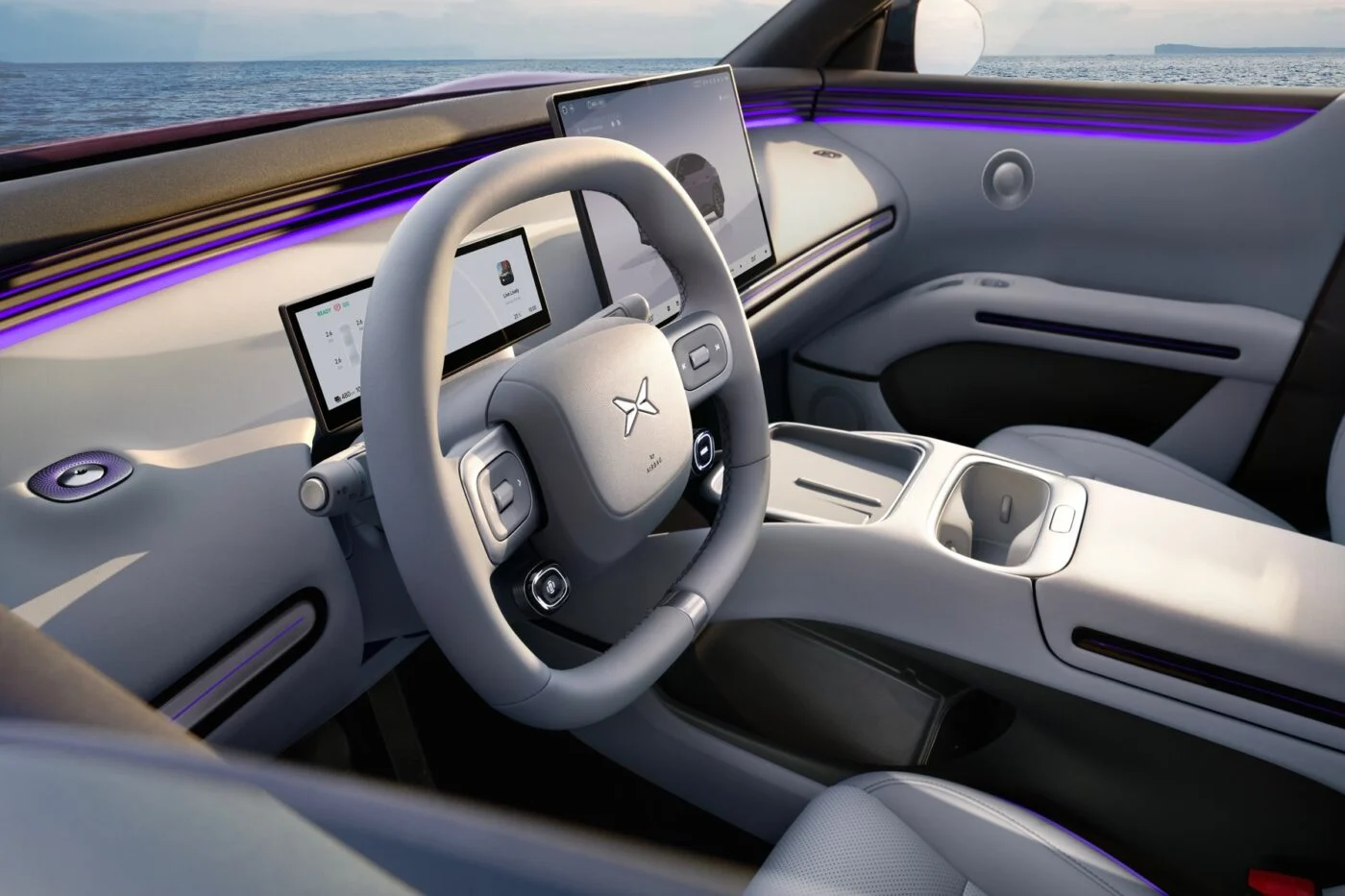
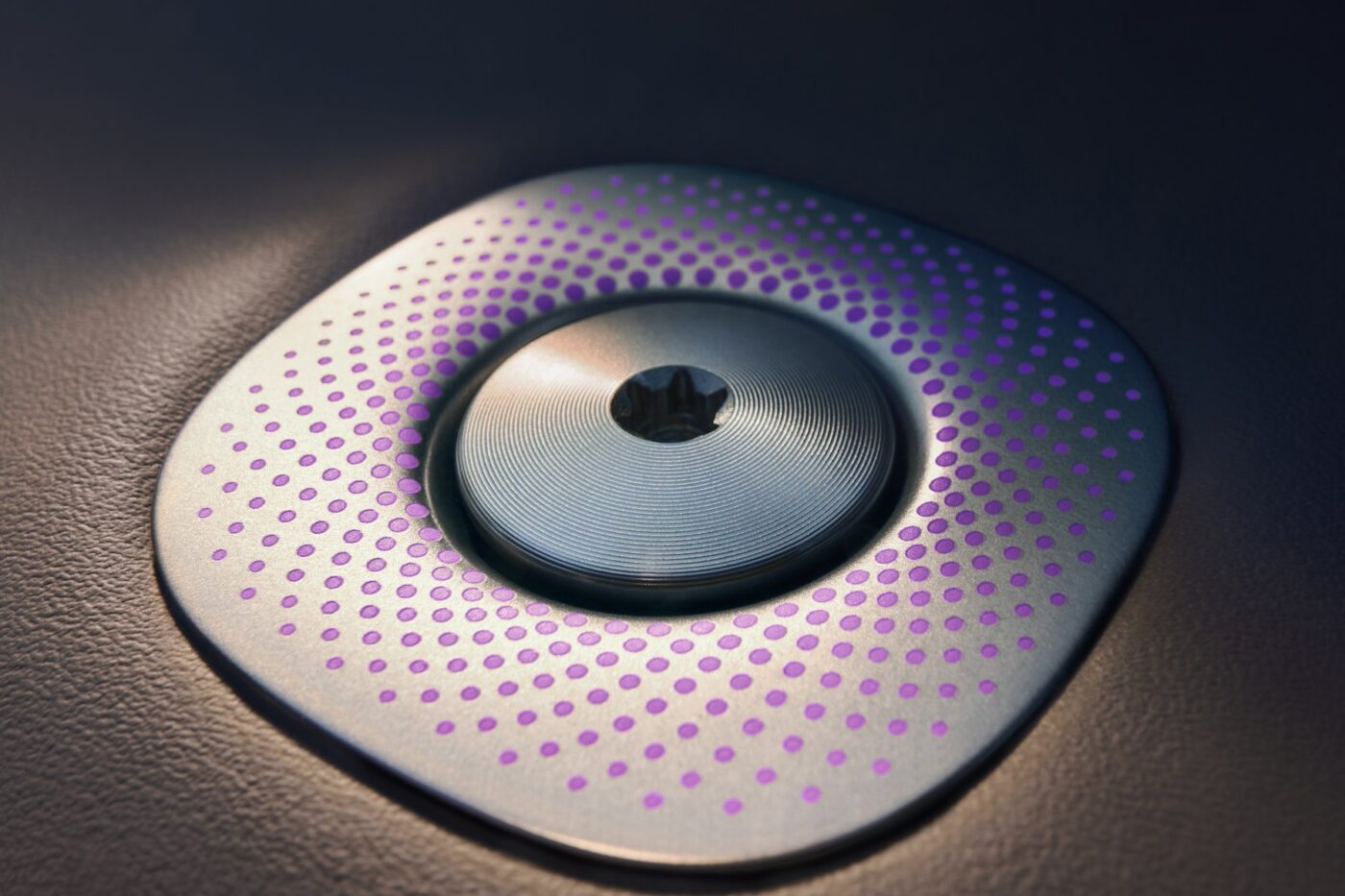
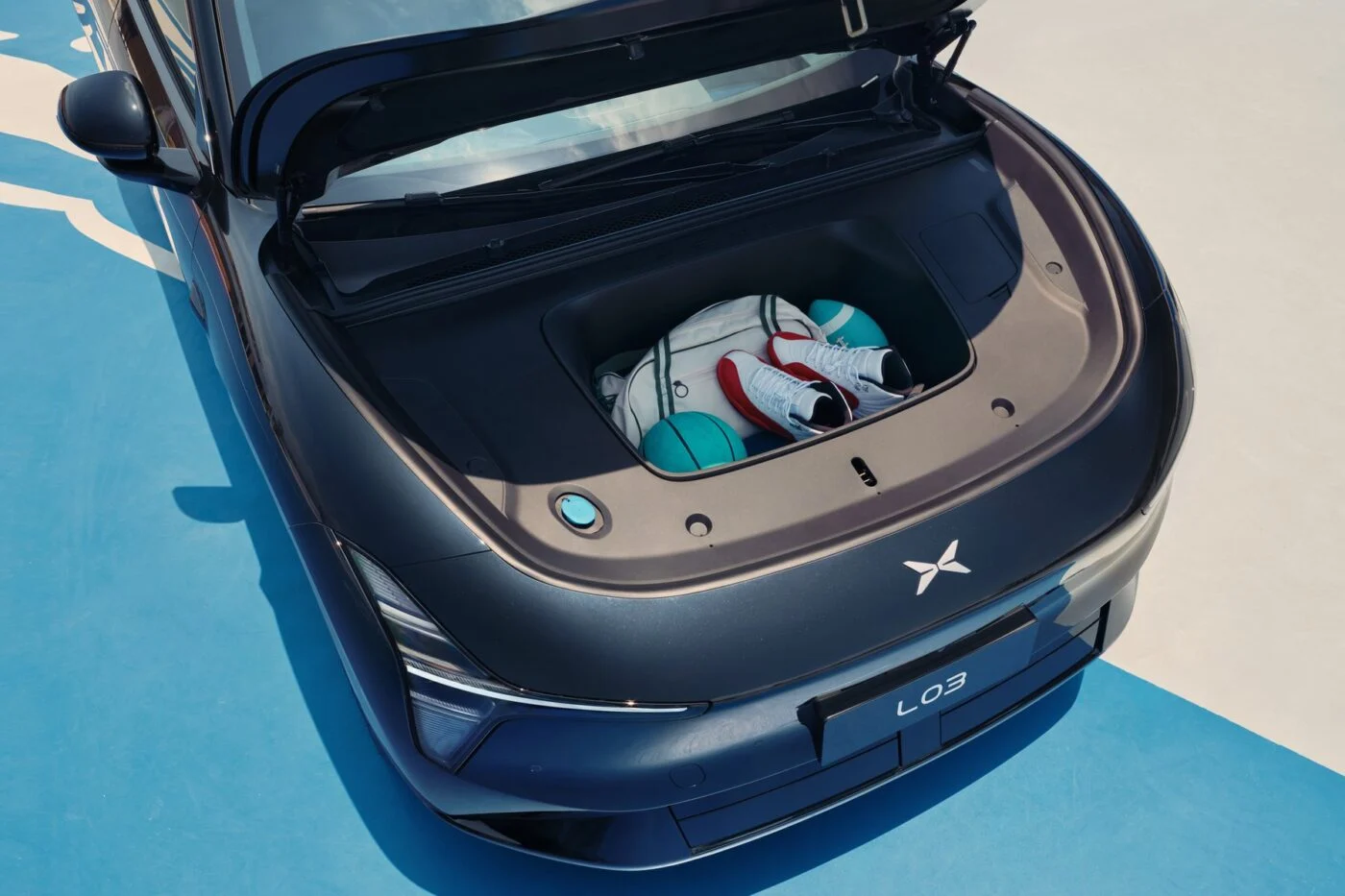
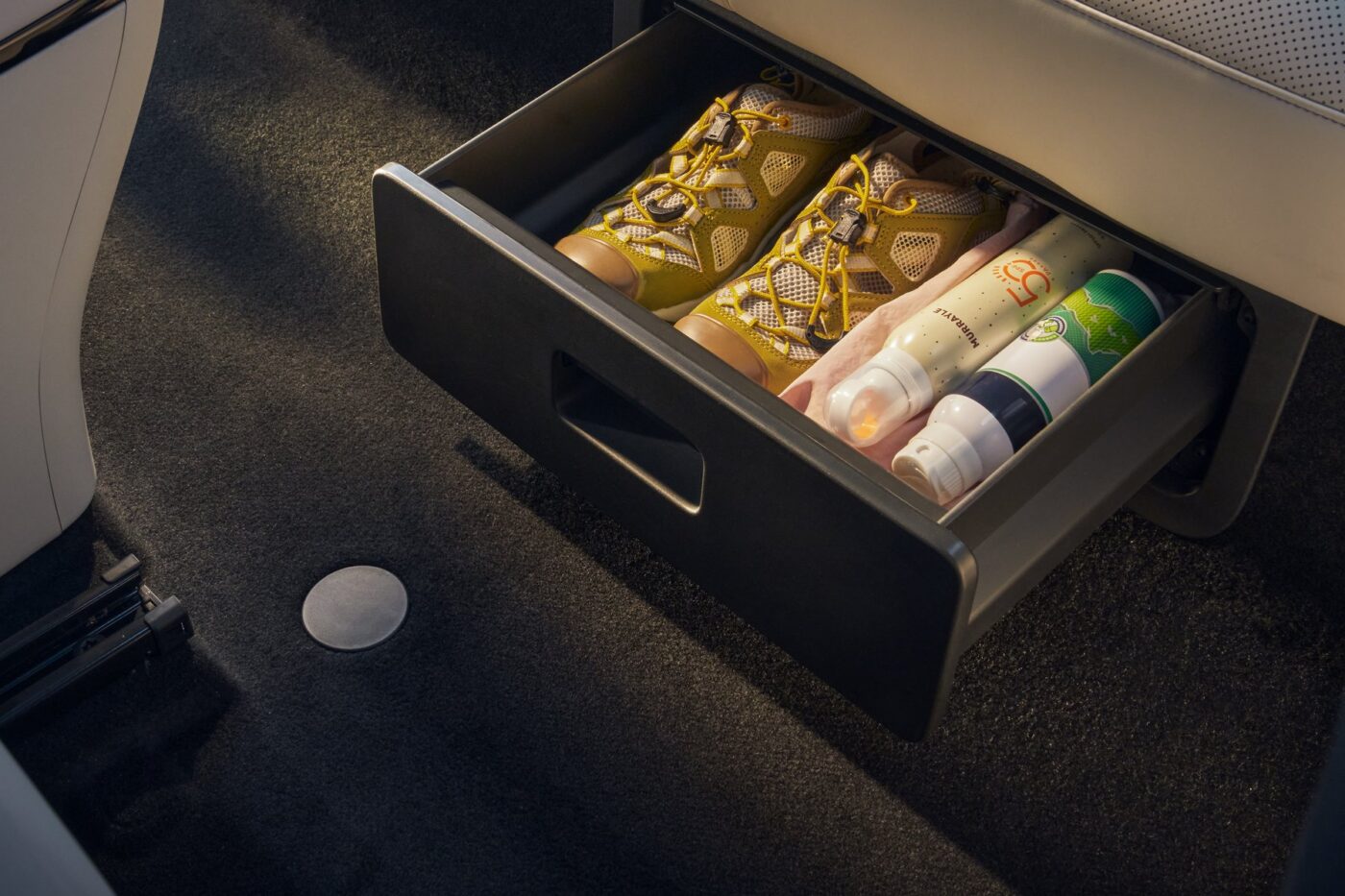
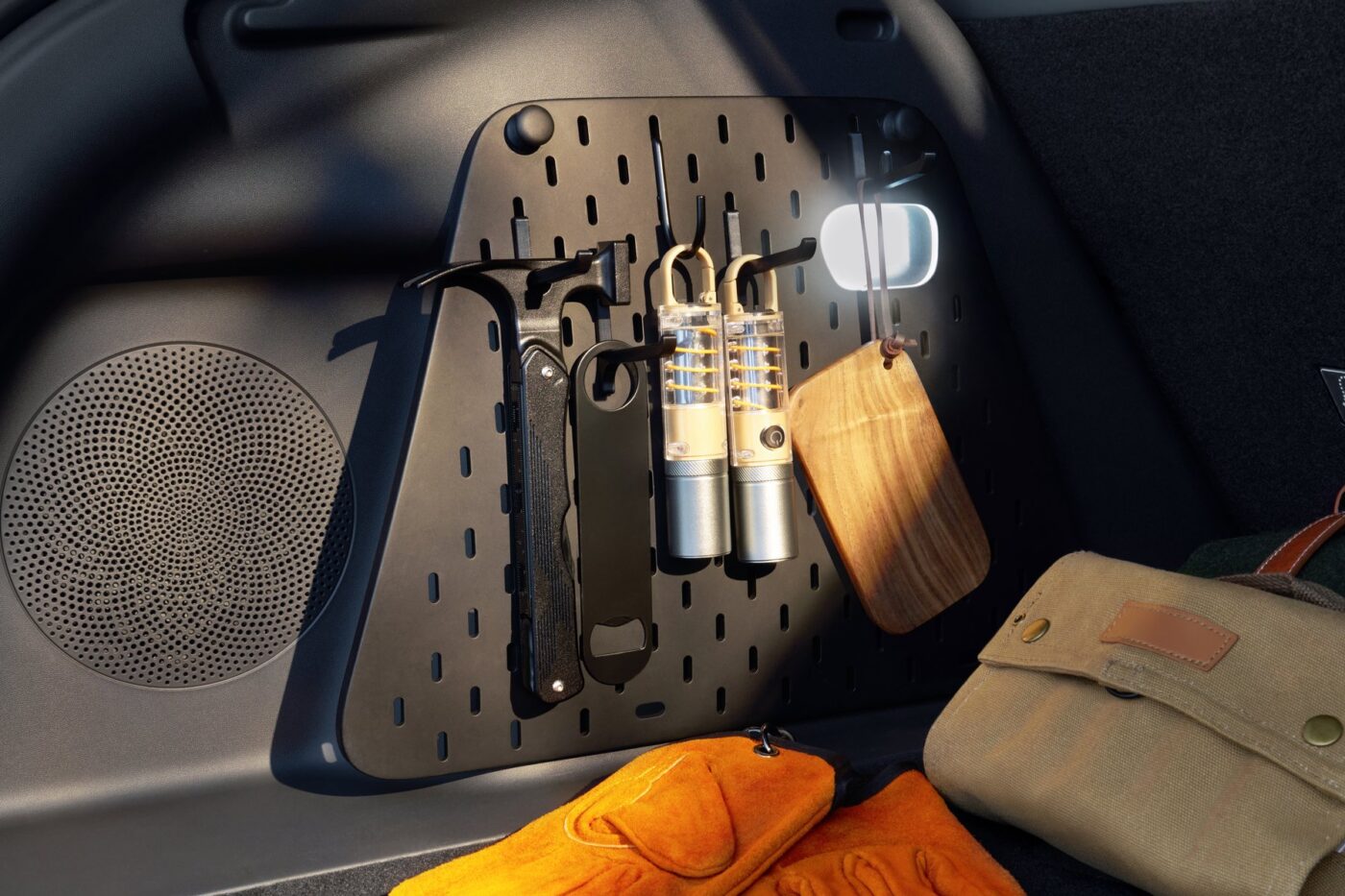
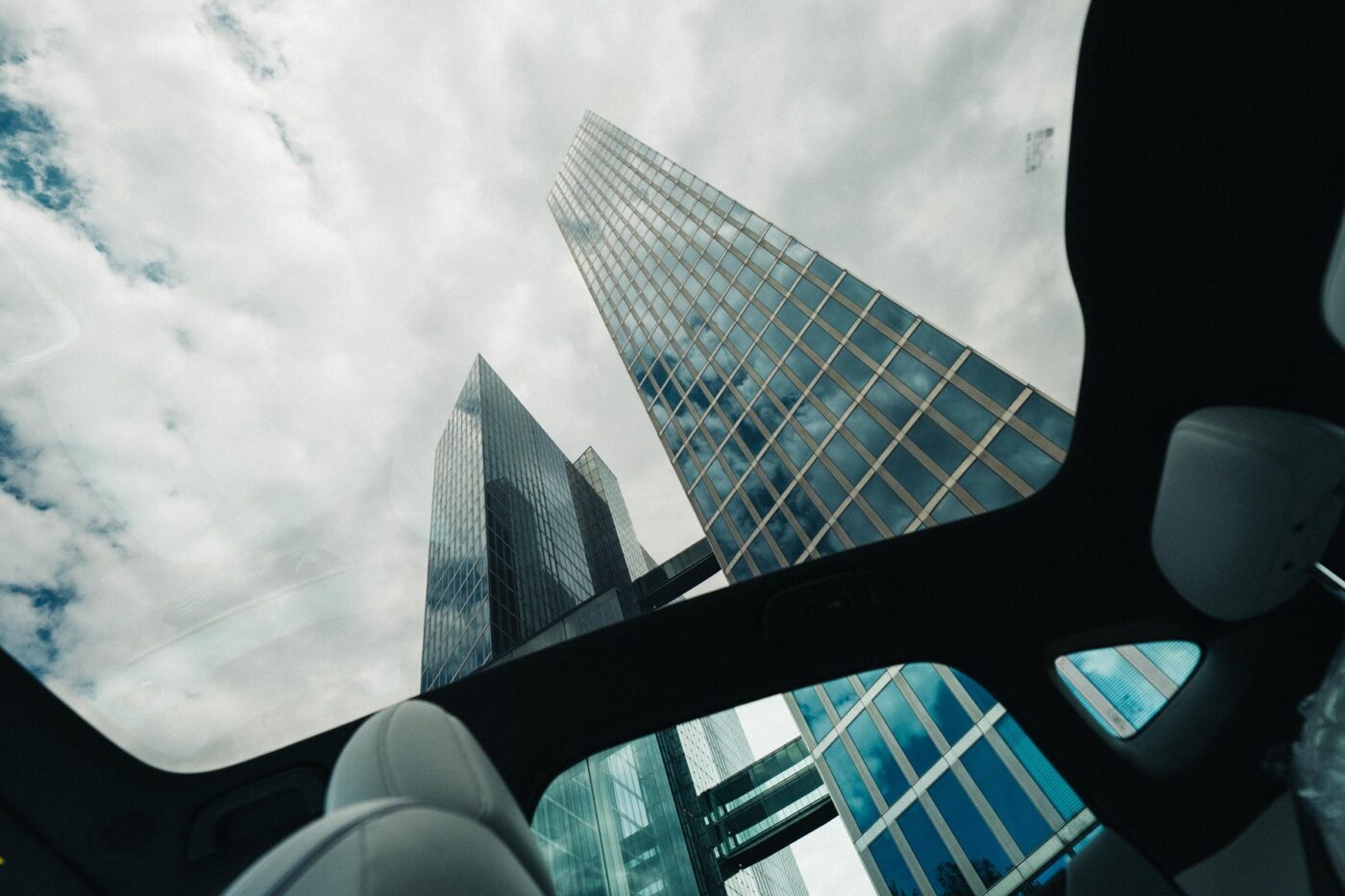
In terms of additional equipment, Xpeng is generous: heated and ventilated front seats, a panoramic roof, and the XOPERA sound system are all included as standard, along with seven airbags and more than 13 driver assistance systems grouped under the XPILOT label. The brand is aiming for a five-star Euro NCAP rating, though the official assessment is still pending. The configurator is now available online, and the first deliveries are scheduled to begin in the fourth quarter of 2026. Xpeng offers a seven-year or 160,000km warranty on the vehicle – and eight years on the battery.
Iron 2.0: A robot that shares AI with the car
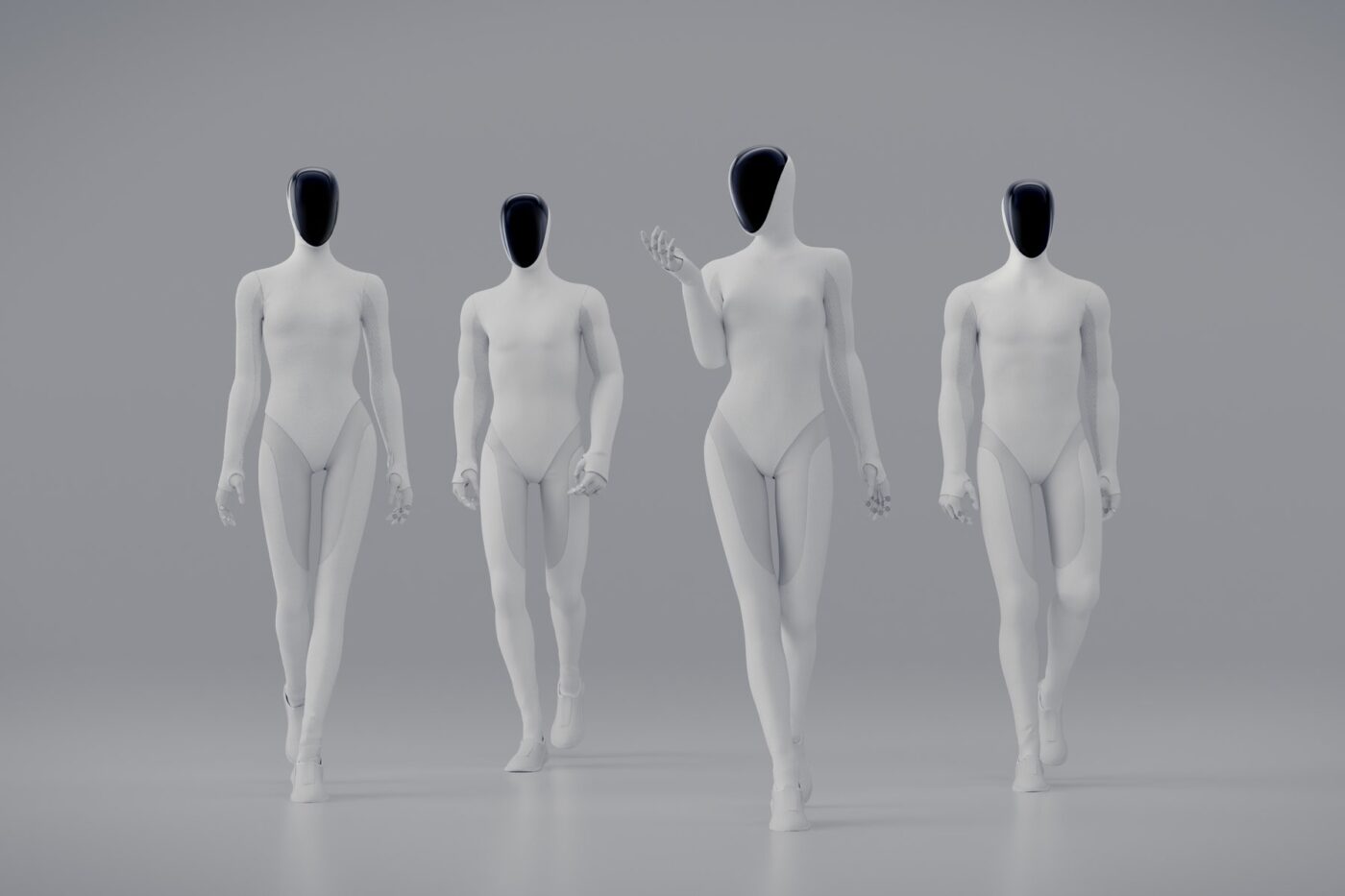
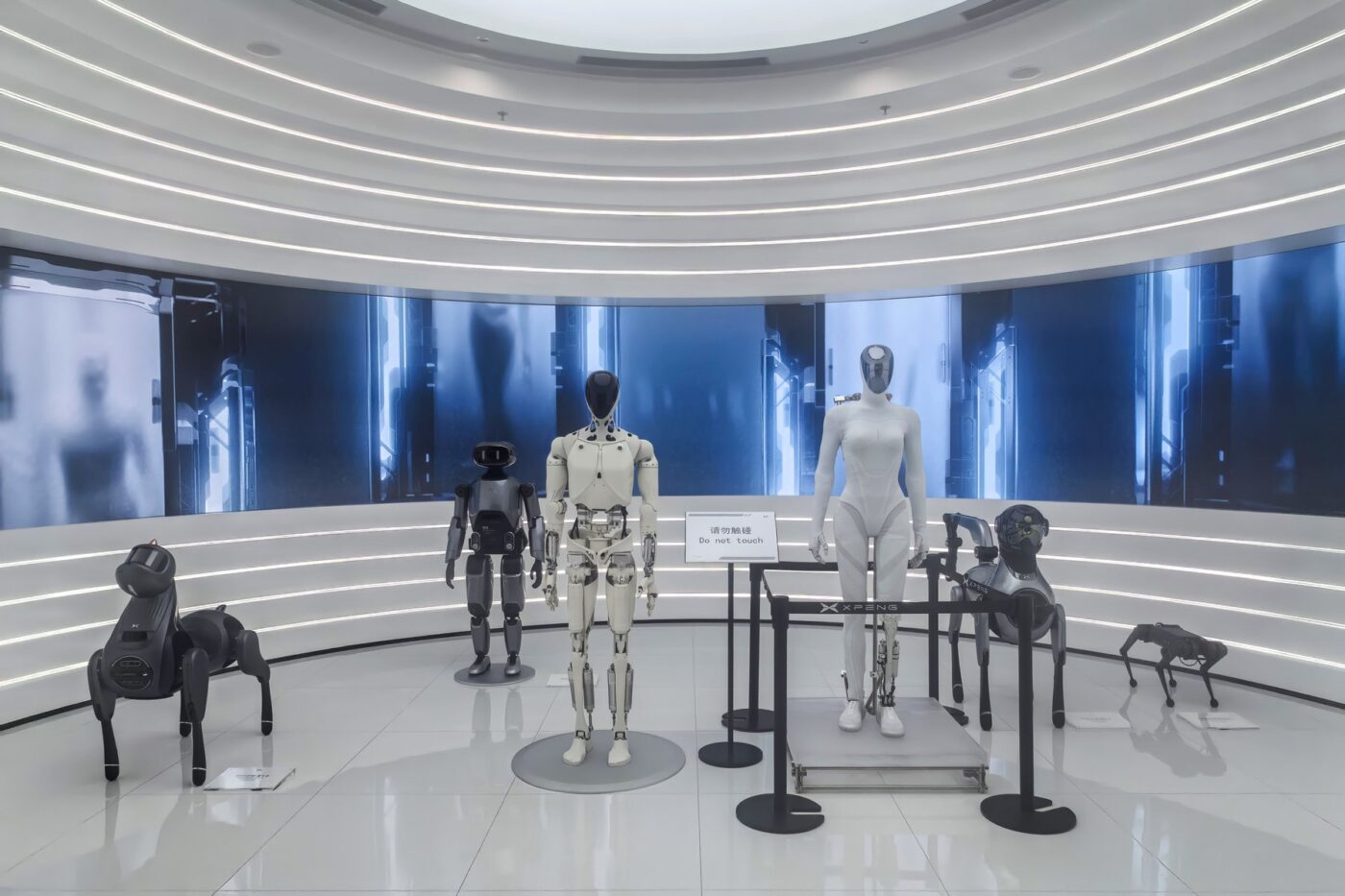
Back to the AI theme: Xpeng makes it clear that ‘Physical AI’ means more than just a connected electric car, thanks to its humanoid robot Iron (DE). The second generation model was presented at the event as ‘Iron 2.0’, having previously debuted on 5 November 2025 at ‘Xpeng AI Day’. It stands 173 centimetres tall, weighs 65kg, and features 82 degrees of freedom across its body. Its hands alone have 22 degrees of freedom. A bio-inspired spine enables a remarkably human-like gait, while the face consists of a curved 3D display that shows ’emotions’.
However, what lies beneath the surface is decisive: Iron uses the same Turing chip and AI foundation as Xpeng’s electric cars. The robot is thus less of a showpiece and more a logical extension of the company’s own technology. Xpeng is already testing it in production, reception, and retail environments and plans to begin mass-producing advanced humanoid robots by the end of 2026, initially for commercial services such as guided tours, shopping assistance, and patrol duties. The company has not yet disclosed a price.

Aridge: The flying car as the third pillar
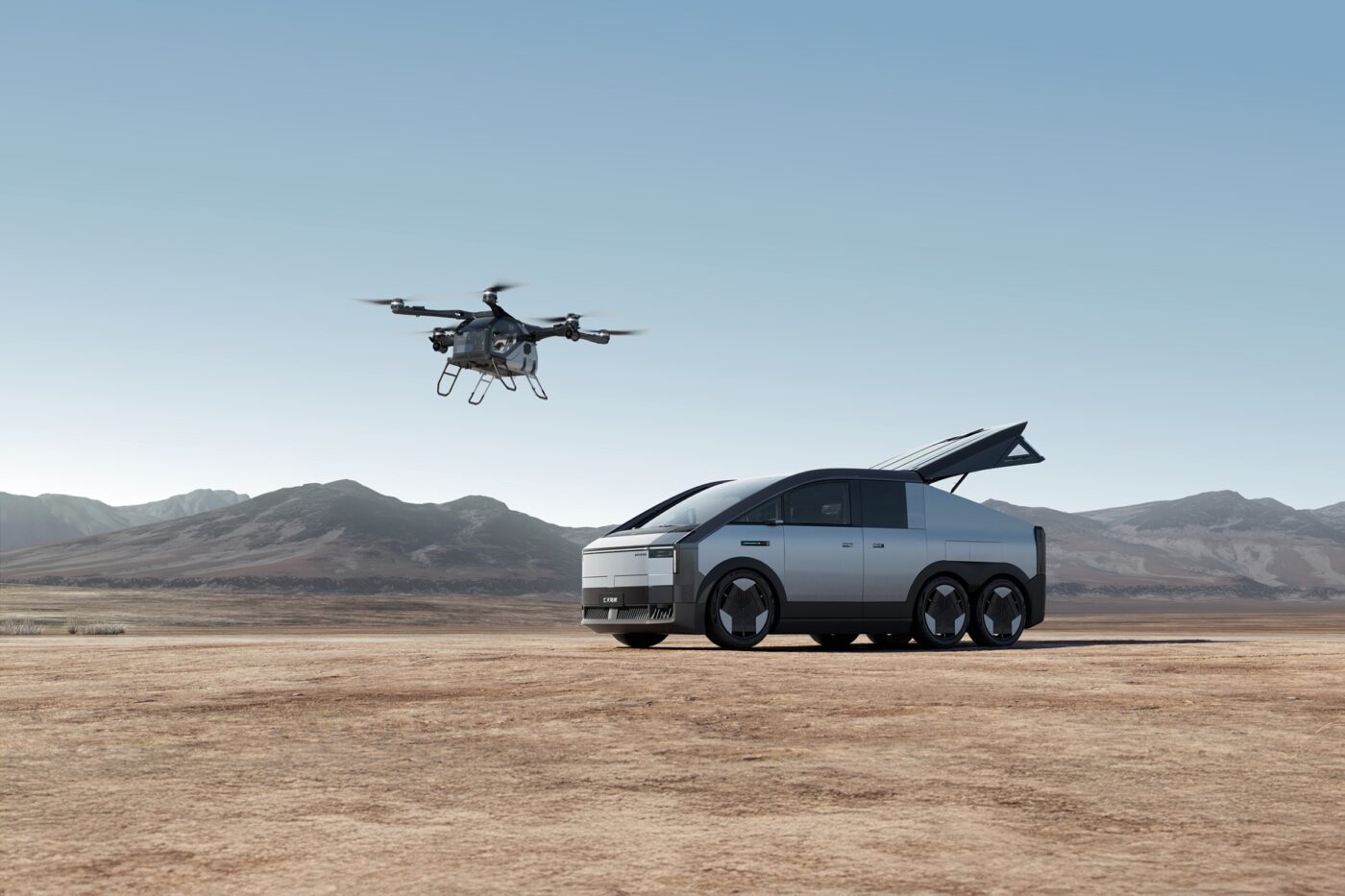
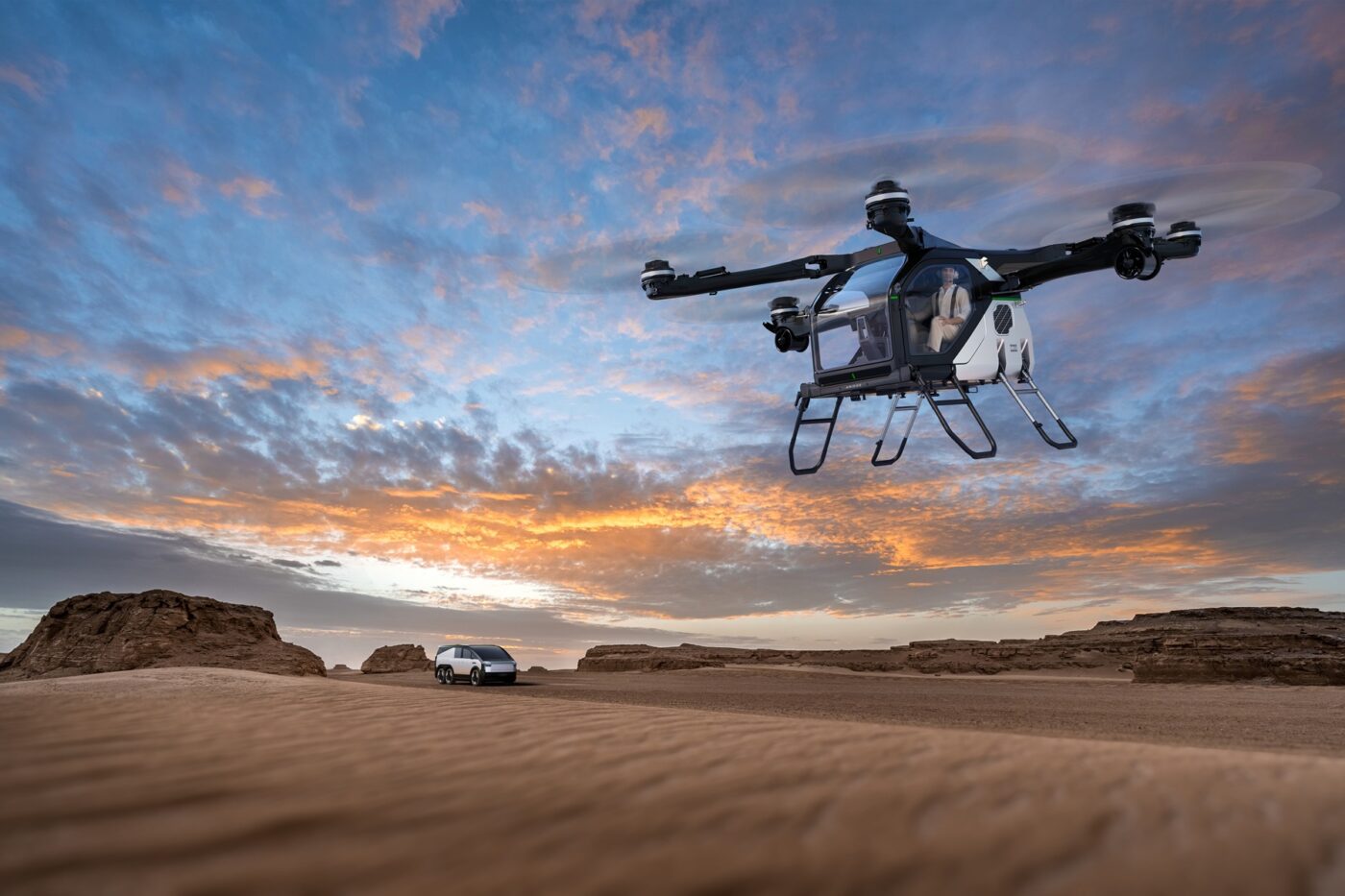
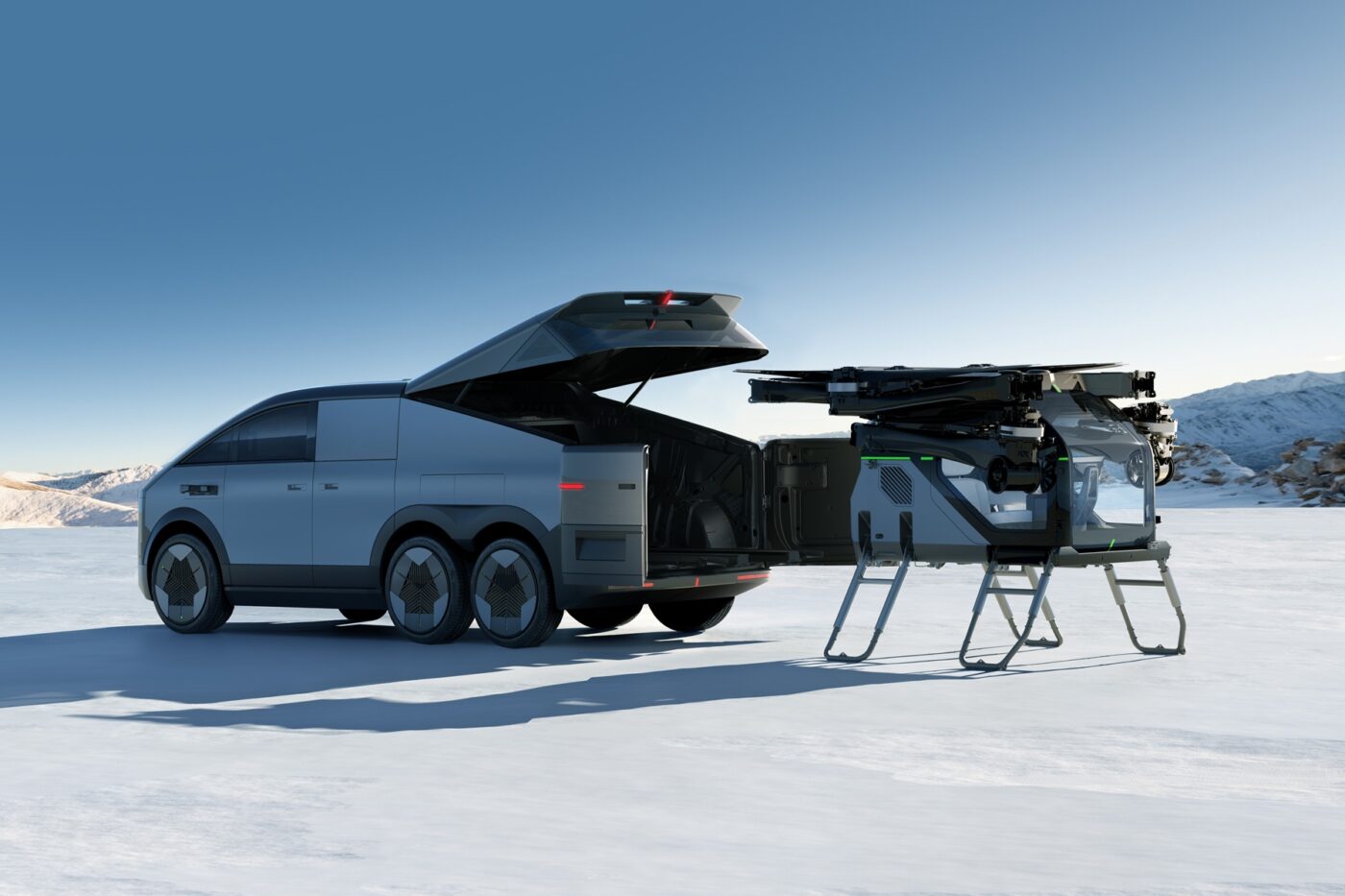
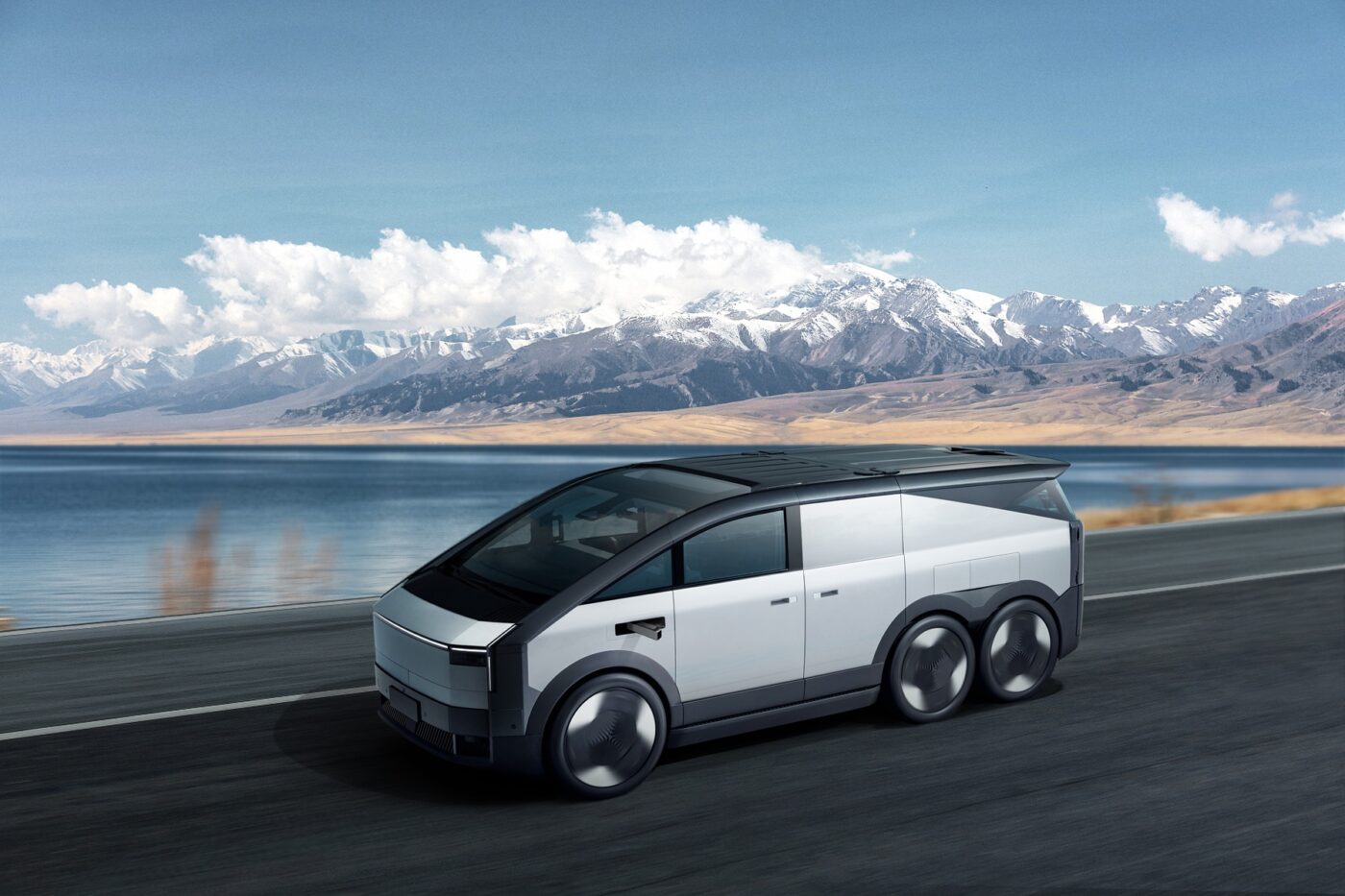
The third pillar of Xpeng’s future vision quite literally takes off. Aridge, which operated under the name Xpeng AEROHT until October 2025 and describes itself as Asia’s largest flying car company, presented the ‘Land Aircraft Carrier‘ modular concept. It consists of a six-wheeled ground vehicle – the so-called ‘Mothership’ – and a detachable, two-seater eVTOL flight module that stows in the boot. The ground vehicle can be driven with a standard car driving licence (Class C in China), uses an 800-volt platform with silicon carbide, and offers a combined range of over 1,000km.
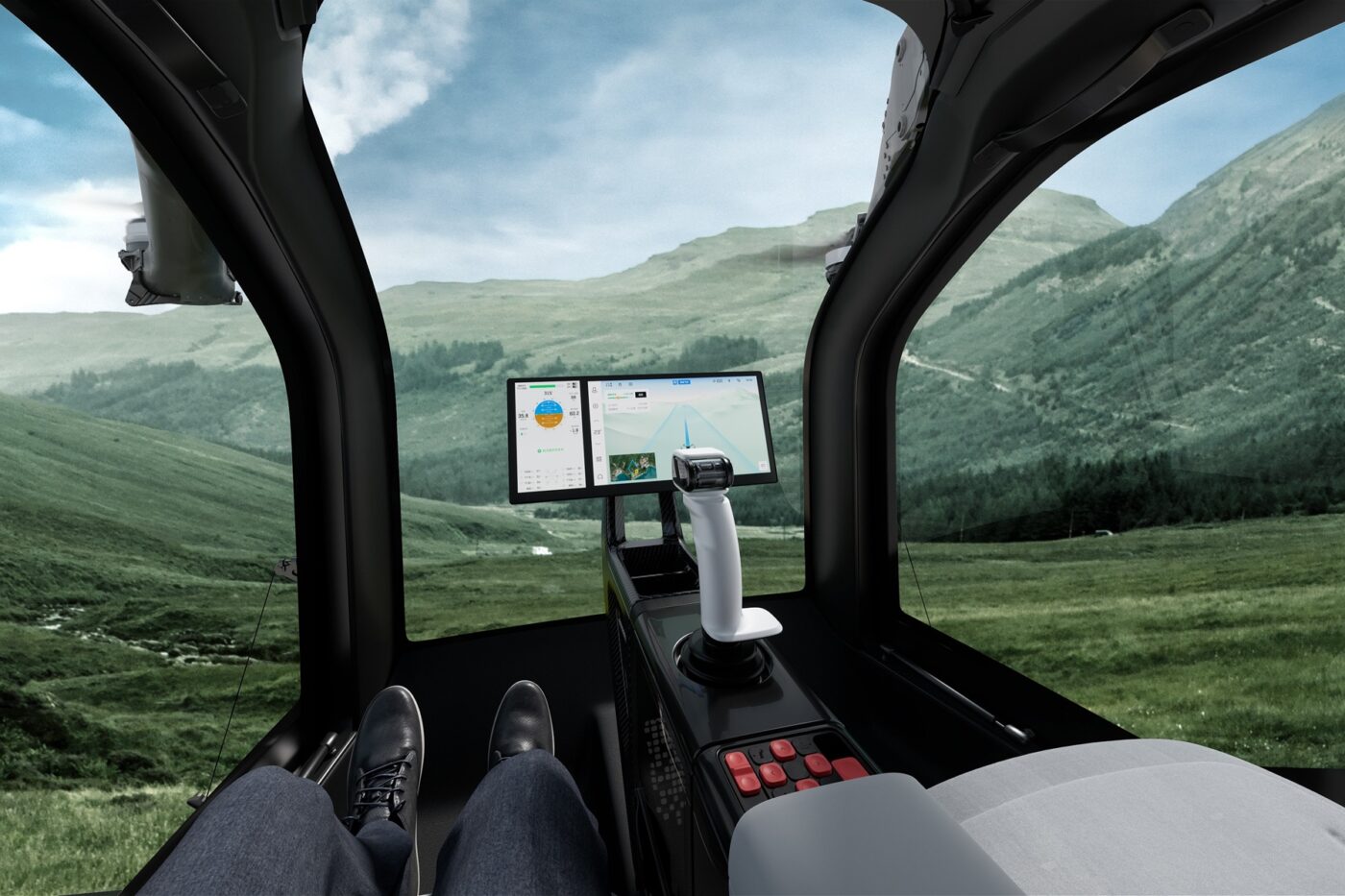
The carbon-fibre flight module is controlled by the pilot via a single joystick. A triple-redundant fly-by-wire system is designed to ensure safety. Aridge has announced series production in China for 2026. The company operates a factory in Guangzhou with an annual capacity of 10,000 units and refers to a record order of 600 vehicles from the United Arab Emirates. As visionary as this may sound, the reality is clear: a production model for European roads and airspace is not yet in sight for the flying Xpeng offshoot.
Assessing the innovations
In Munich, Xpeng presented three visions of the future at once, but only one is market-ready and relevant for Europe. The highlight of the presentation is the SUV coupé L03: a battery-electric vehicle that, with its solid performance, rapid charging, and advanced AI technologies, targets the sub-€40,000 price segment and directly competes with the Model Y, the Ioniq 5, and MEB-based models. The robot and the flying car remain futuristic concepts for now, but they naturally contribute to the narrative that a shared AI platform underpins everything. Volkswagen also has a stake in this, as it holds a five-percent share in Xpeng’s development. This is more than just enthusiasm – it is a strategic move.
Source link
![Range Rover’s smaller, more affordable electric SUV makes first public appearance [Images]](https://startupnews-media-2026.s3.us-east-1.amazonaws.com/startupnews-in/uploads/2026/07/rss-mrnp3yl9-g3n1ia-2.jpeg?X-Amz-Algorithm=AWS4-HMAC-SHA256&X-Amz-Content-Sha256=UNSIGNED-PAYLOAD&X-Amz-Credential=AKIAZQ3DRHCSCL44VIMT%2F20260716%2Fus-east-1%2Fs3%2Faws4_request&X-Amz-Date=20260716T163821Z&X-Amz-Expires=604800&X-Amz-Signature=846913cbc468fdb6fa10f0d175c620db3725a42dbde696780922e21de863e68b&X-Amz-SignedHeaders=host&x-amz-checksum-mode=ENABLED&x-id=GetObject)

0 Comments