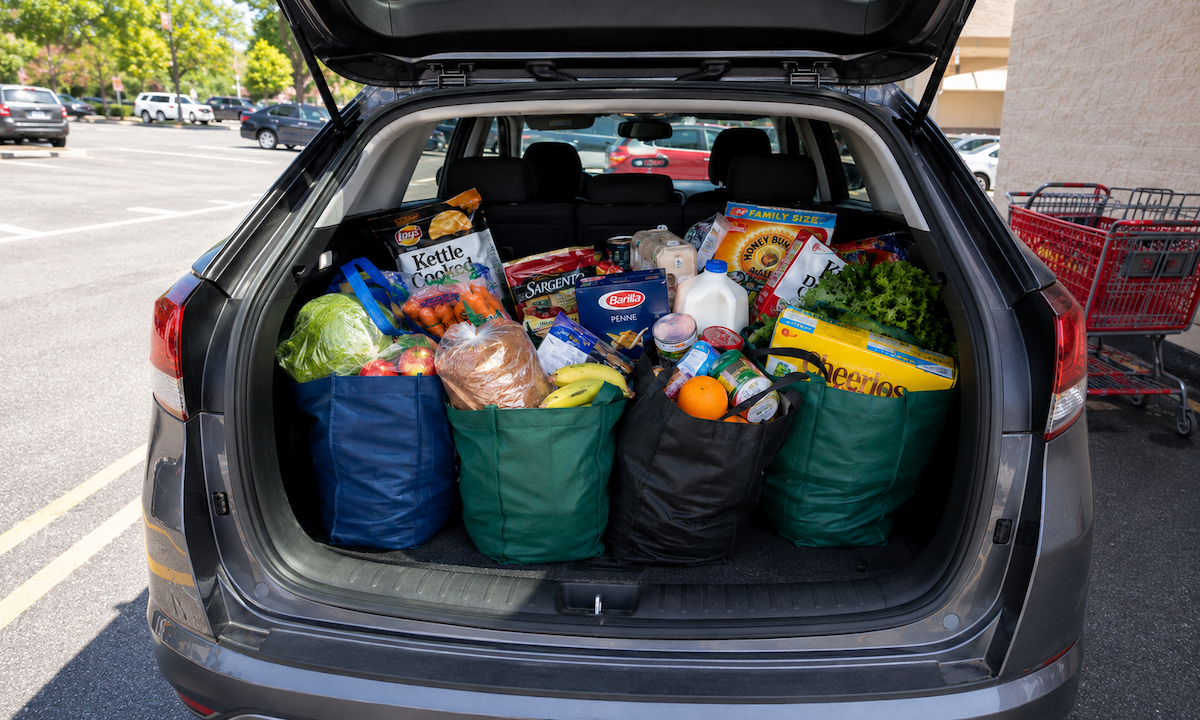
A weekly grocery run seems like the perfect opportunity to fill a shopping cart with everything else a household needs. New data suggests consumers increasingly see it differently.
A recent PYMNTS Intelligence report, “The Basket Breakaway: How Amazon Is Turning Walmart’s Store Traffic Into a Retail Weakness,” finds that Walmart continues to dominate routine shopping trips, particularly for groceries (“trip” spending), while Amazon keeps extending its lead in purchases that shoppers research, plan and have delivered (“considered order” spending).
The findings point to a broader change in consumer behavior: Shoppers are more often choosing the retailer that best fits each purchase rather than just making purchases where it is most convenient. That creates fresh opportunities for merchants that can connect physical stores, digital experiences and flexible payment options into one seamless journey.
The report’s most revealing insight is the inversion of traditional retail logic. For decades, retailers viewed the weekly shopping trip as the foundation for larger purchases. Grocery visits brought consumers into the store, creating opportunities to sell everything from electronics to home goods and apparel during the same visit. The new data suggests that relationship has weakened, however: Consumers still rely on Walmart for everyday essentials, but they are increasingly making more deliberate, higher-value purchases through Amazon instead.
In other words, frequent store traffic no longer guarantees a larger share of discretionary spending. As shoppers become more comfortable moving between physical stores and digital channels, retailers have an opportunity to rethink how they connect in-store visits with online engagement, personalized offers and payment experiences that encourage customers to complete more of their shopping in one ecosystem.
Key Findings:
- Walmart’s share of “trip” spending reached 10.35% in the first quarter of 2026, compared with just 5.87% in “considered order” categories. That means its share of routine shopping is about 76% higher than its share of planned merchandise purchases, the widest gap on record.
- The gap between Walmart’s “trip” spending and “considered order” spending is five times larger than it was in 2019. Customers are making even less of their considered purchases at Walmart as time goes on, indicating that this is a worsening problem for the retailer.
- Amazon now leads Walmart by nearly 28 percentage points in sporting goods, hobby products, books and music, while holding a 24-point lead in electronics and appliances. Those categories increasingly drive the “considered order” purchases online.
For retailers, the findings highlight a challenge that can be addressed rather than an advantage that has disappeared. Walmart still attracts millions of shoppers every week, giving it something every retailer wants: regular customer engagement. The next phase of competition is likely to focus on turning those visits into connected shopping experiences that extend beyond the checkout lane. Digital recommendations, loyalty programs, integrated marketplaces, flexible financing and faster fulfillment all create additional chances to convert store traffic into larger baskets.
To its credit, Walmart continues investing in these capabilities with programs such as Walmart+, curbside pickup, its marketplace and OnePay, all of which could help reconnect routine shopping trips with higher-value purchases over time. As consumers move more fluidly between physical and digital commerce, retailers that make those transitions simple stand to strengthen customer relationships and capture a greater share of household spending.
The post The Grocery Run No Longer Belongs to One Retailer appeared first on PYMNTS.com.
Source link