Flipkart Ventures and Powerhouse Ventures back expansion as Alive App scales across six Indian cities
Alive App has raised $1 million in a funding round led by Powerhouse Ventures and Flipkart Ventures, the Bengaluru-based company said on September 28, 2026, giving the startup fresh capital to expand its product and experience supply across urban India.
Alive App now operates in Bengaluru, Hyderabad, Mumbai, Chennai, Delhi and Goa, with more than 500 experiences and more than 400 creators and partners, as it tries to turn local activities into a repeat weekend habit rather than a travel-only purchase.
The company said it is targeting 3X revenue growth in the next few months and has already posted its first profitable quarter in Bengaluru, its first and largest market.
More than 90% of bookings on Alive App are for local experiences, according to the company’s platform data, suggesting demand is shifting from destination travel spending to near-home leisure spending.
Alive App has raised $1 million from Powerhouse Ventures and Flipkart Ventures. The Bengaluru startup says the cash will fund product development and a faster buildout of its inventory of bookable experiences across six Indian markets.
Alive App’s new round reflects a bet that India’s experience economy can look less like a travel add-on and more like a weekly consumer habit, with local discovery, creator supply and repeat bookings driving the business instead of one-off tourism demand.
That pitch is getting support from two investors with different reasons to care. Powerhouse Ventures is backing the company’s operating model, while Flipkart Ventures brings the possibility of broader distribution inside one of India’s biggest consumer internet ecosystems. The company said the Flipkart investment could open up ways to explore discovery, engagement and access to experiences at scale through the wider Flipkart network.
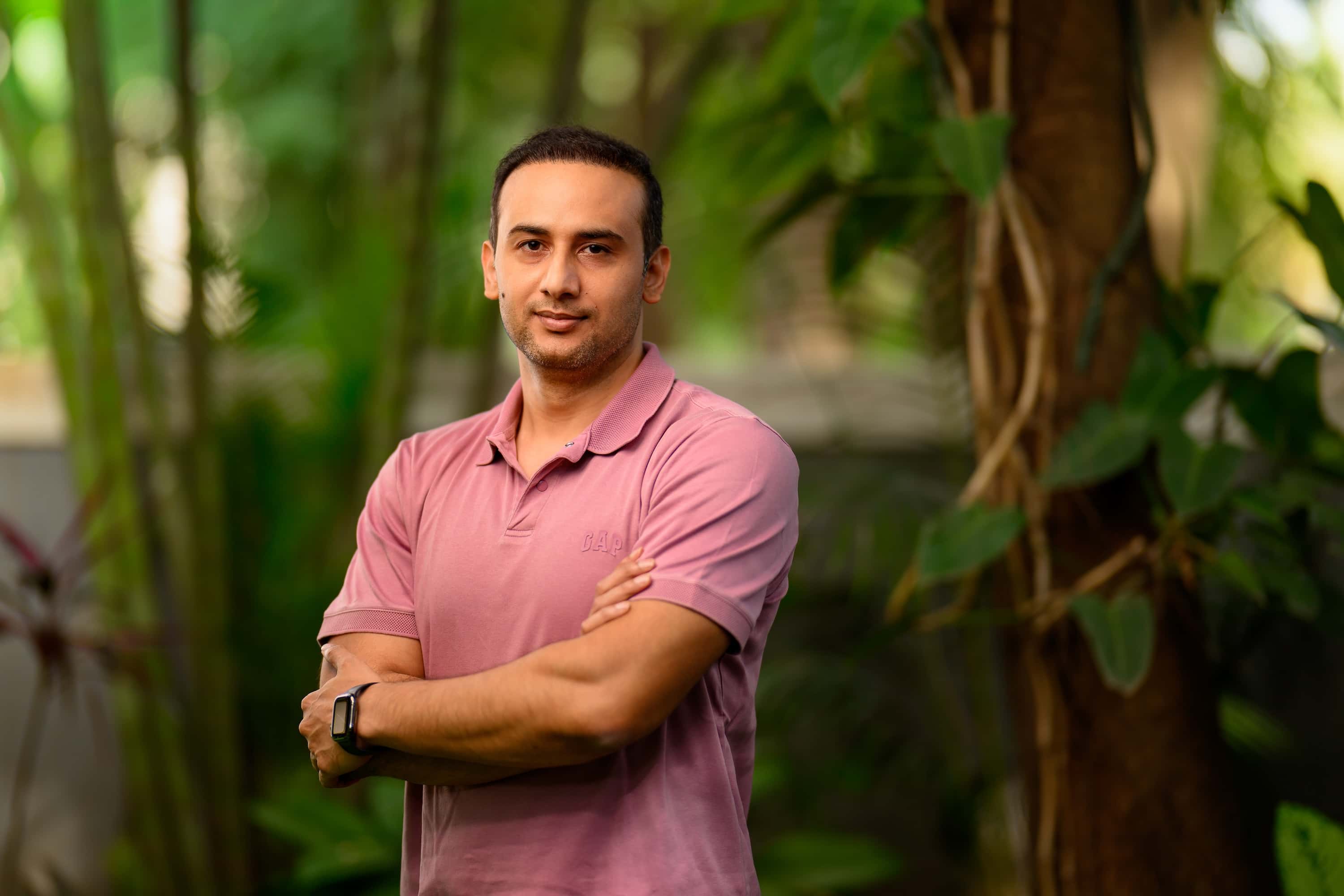
Alive App, founded by Vivek Kumar, describes itself as an AI-powered experience-tech platform. In plain terms, it is trying to do more than aggregate things to do. The startup says it works with creators and partners to help design, launch and distribute experiences across categories including adventure, food, wellness, art, culture and learning. That distinction matters because many marketplace companies struggle when supply is fragmented, poorly merchandised or hard to standardize. Alive App is betting that curating and shaping supply, not just listing it, can create a stronger consumer product.
The company said it is now active in Bengaluru, Hyderabad, Mumbai, Chennai, Delhi and Goa. It offers more than 500 experiences and works with more than 400 creators and partners. Over the last six months, Alive App expanded into Mumbai, Chennai and Delhi, adding to its presence in Goa and its older base in Bengaluru and Hyderabad. The company said Mumbai and Chennai are growing faster than Bengaluru did in the company’s early months.
There’s a familiar marketplace playbook here, but with an India-specific twist. Readers might compare the broad idea to event and activity platforms such as Fever, Airbnb Experiences in its earlier form, or even ClassPass before that company widened beyond boutique fitness. The harder part is not getting a first booking. It is getting a second, third and fourth one in a category consumers don’t yet treat as routine. Alive App’s stated goal, to become a default weekend companion, is really a frequency problem disguised as a branding line.
That helps explain why one operating metric in the announcement stands out more than the funding total. Alive App said it has achieved its first profitable quarter in Bengaluru, its first and largest market. For a young marketplace, city-level profitability is usually a milestone before broad national expansion. It suggests the company can reach enough demand density and enough repeat supplier activity in one urban cluster to cover the costs of sales, curation and consumer acquisition.
That local-booking figure may be a key signal for investors. Consumer internet businesses built around discretionary leisure often break when they rely too heavily on tourism or occasional splurges. Alive App said more than 90% of bookings come from local experiences, based on its platform data. If that pattern holds as the company scales, it could make the category look more like restaurant discovery or moviegoing than vacation spending.
The startup says it is adding about 100 new experiences every month. The company also said supply in the newly launched markets of Chennai, Mumbai, Delhi and Goa has grown five times faster than during Alive App’s initial expansion phase. That sounds impressive, though early expansion comparisons can flatter growth rates. Even so, faster supply ramp in later markets usually means a company has found a more repeatable onboarding motion.
Powerhouse Ventures said in a statement that Alive App is one of the most differentiated and capital-efficient companies it has seen in the category. The firm pointed specifically to the company’s use of AI across operations, not just as a consumer-facing feature. That is a common investor line in 2026, but in this case the claim is at least directionally credible. Experience marketplaces are messy businesses. They involve fragmented inventory, frequent scheduling changes, local demand patterns and creator-side handholding. If AI reduces the labor involved in setting up listings, matching supply to demand or running customer support, it could improve a model that has historically been hard to scale cleanly.
Still, this remains a small round by venture standards, and that says something too. A $1 million financing is not enough to force a consumer category into existence across a country as large and varied as India. It is enough to extend runway, sharpen the product and test whether a more disciplined city-by-city model can produce repeatable economics. The best consumer marketplaces in emerging markets rarely look overfunded at the start. They look constrained, focused and local until they do not.
What it means for consumer marketplaces
Alive App is arriving at a moment when consumer startups are being pushed to prove something many growth-stage companies once avoided: that users come back without being bribed to do so. The startup’s emphasis on local behavior, weekly relevance and profitable density in one city fits that shift. It also lines up with a broader retreat from the older marketplace model of endless expansion before economics. In the US, several consumer platforms have spent the past few years relearning that frequency and retention matter more than breadth if the category is discretionary.
Flipkart Ventures’ involvement adds another angle. Distribution is often the missing piece for experience marketplaces because consumers do not wake up every Saturday morning thinking, “I should browse a new app for activities.” They do, however, spend time in larger commerce ecosystems. Alive App did not disclose product tie-ups or commercial terms, but the strategic logic is clear. If experiences can be surfaced where users already shop or browse, discovery costs fall.
The company’s category mix also gives it multiple shots at demand. Adventure and culture can be occasional purchases. Food, wellness and learning can become recurring ones. That portfolio approach could help smooth seasonality and keep the app relevant outside holiday periods. It also mirrors the lesson many US consumer apps learned the hard way: narrow categories are easier to explain, but broader use cases are often what create enough occasions to build a habit.
None of this guarantees breakout scale. Experience businesses are still operationally heavy, and local curation does not become easy just because software is involved. Quality control, creator consistency and repeat consumer demand all need to hold as Alive App expands. The company says its supply in newer cities is growing much faster than in its first expansion phase, but supply growth only matters if conversion and repeat bookings keep pace.
What's next
The next few months are the clearest test. Alive App said it is targeting 3X revenue growth in that period, while using the new funding to deepen product and supply across its current markets. Investors will be watching whether Bengaluru’s profitability can be repeated elsewhere, whether local bookings stay above the 90% mark the company reported, and whether any Flipkart-linked discovery channel turns into a measurable acquisition engine rather than just strategic positioning.
Frequently asked questions
What is Alive App and why did it raise $1 million?
Alive App is an India-based AI-powered experience-tech platform that helps users discover curated local activities across categories like food, wellness, art, culture, adventure, and learning. It raised $1 million to expand product and technology capabilities and grow its supply of experiences across urban Indian markets.
Who invested in Alive App’s latest funding round?
The $1 million round was led by Powerhouse Ventures and Flipkart Ventures. Alive App said the Flipkart Ventures investment could also open up broader ecosystem synergies for consumer discovery and engagement.
Which cities does Alive App operate in right now?
Alive App currently operates in Bengaluru, Hyderabad, Mumbai, Chennai, Delhi, and Goa. The company says it now offers more than 500 experiences across these six markets.
How fast is Alive App growing after this funding news?
Alive App says it is targeting 3X revenue growth in the next few months. The company also reported its first profitable quarter in Bengaluru and said it is adding about 100 new experiences every month.
How many creators and experiences are on Alive App?
Alive App says its platform includes more than 500 experiences and over 400 creators and partners. The company works with creators to build and launch new experiences rather than only listing existing ones.
What does this funding say about India’s experience economy?
The round signals growing investor confidence in India’s shift toward local, recurring leisure spending rather than experiences tied only to travel. Alive App says more than 90% of bookings on its platform are for local experiences, showing that urban consumers are increasingly choosing activities closer to home.