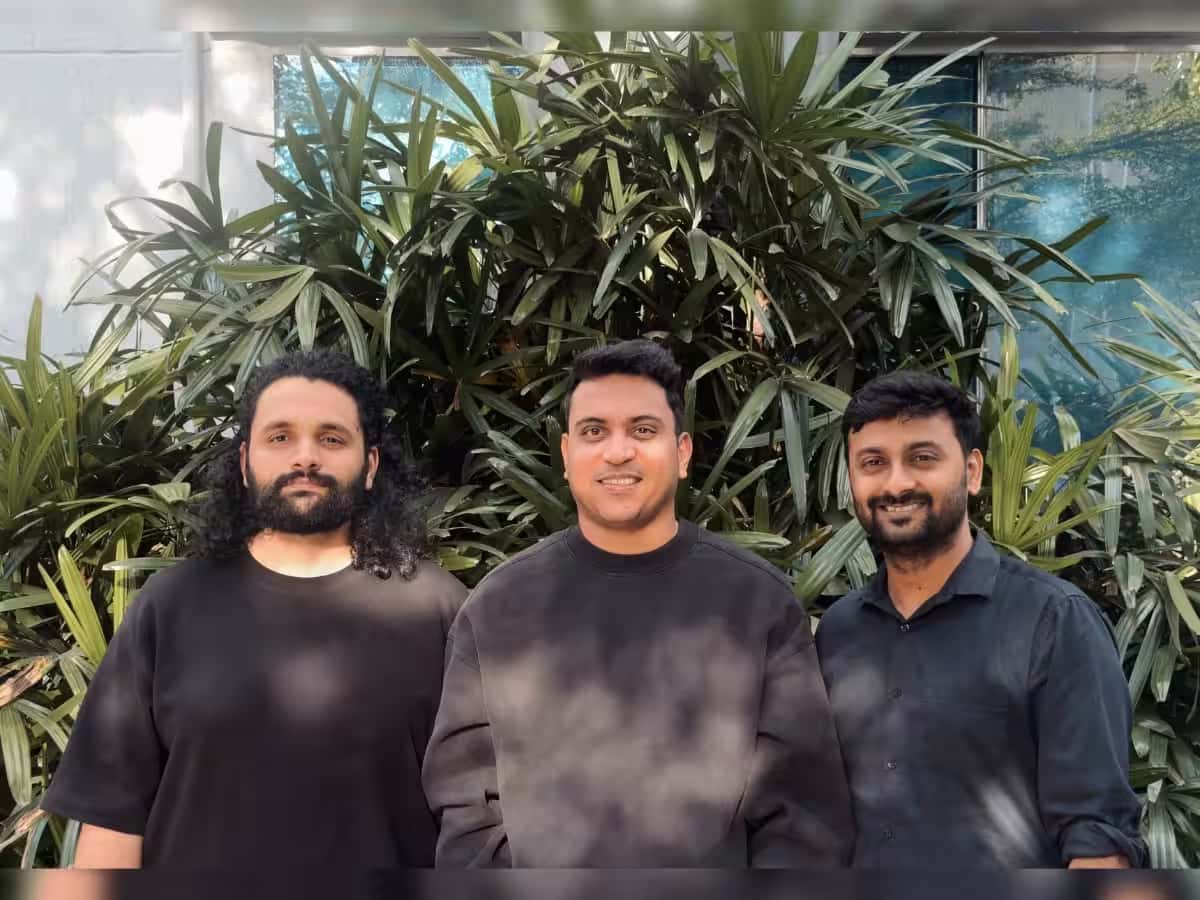
Former Cred executives bring Sol out of stealth with backing from General Catalyst, Nexus and Kunal Shah
Sol, an agentic AI startup founded by former Cred executives Anish Karan, Ranjith Nair, and Prateek Srivastava, raised $4 million from General Catalyst, Nexus Venture Partners, Z47's DeVC, Peercheque, and Cred founder Kunal Shah, according to the company.
Sol is emerging from stealth with an AI assistant that scans Gmail for user commitments and starts work such as research, documents, presentations, and meeting coordination before a user manually prompts it, the company said.
Sol currently has more than 100 users on its pre-launch platform and is offering selective access through a waitlist before a broader rollout in the coming weeks, according to the company.
The startup said it has completed CASA and is SOC 2 Type 1 certified, and Anish Karan said Sol cannot send emails, schedule meetings, or share outputs without explicit user approval.
Sol has raised $4 million as it comes out of stealth to pitch a different kind of AI assistant. The startup, founded by former Cred executives, wants software to notice commitments in email and begin the work before a user types a prompt.
Cred alumni’s Sol raises $4 million to build what it calls “proactive AI,” a product that scans Gmail for commitments, pulls in context, and drafts the work behind those promises.
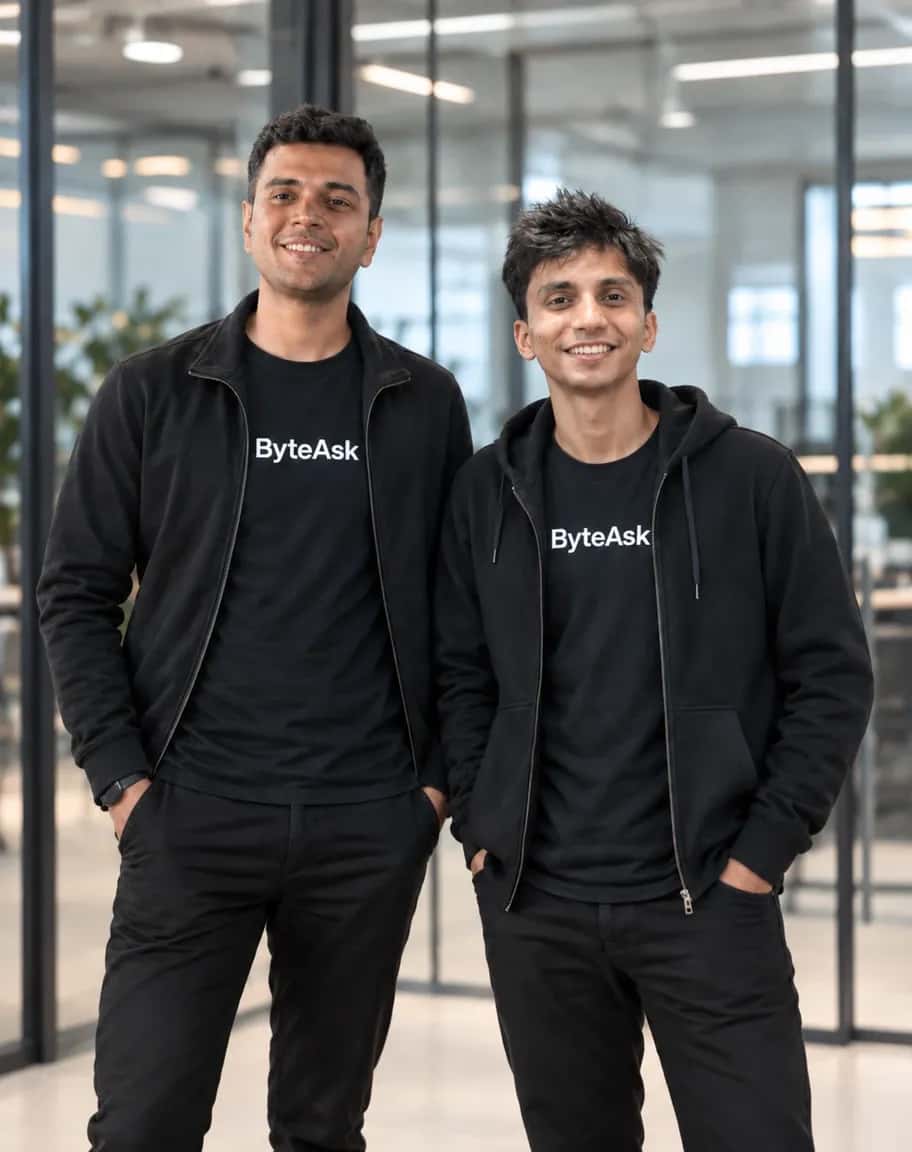
The round includes General Catalyst, Nexus Venture Partners, Z47's DeVC, Peercheque, and Cred founder Kunal Shah, according to the company. Sol was founded by Anish Karan, Ranjith Nair, and Prateek Srivastava, all former Cred executives, and is only now emerging publicly after building in stealth.
Its product thesis is straightforward, even if the execution is not. Instead of waiting for a user to open an AI assistant and restate what was already written in email, Sol says it can identify a commitment made in Gmail and start the task automatically. Karan said people whose work runs on email often repeat themselves twice, once in email and again in an AI tool, and said that duplication need not persist.
Sol’s focus is the inbox. That puts the company in a high-stakes area for automation, because email still carries customer commitments, internal approvals, recruiting moves, and sales follow-ups.
The startup said its assistant can handle research, create documents and presentations, and coordinate meetings after scanning Gmail and assembling relevant context. A user still has the final approval before anything is sent, scheduled, or shared. For founders, sales leaders, recruiters, and consultants, the value of an assistant rises with autonomy, but so does the risk of mistakes.
Karan said Sol’s initial target users are people with high volumes of commitments where the cost of dropping one is meaningful, including founders, executives and leadership teams, plus workers in sales, recruiting, consulting, and agencies. The company is aiming first at people who rely heavily on calendars and inboxes and already use reminders, prompts, and partly automated workflows.
$4 million
That is the size of Sol’s seed round, according to the company, as it prepares a broader product launch in the coming weeks.
Sol currently has more than 100 users on its pre-launch platform, according to the company, and access is being offered through a waitlist. The company plans a broader opening in the coming weeks. For a startup this early, the user count mainly signals product posture. Sol is trying to tune reliability before opening the gates, which fits a system that touches email and calendars.
Under the hood, the company said it has built a library of more than 100 specialist skills. Those skills can improve based on how users interact with the output, according to the company. Karan also said Sol is model-agnostic and uses different AI models depending on the task.
That approach points to why this category is getting crowded quickly. Karan said the hard part is not simply connecting an AI model to email, but making a system reliable across different contexts and types of work. Many AI assistants can draft a follow-up or summarize a thread. Fewer can understand that a sentence in an email represents a real commitment, gather the right context, produce something useful, and avoid mistakes.
The company said once Sol is connected to Google Workspace, including Gmail, it builds contextual understanding around a user’s role, the people they work with, the companies they deal with, and how they communicate with different people before it starts acting. That is also where privacy and control questions arise quickly.
The background
Sol is trying to enter the market at a moment when “agentic AI” has become a common label for startups that want to move beyond chatbot behavior. But not all agents are solving the same problem. Some are tools for developers. Others are copilots inside work apps. Sol is going after the coordination layer that often still sits in email.
There is also a practical reason the company expects most of its near-term hiring to be in the US. Karan said Sol wants to stay close to customers there. The US remains a key market for productivity software sold into founders, executives, and go-to-market teams.
Security will likely determine whether that happens. Karan said Sol cannot send an email, schedule a meeting, or share an output without explicit user approval, and permissions can be revoked at any point. The company also said it has completed CASA and is SOC 2 Type 1 certified, an audit framework used to assess controls around data security and privacy. It plans to obtain SOC 2 Type 2 certification in the coming months.
Fresh capital will go primarily toward R&D, including AI processing and computing costs, plus hiring and customer work across geographies, Karan said. Some of the money will also support go-to-market efforts and product scaling.
What's next
The next concrete test is the broader product opening the company says will come in the next few weeks. After that, the question is whether Sol can turn a waitlisted pre-launch group of more than 100 users into repeat, trusted usage among US knowledge workers who already have access to large platform tools and standalone AI products. If the product is reliable enough, the inbox could be a useful wedge. If it is not, users may fall back to older reminder-based habits.
Frequently asked questions
What is Sol and why is it in the news?
Sol is an agentic AI startup founded by former Cred executives Anish Karan, Ranjith Nair, and Prateek Srivastava. It is in the news because the company said it raised $4 million and is emerging from stealth with a new AI assistant.
How much funding did Cred alumni’s Sol raise?
Cred alumni’s Sol raises $4 million, according to the company. The round includes backing from General Catalyst, Nexus Venture Partners, Z47’s DeVC, Peercheque, and Cred founder Kunal Shah.
Who invested in Sol’s $4 million funding round?
The investors named in Sol’s funding round are General Catalyst, Nexus Venture Partners, Z47’s DeVC, Peercheque, and Kunal Shah. That mix gives the startup support from both institutional venture firms and a prominent fintech founder.
What does Sol’s AI assistant do?
Sol says its AI assistant scans Gmail for user commitments and begins work on related tasks. Those tasks can include research, preparing documents, and creating presentations, which positions it as a productivity-focused agentic AI tool.
Who founded Sol after leaving Cred?
Sol was founded by Anish Karan, Ranjith Nair, and Prateek Srivastava, all former Cred executives. Their Cred background is a key reason the startup is drawing attention from investors and the tech ecosystem.
Why does this funding matter for the AI startup market?
The round shows continued investor interest in agentic AI products that move beyond chat and actually complete work. It also highlights a growing focus on workplace assistants that can turn email signals into research, documents, and presentations.