
The secret to Mamoru Hosoda’s anime has always been understanding what we’re afraid to lose
20 years later, anime's greatest coming-of-age story still feels timeless

What would you do if you could control time? Makoto Konno uses her newfound ability to redo awkward conversations, avoid embarrassing mistakes, and squeeze a little more fun out of her carefree summer days. But beneath the time-travel gimmick lies that one desperate wish we’ve all held, the one where we want nothing more than to hold onto one glorious moment before everything inevitably changes.
On the surface, The Girl Who Leapt Through Time is a simple coming-of-age story about a high school girl who discovers she can travel through time. But two decades on, this 2006 anime movie still feels impossible to separate from the filmmaker its director, Mamoru Hosoda, would eventually become.
Adapted from Yasutaka Tsutsui’s 1967 novel, The Girl Who Leapt Through Time could have easily been a silly science fiction adventure, but Hosoda doesn’t like simple. By 2006, he was already an accomplished animator and director, having made the hugely influential Digimon Adventure: Our War Game! and briefly been attached to direct Studio Ghibli’s Howl’s Moving Castle before Hayao Miyazaki took over. But The Girl Who Leapt Through Time was the project where Hosoda’s own sensibilities fully emerged. In it, he uses time travel as a metaphor for personal and elegant observations of life’s most fleeting moments.
Hosoda has always understood that fantasy works best when it’s rooted in recognizable human emotions. The extraordinary elements in his films serve as tools to explore everyday, often mundane experiences. Summer Wars (2009) may revolve around a massive virtual world, but at its heart, there’s a story about family and connection. Wolf Children (2012) uses its supernatural premise to explore the joys and struggles of parenthood. Mirai (2018) turns time travel into a story about childhood insecurity and understanding where we come from. Even Belle (2021) uses a digital fantasy world to examine grief, loneliness, and the need to be seen.

Those ideas all begin to take shape in The Girl Who Leapt Through Time. Makoto isn’t trying to change the past; she’s attempting to avoid a future she isn't ready to face. Every leap gives her another chance to delay difficult conversations and preserve the comfortable world she knows, but the film slowly reveals that growing up means accepting some things can't last forever.
It’s a surprisingly mature idea for a movie that begins with such a playful premise. The time travel is fun, but the emotional weight comes from watching Makoto realize that the moments she wants to freeze are meaningful precisely because they are temporary. Early on, her leaps are mostly selfish in harmless ways. She uses them to ace tests, avoid embarrassing situations, and even undo the awkward moment when her friend, Chiaki Mamiya, confesses his feelings for her. But every time she rewrites an uncomfortable moment, she also erases the possibility of something new.

The film’s turning point comes when Makoto realizes she can’t use time travel to prevent herself from growing up. Her attempts to preserve this particular moment in time only create more distance between herself and the people she cares about, especially Chiaki. The final stretch of the movie hits hard because Makoto is forced to confront the fact that, even for time travelers, some moments can be lost forever.
Hosoda knows just how to make the film’s quieter moments feel memorable. The sun-soaked afternoons, empty classrooms, casual bike rides home, and aimless days spent with friends capture a specific vision of adolescence that feels both universal and increasingly fleeting. There are no worlds to save and no villains to defeat. The stakes are far smaller, and because of that, they feel far more personal.
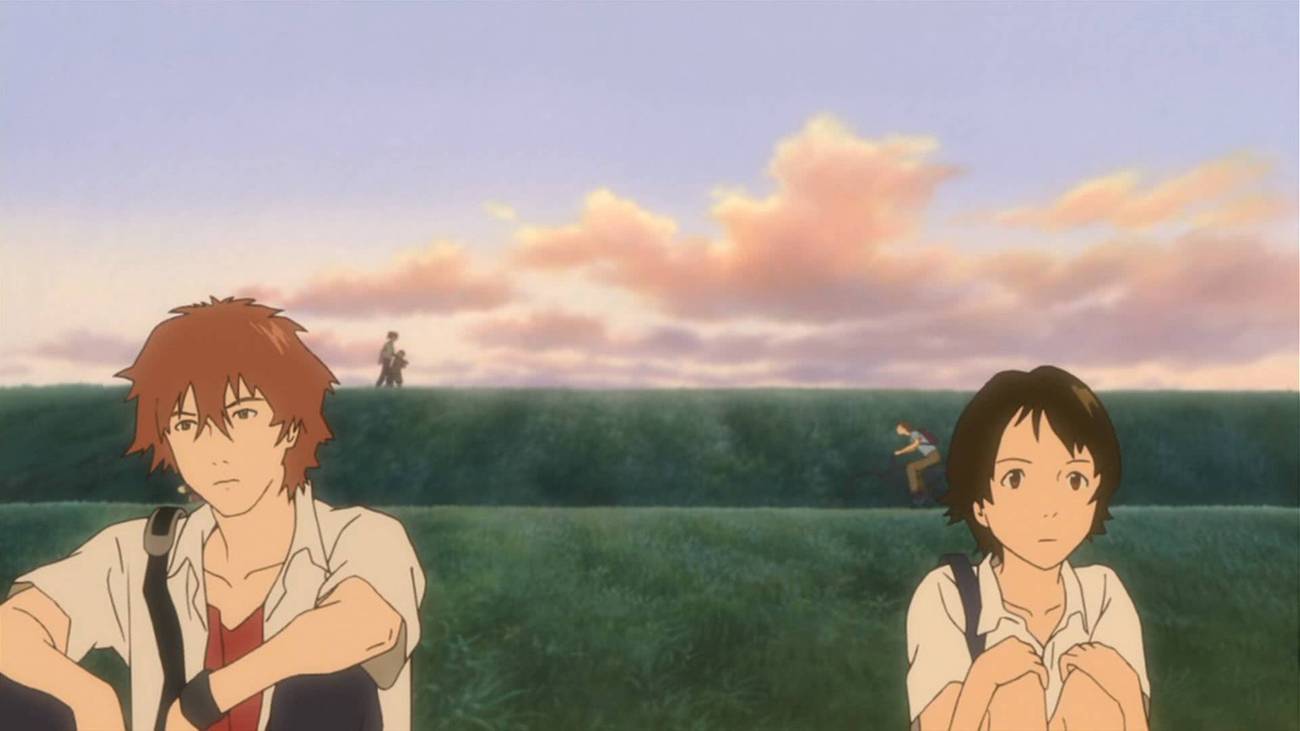
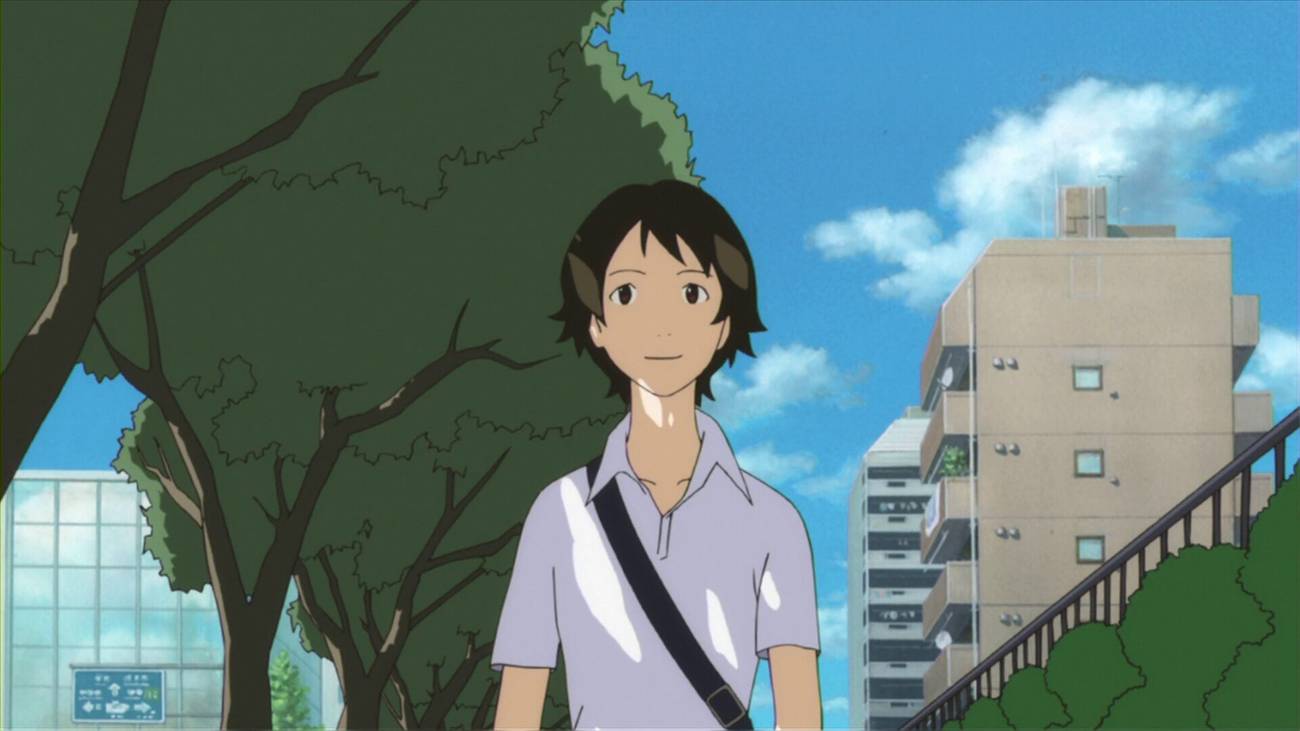
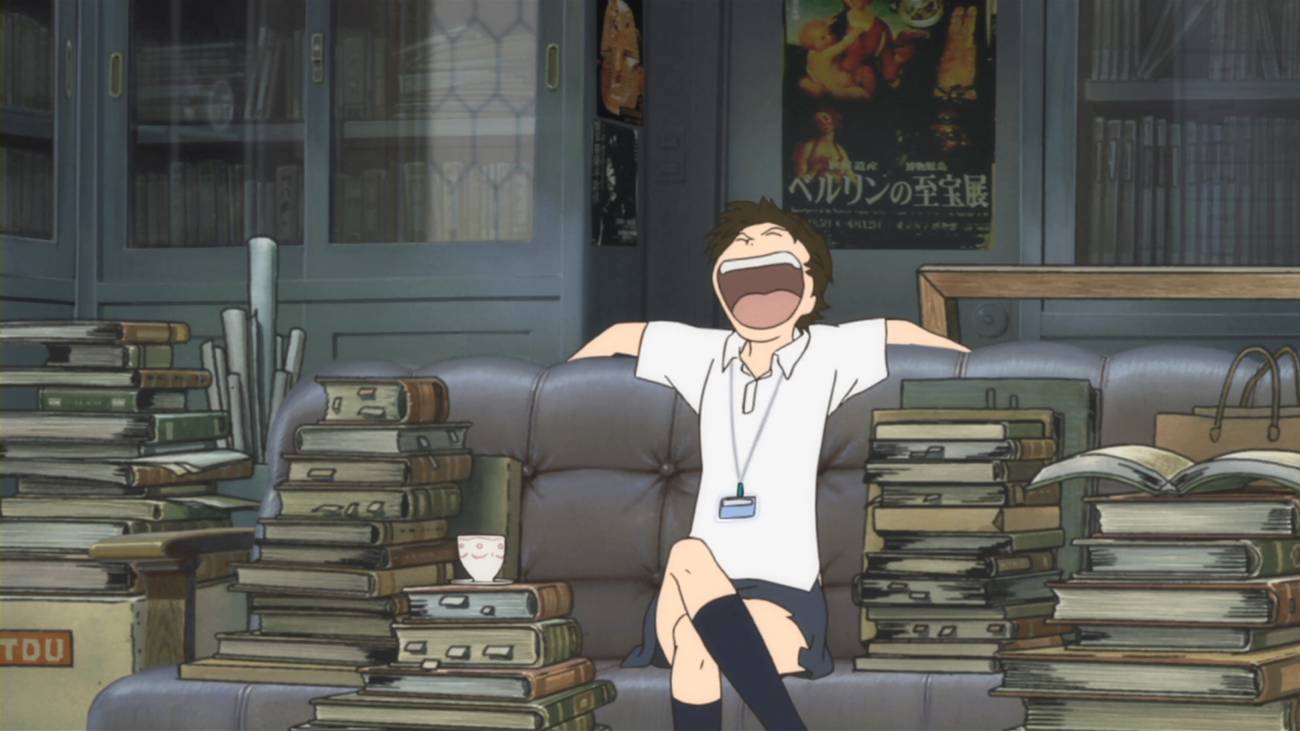
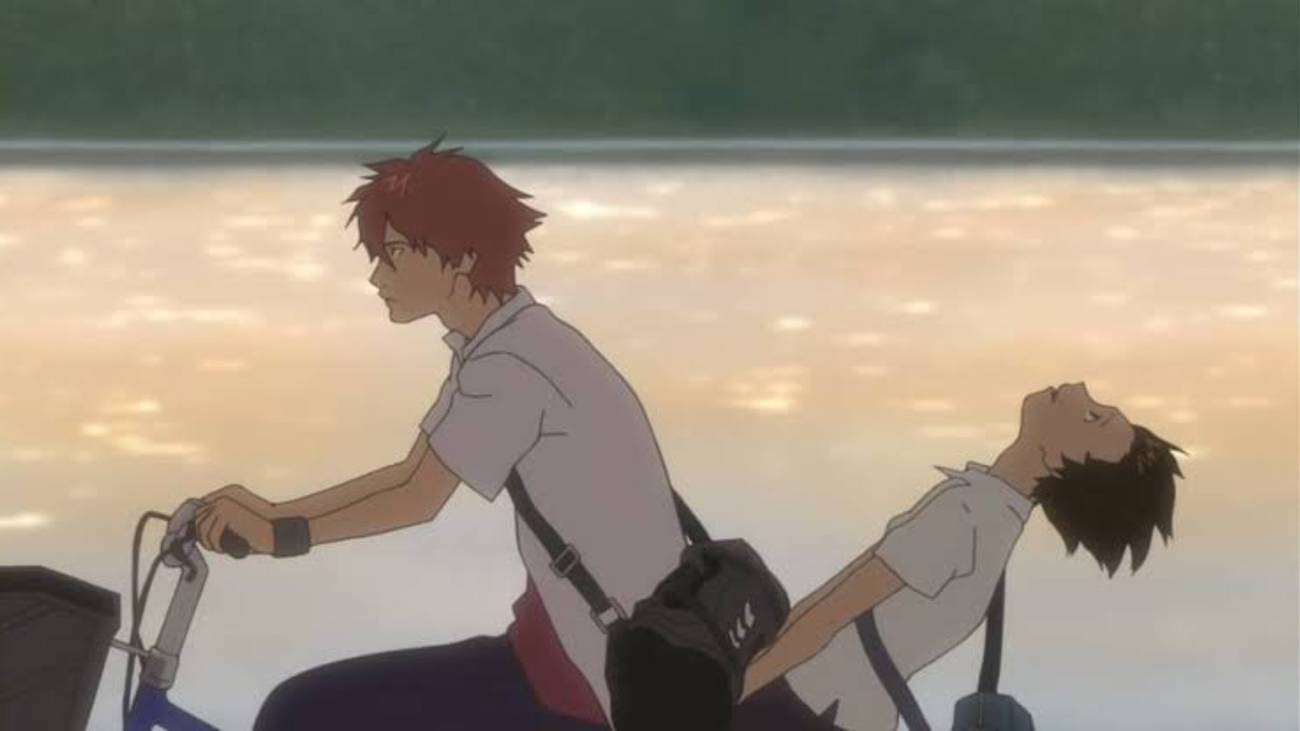
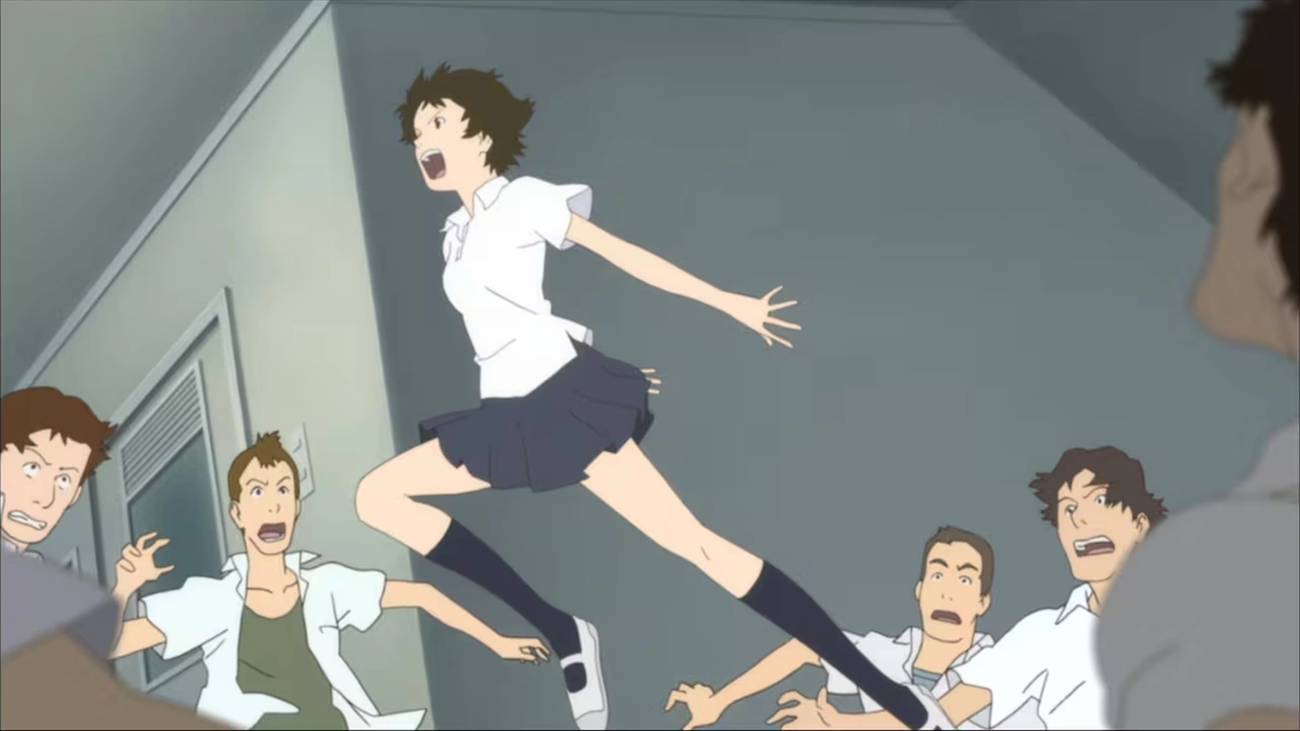


 Image: Kadokawa Herald Pictures
 Image: GKIDS
 Image: GKIDS
 Image: GKIDS
 Image: GKIDS
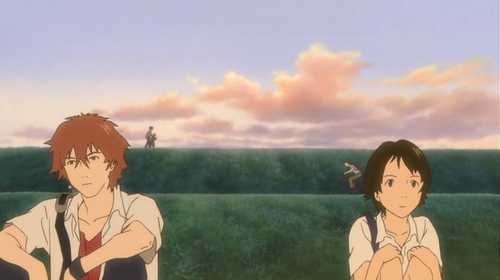
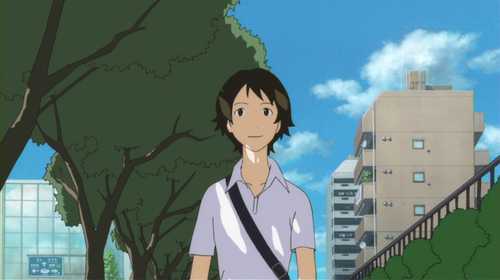
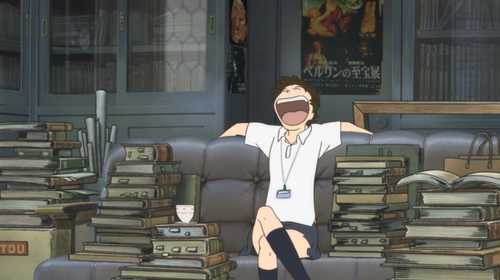

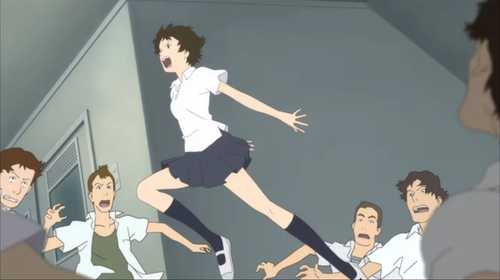
At its core, The Girl Who Leapt Through Time exemplifies that strange feeling of looking back on a time in your life and wishing you could return — not because things were perfect, but because you didn't realize how special they were until they were gone. Hosoda puts forward the impossible question that would echo throughout much of his later work: how do we move forward when part of us wishes we could stay exactly where we are?
The irony is that a movie about trying to stop time has only grown more powerful as time passes. Every revisit feels like returning to a memory. Like Makoto herself, viewers are reminded that the moments we long to return to are often special because they were fleeting in the first place. 20 years later, The Girl Who Leapt Through Time remains a beautiful reminder that growing up means letting go, even when part of us wishes we could stay exactly where we were.
The Girl Who Leapt Through Time is available to stream on HBO Max
Source link