Castlevania Belmont’s Curse is a Metroidvania with a capital Vania 'V'. It’s the first proper Castlevania game in 12 years, and a proud 2D action graduate of the Symphony of the Night school of design – not only one of the best Metroidvania games, but the one that set the blueprint for hundreds of replicas, establishing the genre.
Thousands of Metroidvania have followed in Symphony of the Night's wake, with a surge in indie popularity following 2014's Castlevania Lords of Shadow 2 – the most recent game in the series. So, how do you bring the originator back into a space that’s now overcrowded with imitators?
Whipped into shape
Developer: Evil Empire, Konami
Publisher: Konami
Platform(s): PC, PS5, Xbox Series X, Nintendo Switch 2
Release date: October 15, 2026
This question stays at the forefront of my mind for approximately 10 seconds as I settle in to play the first 3 hours of Castlevania: Belmont’s Curse. But any thoughts about the weight of the franchise's genre-defining legacy quickly fade, replaced by one singular obsession: the Vampire Killer whip. When will I get the whip? Where do I get the whip? Will the whip feel as good as it looks?
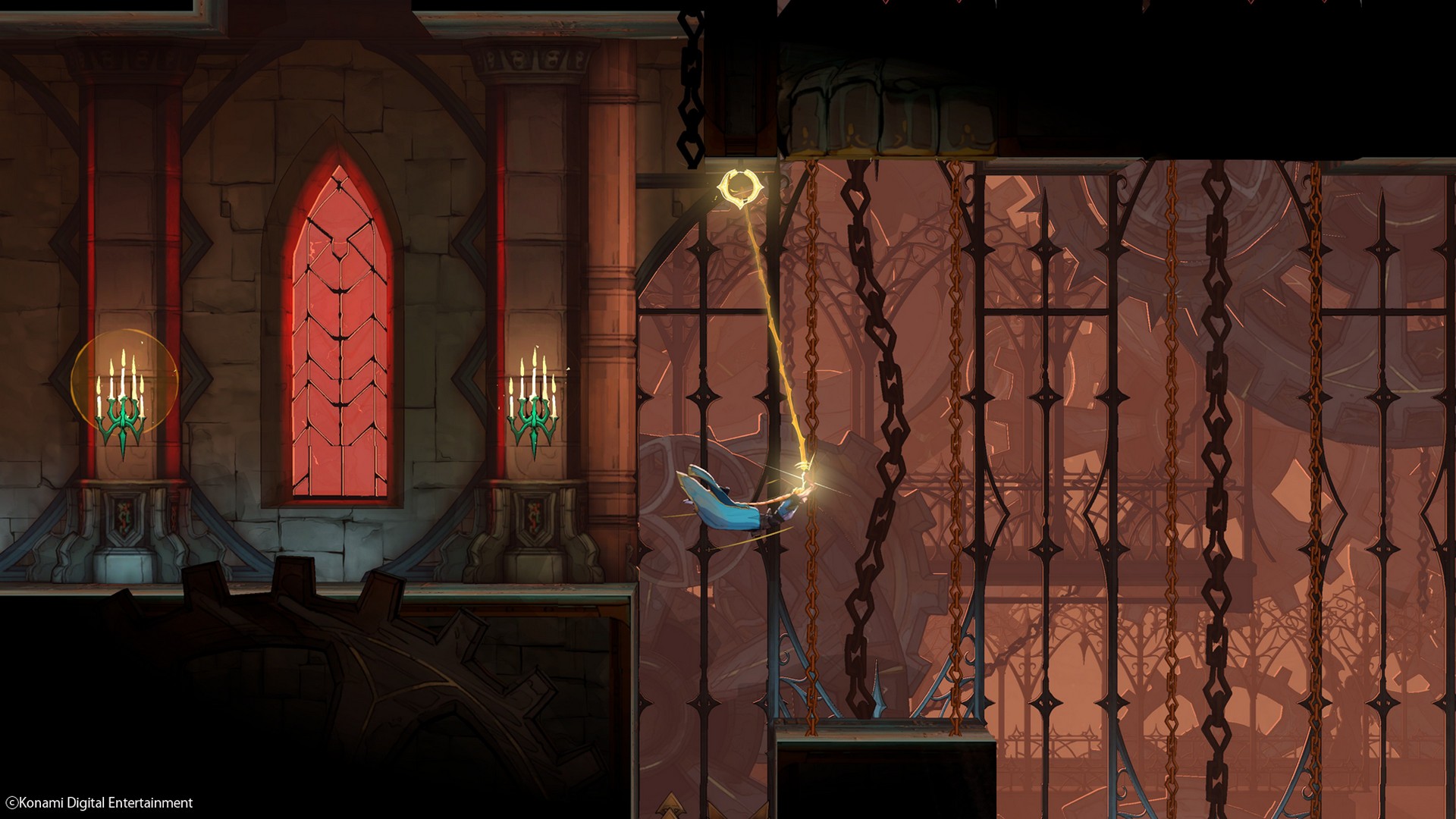
Every second I spend without the whip is agony. Hooks dangle tantalizingly from the ceilings, begging to be traversed, but remain out of reach to my bare beginner hands.
I find myself galvanized, utterly fixated on claiming this weapon, a wry smile creeping across my face as the obsession takes hold. You see – this feeling, that gnawing sense of desire, is quintessential Castlevania.
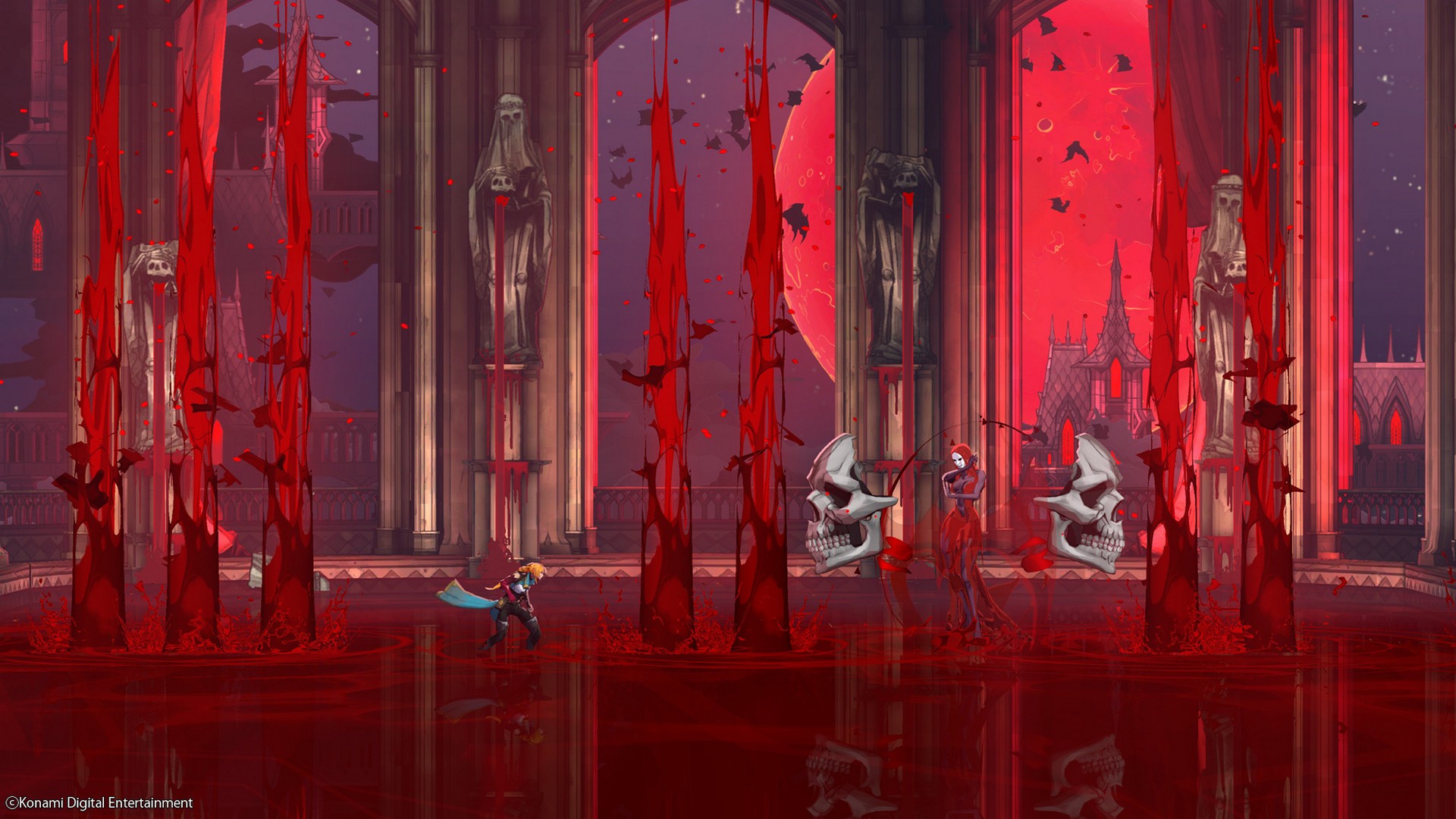
Few series understand the power of longing quite like Castlevania. Whether it's a weapon, a spell, a trapped item, an inaccessible path, or simply the relief of the next save point, these dense, Gothic labyrinths have a particular talent for making the player truly, deeply want things. And I want that whip.
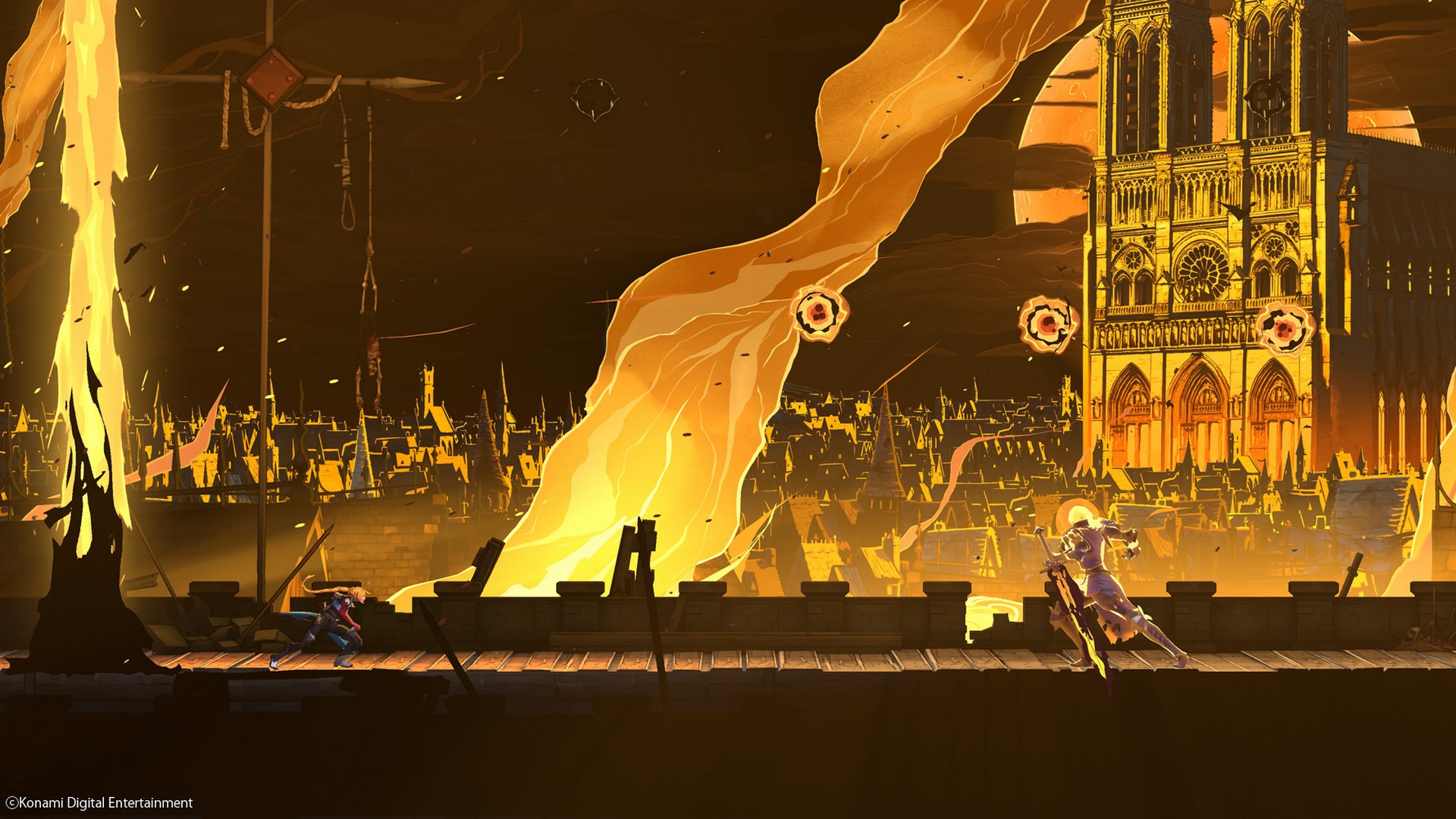
As Rose Belmont, the daughter of Trevor Belmont and magician Sypha Belnades, I storm, whip-less, through the blood-soaked streets of Paris until I meet the first proper boss in the game: The Fallen. He throws a large Holy Cross my way, it spins and ricochets against the walls, and every fiber in my being tells me to jump. But, then what? In a thoughtless moment of frustration on my fifth attempt, I slice the Holy Cross. A cocktail of surprise and satisfaction ripples through my mind, because in true Castlevania fashion: the less likely option has been rewarded.
Cleaved by his own cross, The Fallen is now down to his second phase, gripping me within his far-reaching whip, or using it to swing between walls. It’s difficult to get close enough to land a hit on him in this phase, and the fight is admittedly very challenging for a first boss.
Few series understand the power of longing quite like Castlevania.
But alas, the greater the trial, the finer the weapon earned. It would be an insult for the Vampire Killer whip to be wielded by an enemy less fierce.
As with all truly great bosses, I breathe a sigh of both relief and dismay upon defeating them. Glad that the stress of his second phase is over, but sad that I’m no longer fully absorbed in the all-consuming tension and rhythm of the fight.
But most importantly, I finally get my hands on the Vampire Whip. And it absolutely rules. There are few moments in life where the catch lives up to the chase, but this weapon is one of them. It’s a sheer joy to use from the moment it’s equipped.
I traverse new aerial routes via the hooks, swinging upwards through the vertical climbs with fluid motion. I whip onto enemies, using their positioning to access unreachable areas. This is a weapon that works in harmony with an inquisitive mind – experiment with it and you’ll be amazed at what it can do.
When in Paris
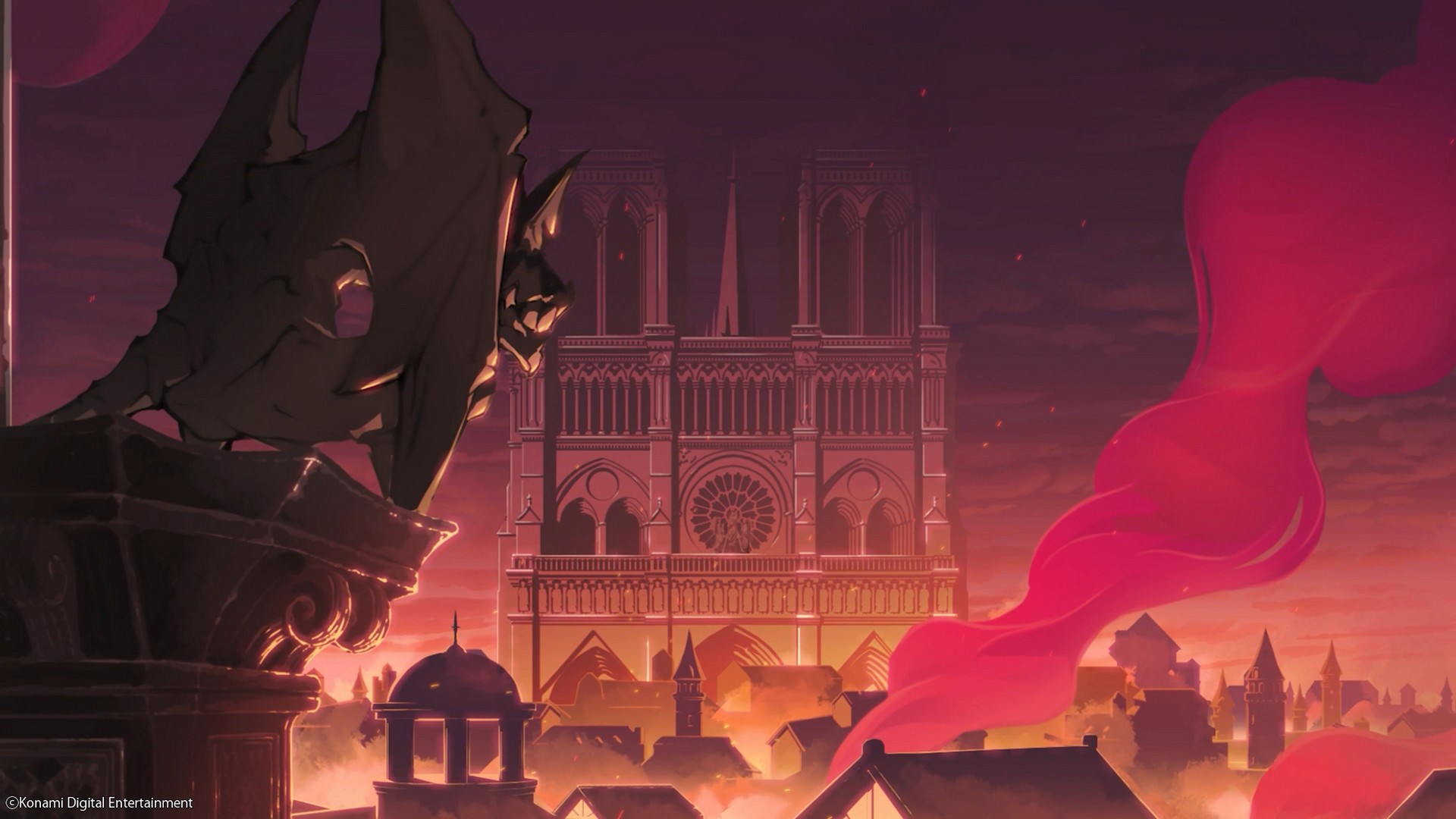
Wayfinding is intuitive in Belmont’s Curse, with exploration rewarded as the vast city of Paris gradually opens up around you in a non-linear map. With a setting as cool as 15th-century Paris, Konami would have been fools to confine the game to a single castle. Instead, there are beautiful gothic streets and catacombs to roam, alongside burning, imposing buildings to climb.
The city's architecture, with its lofty, monumental landmarks, complements the verticality of the game beautifully. Long stretches of vertical traversal feel exploratory rather than repetitive, as sweeping rooftop views of Paris unfurl around you.
Boasting a striking 2.5D art style, Belmont’s Curse is a feast for the eyes. But it doesn’t really look like a Castlevania game. Its solid slabs of colour and cartoony animations lack the rich, gothic detail I associate with the series. From an aesthetic standpoint the game has far more in common with Dead Cells.
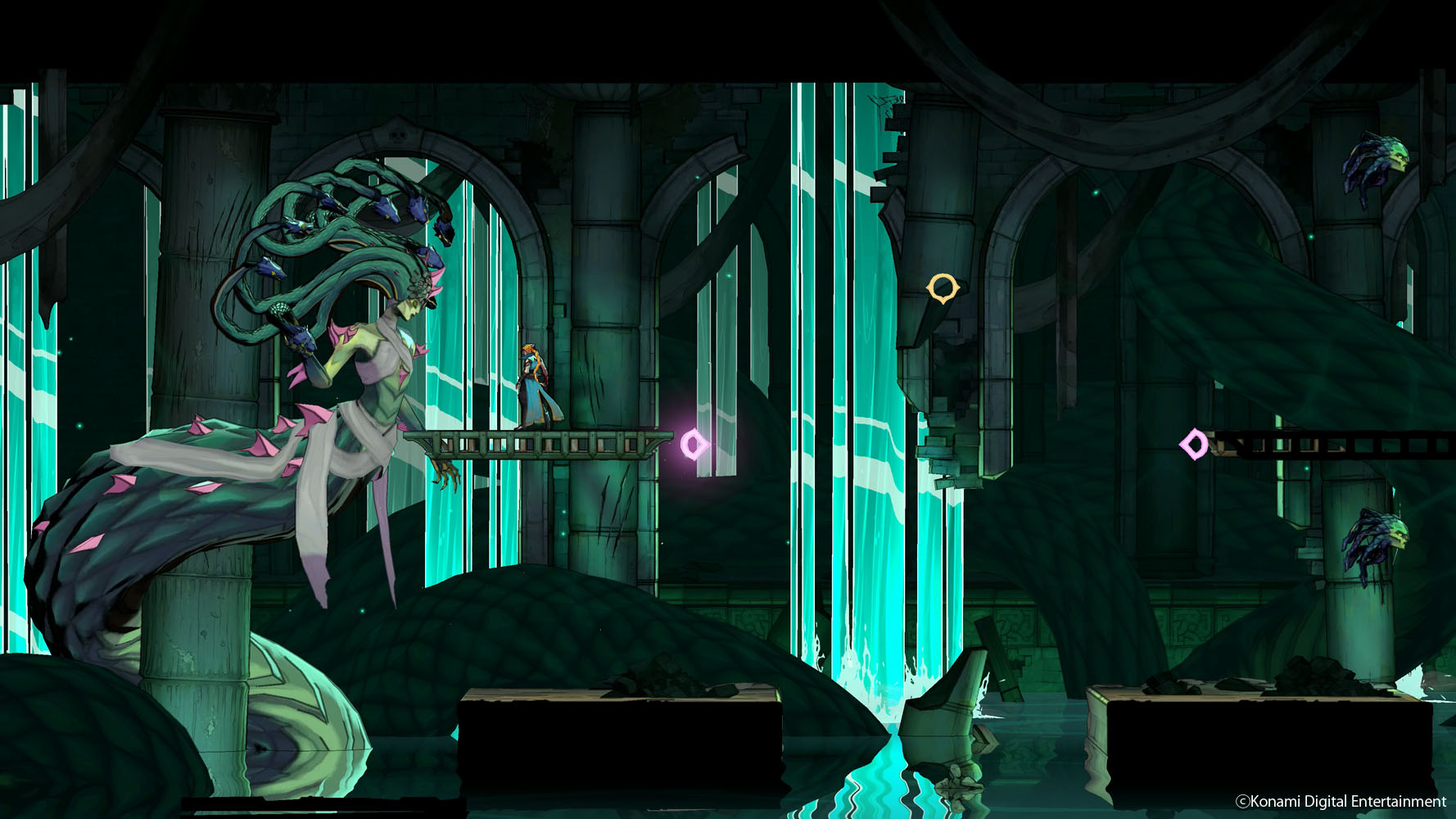
I was wondering which aspects of developer Evil Empire would shine through in Belmont’s Curse, and turns out: it’s not the roguelike gameplay, it’s the art style. Belmont's Curse may wear the stylish clothes of Dead Cells and The Rogue Prince of Persia, but it doesn't play the same way at all. The shared ground between these Evil Empire games is predominantly the visuals.
I appreciate that Konami and Evil Empire are willing to push Castlevania forward with a fresh feeling character.
While the bolder look is a swerve of direction that will take some adjusting for longstanding Castlevania fans like myself, it is fitting for a game series that recently had a huge hit animated show on Netflix. The game and TV series clearly share a visual identity, which makes sense considering that Belmont’s Curse will be many fans’ first Castlevania game after binging the likes of Castlevania: Nocture.
Growing up loving a game series the way I love Castlevania, it’s hard not to get bogged down in nostalgia. My eyebrows shot up with skepticism when I began moving around as Rose Belmont. She feels so different. Easily the most agile protagonist the series has ever seen. But, stepping away from the blueprint doesn’t mean losing what made the series great. In fact, I appreciate that Konami and Evil Empire are willing to push Castlevania forward with a fresh feeling character rather than opting for the more rigid, familiar style of movement.
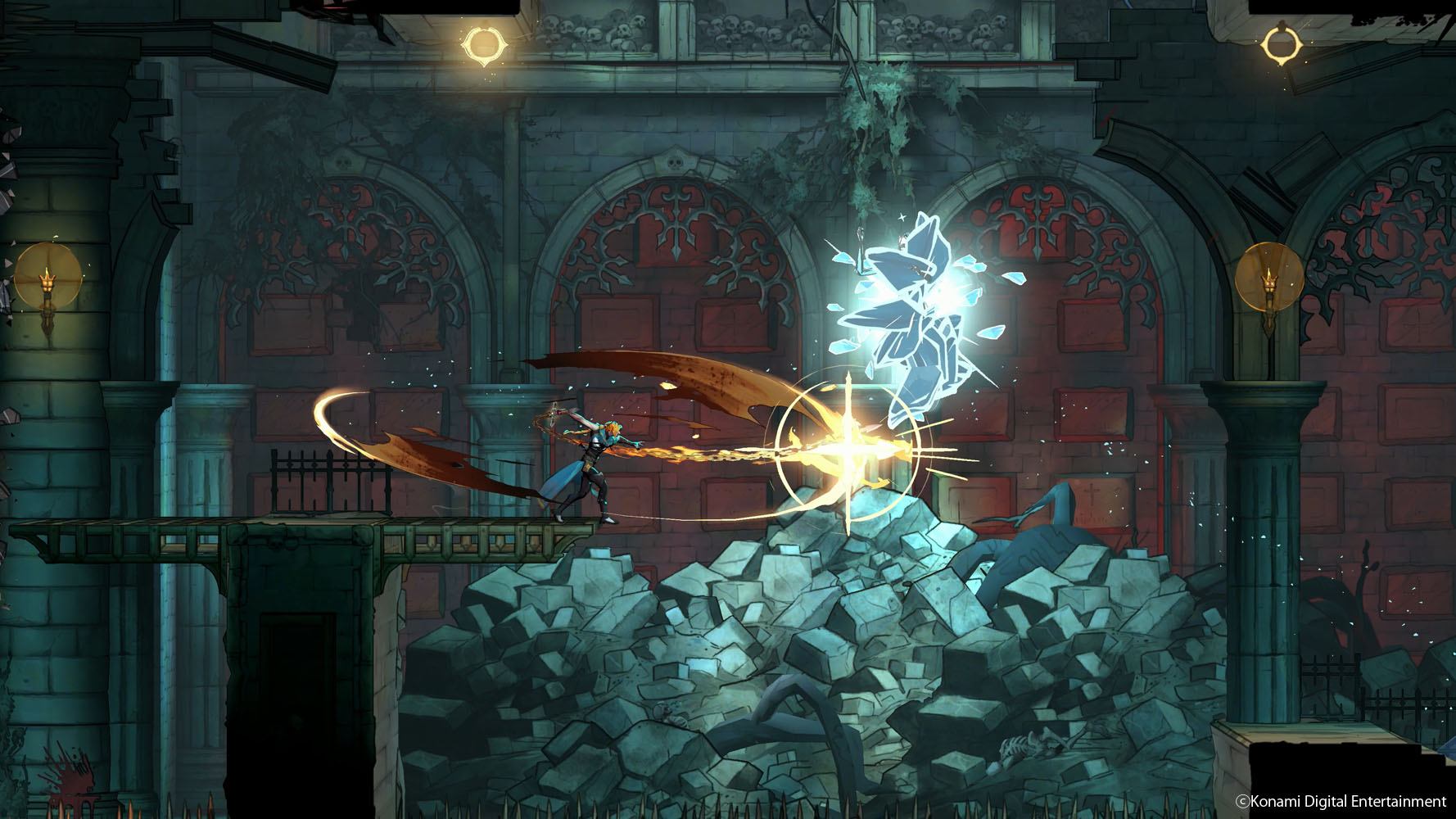
Rose is an absolute joy to control, with a nimble moveset that lets her slide behind enemies, vault through the environment, and wall-jump her way across the streets of Paris. Alongside her trusty whip, Rose wields the Arcana System, a magical toolkit powered by enchanted tarot cards gifted to her by her late mother, Sypha Belnades.
Defeating powerful foes allows Rose to seal their essence into these cards, transforming them into Arcana that grant new abilities. These powers can range from devastating, screen-clearing spells to subtle enhancements that completely reshape how she approaches combat and exploration, making every new card feel like a meaningful expansion of her arsenal. Belmont’s Curse carries all the grace and elegance of the Castlevania series in an excitingly different way. Yes, it’s back to a 2D action adventure world, but it’s back to anything but basics.
It’s a tricky tightrope to walk: keeping old Castlevania game fans happy whilst simultaneously pleasing a new, modern audience derived from Netflix. There are plenty of nods to both to appease fans. But, the core of Castlevania is preserved here, with its beloved SotN-style gameplay of tight combat, intriguing exploration, and arcane spells. And I’m thankful for that: I’d much rather Belmont’s Curse play like a Castlevania game than just look like one.
Want to hop in? Check out our where to start with Castelvania tips!
Source link