Hot Wheels Infinite Rush Hands-On Preview: Speed Freaks Welcome


While he believes all gaming genres and categories have worth, Nick's interests lie primarily in the realm of single-player experiences, with hand-crafted stories, tight and challenging gameplay, and emotive, unique visual and audio design. On the industry side of things, he is committed to supporting creators, identifying and criticizing exploitation, and combating negativity and toxicity.
Aside from gaming, he enjoys long-distance running, reading, contributing to his blog, working on his Honda CX650C, writing fiction, and having a beer or two.
As a video game reviewer, I’m always looking for subtleties in the games I play. Small mechanical quirks, seemingly insignificant gameplay decisions that quietly change the experience, environmental storytelling, those sorts of things. In the case of Hot Wheels Infinite Rush, such nuance is kind of hard to spot, but that’s precisely why it’s so fun to play.
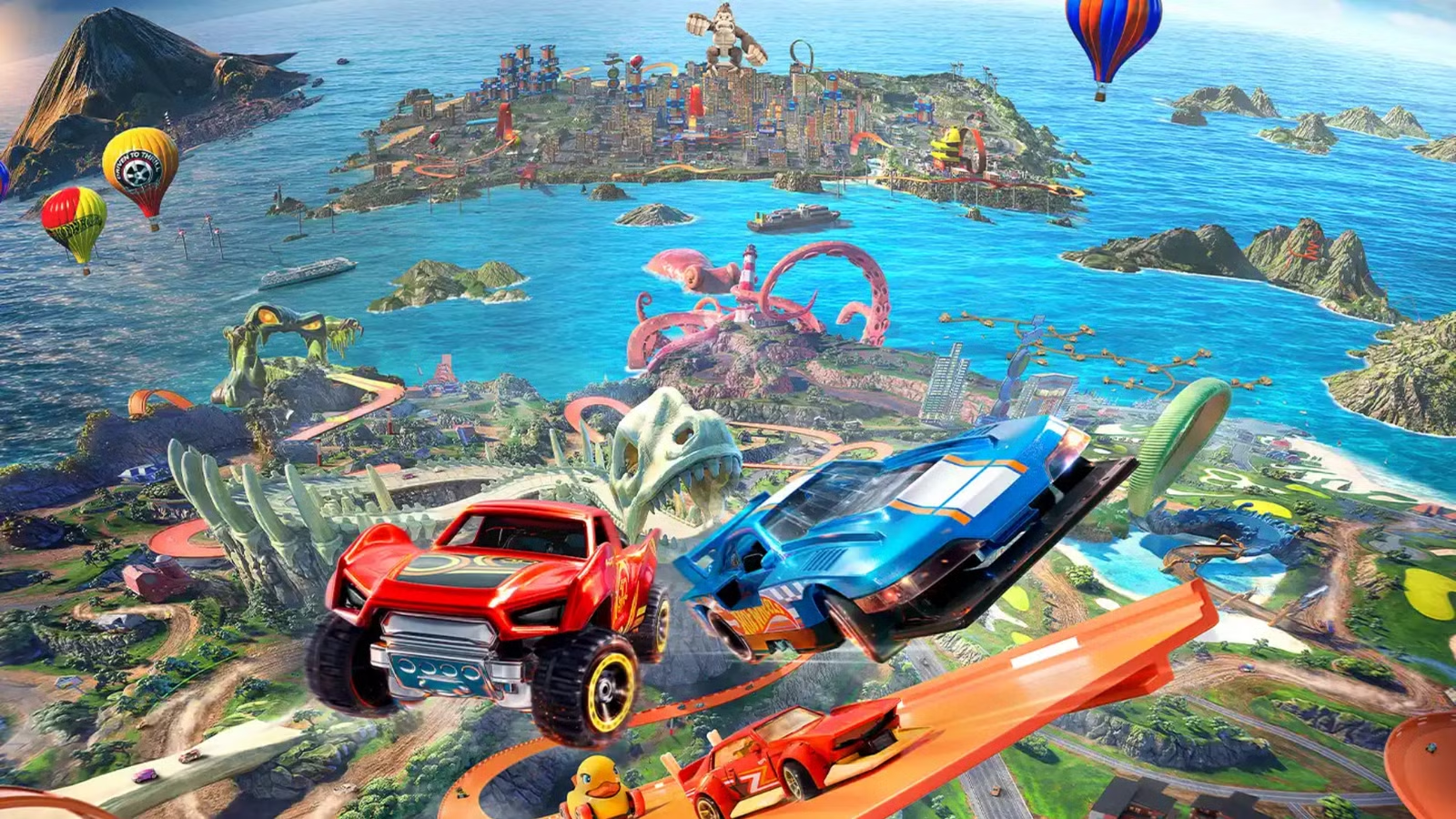
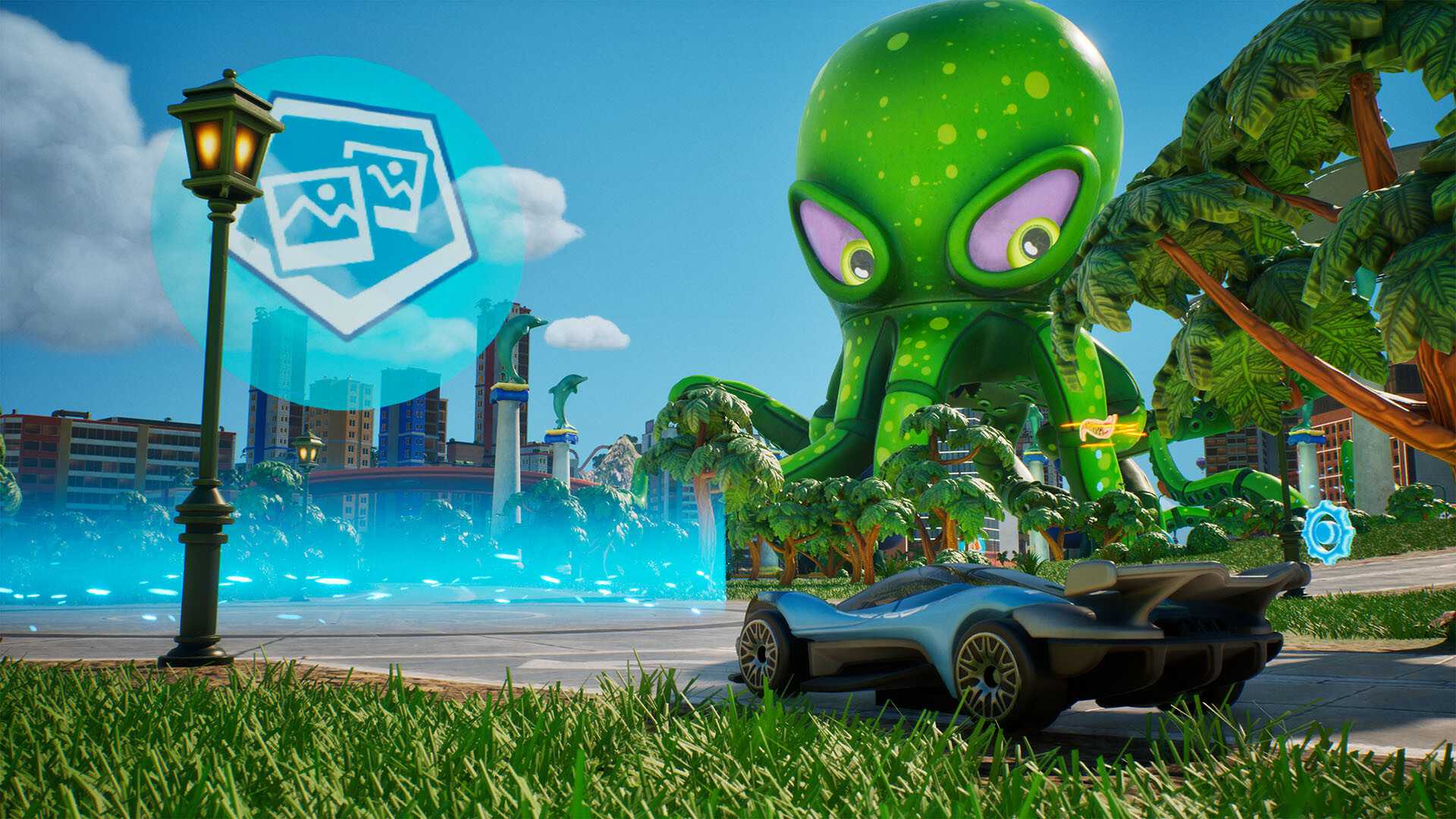
I spent a few hours in Hot Wheels Infinite Rush over the course of the past week, exploring two of its four open-world maps: Wheelswood, a Hollywood-inspired metropolis, and Tentacle Bay, a jungle-like city reclaimed by nature. Within these hubs are various activities, including standard races, time trials, and destruction derbies. It seems to follow the Forza Horizon school of open-world driving design.
But while games like Forza Horizon 6 put a premium on relatively realistic, weighty gamefeel, Hot Wheels Infinite Rush embraces its roots by being delightfully weightless and chaotic. Driving through the game’s environments, I was often struck by an awful sense of nostalgia, as Infinite Rush is able to expertly recreate the feeling of playing with Hot Wheels as a kid. It accomplishes this through its world—which is dense and unrealistic enough to feel like an extreme version of a kid’s toy-covered bedroom floor—but also through its unrestrained, chaotic racing gameplay.
Hot Wheels Infinite Rush Is a Speed Demon’s Dream Come True


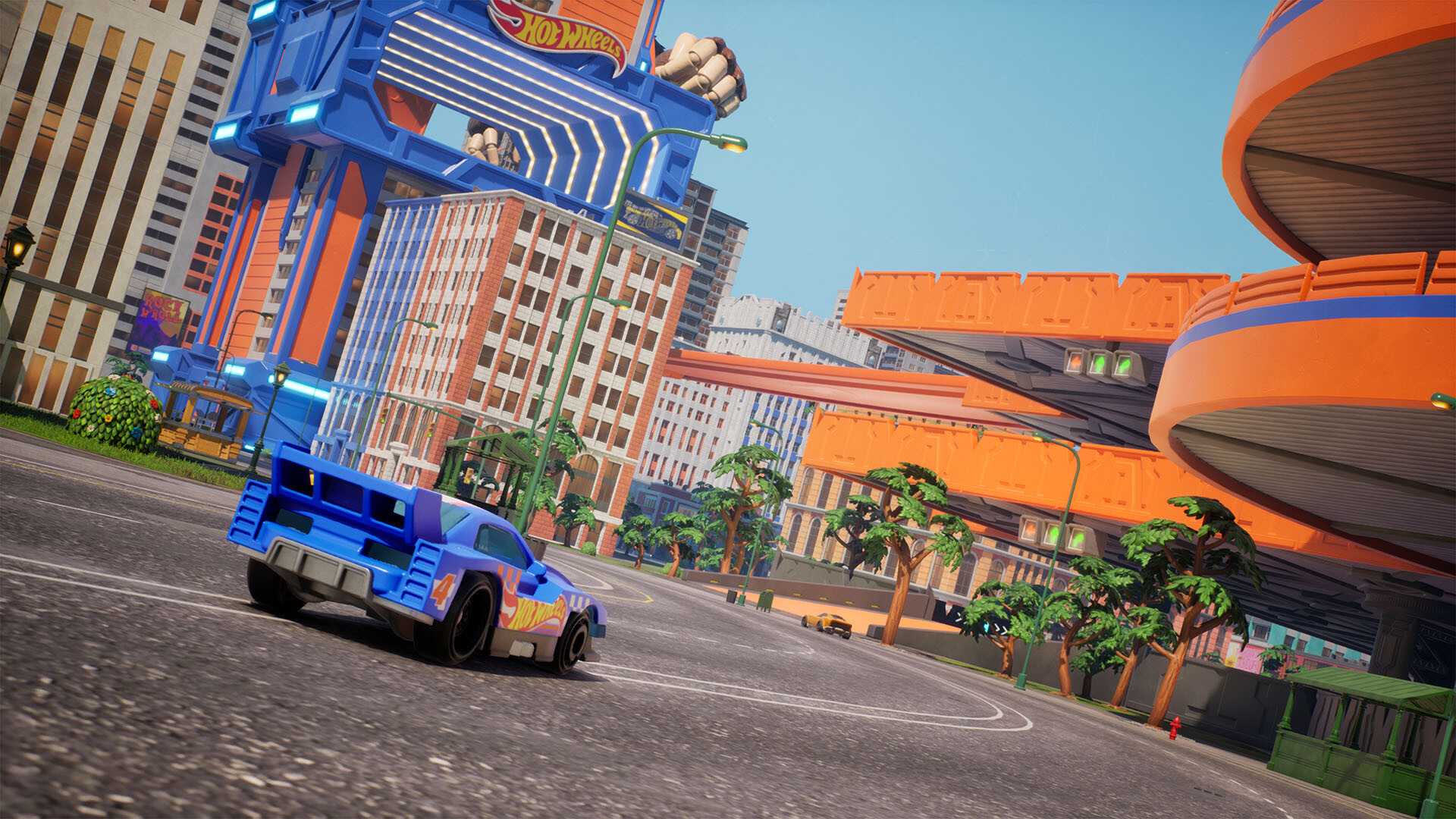
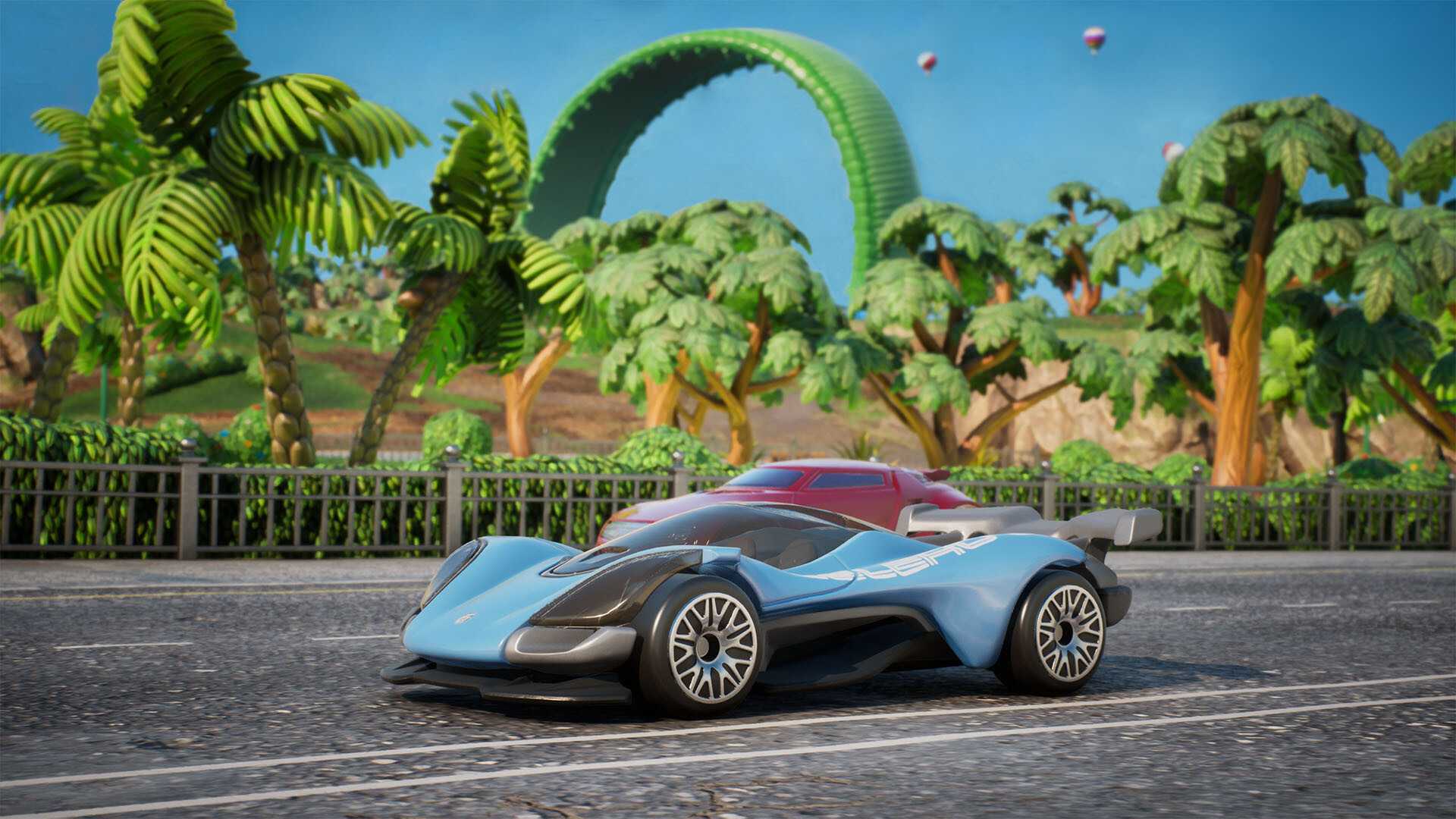
You can never really be slow in Infinite Rush; you either move fast or super-fast. Vehicles accelerate to top speed in the blink of an eye, friction is basically nonexistent, and real-world considerations like damage and inertia are thrown out the window. Every Hot Wheels car in Infinite Rush has a nitrous-like Boost meter that can be activated for even greater speed, and is refilled by driving at top speed and drifting. These meters fill very quickly, to the point where Boosting basically serves as a second form of regular acceleration, since pedal-to-the-metal quickly becomes the norm—that’s how central speed is to Hot Wheels Infinite Rush.
It’s not just raw speed that makes the game tick. Because Infinite Rush jumps rope with real-world car physics, seemingly pedestrian maneuvers adopt a new sort of intensity and satisfaction. You can take on hairpin turns without decelerating, for example, and even drifting around corners won’t incur the same loss of speed as in other racing games. Depending on the track, you can also find yourself driving upside down for extended periods of time, which is presented with surprising panache and visual splendor. If you’ve ever seen real-world Hot Wheels speeding through one of those iconic orange tracks, seemingly defying the laws of physics, you can probably imagine what it’s like to play Infinite Rush. The game makes it feel like you’re controlling a toy car in a toy world, which is good.
Infinite Rush doesn’t seem to reinvent the wheel with its activities, but each activity still feels relatively fresh thanks to the game’s commitment to speed, intensity, and chaos. Take my personal favorite game mode, Elimination. This is a fairly standard event type in racing games, revolving around staying in a leading position for the longest time possible, with racers near the bottom being eliminated from the match every 30 seconds or so. This can be a fun and tense mode in other games, but Infinite Rush cranks it up by being exceptionally frenetic and unpredictable. It can be both more punishing and more forgiving, flinging you off a 100-foot track one moment only to let you burst through a concrete wall the next. This allows for crazy upsets, comebacks, and experimentation in just about any match, but especially in a high-stakes mode like Elimination.
The game makes it feel like you’re controlling a toy car in a toy world, which is good.
Hot Wheels Infinite Rush Still Has a Lot to Unveil


 Image via Milestone
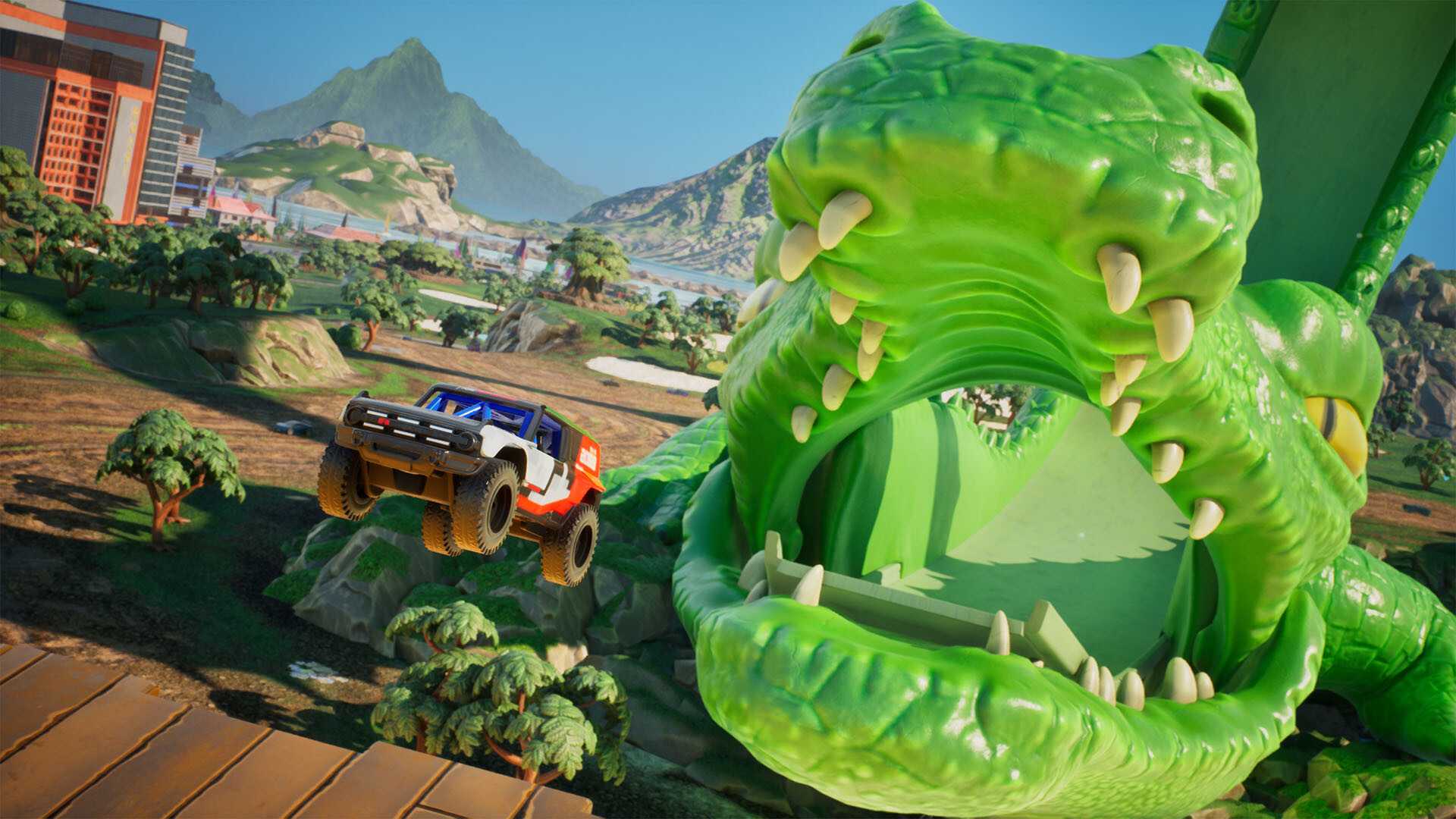 Image via Milestone
 Image via Milestone
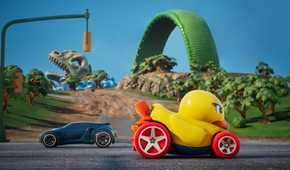
As previously mentioned, I had access to two open-world zones in my preview build, and while they certainly have charm, I feel that they pale a bit next to the game’s core racing gameplay. It reminds me quite a bit of Mario Kart World, actually: Infinite Rush has great arcade driving mechanics and fun course design, so why would I stray from that for the sake of a few collectibles or bite-sized mini-games? Granted, developer Milestone S.r.l. was explicit in telling us that this preview build represents a work-in-progress, so it’s entirely possible that I didn’t get a good picture of the depth of the game’s open-world, as it will appear in the final product.
It’s also highly likely that Infinite Rush’s open-world will be buttressed by its progression systems, which I didn’t fully experience. The build I previewed had all 150+ Hot Wheels cars unlocked, whereas the actual game is meant to center on collecting them, which will involve at least one kind of open-world activity called Daredevil Races, which sees you racing a car in the wild in order to unlock it. The game will feature several beautifully rendered, unmistakably “Hot Wheels” designs, in addition to toy recreations of real cars from brands like Ford and Audi, so I can certainly imagine how this collection process could be satisfying. I’m actually a bit sad that I didn’t get to experience it myself.
Again, I must stress that the version of Hot Wheels Infinite Rush that I played represents a work in progress, so there’s even more that I missed out on. For instance, the final game will include Rush Masters, which are large-scale boss battles in each region. I got to see these bosses idling in the two cities I visited, but was unable to actually “fight” them. Staple features like this and the car-collecting process could considerably influence a player’s perception of Infinite Rush, so they’re worth keeping in mind.
Hot Wheels Infinite Rush will retail for $50, joining the likes of Clair Obscur: Expedition 33 and the upcoming Silent Hill: Townfall at this price point. Infinite Rush may help further strengthen this emerging trend, slotting perfectly into this more middle-tier price range. It doesn’t have the production value of the $70 Forza Horizon, but it hones in on what makes cars, and fast things in general, so thrilling, which is just as good. And if audiences can enjoy that for $20 less than average, then that’s all the better.
Source link