These Great Psychological Thrillers Are Just as Disturbing as Horror Movies


Now based in Australia, Samantha has joined GameRant as the Movies/TV Lead Editor and always enjoys reading and writing about her favorite fantasy movies, sci-fi shows, and sitcoms with her like-minded teammates.
Horror movies tend to stick with audiences, whether it's the grief explored in Hereditary, the lingering dread of The Shining, or the paranoia of The Thing. However, some of the most disturbing films don't technically belong in the horror genre. Instead, psychological thrillers often trade monsters and jumpscares for uncertainty, which can be far more uncomfortable, and they successfully confront viewers with some disturbing realities.
Rather than relying on gore or supernatural threats, the best psychological thrillers are equally unsettling because they create fear through paranoia, obsession, and the terrifying possibility that nobody is telling the truth. The result can be just as disturbing as any good horror movie, with plenty of psychological thrillers lingering in viewers' minds long after the credits roll.
5 Coherence (2013) Will Haunt You

At first glance, Coherence seems like a deceptively simple movie. Eight friends get together for a dinner party on the same night that Miller's Comet passes Earth, and a sequence of bizarre events begins unfolding around them. Power outages spread throughout the area, cell phones start behaving strangely, and the group of friends discovers that the house across the street might not be as empty as they once thought. The awkward dinner-party drama quickly transforms into a tense existential horror.
Coherence slowly unravels the audience's understanding of reality alongside its characters, creating an atmosphere of paranoia and dread that only gets worse as the night goes on. By the final act, Coherence feels less like a low-budget sci-fi thriller and more like a nightmare about identity, choice, and losing your place in your life. Just like The Thing, Coherence turns ordinary people into sources of paranoia, and much like Invasion of the Body Snatchers, it creates terror from the possibility that somehow everything has changed while still looking normal. It's surprising how little Coherence shows, but it works exceptionally well, and the result is a deeply disturbing watch that rivals the best horror movies.
4 Watcher is a Nerve-Wracking Viewing Experience

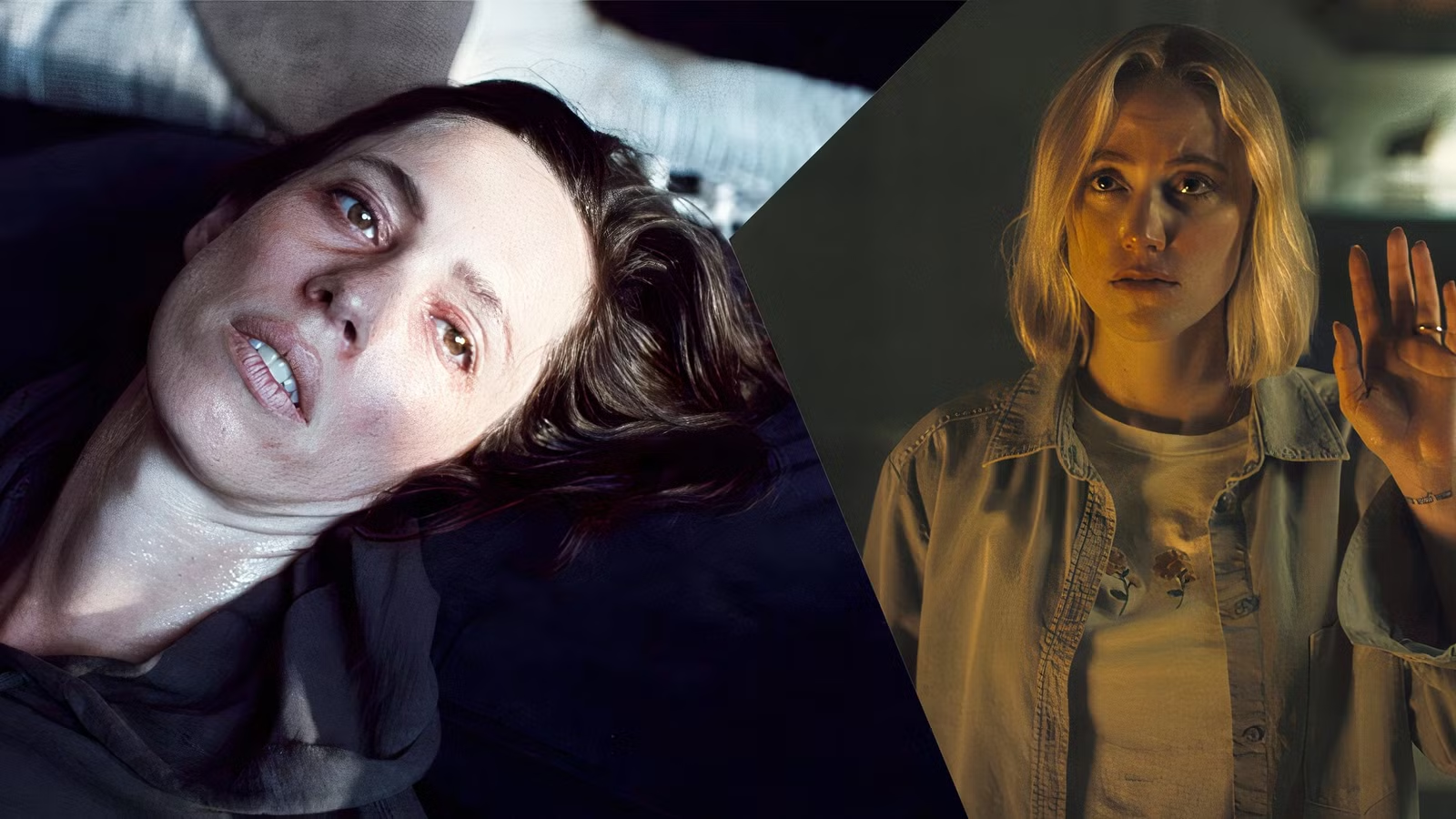
After moving to Bucharest with her husband for his new job, Maika Monroe's Julia finds herself isolated in an unfamiliar city where she doesn't speak the language and doesn't know anybody. Her discomfort grows when she starts to suspect that the man living in the opposing apartment building is secretly watching her from his window. And, with reports emerging that a serial killer is targeting women in the city, Julia is increasingly convinced that someone is following her. All of Watcher's terror comes from powerlessness rather than violence.
Similarly, much of Watcher's tension stems from whether or not anyone will believe Julia if she is, in fact, in danger. Director Chloe Okuno builds an extraordinary amount of suspense from lingering looks, empty spaces, and general uncertainty, creating a film that feels spiritually closer to classics like Rosemary's Baby than many modern thrillers. The result is one of the most nerve-wracking viewing experiences of the decade, and it's a must-watch for horror fans.
3 The Tension is Almost Unbearable in The Invitation

The Invitation (2015) follows Will as he attends a dinner party hosted by his ex-wife Eden and her new husband David, several years after the death of their young son. As the evening progresses, Will becomes convinced that something is wrong with the gathering, but everyone dismisses his concerns as grief, paranoia, or unrequited feelings for his ex. The genius of The Invitation lies in how it weaponizes social anxiety. Every awkward conversation, strange interaction, and uncomfortable silence forces viewers to question whether Will is correctly reading the room or if he's projecting.
The film's tension becomes unbearable long before The Invitation ever reveals its hand. Similar to Hereditary, The Invitation explores how trauma can affect how a person processes the world around them and slowly reveals how the truth can be much more horrifying than anyone ever imagined. There aren't any monsters or supernatural forces, but the thriller captures one of horror's most successful ideas by exploring the fear that you're surrounded by people you cannot trust.
2 The Gift Has a Uniquely Disturbing End

Joel Edgerton's directorial debut came in 2015 with The Gift, starring Jason Bateman and Rebecca Hall. The movie follows Simon and Robyn, a married couple whose lives are flipped upside down when they encounter Simon's high school friend. Gordo starts turning up unexpectedly and leaving gifts at their home, and while it seems like Simon's acquaintance is just overeager and awkward, The Gift soon makes it clear that there's far more history between the two men than Simon initially admits.
Like the best psychological thrillers, The Gift constantly asks audiences to reconsider which characters they should be rooting for. Characters who initially appear harmless are revealed to be threatening, while characters who seem trustworthy eventually become harder to defend. Rather than building toward a traditional confrontation, The Gift becomes increasingly interested in guilt, consequences, and the damage people can inflict on one another. By the end, the psychological thriller leaves the same lingering unease as the best horror films, but not because of what is actually shown on screen. With chilling performances from its central cast, The Gift actually disturbs viewers more with what it implies.
1 The Less Viewers Know About Resurrection Before Watching, The Better


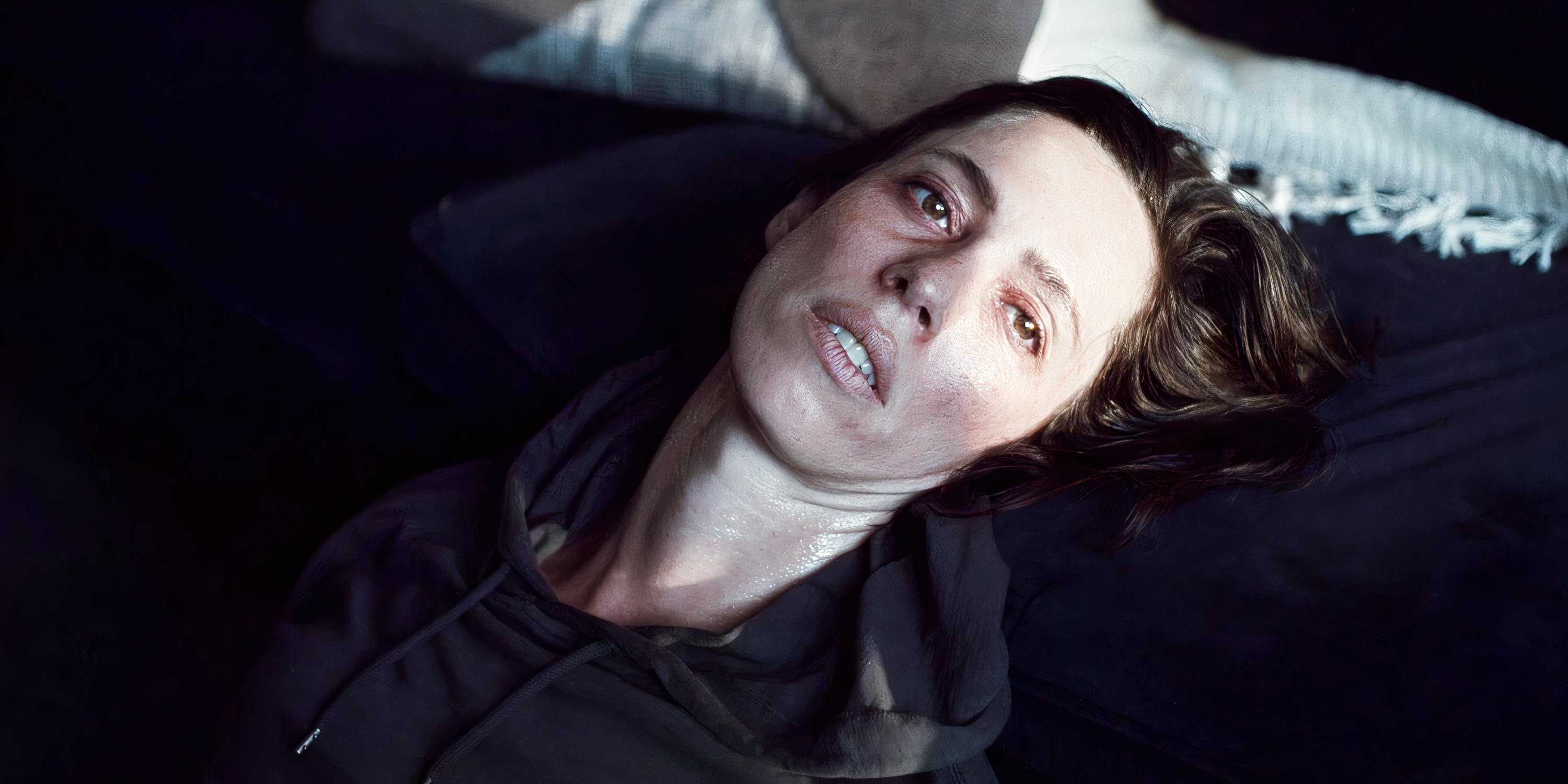
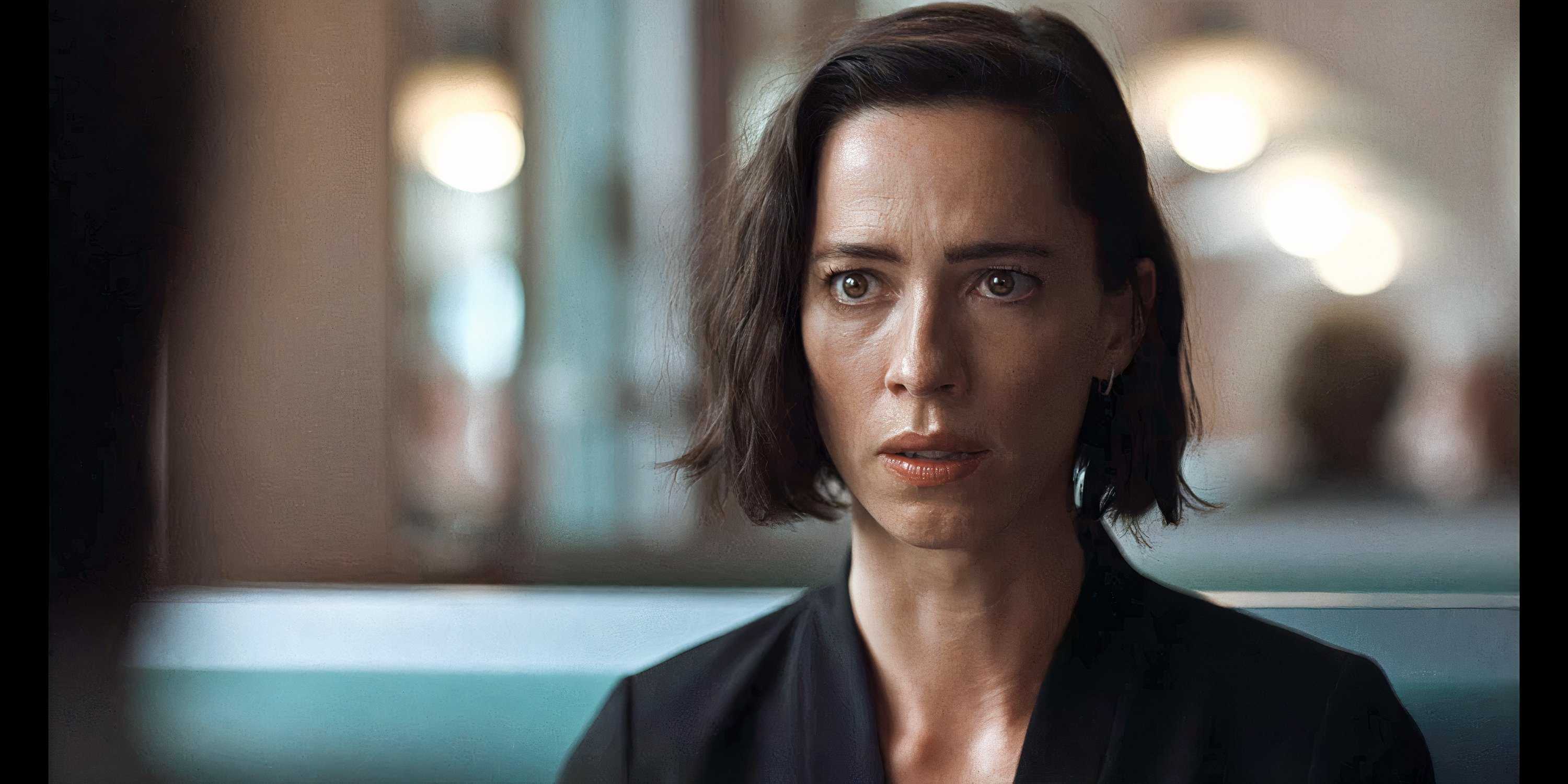
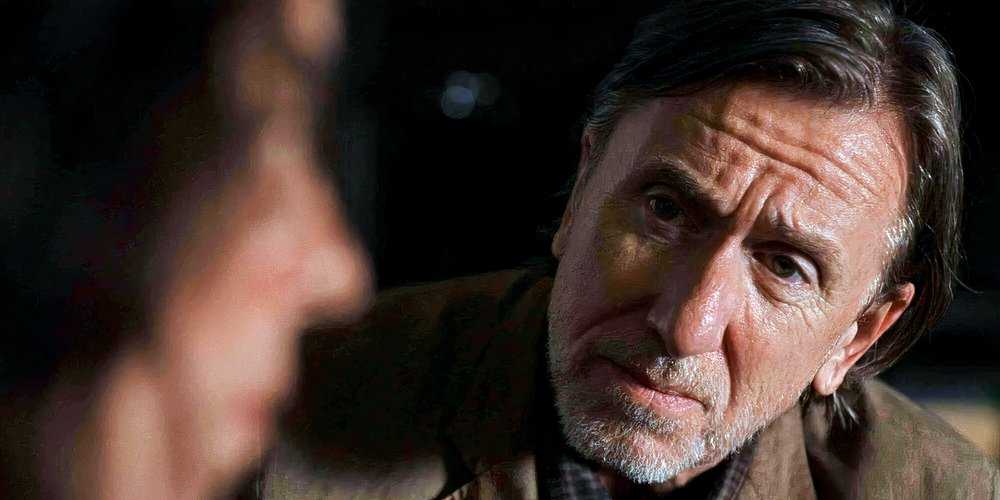


Rebecca Hall delivers one of her best performances as Margaret in Resurrection, a successful businesswoman whose carefully controlled life begins to unravel when a man from her past reappears. Margaret is instantly convinced that his return threatens both her and her daughter, but the people around her struggle to understand the depth of her fear or the nature of their shared history. Resurrection is the kind of film that works best when you know as little about it as possible.
The tense, psychological drama evolves into something much darker, weirder, and more unsettling. Hall's depiction of Margaret perfectly portrays the character's simultaneous terror, anger, and vulnerability, giving the film much of its power through her uncertainty and raw emotions. By the time the credits roll, Hall's performance and Resurrection's plot will continue to haunt viewers, and it's a shame the psychological thriller was so overlooked when it released in 2022.
Source link