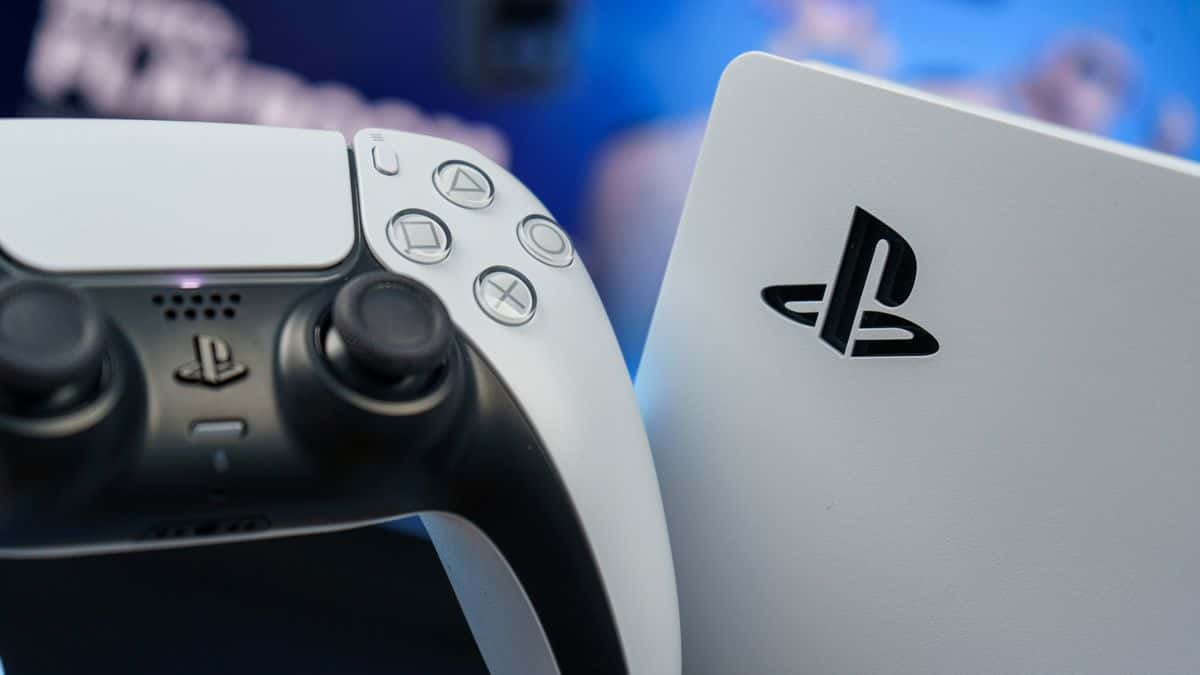
Eligible US PlayStation buyers may receive store credit from a proposed settlement tied to digital game purchases.
Sony will pay out $7.85 million in a proposed PlayStation settlement tied to claims that it restricted where US players could buy certain digital games.
If you bought an eligible digital game through the PlayStation Store between April 1, 2019 and Dec. 31, 2023, you may already be included in the settlement class automatically.
Most eligible players would get the money as PlayStation Store credit added to their PlayStation Network wallet, while people with deactivated accounts can seek cash by submitting purchase information.
The settlement still needs final court approval at an Oct. 15 hearing, and after fees and costs, individual payouts will likely amount to only a few dollars per person.
Sony will pay out $7.85 million in PlayStation Store credit under a proposed US class-action settlement, and if you bought certain digital games through the PlayStation Store, this could affect you directly. The reason to care is simple: the case is about how digital storefronts work, who controls pricing, and whether console owners really have meaningful choice once they are inside a closed platform.
Here’s what happened. The lawsuit, Caccuri v. Sony Interactive Entertainment, accused Sony of unlawfully cutting off competition by ending sales of game-specific vouchers, which were codes that let players buy digital PlayStation games from other online retailers instead of only through Sony’s own store. The plaintiffs argued that move pushed customers into a single storefront and made them pay more for some digital titles. Sony denied wrongdoing, and the court has not ruled that the company broke the law, but the settlement has now been preliminarily approved. The current deal follows a longer and messier approval path than a quick headline suggests. An earlier settlement was reached in 2024, but a judge rejected it twice, including in July 2025, saying the proposal did not give class members an estimated recovery or even a range of what they might get back. The approval process started up again in April, and the latest version sets aside $7.85 million, with the final approval hearing scheduled for Oct. 15.
For most people, the practical point is eligibility. The class covers living individual human beings in the US or its territories who bought one of the eligible digital games through the PlayStation Store from April 1, 2019 through Dec. 31, 2023. If you fit that description, you are automatically part of the settlement unless you opted out by July 2, which was the deadline to preserve the right to sue Sony separately over the same conduct.
There’s also a format issue here. Compensation is generally set to land in a PlayStation Network wallet, which is Sony’s account balance system for buying digital content on PlayStation, not as unrestricted cash. Players who have deactivated their PlayStation Network accounts can apply by sending qualifying purchase information to the settlement email address, and those users would receive cash instead of account credit. That distinction matters more than it may seem. A credit-based settlement keeps money inside Sony’s own ecosystem. In the broader games business, platform control over digital storefronts and payments has drawn legal and regulatory scrutiny. Console storefronts are different from mobile app stores in important ways, but the pressure point is similar: once one company controls the checkout lane, pricing power can become a legal issue quickly.

The Walled Garden Monopolization
The $7.85 million proposed settlement in Caccuri v. Sony Interactive Entertainment highlights a critical vulnerability in modern digital distribution: platform lock-in. By eliminating third-party digital game vouchers in 2019, Sony effectively severed external price competition, forcing players into the PlayStation Store's unilateral pricing structure. While the antitrust lawsuit centers on video games, it exposes the broader monopolistic mechanics of closed hardware ecosystems. As physical media phases out, console manufacturers inherit unchecked authority over pricing, merchandising, and software access.
The Economics of In-Ecosystem Settlement
The structural architecture of this settlement is a masterclass in corporate damage control. Refunding the vast majority of eligible class members exclusively through PlayStation Network wallet credits rather than cash ensures that the $7.85 million never actually leaves Sony's economy. This pseudo-currency payout mechanism forces the aggrieved consumer to reinvest their compensation directly back into the exact digital storefront accused of overcharging them. It is a zero-sum penalty that minimizes actual financial leakage while virtually guaranteeing future software sales.
The Precedent for Digital Gatekeepers
Although individual payouts will likely amount to only a few dollars, the true impact of the upcoming October 15 settlement hearing is structural rather than financial. It lands amidst escalating global regulatory scrutiny over how digital gatekeepers dictate commerce. While Sony admits no liability, the mere advancement of this antitrust case establishes a vital legal footprint. For lawmakers and consumers, it forcefully articulates the overarching threat of the post-physical era: once a platform dictates the sole checkout lane on a piece of owned hardware, the illusion of a free market entirely evaporates.
Who can actually get paid in the Sony PlayStation settlement?
Not every PlayStation owner qualifies. The settlement is limited to people in the US or its territories who purchased an eligible digital game through the PlayStation Store during the period after Sony had stopped selling those game-specific vouchers through alternative online sellers. The case materials point to a list of eligible games, and the complaint references titles including PlayStation exclusives such as The Last of Us as well as third-party games like Mass Effect Trilogy and Resident Evil 4.
If you’re eligible and still have an active PlayStation Network account, you do not need to file a standard claim form to be included. The settlement says affected users are automatically part of the class and would receive their share directly in their PlayStation Network wallet after final approval. If your account has been deactivated, though, you need to send qualifying purchase information to info@PSNDigitalGamesSettlement.com in order to seek payment. As for how much you’ll get, do not expect this to cover your next major release. Up to 25% of the $7.85 million fund may go to attorneys’ fees, taxes and administrative costs, and the rest is to be distributed equally among settlement class members. The available description says players will likely receive only a couple of dollars in their accounts once everything is allocated. That is common in consumer antitrust settlements involving large classes, where the headline number looks substantial but the per-person result is modest. My read is that the small payout does not make the case meaningless. In digital markets, these lawsuits often matter less for the individual payment and more for the record they create around platform behavior. Even when a company settles without admitting liability, the dispute can shape how rivals, regulators and consumers think about storefront rules in the next fight.
What happens next, and why does this matter beyond a few dollars?
The next concrete step is the Oct. 15 final approval hearing. That hearing is expected to address the total settlement amount, whether up to 25% can be used for legal fees and related costs, and how the remaining money should be distributed to class members. The date and time could still change, and updates are set to appear on the settlement website. For Sony, the immediate financial hit is manageable. The bigger issue is reputational and structural. Digital distribution has become the default way many players buy games, and once physical discs or third-party codes fade, the store owner gets unusual control over pricing, merchandising and customer access. This case puts that reality in plain English for US consumers: if you can only buy software from one place on a device you already own, antitrust questions stop sounding abstract.
There’s a second reason to watch this. Courts and regulators have increasingly focused on whether digital gatekeepers are steering users into closed payment systems and closed stores. This settlement does not decide that Sony violated antitrust law. Still, it lands in a market where pressure on closed ecosystems keeps building. Even a low-dollar consumer settlement can add to that broader debate. Where this leaves things is fairly straightforward. If you bought an eligible PlayStation digital game in the covered period, you may get a small payment after Oct. 15, most likely as store credit. The money is minor, but the underlying argument about who controls digital game sales on major platforms is not, and that question is going nowhere.
Frequently asked questions
Who qualifies for the Sony PlayStation Store settlement?
US PlayStation users may qualify if they bought eligible digital games through the PlayStation Store during the covered period from April 1, 2019, to Dec. 31, 2023. In many cases, eligible customers are included in the settlement class automatically, but they should still review the official notice for details.
How much money is Sony paying in the PlayStation settlement?
Sony will pay out $7.85 million under the proposed PlayStation Store settlement. Most eligible consumers are expected to receive compensation as PlayStation Store credit rather than cash.
Do I need to file a claim to get PlayStation Store credit?
Some eligible players may already be included automatically, which means they might not need to submit a separate claim form. However, you should check the settlement website or official notice to confirm whether action is required in your case.
What purchases are covered by the Sony PlayStation Store settlement?
The settlement is tied to claims involving certain digital game purchases made through the PlayStation Store. If you bought eligible digital titles during the listed dates, your purchase may be covered under the proposed agreement.
When did the PlayStation Store settlement period start and end?
The covered purchase window begins on April 1, 2019, and ends on Dec. 31, 2023. Only qualifying digital game purchases made during that timeframe are generally considered for settlement benefits.
Will the Sony settlement pay cash or PlayStation Store credit?
Most eligible users are expected to receive PlayStation Store credit as part of the settlement. That means the value would typically be added for use on the PlayStation Store instead of being sent as a cash payment.