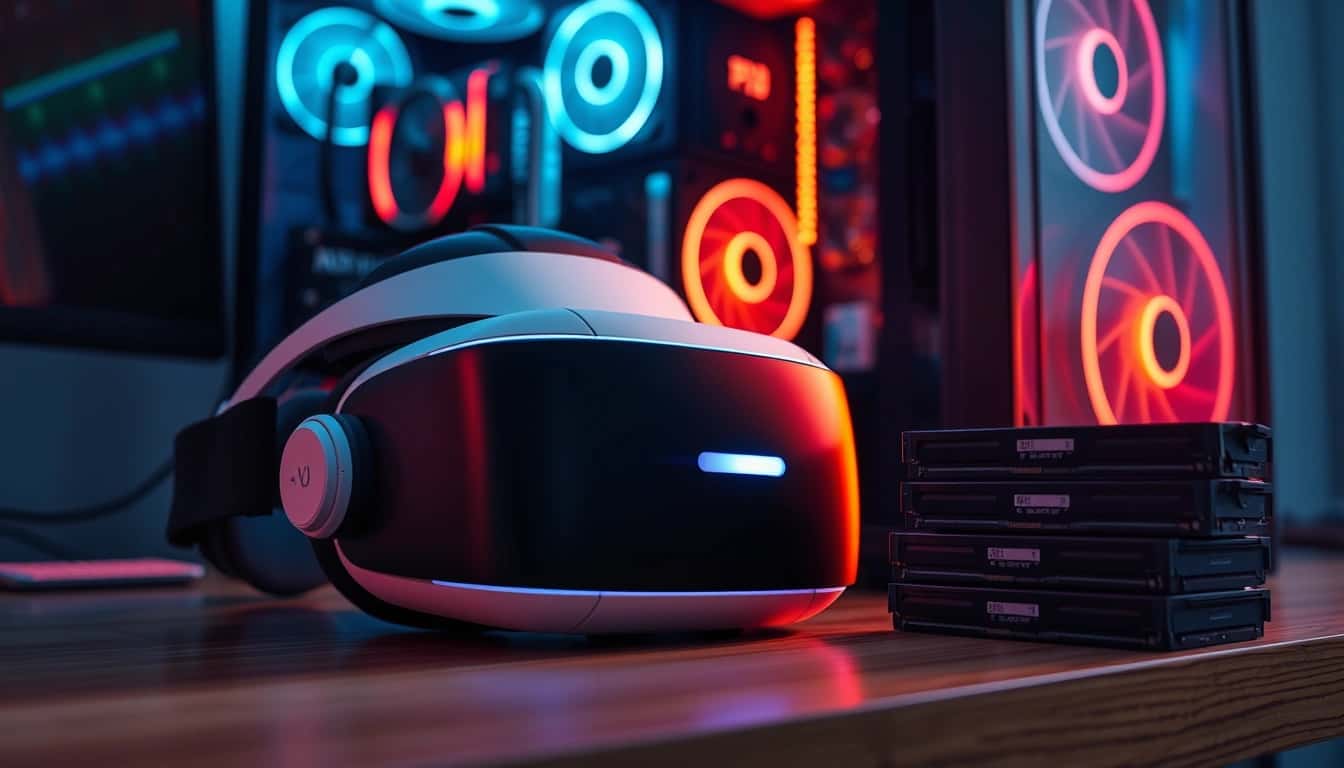
Valve's 72-hour randomized sign-up window includes two headset tiers, controllers, and Half-Life: Alyx.
Valve opened sign-ups on September 14 for its new Steam Frame VR headset through a randomized reservation system that runs for 72 hours and closes at 1:00 p.m. ET on September 17, according to the press release.
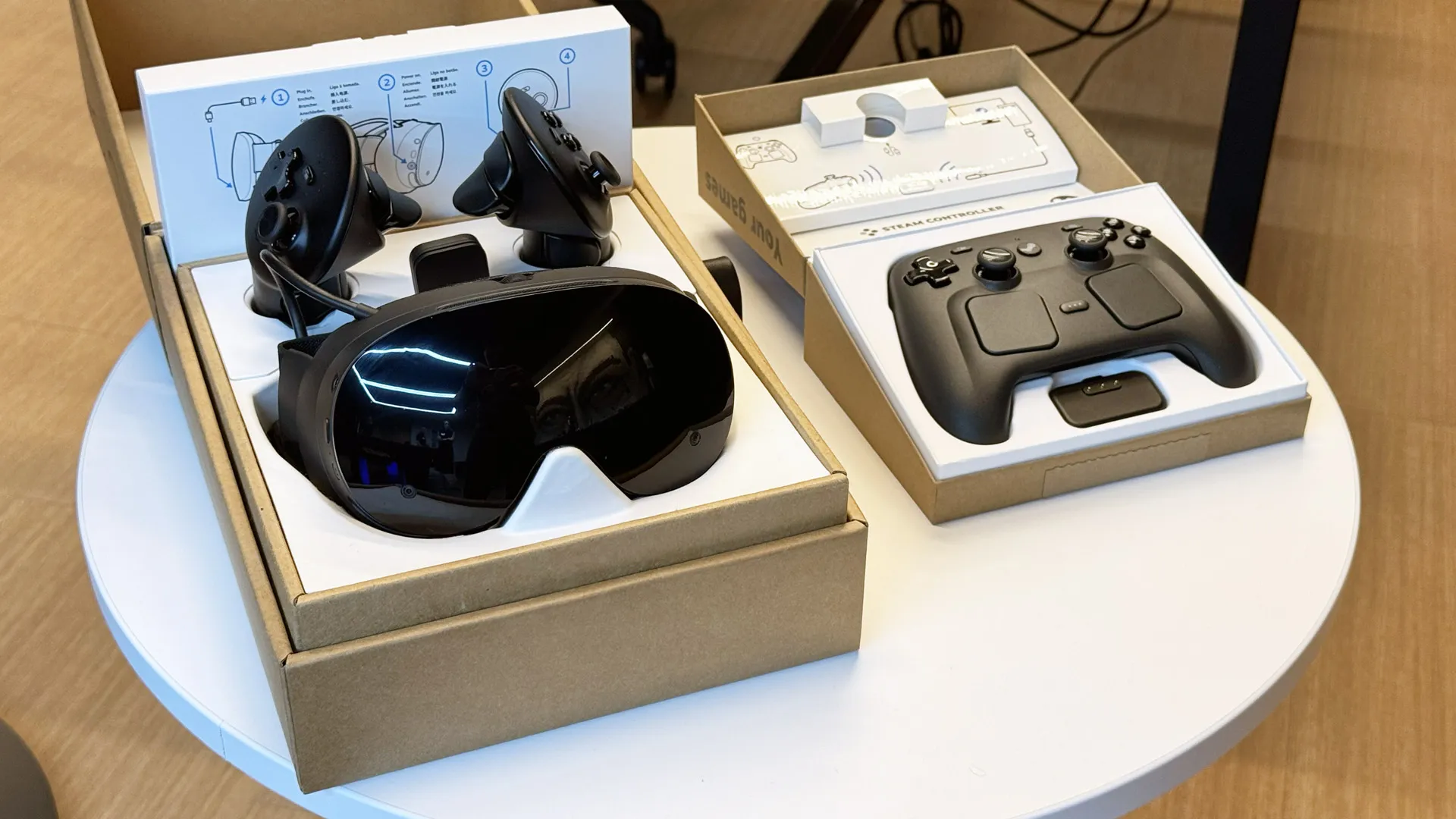
The Steam Frame starts at $1,059 USD for the 256GB model and $1,299 USD for the 1TB model, and both versions include two controllers and Half-Life: Alyx, according to the store listing and press release.
Valve said the first wave of Steam Frame purchase notifications will begin on September 18, using the same reservation approach it previously used for Steam Machine to improve the buying process and limit resellers.
The headset is a wireless, SteamOS-based device with a Snapdragon 8 Gen 3 chip, 16GB of unified LPDDR5X RAM, 2160 x 2160 LCD displays per eye, and 72Hz to 144Hz refresh rates, positioning it as a premium PC gaming and VR product.
Valve has opened reservations for the Steam Frame, its new wireless VR headset. The signup window is live now and lasts 72 hours, with the first buyer notifications set to start on September 18.
Valve's Steam Frame gives the company a new premium hardware product tied directly to Steam, while using a lottery-style reservation system to control demand and limit resellers in a market where VR hardware is still a niche category.
The process is simple enough, if not especially consumer friendly. Buyers can add themselves to a randomized list beginning September 14, and the window closes at 1:00 p.m. ET on September 17, according to the press release. The company said it is reusing the reservation model from the Steam Machine launch because it improved the purchase experience and limited scalpers.
That choice suggests Valve expects early interest to outstrip available supply, or at least wants to avoid an instant sellout followed by resale markups. At the same time, a randomized queue leaves purchases partly to chance, which may frustrate some buyers for a device priced well above mainstream console territory.
The Steam Frame comes in two versions. Valve lists the 256GB model at $1,059 USD and the 1TB model at $1,299 USD. Both include two Steam Frame controllers, one for each hand, and both bundle Half-Life: Alyx.
$1,299 USD
That is the listed US price for the 1TB Steam Frame, according to the press release and store page.
There is a catch that will stand out to anyone used to premium consumer electronics arriving as an all-in box. The headset does not include a power supply. Valve says users can buy one on Steam for $30, or use any Steam Deck charger or another USB-C charger that supports 45W or higher.
On paper, Valve is not trying to sell a stripped-down experiment. The company says the Steam Frame uses a 4 nm Snapdragon 8 Gen 3 chip on ARM64, 16GB of unified LPDDR5X RAM, and either 256GB of UFS storage plus a microSD card slot or a 1TB configuration. It also includes a 21.6 Wh Li-ion battery, Wi-Fi 7 with a 2x2 wireless adapter included, Bluetooth 5.4, SteamOS 3, and inside-out camera-based tracking.
Display specs also signal that Valve is aiming high. The store page lists 2160 x 2160 LCD panels per eye with refresh rates from 72Hz to 144Hz, with 144Hz marked experimental. Audio hardware includes dual speaker drivers per ear and a dual microphone array. In short, this is not a casual accessory for Steam users. It is a flagship device intended to sit at the center of a Valve gaming setup.
The company says the headset can play both VR and non-VR games on Steam and can connect to a Steam Machine or another PC to stream games. That broadens the pitch beyond the usual VR-native audience. It also fits Valve's bigger hardware strategy, which increasingly looks like a family of Steam-first devices rather than one-off bets. Steam Deck did that for portable PC gaming. Steam Machine pushed the idea further into living room hardware. Steam Frame is now trying to make VR another endpoint for Steam.
There's also an optional accessories upsell. Valve is selling an ergonomic accessories kit for an extra $59 USD. The package includes a strap for each controller, a top strap for the headset, and an extended light blocker, which Valve says is designed for comfort during extended play sessions.
Ecosystem Over Eyeballs
With the launch of the Steam Frame, Valve is making a calculated bet that deliberately ignores the mainstream VR playbook. While competitors chase mass-market adoption through heavily subsidized standalone headsets or pivot toward ultra-premium spatial computing, Valve is targeting a highly specific, proven demographic: the PC gaming enthusiast.
Priced steeply between $1,059 and $1,299, the Steam Frame is an unapologetic flagship device. It isn’t trying to be everyone’s first headset. Instead, Valve is leveraging its most formidable moat, the existing Steam ecosystem. By outfitting the headset with a Snapdragon 8 Gen 3 chip running SteamOS 3 rather than a generic Android shell, Valve is brilliantly blurring the lines between a standalone device and a premium PC accessory. This software synergy is the real strategic victory, signaling Valve's ambition to create a unified OS capable of powering handhelds, living-room consoles, and now, virtual reality.
Yet, the launch strategy reveals a company actively managing risk in a notoriously volatile VR market. Reusing a randomized, lottery-style reservation system effectively mitigates scalper interference, but it also allows Valve to control inventory momentum and test true demand before committing to massive manufacturing runs. The bizarre omission of an included power supply, a frustrating quirk for a thousand-dollar luxury device, further suggests hyper-focused margin control.
Ultimately, Valve isn't interested in selling a loss-leader. They are selling top-tier hardware directly to the converted. By bundling Half-Life: Alyx and supporting non-VR Steam titles, Valve is sweetening a heavy upfront cost. If they can convince their core audience that the Steam Frame is the definitive hardware endpoint for PC gaming, Valve may successfully lock down the enthusiast VR market without ever needing to fight a grueling price war.
The background
For Valve, this launch lands at an awkward but interesting moment in VR. The category is still searching for durable consumer momentum in the US, even after years of big promises and heavy spending across the industry. Meta pushed hard on standalone headsets and software ecosystems. Apple went after the ultra-premium end. Sony kept VR tied to its console base. Valve's angle is different: sell high-end hardware directly into the existing Steam audience, where gamers already buy software and already understand PC-grade tradeoffs.
That approach has logic. Steam has distribution, built-in account relationships, and a core customer base willing to spend on enthusiast hardware. But the pricing here narrows the addressable market from the start. At $1,059 USD and $1,299 USD, Steam Frame is aimed at enthusiasts, not a broad audience. Bundling Half-Life: Alyx helps, and so does support for non-VR games, but neither changes the fact that the upfront cost is high and the use case is more demanding than a handheld or console-like PC.
The reservation model is another clue. Valve used a similar approach for Steam Machine earlier this year, and the company said in its press release that the system helped improve purchasing and limit resellers. It also gives Valve a tighter grip on rollout pacing, which matters when a product mixes custom hardware, software compatibility, and a still-fragile category. If there are supply constraints, or just uncertainty about how fast demand converts into paid orders, the lottery structure buys time.
One other detail is worth flagging. Steam Frame runs SteamOS 3, not a generic Android shell, even though the listed chip is Qualcomm's Snapdragon 8 Gen 3. That pairing suggests Valve is serious about making SteamOS work across device types, from handhelds to living room systems to VR.
What's next
The next concrete date is September 18, when Valve says the first wave of customers will be notified that they can buy a Steam Frame. The immediate question is how much demand shows up during the 72-hour signup window, and whether Valve can turn early enthusiast interest into a repeatable hardware business instead of another niche product.
Frequently asked questions
How do I reserve a Steam Frame headset from Valve?
Valve is using a randomized reservation system through the Steam store. Users need to sign up during the 72-hour window, and Valve will use that pool to determine reservation access rather than simple first-come, first-served ordering.
When does the Steam Frame reservation period end?
The sign-up window closes at 1:00 p.m. ET on September 17. Valve said the reservation period runs for 72 hours after opening on September 14, so eligible buyers need to enter before that deadline.
How much does the Steam Frame cost in the US?
The Steam Frame starts at $1,059 for the 256GB model. The higher-capacity 1TB version costs $1,299, according to Valve's store listing.
What comes with the Steam Frame headset?
Both Steam Frame models include two controllers and a copy of Half-Life: Alyx. That means the main difference highlighted in the listing is storage capacity, not the core bundled accessories.
Is the Steam Frame sold first come, first served?
No, Valve says the launch sign-ups are handled through a randomized reservation system. That approach is meant to manage demand during the initial purchase window instead of rewarding only the fastest checkout attempts.
What is the difference between the 256GB and 1TB Steam Frame models?
Based on the listing details provided, the main difference is onboard storage: 256GB versus 1TB. Both versions include the same controllers and the same bundled copy of Half-Life: Alyx.