Christopher Nolan's take on The Odyssey has arrived, and, as you'd expect, it's an epic, sprawling adaptation of Homer's poem.
Naturally, though, the film does make some changes from its source material. Below, we've rounded up 16 of the major changes, so you can get up to speed on how Nolan's interpretation differs from the classic tale. We couldn't account for everything, of course, but these are the biggest ways the film changes the famous story.
That means there are spoilers ahead for The Odyssey, so turn back now if you haven't seen the film yet. If you're still reading, then scroll down to find out all the ways the tales differ.
16 differences between Christopher Nolan's The Odyssey and the poem
The Trojan War
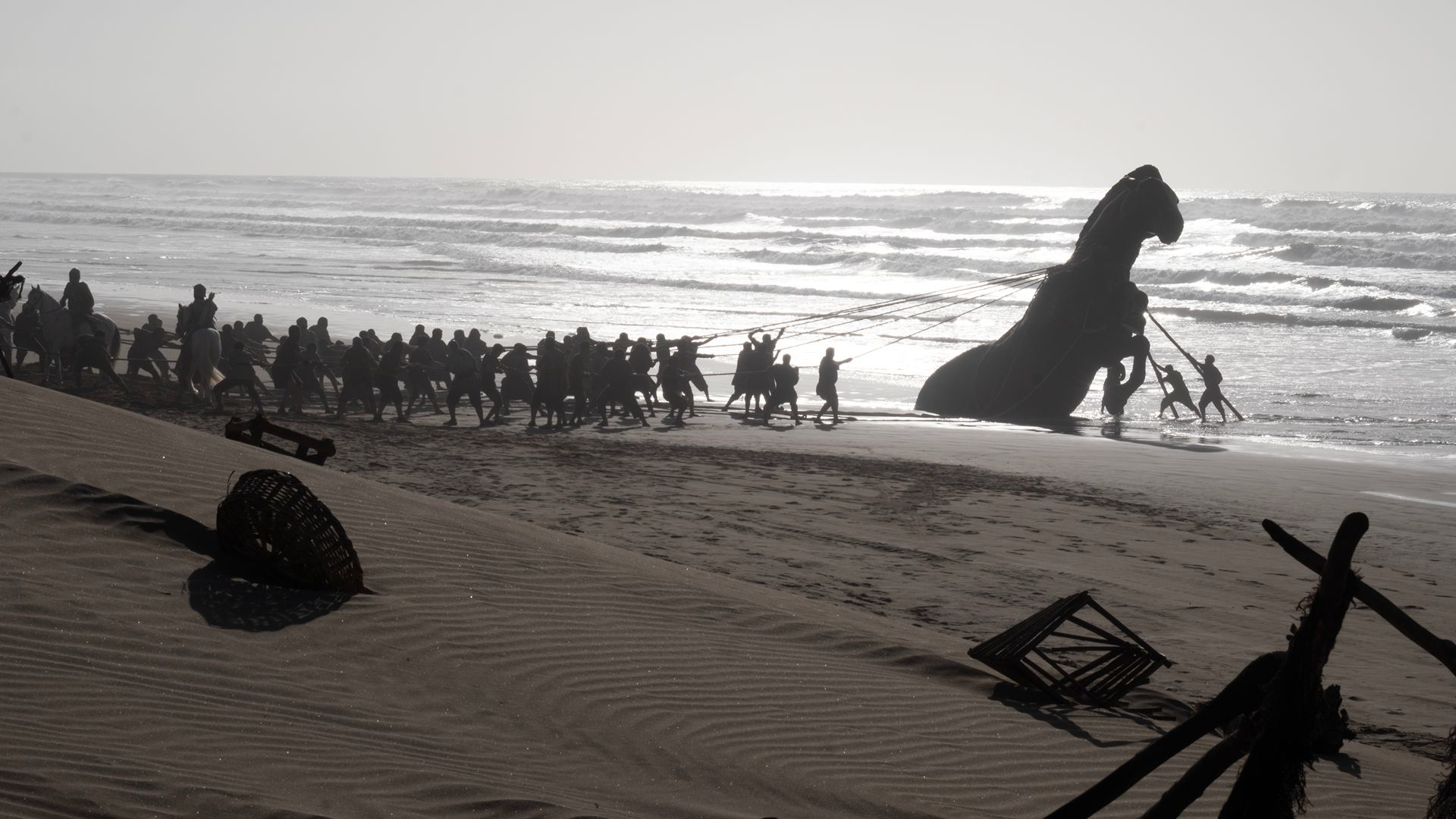
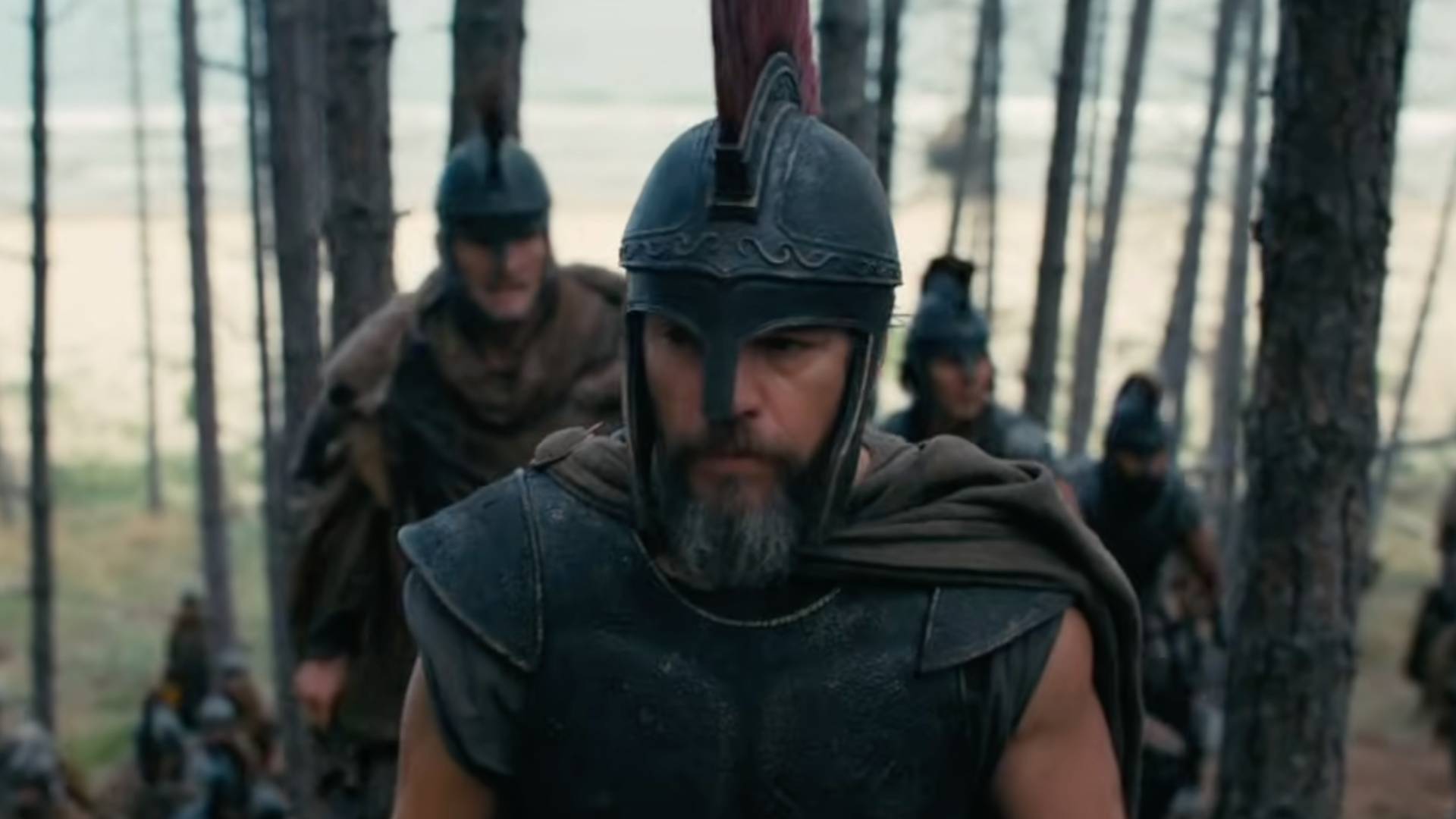
Homer's Odyssey covers Odysseus's journey home, meaning it picks up after the Trojan War has ended. That means the Trojan Horse and the sack of Troy do not take place within the poem, and are instead only recounted by different characters throughout the narrative. Nolan's film uses a similar technique to embed flashbacks to the Trojan War throughout the film, though, since these moments are not strictly presented as stories being told, we're counting it as a slight change.
Plus, while this part of the story isn't actually covered in the Odyssey poem, Greek mythology depicts Odysseus as very reluctant to answer Agamemnon's call to war. In the myths, Odysseus actually feigned madness by ploughing his lands with salt, thus destroying his own fields. But, the ruse was quickly discovered when baby Telemachus was placed in front of the plough, and Odysseus, unwilling to hurt his son, stopped – proving he was lucid after all. None of this is covered in the flashbacks in the film.
The Sea People
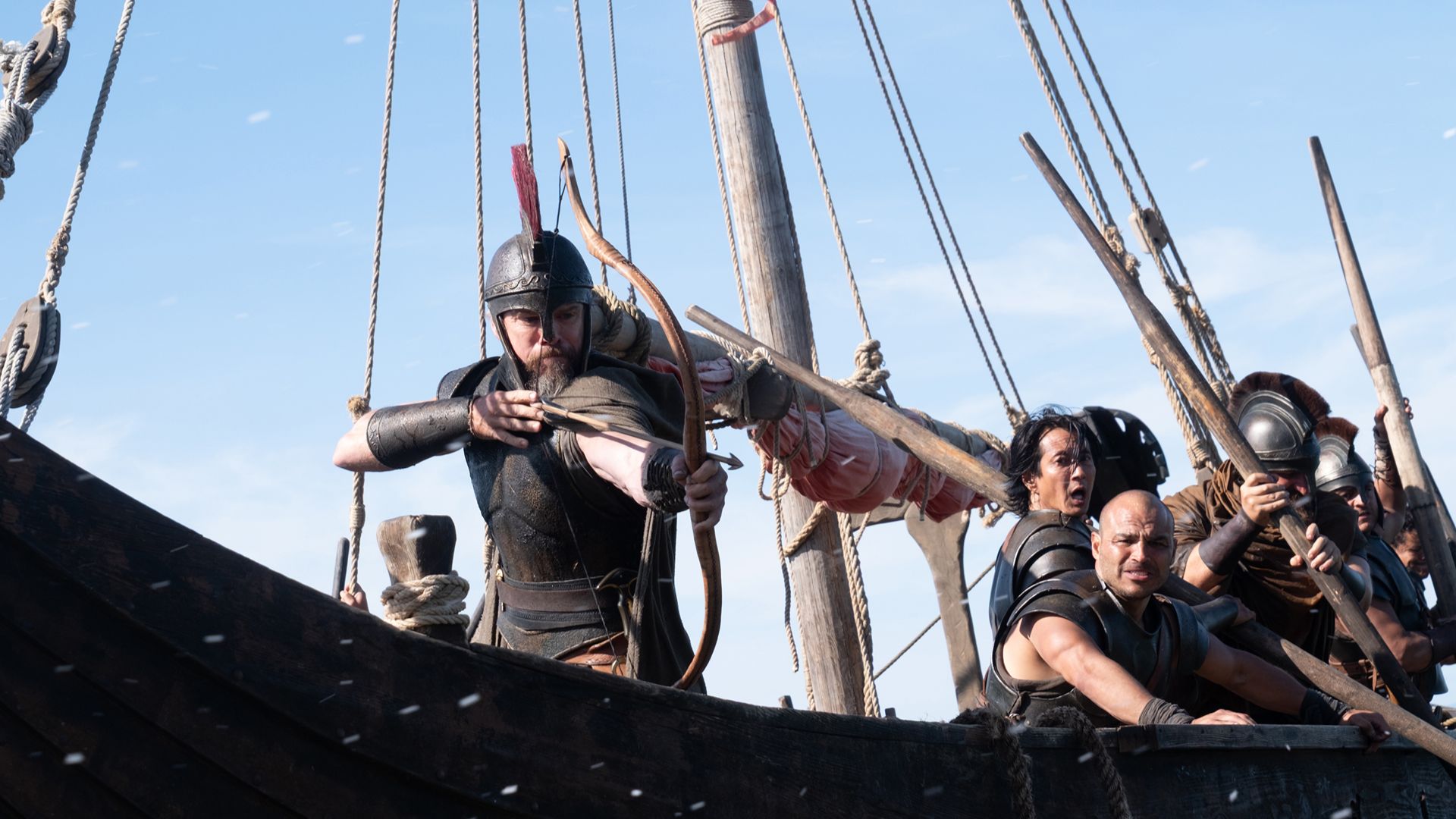
In the film, frequent reference is made to a mysterious group of raiders known as "the Sea People." The Sea Peoples are actually a real group believed to have contributed to (or at least been involved in) the fall of the Bronze Age, but they are not mentioned by name in Homer's Odyssey.
Antinous and Sinon
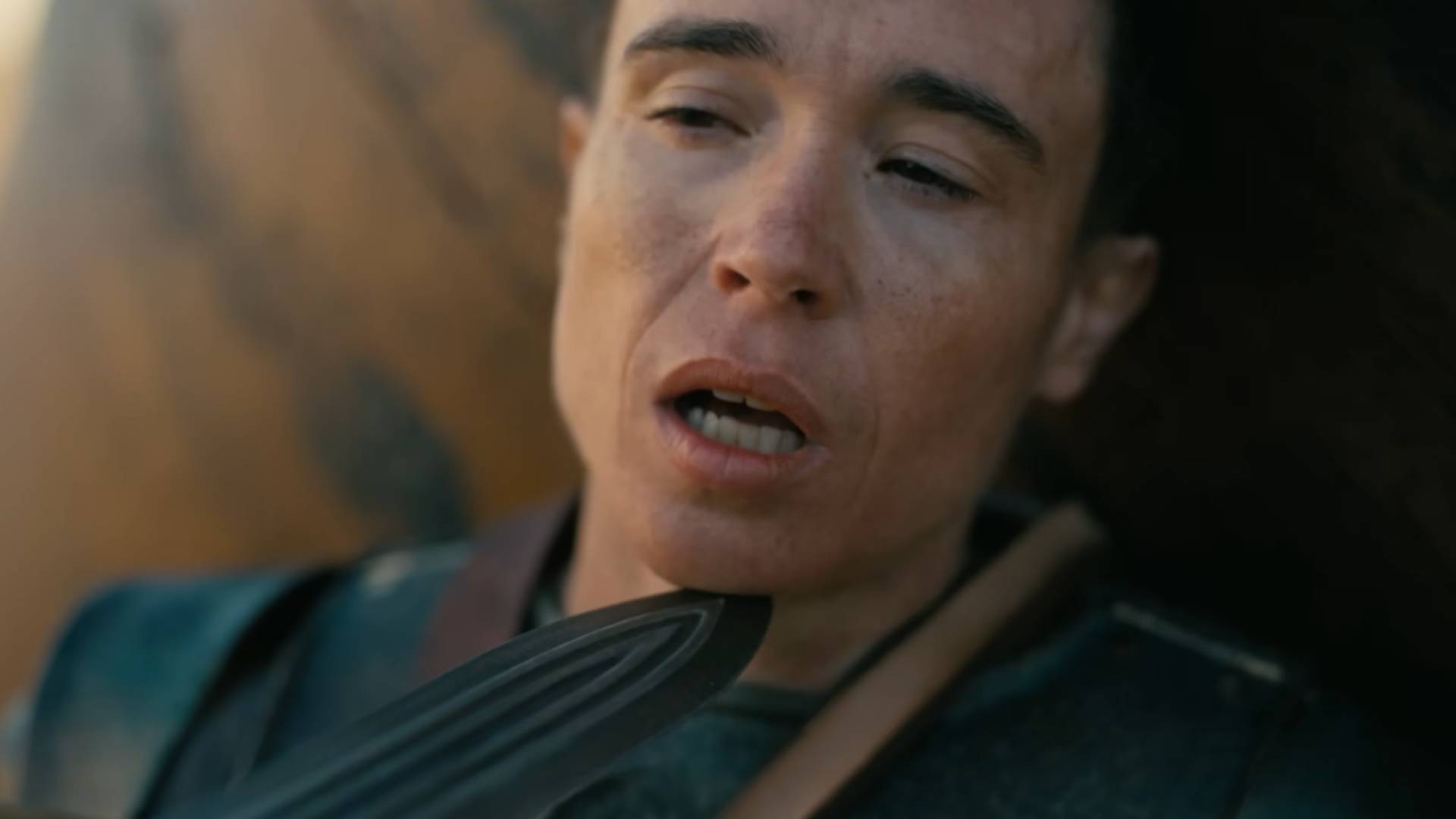
In Homer's Odyssey, Antinous and Sinon have no connection. The movie has them as brothers, with Antinous attempting to take Sinon's place, though Odysseus told him to stay home and take care of Telemachus instead. Sinon also doesn't actually appear in Homer's Odyssey, though he can be found in other sources, including Virgil's Aenid.
The Cyclops
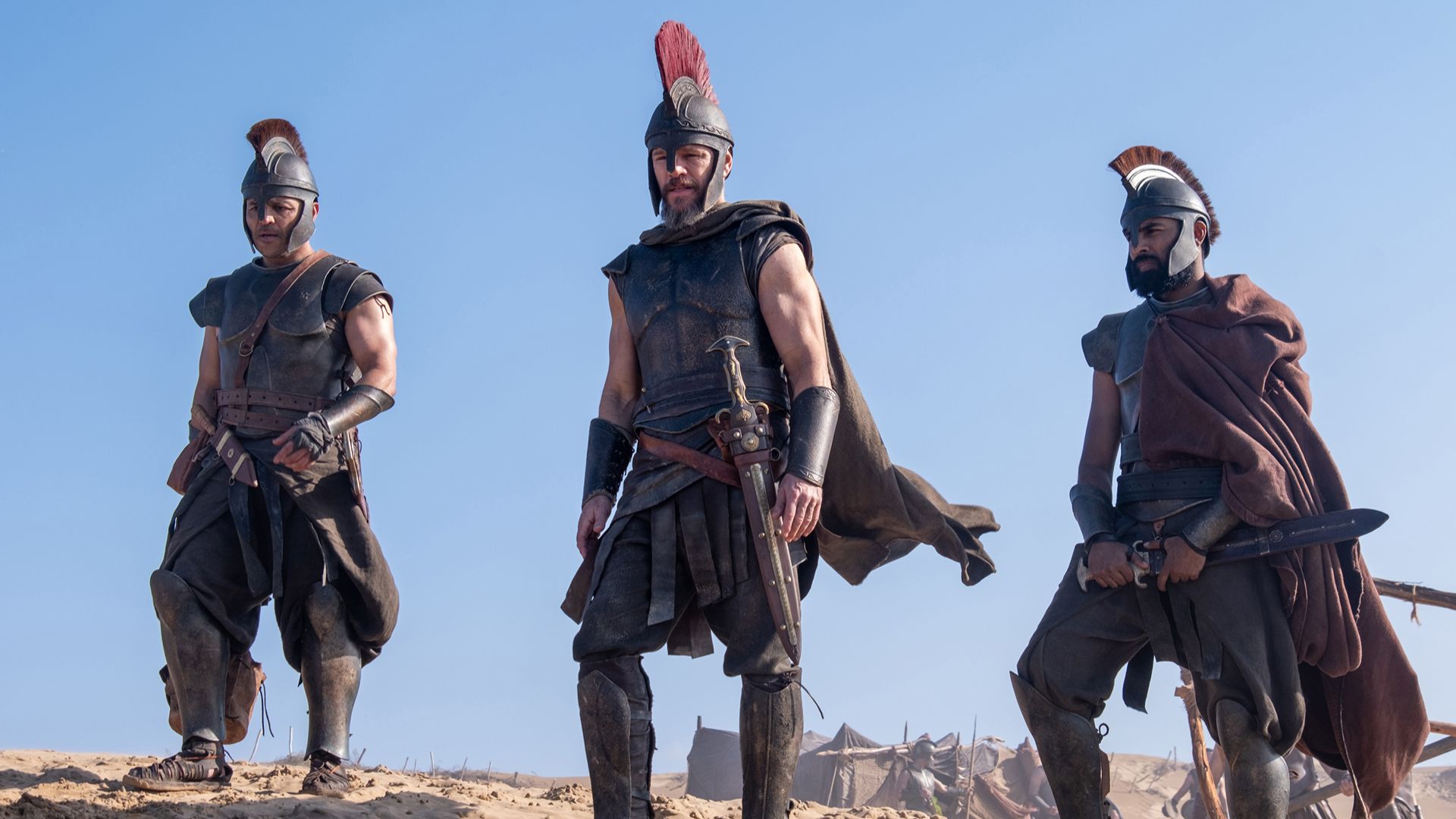
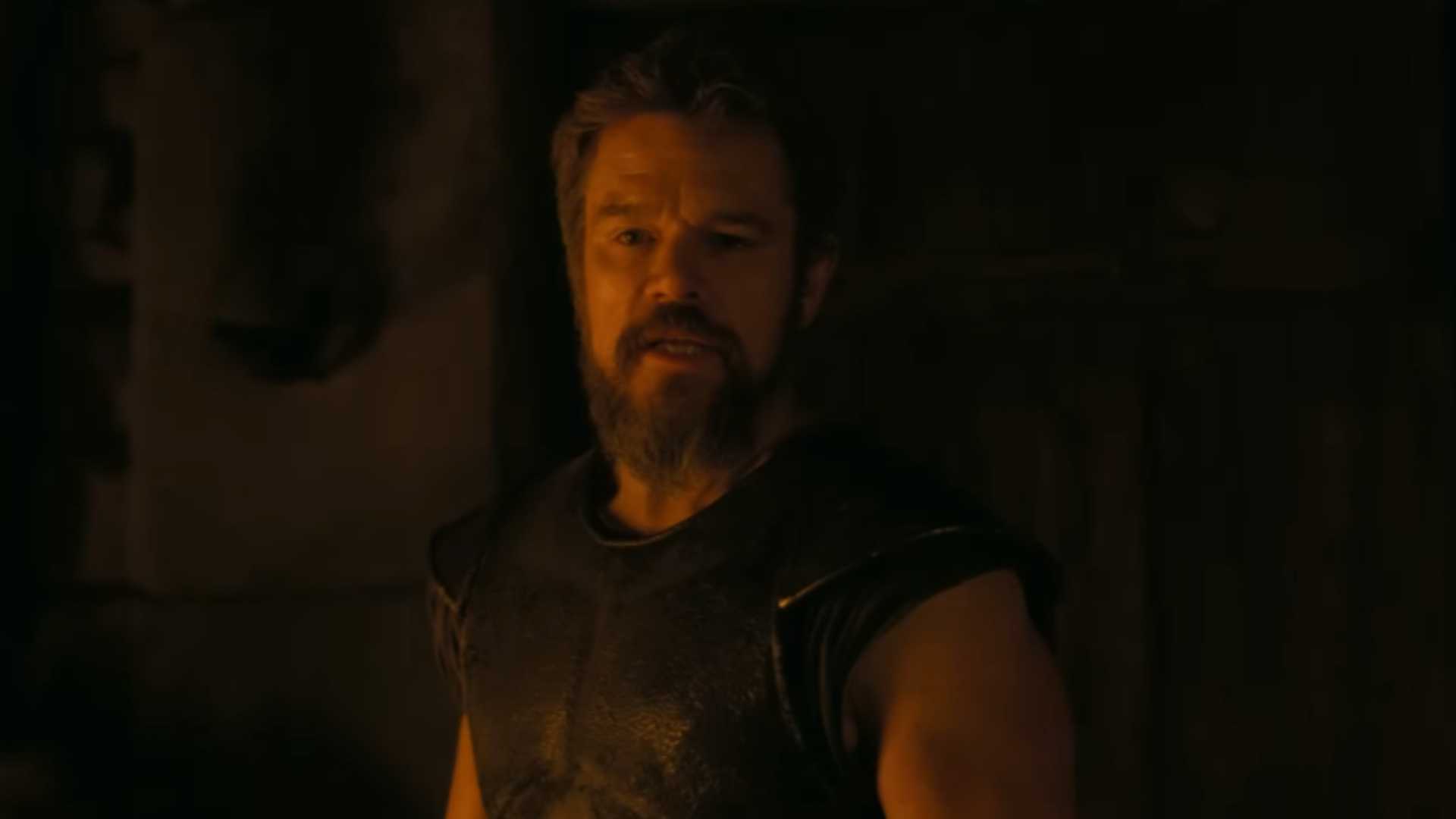
One of the most terrifying moments of Nolan's movie is when Odysseus and his crew get stuck in a cave with a towering Cyclops who chows down on them every time they get close. In the film, Odysseus and his crew escape by blinding the Cyclops and strapping straw to their backs, so the blinded Cyclops can't feel the difference between them and the sheep. Things are slightly different in the poem: Odysseus and his men hold on to the undersides of the sheep and are carried out of the cave upside down.
Plus, to blind the Cyclops, in the poem, Odysseus gets him drunk, while in the film the attack happens while the Cyclops is asleep. The Cyclops also asks Odysseus his name, and he responds "Nobody." This means that, when the Cyclops is blinded, he cries that "Nobody" is attacking him – and everyone in earshot ignores him. However, Odysseus boasts of his true identity as he and his men escape the Cyclops, which allows the Cyclops – a son of the sea god Poseidon – to tattle on them to his dad and get them in trouble. The wine and the name trick are not in the film, though the men still draw Poseidon's ire.
Helen of Troy
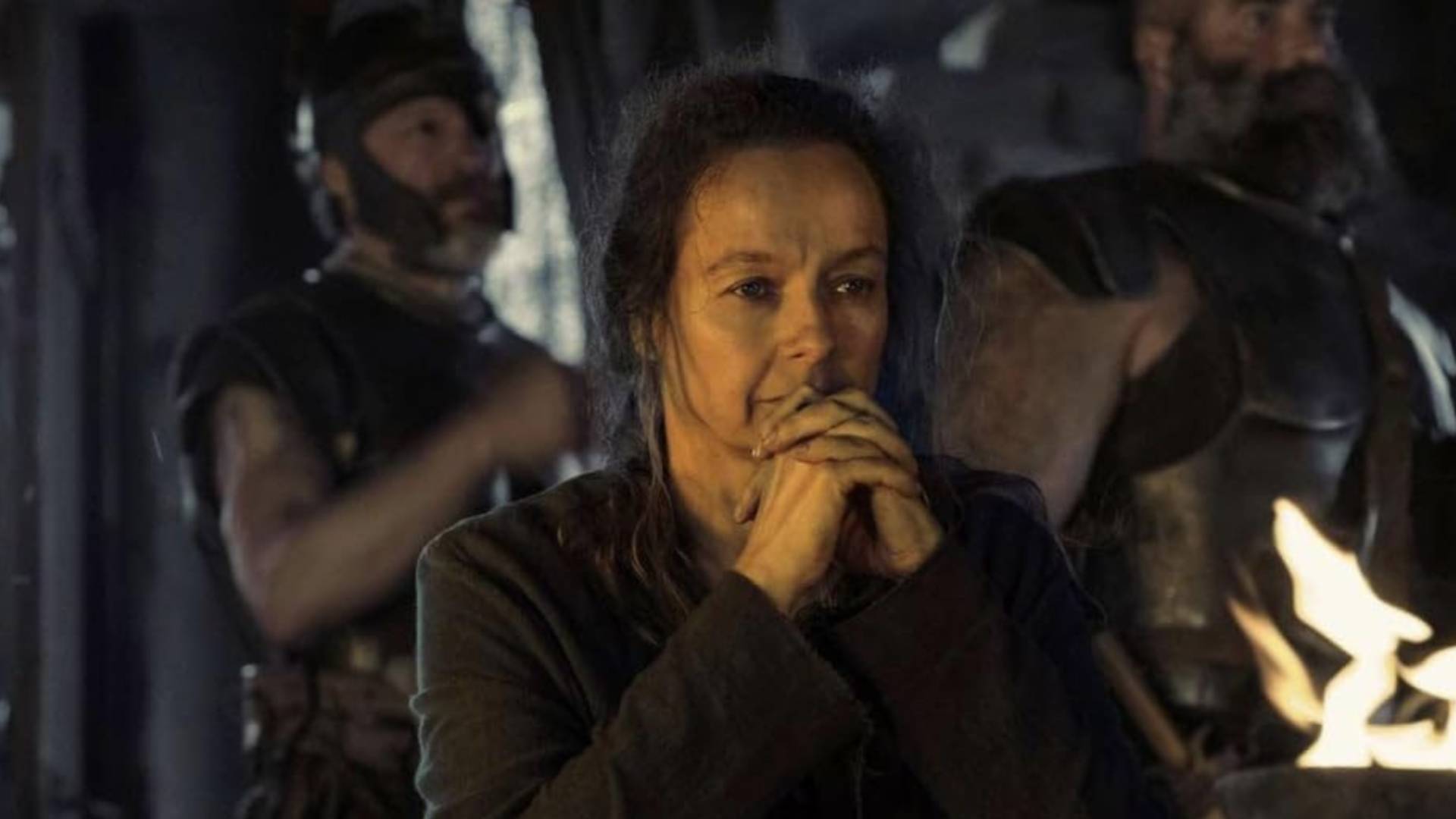
When Telemachus visits Menelaus and his wife Helen of Troy, Menelaus reveals he has disfigured Helen, cruelly joking that now her face might only launch "five hundred" ships, in reference to the famous phrase "the face that launched a thousand ships" – though Menelaus quotes this phrase, it won't actually be written until Christopher Marlowe's Doctor Faustus in 1604, thousands of years after the war. In Homer's Odyssey, Helen was not disfigured by her husband.
Helen's sister Clytemnestra is also in the film – she is depicted as Helen's identical twin sister (both roles are played by Lupita Nyong'o), though, in the mythology, they have separate fathers and are not identical. While Clytemnestra is mentioned in Homer's Odyssey, her story is also told in other sources, like The Oresteia.
Hermes
In Homer's Odyssey, Odysseus needs divine intervention to help him escape the witch Circe. After his men have been turned into pigs, the messenger god Hermes appears to Odysseus to gift him a special herb named moly, which makes him immune to Circe's magic. You might recognize Circe, her pigs, moly, and even Hermes from Hades 2. Nolan, however, cuts Hermes entirely, along with the moly, and instead Odysseus wises up to what's going on without help – and threatens Circe's sister, transformed into a crow, to escape.
Circe's sister
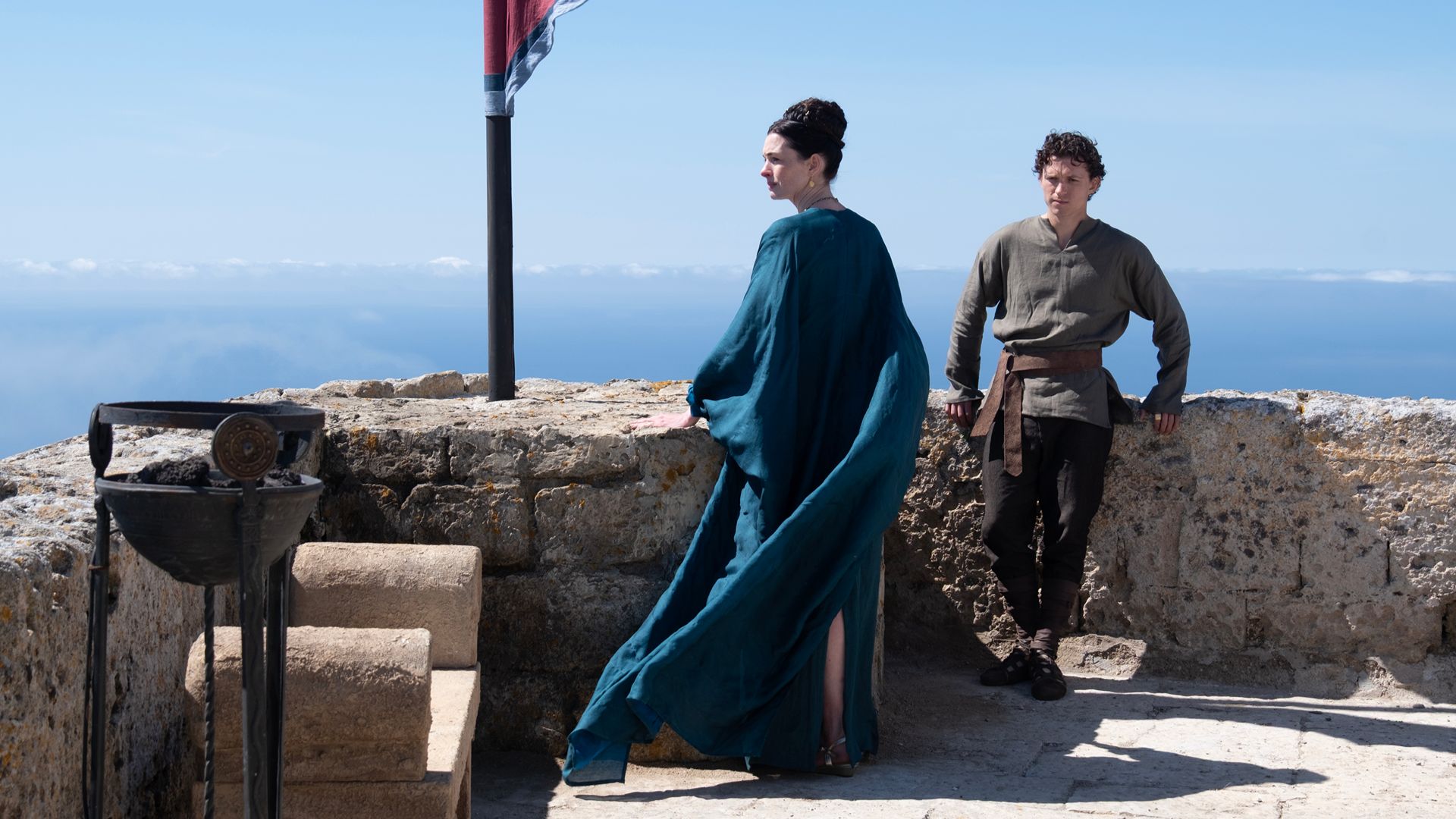
Circe does have a sister in Greek mythology: Pasiphaë, Queen of Crete and mother of the minotaur (as in, the monster in the labyrinth slain by the hero Theseus). However, Pasiphaë does not appear in Homer's Odyssey, as a crow or otherwise.
Circe and Odysseus
In Homer's Odyssey, Odysseus and his men stay on Circe's island for a full year, and during this time Odysseus and Circe strike up a relationship. In Nolan's version, Odysseus and his men escape Circe's domain as fast as they can.
Hades
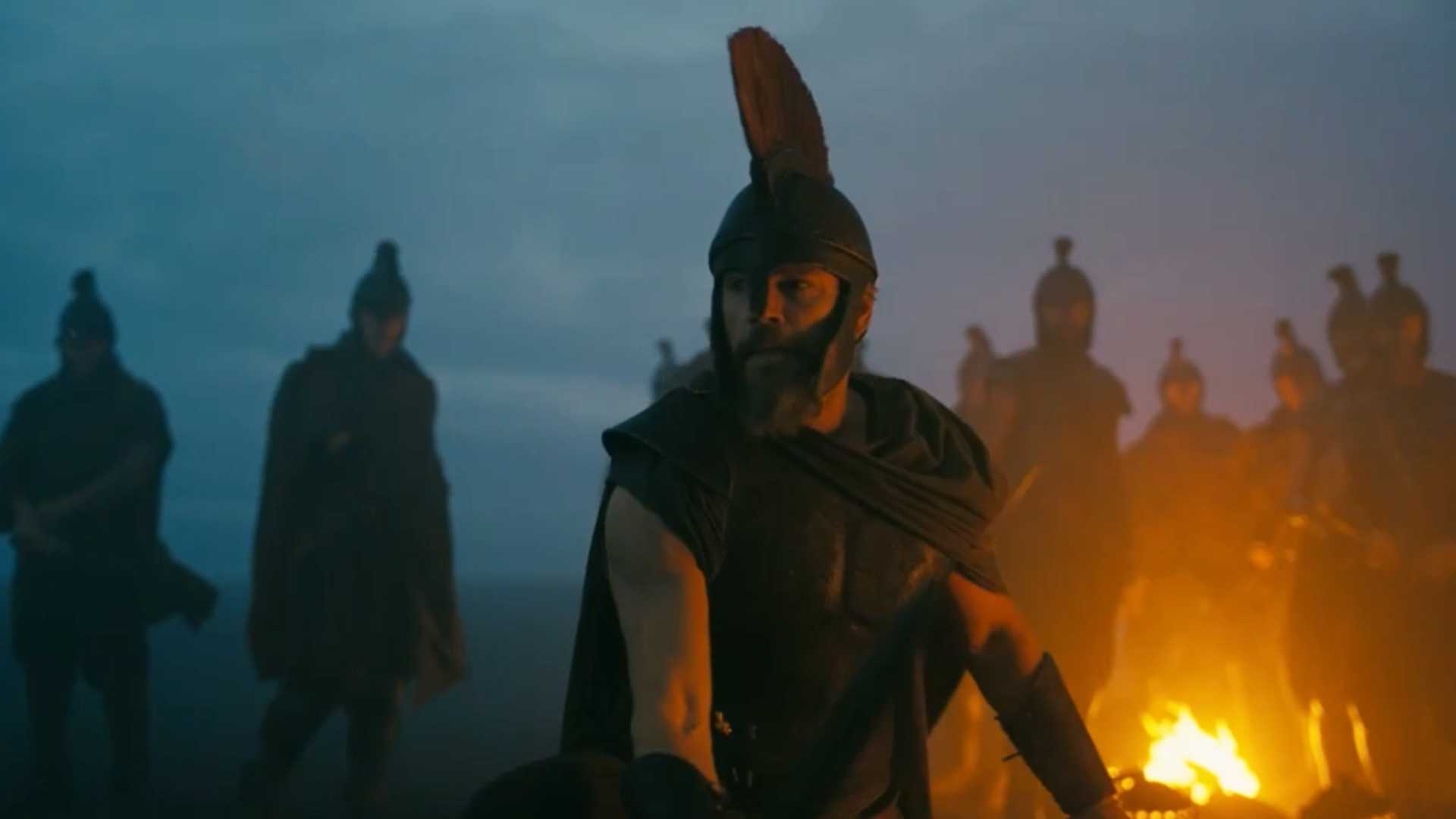
Odysseus does indeed speak to the dead in Homer's Odyssey, though he speaks to different shades in the poem compared to the film. In Homer's Odyssey, Odysseus speaks to more shades, including his mother, who died of grief while he was away, as well as the Greek hero Achilles, who was killed in the Trojan War (rather infamously by taking an arrow to his only weak spot, his ankle, giving birth to the idiom 'Achilles heel'). Odysseus's mother and Achilles are not in Nolan's film (though Achilles is mentioned in passing by Menelaus). However, in both versions, Odysseus does talk to Agamemnon and Tiresias.
Agamemnon's death
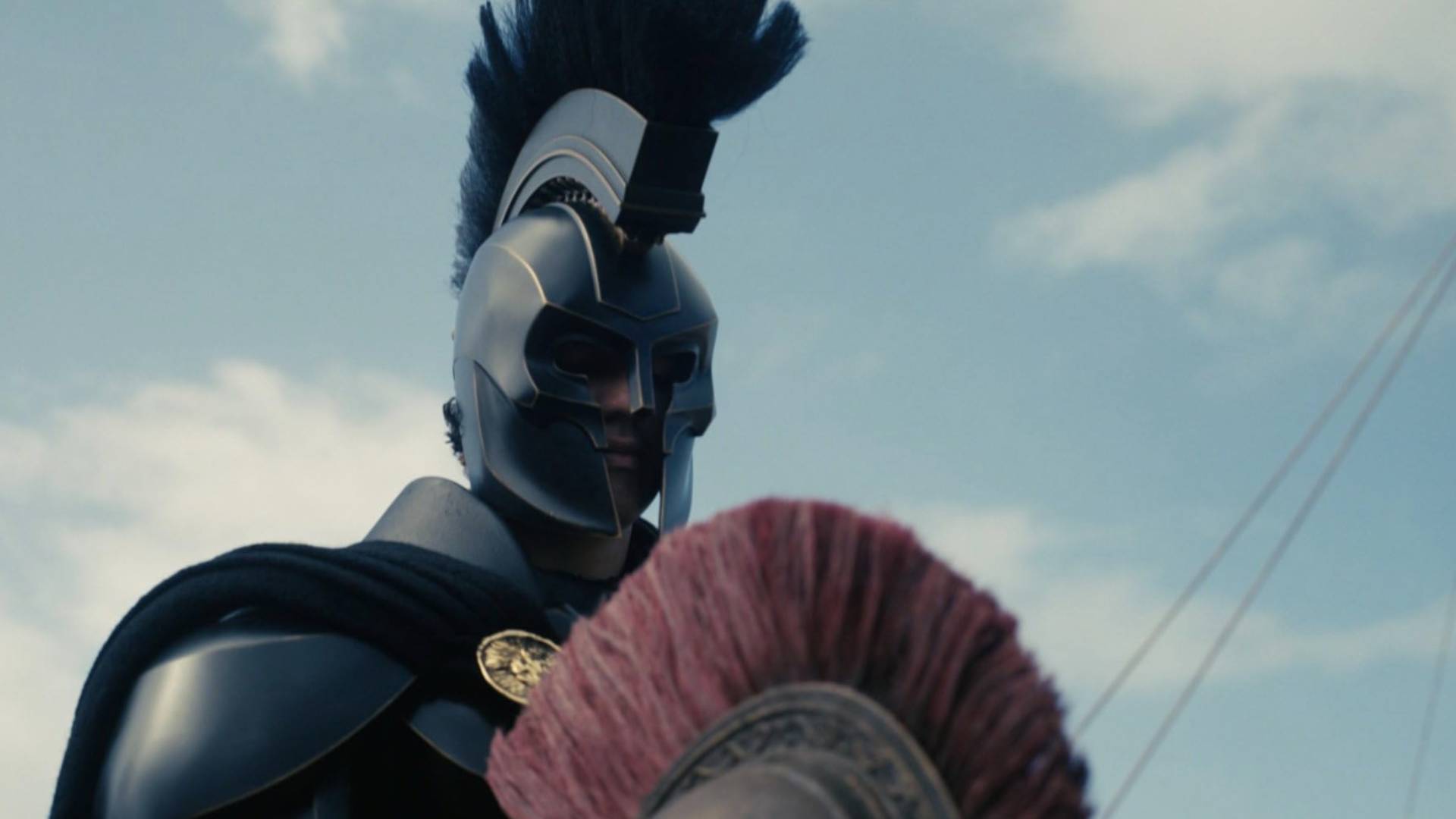
In Homer's Odyssey, Agamemnon tells Odysseus how he met his grisly end once he returned home, just as he does in the film. However, the film cuts Cassandra, the doomed Trojan princess cursed by the god Apollo to see the future but never be believed. Agamemnon took her captive after the fall of Troy, and she is also murdered by Clytemnestra and her lover Aegisthus.
Pylos
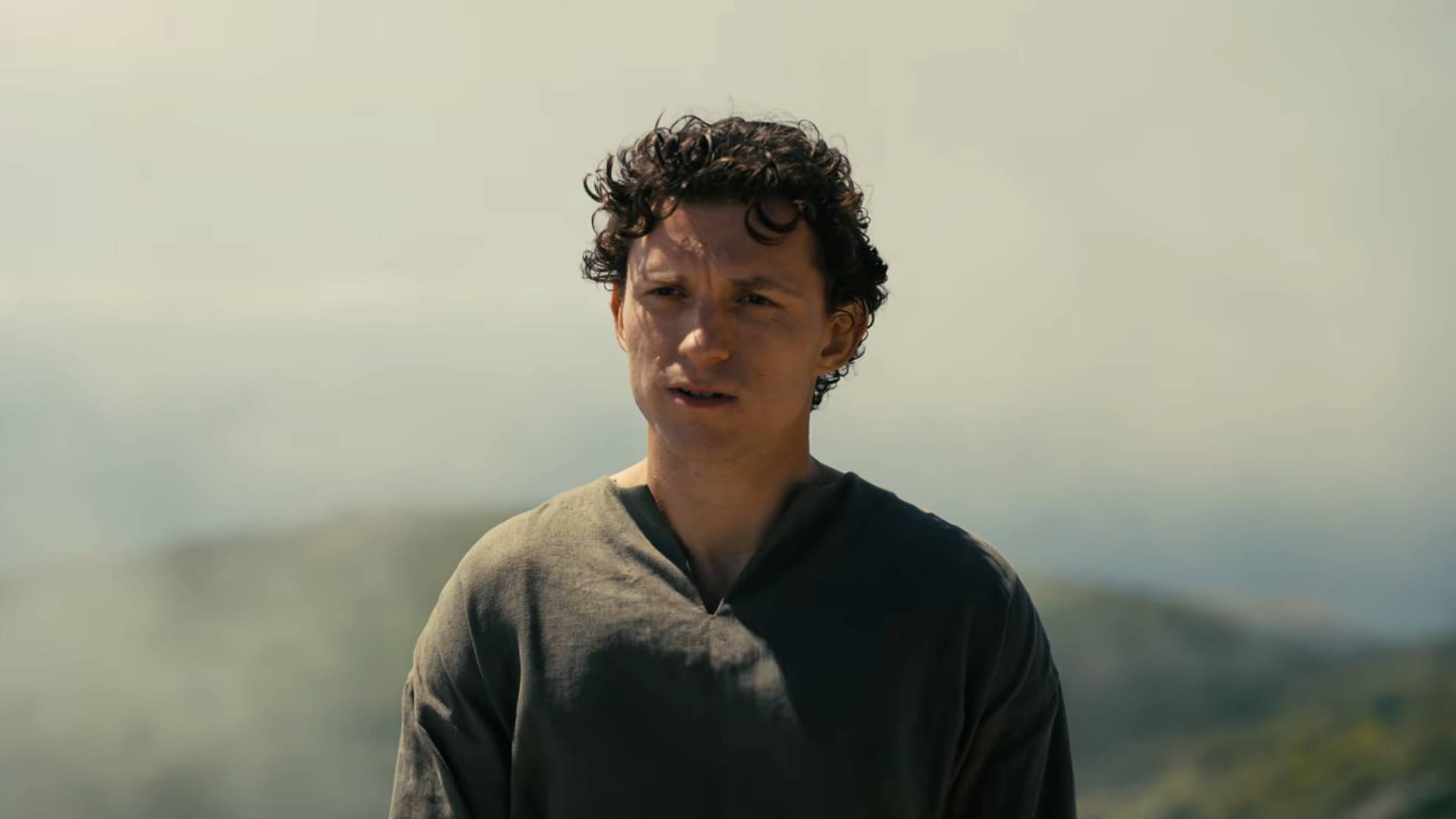
In Nolan's movie, Odysseus finds Telemachus in Pylos and accompanies him inside a temple dedicated to Athena, along with Telemachus's mentor Mentor – which is fortunate, because it means Odysseus is able to thwart a scheme to kill his son. However, in Homer's Odyssey, Odysseus does not go to Pylos or meet Telemachus there. Instead, Telemachus ventures to Pylos with Mentor (who is secretly Athena in disguise), where he meets King Nestor, who tells Telemachus more about his father. Odysseus meets Telemachus in the hut of Eumaeus, after Telemachus has escaped the plot against him.
Athena
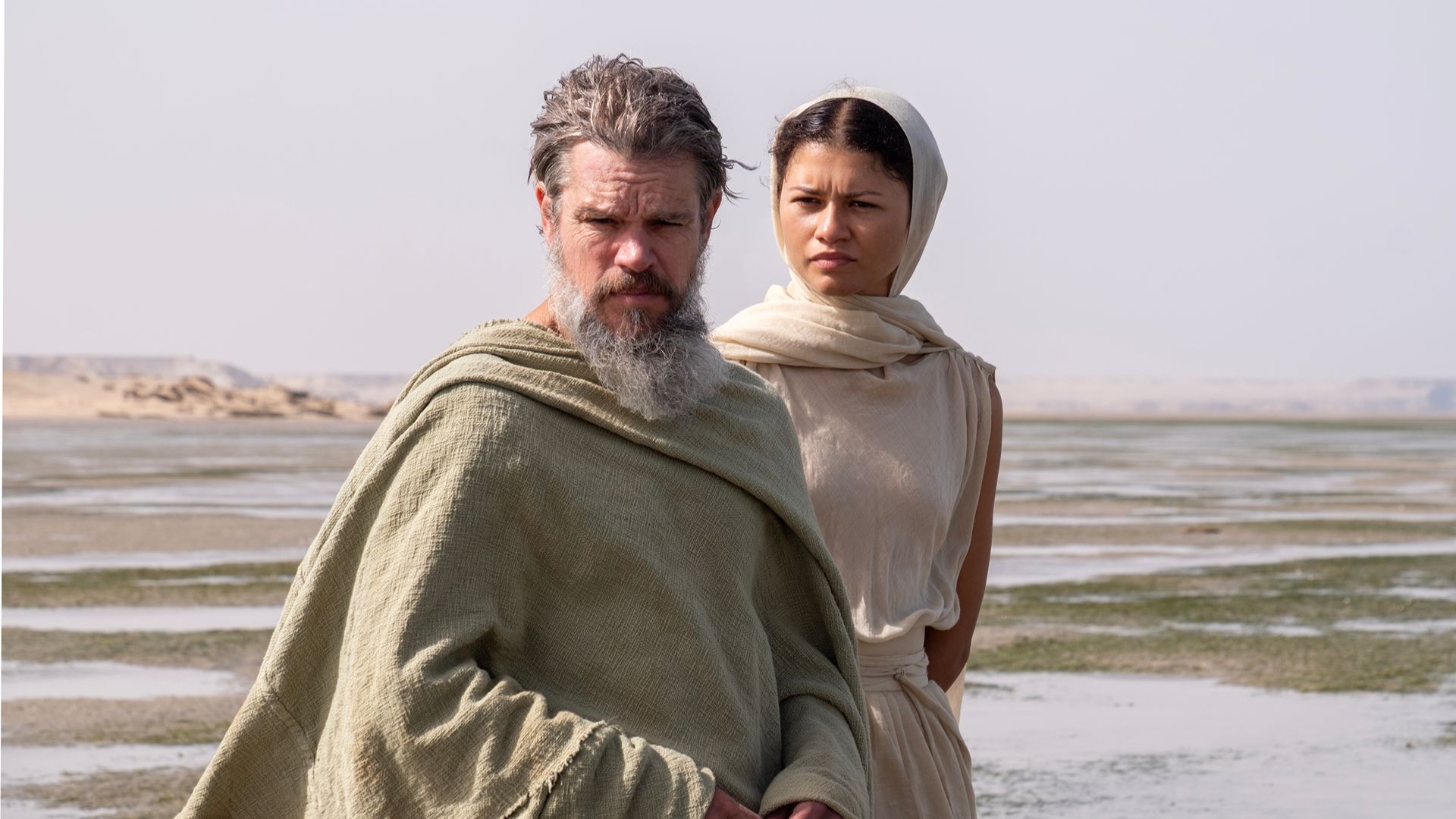
Athena is present in Nolan's Odyssey in the form of a girl murdered during the sack of Troy, which we discover near the end of the film. However, the goddess takes a far more active role in the poem, assisting both Telemachus and Odysseus throughout the narrative. Her taking the form of a murdered girl is also Nolan's invention.
Calypso
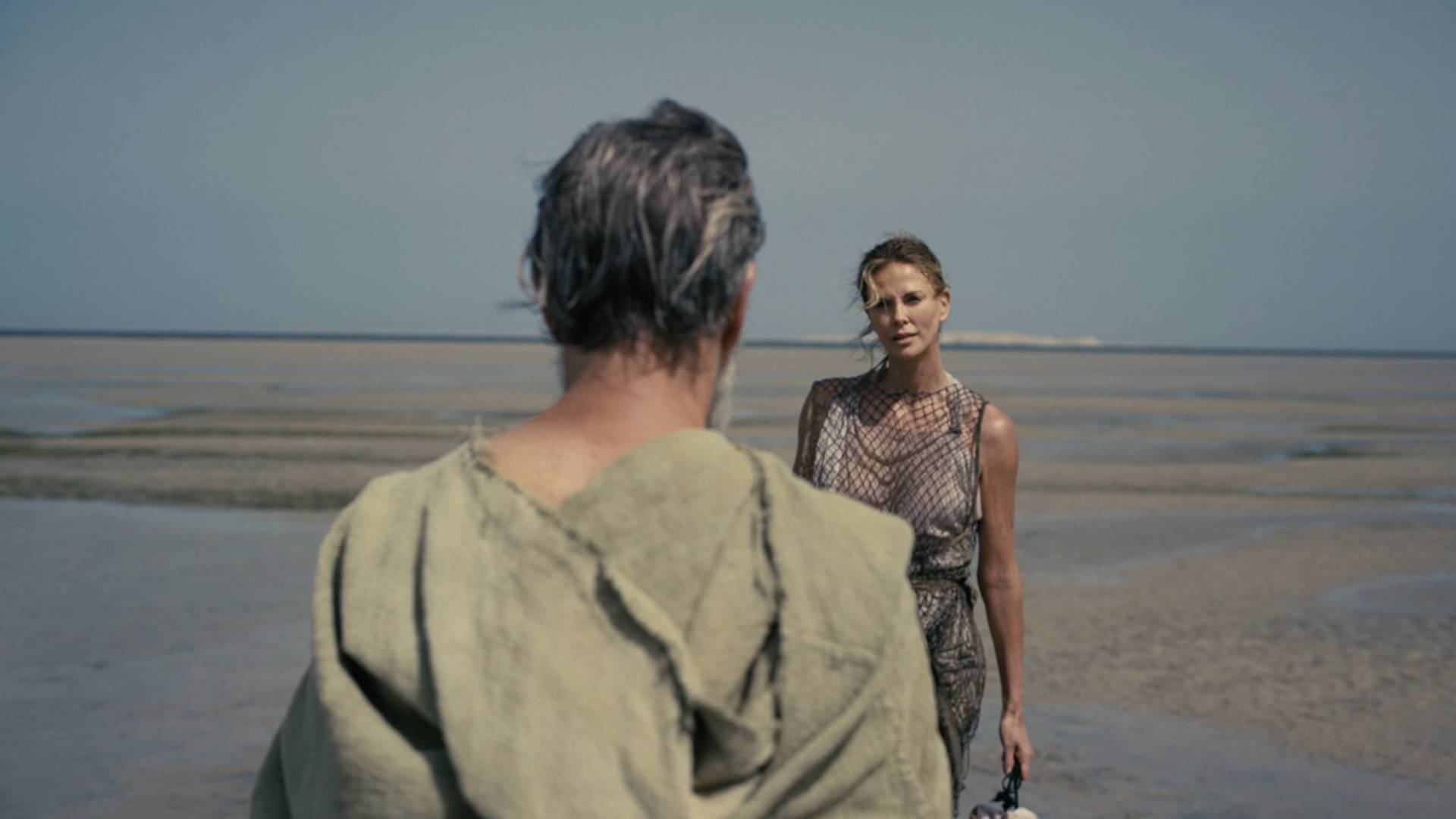
Calypso holds Odysseus as a (sort of) hostage in both versions of the story, but Nolan has Odysseus come to his senses and leave under his own power. However, in the poem, Athena asks Zeus to order Odysseus's release, and Zeus sends Hermes to pass on the message.
Penelope's test
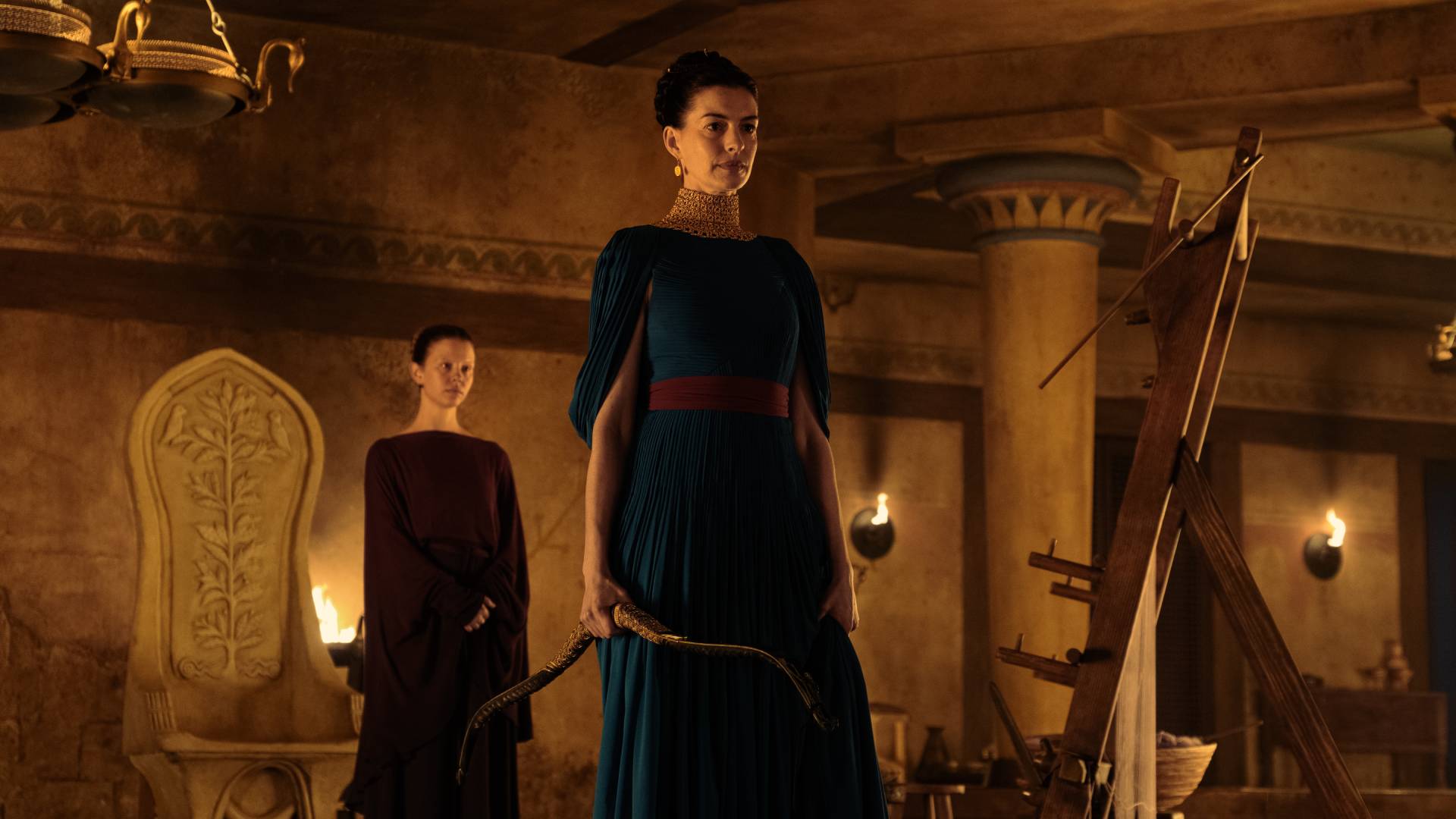
In Nolan's film, as in the poem, Penelope tasks the suitors with an archery contest. In both versions of the tale, only Odysseus can string his bow. However, in Homer's Odyssey, there is one extra test from Penelope. After Odysseus reveals his identity to his wife, Penelope – still doubtful – asks that her and Odysseus's bed be removed from their room. When Odysseus points out that he carved the bed from an olive tree growing through their bedroom, so it cannot be moved, Penelope knows this stranger is truly her husband.
The ending
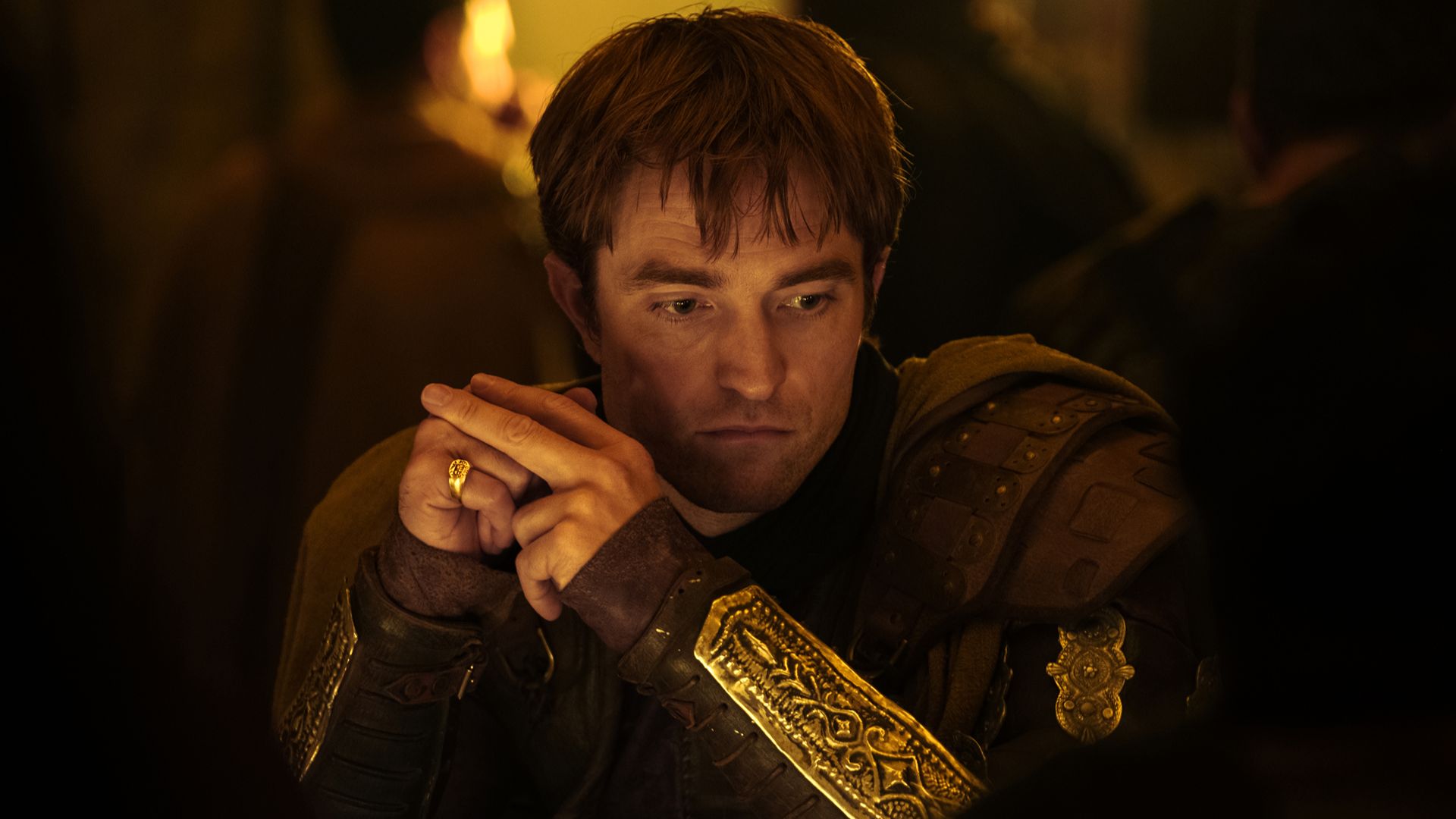
Nolan's Odyssey ends with Odysseus and Penelope going into exile together, leaving their son Telemachus to rule Ithaca. This is because the shades from the underworld tasked Odysseus with honoring them in a faraway land, since Odysseus was unable to bury their bodies. Since it fits with something Penelope wanted to do earlier – escape together rather than send Odysseus off to war – Odysseus seems pleased to go. However, Homer's Odyssey ends with Odysseus revealing his identity to his father, and then the families of the slain suitors arriving to seek revenge. Luckily, Athena intervenes, so no further violence can occur. Odysseus's father, Laertes, is also not in the film.
While it's not depicted in Homer's Odyssey, another epic poem, the Telegony (which is sadly lost), reveals Odysseus's rather anticlimactic death. His son with Circe, Telegonus, sets off to look for Odysseus. Unbeknownst to him, he lands on Ithaca for supplies. When Odysseus comes to defend his land, Telegonus accidentally kills his father with a spear topped by a stingray's barb. They recognize each other as Odysseus dies. Then, Telemachus marries Circe, Telegonus marries Penelope, and Odysseus is buried on Circe's island.
Omissions
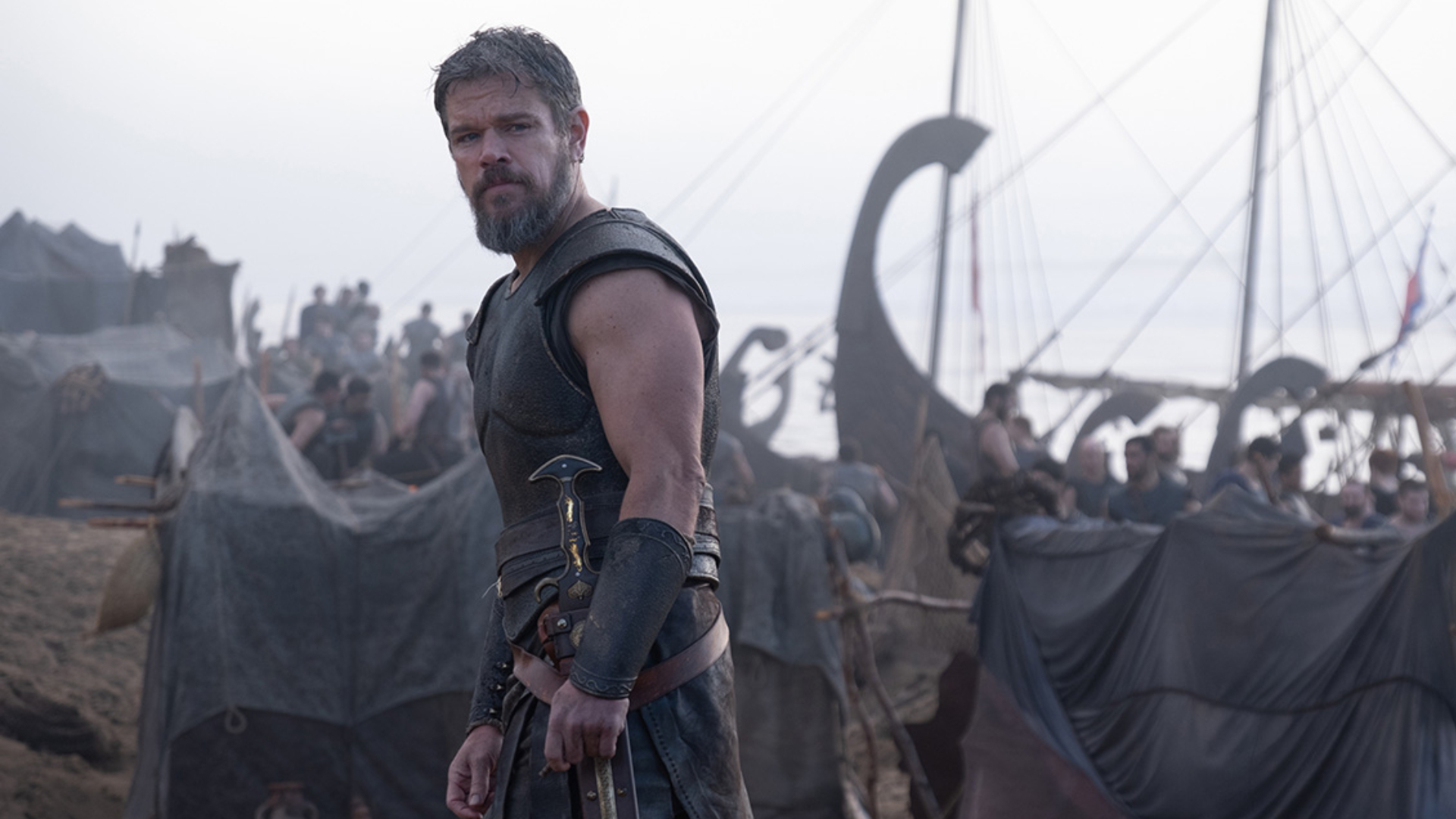
The Odyssey is a huge text, so, naturally, Nolan's movie can't cover everything. Some notable omissions include Odysseus's father, Laertes, whom he reunites with at the end of the poem. Telemachus's visit to King Nestor (a comrade of Odysseus's in the war) is also cut, and, instead, the young prince only goes to visit Menelaus. Odysseus's visit to the court of King Alcinous is also excised – he washes up in the land of Phaeacia after leaving Calpyso and spends time enjoying Alcinous's hospitality there, which is where he recounts his many adventures.
Similarly, the film omits Odysseus's crew opening a bag of winds gifted to them by Aeolus – Aeolus is the ruler of the winds, and he trapped the most ferocious in the bag, meaning Odysseus and his crew could sail home with only a gentle wind blowing. However, the crew opened the bag while Odysseus was asleep – and while they were within sight of Ithaca – which blew them all the way back to Aeolus's island. Aeolus would not help them a second time.
The Odyssey is in theaters now. For more, check out our guide to the most exciting upcoming movies, or our roundup of the best Christopher Nolan movies.
Source link