Apple confirms a software patch is coming after some iPhone 18 Pro models froze and restarted after failed Face ID attempts.
Apple says a software update to fix an iPhone 18 Pro and iPhone 18 Pro Max rebooting bug is coming early next week, after users reported freezes and restarts following failed Face ID attempts.
The issue appears tied to software rather than hardware, according to Apple’s confirmation that a fix is in development, which matters because some customers had already replaced devices thinking the problem was physical.
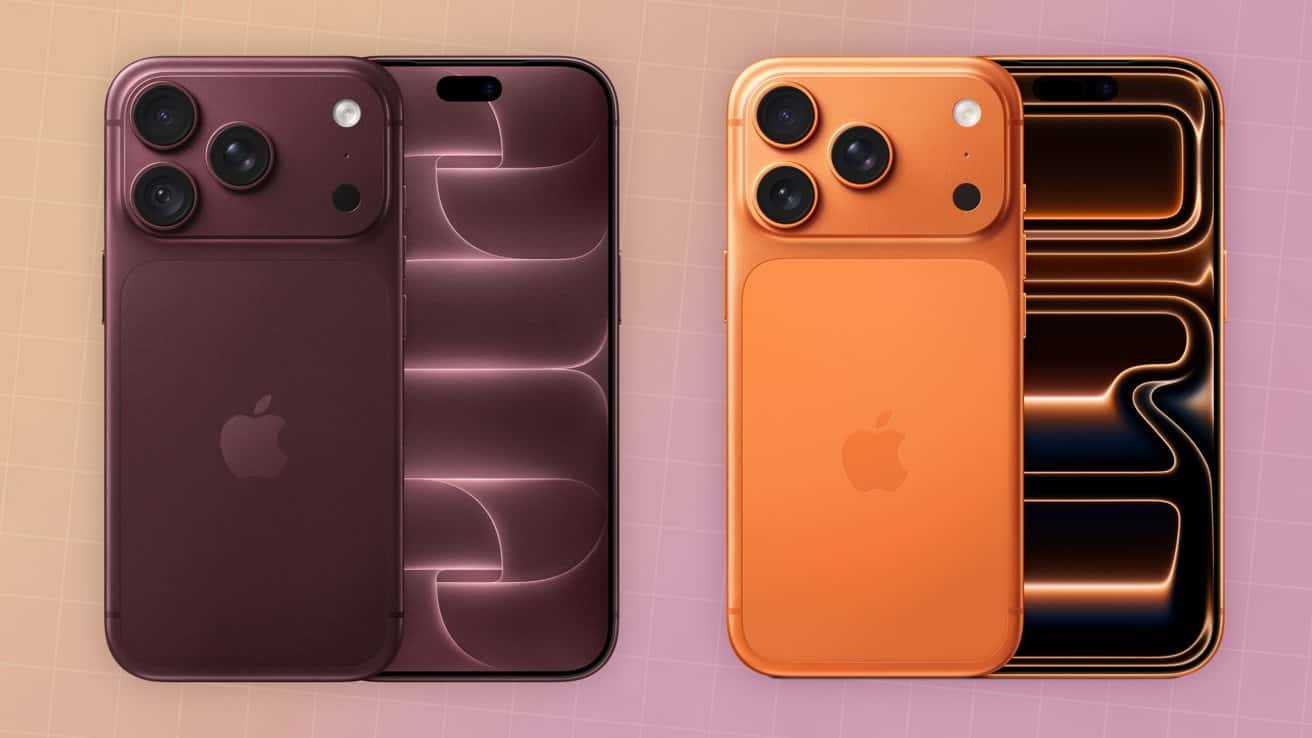
The bug affects at least some iPhone 18 Pro models with Apple’s redesigned Face ID system, which moved the infrared camera under the display and shrank the visible Dynamic Island by 25%, according to the report.
The pending iPhone fix follows Apple’s release of watchOS 27.0.1 on September 23, 2026, to address a separate random restart problem on Apple Watch Series 12 and Ultra 4.
25% is the hardware change at the center of Apple’s newest iPhone glitch. Apple says a software update to fix an iPhone 18 Pro rebooting bug will arrive early next week, after users reported the phones freezing and restarting during some failed Face ID attempts.
Apple says a software update to fix the iPhone 18 Pro and iPhone 18 Pro Max issue is on the way, a notable development for owners who worried the problem stemmed from the phones’ new hardware. The significance is simple: if Apple is right, customers do not need a device swap for a bug that looked, at first, like a hardware failure.
The issue surfaced days after the phones reached users. Reports pointed to a repeatable failure path: a Face ID authentication attempt would fail, the device would stop responding to touch input, and then reboot a few seconds later. A panic log could then be found in the Analytics section of the Settings app, according to the report.
That matters more than a typical launch-week annoyance because the affected models are Apple’s highest-end iPhones, and the trigger appears linked to one of the marquee design changes in the lineup. iPhone 18 Pro and iPhone 18 Pro Max use a redesigned Face ID sensor system, with the infrared camera moved under the display near the clock area. Apple says that change enabled a 25% smaller visible Dynamic Island. Any bug tied to that system lands directly on one of the devices’ headline selling points.
Apple did not describe the underlying technical cause in the report, only that a software update is in the works and should be available early next week. The company’s acknowledgment is the clearest sign yet that this is not an isolated user complaint or a one-off setup issue. The report said the problem did not appear to affect all users, but was widespread enough to show up across social media posts and reader complaints.
25%
That is how much smaller the visible Dynamic Island is on iPhone 18 Pro and Pro Max, according to the report describing Apple’s redesigned Face ID hardware.
For Apple, the timing is awkward. Premium buyers pay up for the Pro line expecting polish, especially around foundational features like authentication, app access and system stability. A restart triggered by a failed Face ID check, including one reported when trying to open the Passwords app, hits at exactly the wrong layer of the user experience. It is not a niche camera effect or an edge-case accessory conflict. It interrupts basic trust in the device.
There’s also a retail consequence. Some customers had already tried to solve the issue by exchanging their phones through Apple, according to the report, believing the rebooting pointed to defective hardware. Apple’s message now is that those swaps are unnecessary. That is useful guidance for buyers, but it also hints at the support burden these bugs create when the root cause is not obvious. Hardware changes often get blamed first. Software teams then have to clean up both the bug and the confusion.
The broader pattern is hard to miss. Apple also released watchOS 27.0.1 on September 23, 2026, to fix a random restart issue affecting Apple Watch Series 12 and Ultra 4. Two separate restart-related fixes across flagship devices in the same week is not a crisis on its own, but it is the sort of streak that gets noticed by consumers, carriers and enterprise buyers who manage large Apple fleets. Stability issues are rarely the whole story on a product cycle, though they can become the story if they stack up.
There is a competitive angle here too, even if Apple’s smartphone business is not suddenly under threat. In the US, Apple’s advantage in premium phones has long depended on tight hardware-software integration and a support apparatus that usually makes glitches feel temporary. When a new under-display sensor design appears to trigger system-level reboots, rivals get an opening to argue that mature-looking hardware changes still carry tradeoffs. Apple’s fast acknowledgment helps. So does a near-term patch window. But this is one of those episodes that reminds the market how unforgiving device launches have become.
The background
The rebooting problem first drew attention earlier in the week, after reports tied the freeze to failed Face ID attempts on iPhone 18 Pro and Pro Max devices. In one documented case in the report, the issue appeared when Face ID was attempted with the user’s face obscured by a hand while accessing the Passwords app. The phone then became unresponsive before forcing a hard reboot.
That sequence suggests Apple is dealing with an interaction bug inside a sensitive part of the stack: biometric authentication, system UI and app access. Apple has not said that publicly in those terms, and there is no reason to oversell a diagnosis without technical documentation. Still, the surface-level pattern fits a software flaw more than a broken sensor. If a panic log appears after the crash and Apple is already preparing a patch, the company likely sees this as fixable without hardware remediation.
For developers and IT admins, the practical takeaway is narrower than the headlines. The issue appears tied to specific conditions, not a universal failure across every authentication attempt. But because Face ID touches password managers, banking apps, device unlock and enterprise sign-in flows, even a sporadic reboot bug can create outsized concern. It also arrives as Apple continues pushing under-display components deeper into the iPhone design, a direction the industry has chased for years because cleaner screens sell, even when the engineering gets messier underneath.
What's next
The immediate trigger is Apple’s promised software release early next week. The real question after that is whether the update fully resolves the failed Face ID reboot path on iPhone 18 Pro and Pro Max, or merely reduces how often it happens. If the fix lands on schedule, Apple should be able to stop unnecessary device exchanges and contain what is, for now, a launch-cycle software stumble rather than a hardware recall story.
Frequently asked questions
When will Apple release the fix for the iPhone 18 Pro rebooting bug?
Apple says the software update is scheduled for early next week. The company has indicated the fix is already in development and is meant to address the reboot issue affecting some iPhone 18 Pro and iPhone 18 Pro Max users.
What is causing the iPhone 18 Pro and Pro Max to restart unexpectedly?
The reported issue appears to happen after failed Face ID attempts, with some users seeing their phones freeze and then reboot. Apple says the problem is software-related rather than a hardware defect.
Is the iPhone 18 Pro reboot bug a hardware problem?
Apple’s confirmation points to software, not hardware, as the source of the problem. That matters because some customers had already replaced devices before learning a software update was on the way.
Which iPhones are affected by the rebooting issue tied to Face ID?
Reports have focused on the iPhone 18 Pro and iPhone 18 Pro Max. The bug appears linked to failed Face ID attempts that can trigger a freeze followed by an unexpected restart on affected devices.
Should I replace my iPhone 18 Pro if it keeps restarting after Face ID fails?
Based on Apple’s guidance, a replacement may not be necessary if your device is experiencing this specific bug. Since Apple says a software fix is coming, affected users may want to wait for the update before pursuing a hardware swap.
How can I check if the Apple update fixes the iPhone reboot problem?
After installing the next iOS update, watch for Apple’s release notes and test whether failed Face ID attempts still cause freezing or restarts. If the issue continues after updating, contacting Apple Support would be the next step.